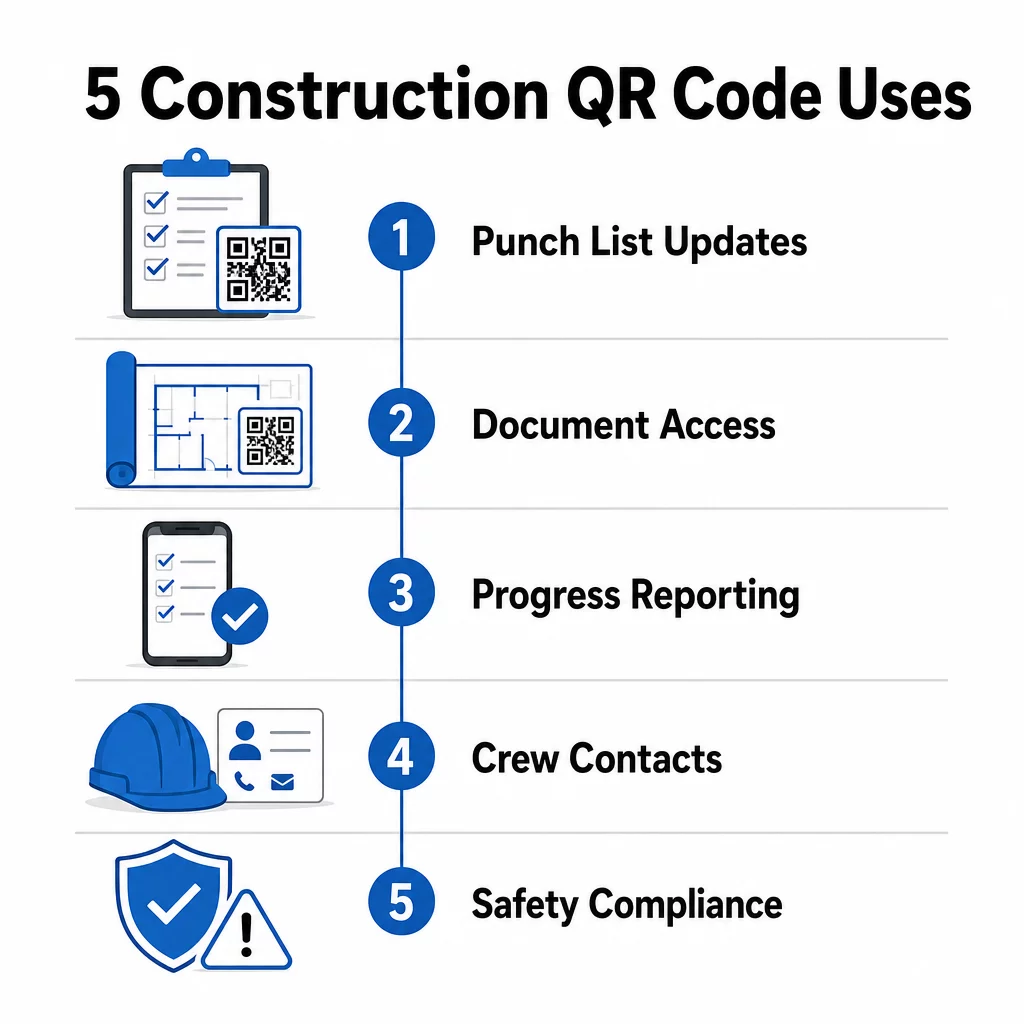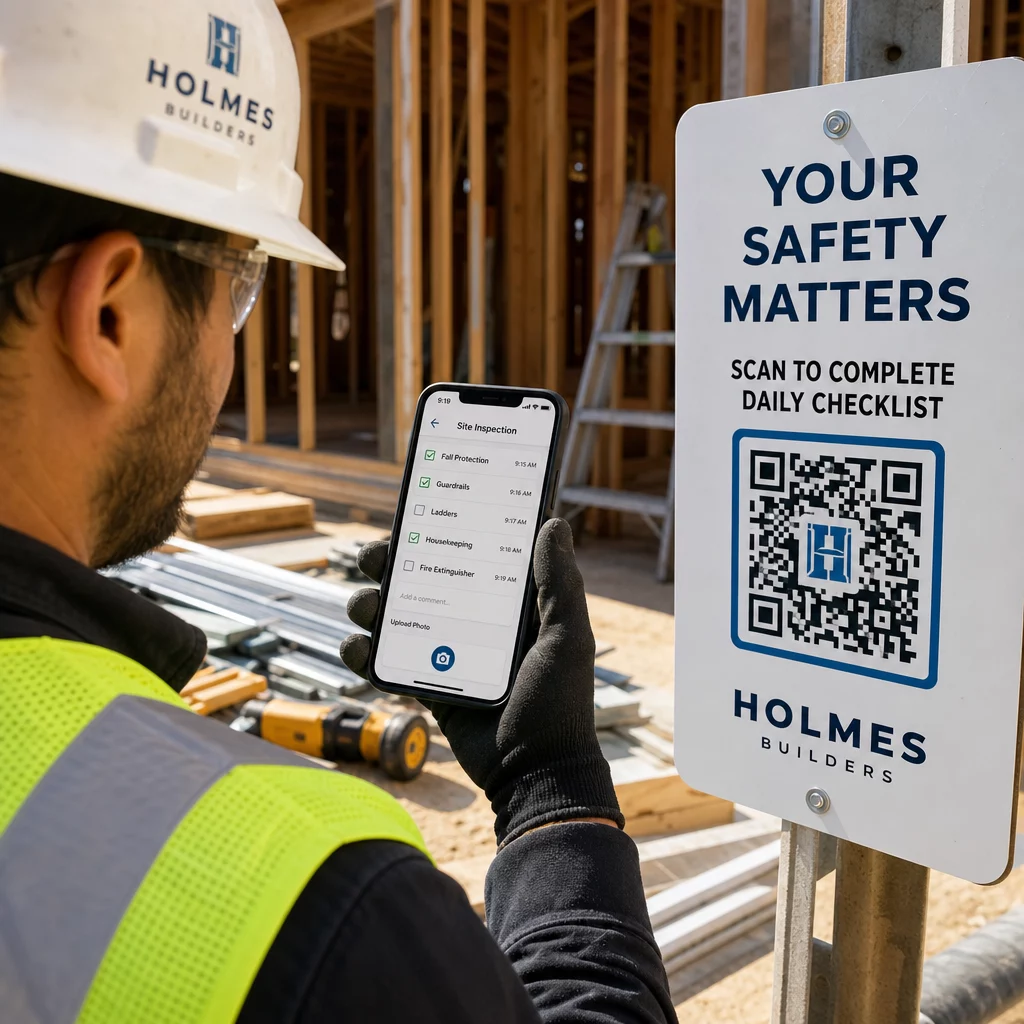
QR codes are changing how construction crews communicate. They replace outdated paper systems with instant, digital access to information, ensuring subcontractors stay informed and projects run smoothly. Here’s how QR codes help:
- Punch Lists: Subcontractors access updated tasks instantly, mark completions, and flag issues in real time.
- Document Sharing: Scan codes to get the latest blueprints, specs, and safety protocols – no printing needed.
- Progress Tracking: Submit updates, photos, and reports directly from the site.
- Contact Coordination: Share and update crew details or schedules with a quick scan.
- Safety & Compliance: Provide instant access to safety rules, training verification, and restricted area controls.
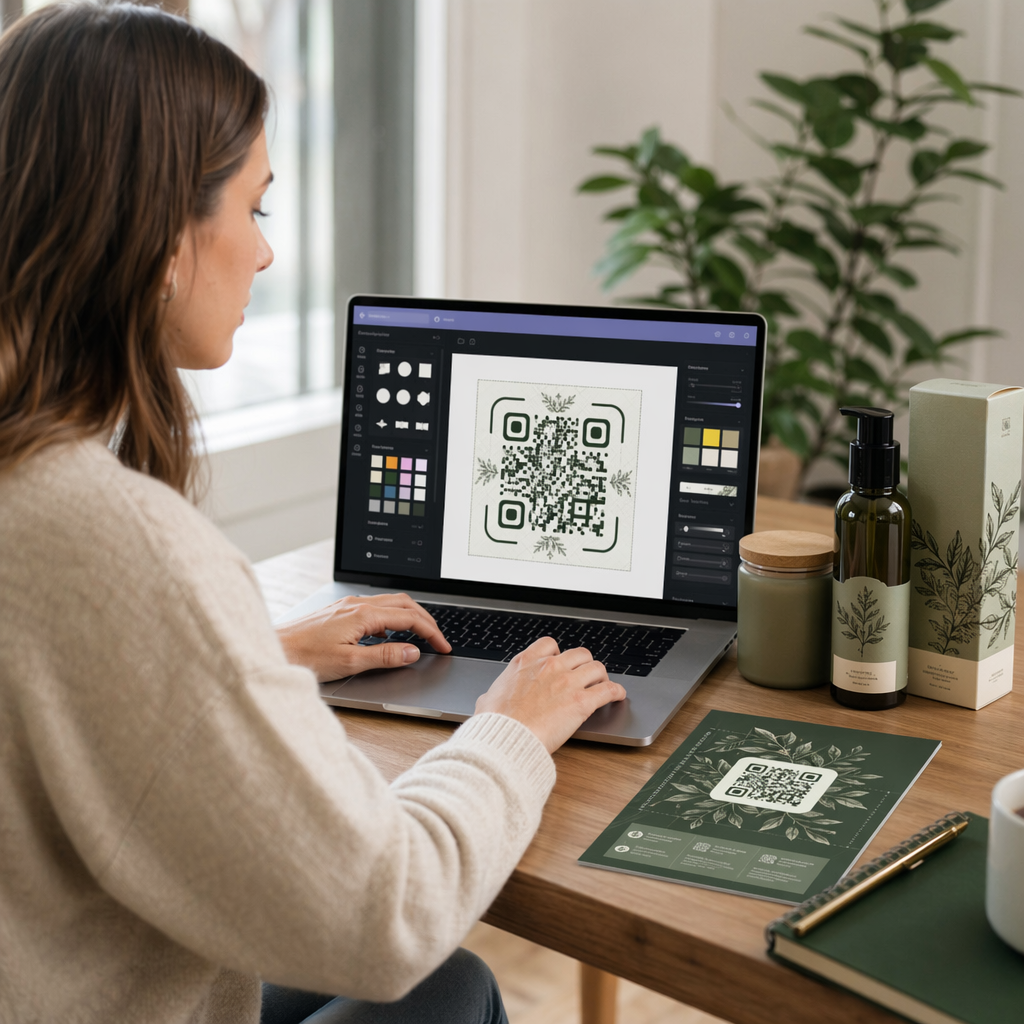
Why it matters: QR codes save time, cut costs, and reduce errors by keeping everyone on the same page. Tools like เพจลูท make it easy to create and manage these codes, keeping your project efficient and organized.
QR Notice Board Workflow
1. Punch list management and task updates
Punch lists play a crucial role in ensuring construction projects are completed correctly and stay on schedule. The old-school paper-based methods often lead to delays and miscommunication. Switching to a digital system makes on-site communication faster and more efficient, preparing teams for smoother task verification. By incorporating QR codes, you can bridge the gap between physical job sites and digital project management tools, giving subcontractors instant access to updated task information.
Here’s how it works: project managers can place QR codes at specific work areas or attach them to work orders. When subcontractors scan these codes with their smartphones, they immediately see the most up-to-date punch list items.
QR codes allow real-time, two-way communication. Subcontractors can check their assigned tasks, upload photos of completed work, and flag any issues – all directly through the system. This creates a feedback loop that keeps project managers informed without endless phone calls or the need for extra site visits.
Using tools like เพจลูท‘s เครื่องสร้างรหัส QR, construction teams can easily create codes that link to digital punch lists. The best part? As project details evolve, the QR code automatically updates without needing to reprint anything. For example, a QR code placed during the early stages of construction can later display finishing tasks, final inspections, or closeout requirements. For guidance on making changes, check out this step-by-step guide to editing QR codes.
Subcontractors can scan these codes to access punch lists, mark tasks as complete with timestamps and photos, and create a digital record for quality control and billing purposes.
For subcontractors juggling multiple job sites, QR codes ensure easy access to project-specific details, including special instructions, material specs, and safety guidelines. If you need to share multiple resources with one code, try using a เครื่องสร้างรหัส QR หลายลิงก์.
Integration is also straightforward. Teams can link their คิวอาร์โค้ดก่อสร้าง to popular project management platforms, ensuring smooth updates between field crews and office teams. This creates a centralized system that reduces discrepancies and keeps everyone on the same page.
2. Document Sharing and Instant Access
Construction projects generate an overwhelming amount of paperwork – blueprints, specifications, contracts, change orders, and safety protocols, to name a few. Relying on paper-based systems often slows down access to updates and current documents. QR codes solve this problem by offering immediate access to digital files without requiring extra apps or logins.
By linking QR codes directly to cloud-based documents, project managers ensure that anyone on the team can instantly access vital information with just a scan. Subcontractors, for example, can use their smartphone cameras to pull up blueprints, specifications, photos, or task details. This eliminates delays caused by outdated plans and reduces the risk of errors. Plus, it sets the stage for the dynamic updates we’ll explore next.
One of the standout features of คิวอาร์โค้ดแบบไดนามิก is their ability to update content without needing to reprint the code itself. If architects modify drawings or project managers revise specifications, the QR code automatically redirects to the most recent version. This ensures everyone is working with up-to-date information. For a step-by-step guide on how to update QR codes without reprinting, check out this resource.
For projects requiring access to multiple document types, tools like Pageloot‘s เครื่องสร้างโค้ด PDF QR simplify sharing detailed drawings and safety manuals. Teams can also use Pageloot’s multi-QR code generator to create codes that link to various resources, such as schedules, material lists, and contact information – all accessible through a single scan.
The ability to update documents in real time is especially valuable during active construction phases. When change orders or modifications arise, project managers can instantly refresh the linked content, ensuring every scan provides the latest version.
Some teams even take it a step further by placing QR codes on นามบัตร or signage, making critical information readily available across shifts and locations. This seamless access keeps everyone on the same page, no matter where they are.
3. Progress tracking and reporting
Keeping tabs on project progress in real time can make a huge difference in how smoothly things run. Instead of waiting for weekly check-ins or juggling phone calls, QR codes offer a quick and easy way for subcontractors to provide updates. With just a scan, they can submit photos, completion reports, or other updates instantly – right from the job site.
By placing QR codes in key work zones, teams can streamline the reporting process. Subcontractors scan the code and fill out forms that might include details like completion percentages, material usage, or quality control photos. These updates feed directly into project management dashboards, giving supervisors a clear, immediate view of progress across different locations and trades. This setup makes it easy to adjust reporting as project needs evolve.
Photo documentation is another critical piece of this system. A subcontractor can scan a QR code tied to a specific task and upload before-and-after photos, progress shots, or even images documenting issues. These visuals not only help maintain quality standards but also serve as evidence to resolve disputes or keep thorough project records – all without needing extra software.
QR codes are incredibly flexible. As projects move through different phases, the forms linked to the codes can be updated. For instance, a QR code initially used for foundation updates can later be switched to collect framing progress details.
For teams juggling multiple subcontractors, tools like Pageloot’s เครื่องสร้างรหัส QR can simplify things even more. You can create trade-specific codes – electricians might scan codes linked to inspection forms, while plumbers access plumbing checklists. To take it further, Pageloot’s เครื่องสร้างรหัส QR หลายลิงก์ allows project managers to consolidate multiple reporting tools into a single scan, reducing confusion and making data collection more efficient.
Another game-changer is the analytics feature. These insights let project managers track how often QR codes are scanned, pinpoint reporting trends, and identify potential bottlenecks before they cause delays. This level of oversight is especially useful for construction teams, where staying on schedule is critical.
Some companies even integrate QR code reporting into their existing project management software. This creates automated workflows that trigger alerts when milestones are reached or problems arise. It’s a huge time-saver, eliminating manual data entry while keeping all stakeholders up to date in real time.
What makes QR code reporting especially practical is its mobile-first approach. Subcontractors already carry smartphones, so submitting updates is as simple as scanning and sending – no extra apps or training required. It’s an effortless way to keep everyone on the same page, no matter where they are.
sbb-itb-74874c9
4. Contact information and crew coordination
Getting accurate contact information to the right people at the right time can be a headache on busy construction sites. Business cards can be misplaced, phone numbers misdialed, and crew schedules often change faster than anyone can keep track of. QR codes offer a simple solution, making contact sharing and crew coordination easier and more reliable.
When subcontractors add QR codes to their business cards, they can share far more than just a phone number. With one quick scan, complete details – like name, company, direct line, email, and emergency contacts – are instantly saved. This eliminates the need for manual entry and reduces the chances of errors.
Dynamic QR codes take it a step further by linking to digital contact cards that can be updated as crew assignments shift. Using a เครื่องสร้างรหัส QR, businesses can make updates without the hassle of reprinting cards. This is especially helpful for large projects where personnel changes happen frequently.
QR codes also simplify crew coordination by connecting workers to live scheduling tools. For example, project managers can post QR codes on ใบปลิว in trailers or break rooms. Scanning these codes gives instant access to up-to-date schedules, shift changes, or meeting locations. This eliminates the need for group texts or phone calls, which often miss people, and ensures everyone stays informed.
Some teams take it even further by linking QR codes to communication platforms. With a single scan, subcontractors can join the right group chat, access shared files, or check project-specific updates. Since most workers already carry smartphones, accessing this information is as easy as opening the camera and scanning – no extra apps or logins required. For projects that juggle multiple resources, a เครื่องสร้างรหัส QR หลายลิงก์ can consolidate various types of information into one scan.
For companies managing several subcontractors across different trades, Pageloot’s รหัส QR สำหรับงานก่อสร้าง streamline the process even more. Distinct QR codes can be created for contractor contacts, emergency details, and crew schedules, ensuring everyone gets the right information at the right time.
Beyond improving coordination, QR codes can also provide instant access to emergency contacts, such as safety coordinators, site supervisors, or medical personnel. In critical situations, having this information available with a quick scan can make all the difference.
To top it off, QR codes come with built-in analytics. Project managers can track which contact details are accessed most often, giving them insights into communication patterns. These insights help identify bottlenecks and refine coordination strategies for future projects.
5. Compliance, safety, and access control
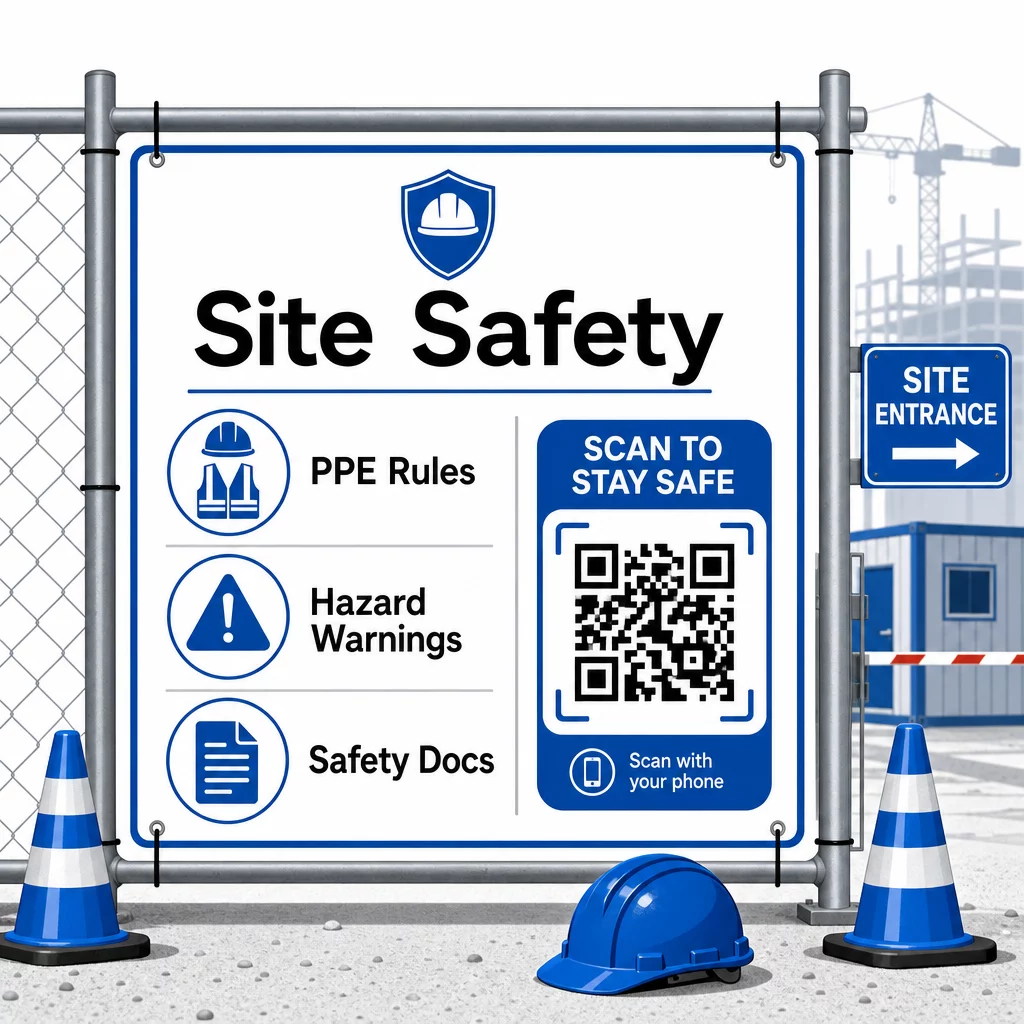
Ensuring safety and meeting compliance standards are essential for any construction project. Traditional paper methods often fall short, as documents can easily get misplaced, and managing access control becomes a logistical headache – especially when juggling multiple subcontractor teams. QR codes provide a digital solution, putting critical safety and compliance information directly into workers’ hands.
For instance, subcontractors can scan QR codes at site entrances to instantly access the latest safety protocols. No more digging through paperwork or tracking down a supervisor – workers can quickly view hazard warnings, required personal protective equipment (PPE), and site-specific safety rules on their phones.
QR codes also simplify safety inspections and access control. Digital checklists make daily inspections more efficient, while QR-enabled systems manage restricted area entry by verifying credentials without the need for extra hardware. Instead of dealing with physical keys or access cards, subcontractors simply scan a QR code to request entry. The system checks credentials, confirms completion of required safety training, and logs the entry – all digitally. This seamless integration extends the benefits of QR codes beyond document management to enhance overall site safety.
Using Pageloot’s เครื่องสร้างรหัส QR, safety managers can create dynamic codes that link to updated safety documentation. When OSHA regulations change, the linked content can be updated in real time – no need to reprint signs or redistribute materials. For a detailed guide on how to update QR content, check out our article on editing QR codes. This ensures workers always have access to the most current information.
For projects requiring various safety documents, a multi-resource QR code generator allows teams to bundle safety manuals, certificates, and inspection reports into a single scan. Workers can even download these materials to their phones, ensuring offline access in areas with poor cell service.
QR codes also offer valuable insights through analytics. Safety managers can track which protocols are accessed most often, spot areas where additional training might be needed, and confirm that workers have reviewed required briefings. These insights are especially helpful during inspections, demonstrating that the company is taking safety and compliance seriously.
Emergency procedures are easier to access with QR codes as well. Instead of relying on posted signs that might be damaged or hard to read, workers can scan a code to view evacuation routes, emergency contacts, and first aid procedures. These codes can even include multimedia elements like instructional videos or interactive maps, making the information more engaging and easier to understand.
For companies managing multiple sites, Pageloot’s รหัส QR สำหรับงานก่อสร้าง provide location-specific customization while maintaining consistent branding. This standardization simplifies the process for subcontractors moving between projects, helping them quickly find and follow the correct procedures.
QR codes also streamline training verification. Subcontractors can scan a code to show digital certificates of completed safety courses, eliminating the need for physical copies and making on-the-spot verification by supervisors much easier.
Dynamic QR codes come with built-in security features that protect sensitive compliance information. Access can be limited to authorized personnel, and detailed logs record who accessed the information and when. This digital trail is invaluable for safety inspections or incident investigations, offering clear evidence of compliance efforts.
Examples and Comparisons
After looking at how QR codes simplify tasks like punch list updates, document sharing, progress tracking, and crew coordination, let’s dive into some real-world comparisons. These examples highlight how QR codes outperform traditional methods in everyday construction scenarios.
Punch list management is a standout example. Traditional punch lists often cause delays, with updates taking hours – or even days – to reach the right people. QR codes, on the other hand, make updates almost instant. A quick scan of a QR code ensures that all subcontractors receive the latest revisions immediately.
เมื่อพูดถึง document sharing, QR codes shine by providing instant, digital access. No more printing costs or waiting for physical copies to circulate. For example, a เครื่องสร้างรหัส QR หลายลิงก์ can distribute updated documents to an unlimited number of users with just one scan, ensuring everyone is always working with the latest version.
QR codes also enhance security and tracking. Unlike paper documents, which can be lost or mishandled, QR codes – especially those generated with platforms like Pageloot – offer detailed scan history data. This allows project managers to monitor who accessed which documents and maintain a reliable audit trail.
Progress reporting becomes much more efficient with QR codes. Instead of filling out manual forms or sending emails, workers can scan a QR code, upload photos or notes directly from their phones, and submit updates in seconds. This eliminates unnecessary paperwork and speeds up communication.
The cost savings are another big win. Using a เครื่องสร้างรหัส QR like Pageloot’s reduces recurring expenses, such as printing and distribution, while also cutting down on administrative overhead. This means more resources can go toward the project itself.
Contact coordination gets a major upgrade too. Paper-based contact lists and phone calls often lead to fragmented communication. QR codes linked to dynamic contact information ensure updates are instant. For instance, if a foreman’s phone number changes, the QR code can be updated to reflect the new details without reprinting anything. Curious how this works? Check out how QR codes for business cards can streamline team communication.
สำหรับ safety compliance, QR codes provide immediate access to the latest protocols, eliminating the risks associated with outdated or damaged paper manuals. Plus, integrated analytics track which safety guidelines have been reviewed, offering valuable insights during inspections or incident reviews.
These comparisons highlight how QR codes consistently deliver better efficiency and cost savings than traditional methods.
| Comparison Factor | วิธีการแบบดั้งเดิม | โซลูชันรหัส QR |
|---|---|---|
| Information Delivery Time | Updates delayed by several hours | Instant delivery |
| Document Update Costs | Printing and distribution fees | Minimal cost for digital updates |
| Access Tracking | Manual, often incomplete logs | Automated digital tracking and analytics |
| Storage Requirements | Physical filing systems required | Cloud-based and scalable storage |
| Weather Resistance | Prone to damage in bad conditions | Digital files remain unaffected |
In practice, construction teams have seen significant time savings by switching to QR codes. The back-and-forth delays common with traditional methods are virtually eliminated. Plus, the learning curve is minimal – most workers are already comfortable using their smartphones to scan QR codes.
For companies juggling multiple projects, Pageloot’s รหัส QR สำหรับงานก่อสร้าง offer tailored solutions for each site. This helps subcontractors transition smoothly between projects. The platform’s analytics also allow project managers to spot communication gaps and keep information flowing efficiently.
Need to make updates without reprinting? Check out our guide on editing QR codes for tips.
ข้อสรุป
QR codes are reshaping how subcontractor communication happens in the construction world, tackling some of the biggest daily challenges teams face. Whether it’s managing punch lists with instant updates or sharing documents without the hassle and cost of printing, QR codes simplify workflows and improve efficiency.
By going digital, teams save time with real-time updates, ensuring everyone has secure access to the latest details. Contact coordination also becomes smoother – dynamic QR codes keep crew information up-to-date without the need for endless reprints. Safety protocols? They’re now instantly accessible and trackable. Plus, the built-in analytics offer insights that traditional methods just can’t provide.
These advantages create a solid foundation for modernizing construction communication.
As highlighted earlier, dynamic updates and analytics are game-changers for better site management. For construction companies looking to upgrade their communication systems, Pageloot offers tools that make it easy. Their เครื่องสร้างรหัส QR และ เครื่องสร้างรหัส QR หลายลิงก์ deliver dynamic, updateable codes with real-time analytics, simplifying document sharing and resource management. Need to tweak QR code details? Pageloot’s edit QR codes guide shows you how to keep project information current without reprinting.
Whether you’re overseeing a single site or juggling multiple subcontractors across various locations, integrating QR solutions can close communication gaps. Check out our รหัส QR สำหรับงานก่อสร้าง to explore practical applications, or see how รหัส QR บนแผ่นพับ can streamline on-site contact sharing. This technology is simple to adopt, effective, and proven to work.
Looking to enhance your subcontractor communication? Start today with Pageloot’s free QR code tools and see how digital solutions can transform your construction workflows. Your subcontractors – and your project timelines – will thank you.
คำถามที่พบบ่อย
How can QR codes improve safety and compliance on construction sites?
QR codes play a key role in enhancing safety and ensuring compliance on construction sites by making critical information instantly accessible. Workers can scan these codes to access safety manuals, training materials, or equipment guidelines, keeping essential resources just a tap away. This convenience not only helps reduce the risk of accidents but also fosters a safer workspace.
On top of that, QR codes simplify compliance processes. They can be used for digital checks of certifications and authorizations, ensuring that only qualified and approved personnel are present on-site. By placing QR codes on equipment or throughout the site, workers gain quick access to operating instructions, emergency procedures, and safety updates. This streamlined communication helps maintain high safety standards while cutting down on paperwork.
What are the advantages of using dynamic QR codes for sharing documents in construction projects?
Dynamic QR codes are a smart and efficient solution for sharing documents in construction projects. With just a quick scan, team members can access the most up-to-date blueprints, manuals, or schedules. What sets dynamic QR codes apart from static ones is their ability to be updated with new information without requiring the code itself to be reprinted. This feature not only saves time but also cuts down on waste.
When placed on-site or included in critical documents, these QR codes allow workers to instantly retrieve updated plans or procedures, helping to minimize confusion and avoid mistakes. They’re also a convenient way to share other important materials, like safety guidelines or project updates, ensuring smooth and consistent communication across the entire team.
How do QR codes enhance communication and coordination for subcontractors on construction sites?
QR codes make communication and coordination on construction sites much easier by giving workers instant access to critical information like blueprints, safety protocols, and project updates. With this technology, subcontractors can always stay updated, which helps cut down on mistakes and keeps things running smoothly.
For contractors, QR codes are a game-changer when it comes to sharing digital documents. They replace outdated paper copies, ensuring everyone has the most current information. These codes can also simplify training processes by linking directly to safety manuals or onboarding materials. On top of that, they’re incredibly handy for managing equipment, providing quick access to maintenance logs and user manuals. By weaving QR codes into daily workflows, teams can improve collaboration and stay focused on achieving their project goals.
โพสต์บล็อกที่เกี่ยวข้อง