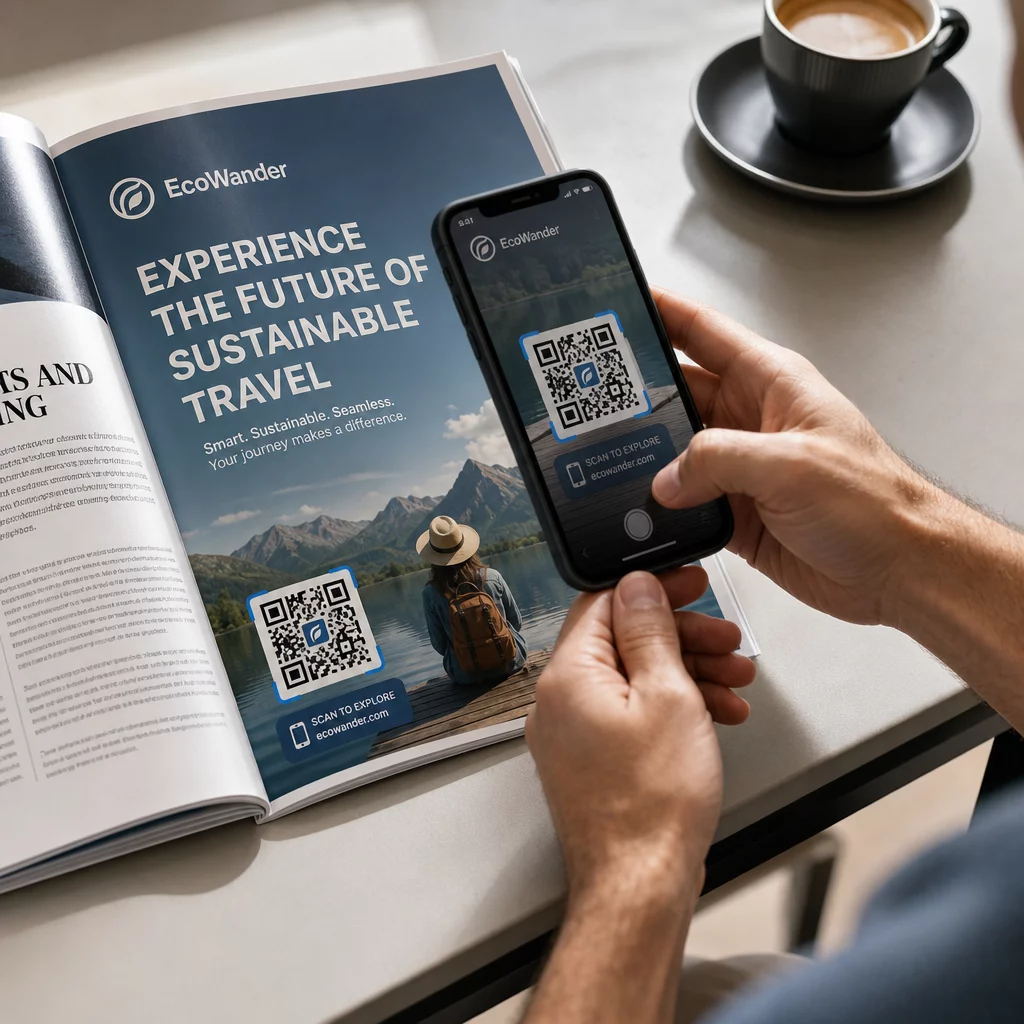
Mã QR trên quảng cáo báo hoặc tạp chí đưa độc giả từ trang in đến trang web, video, phiếu giảm giá hoặc PDF. Để thêm một mã: tạo mã, in nó với kích thước tối thiểu 2 x 2 cm (0.8 x 0.8 inches) và có một lề trống xung quanh, đặt một lời kêu gọi hành động ngắn gọn bên cạnh, và thử nghiệm nó trên giấy thật trước khi in hàng loạt. Hướng dẫn này bao gồm từng bước để tạo mã QR cho quảng cáo in trên tạp chí và báo.
Giải đáp nhanh về Mã QR trên Báo và Tạp chí
- Kích thước: tối thiểu 2 x 2 cm (0.8 x 0.8 inches). Sử dụng 3 đến 4 cm (1.2 đến 1.6 inches) cho hầu hết quảng cáo tạp chí và lớn hơn một chút cho báo in.
- Vùng yên tĩnh: giữ một lề trống tối thiểu bốn mô-đun (các ô vuông nhỏ) ở mỗi bên.
- Màu sắc: mã màu tối trên nền sáng, đơn giản. Màu đen trên nền trắng là lựa chọn an toàn nhất.
- Vị trí: phần giữa hoặc dưới của quảng cáo, tránh xa nếp gấp hoặc gáy sách.
- Loại mã: một mã động nếu quảng cáo chạy trong nhiều tuần hoặc bạn muốn thống kê lượt quét. Mã tĩnh đủ cho một liên kết dùng một lần sẽ không bao giờ thay đổi.
- Trước khi in: quét bản in thử trên giấy thật bằng ít nhất một điện thoại iPhone và một điện thoại Android.
Tại sao phương tiện truyền thông in ấn vẫn hiệu quả với mã QR
Độc giả báo và tạp chí thường đọc chậm và kỹ. Một quảng cáo in cũng có không gian để giải thích mã QR làm gì và tại sao độc giả nên quét nó. Một dòng như “Quét để xem video công thức” cho độc giả biết điều gì sẽ xảy ra tiếp theo, điều mà một mã QR đơn thuần không thể hiện.
Thực phẩm, xuất bản, giáo dục, bán lẻ và dịch vụ địa phương đều sử dụng bản in. Mã QR kết nối đối tượng đó với trang web, video, ưu đãi hoặc ứng dụng của bạn mà không yêu cầu ai nhập URL.
Kết nối quảng cáo in của bạn với các chiến dịch kỹ thuật số Sử dụng Trình tạo mã QR liên kết để tạo mã QR cho bất kỳ URL nào, sẵn sàng đưa vào quảng cáo báo hoặc tạp chí tiếp theo của bạn.
Nên liên kết Mã QR trên Tạp chí hoặc Mã QR trên Báo đến đâu
Quyết định chức năng của mã trước khi bạn thiết kế quảng cáo. Điểm đến sẽ quyết định lời kêu gọi hành động, kích thước và vị trí trên trang.
- Trang web hoặc trang đích: một trang chiến dịch, trang sản phẩm hoặc biểu mẫu đăng ký, được tạo bằng Trình tạo mã QR liên kết
- Tài liệu PDF: một danh mục, thực đơn, bộ tài liệu báo chí hoặc phụ lục, được tạo bằng Chuyển PDF sang QR
- Video: một video sản phẩm, công thức nấu ăn hoặc phỏng vấn, được tạo bằng Tạo mã QR YouTube
- Mã giảm giá chỉ in: một ưu đãi mà chỉ độc giả của số báo này mới có thể nhận, được tạo bằng Tạo mã QR phiếu giảm giá
- Âm thanh: một file MP3 của buổi phỏng vấn nhà báo hoặc một đoạn podcast
- Hồ sơ mạng xã hội hoặc thông tin liên hệ: một mã bên cạnh tên của người viết để độc giả có thể theo dõi hoặc liên hệ với người đóng góp
Ví dụ thực tế: một tạp chí ẩm thực có thể liên kết trang công thức nấu ăn với video đầy đủ. Một quảng cáo rao vặt trên báo có thể liên kết đến danh sách bất động sản kèm ảnh. Một cửa hàng địa phương có thể in mã giảm giá trên báo hàng tuần và đếm số lượng người đổi mã. Kết quả quét càng nhanh và càng liên quan, bạn sẽ nhận được càng nhiều lượt quét.
Cách thêm mã QR vào quảng cáo trên báo hoặc tạp chí
- Mở Trình tạo mã QR và chọn loại: liên kết, PDF, video hoặc mã giảm giá.
- Nhập điểm đến. Sử dụng URL ngắn, cuối cùng. URL dài hơn tạo mã dày đặc hơn và cần nhiều không gian hơn khi in.
- Chọn màu mã tối và nền sáng. Chỉ thêm logo nếu mã vẫn dễ quét. Không thêm logo vào mã báo in nhỏ.
- Tải xuống tệp vector (SVG hoặc PDF) cho máy in. Một file PNG nên có chiều rộng ít nhất 1000 px nếu không thể có tệp vector.
- Đặt mã vào bố cục quảng cáo ở kích thước 2 x 2 cm hoặc lớn hơn, với một vùng yên tĩnh trống xung quanh.
- Thêm lời kêu gọi hành động bên cạnh mã cho biết độc giả sẽ nhận được gì.
- Yêu cầu nhà xuất bản hoặc nhà in cung cấp bản thử, sau đó quét nó bằng nhiều điện thoại trước khi in chính thức.
Cách thiết kế mã QR được quét
Tạo thương hiệu cho mã một cách trực quan
Một mã màu đen đơn giản hòa vào trang. Màu sắc thương hiệu và một logo nhỏ ở giữa cho độc giả biết mã thuộc về ai. Sử dụng Trình tạo mã QR để cài đặt màu sắc, thêm logo và chọn hình dạng phù hợp với bố cục quảng cáo của bạn.
Giữ độ tương phản mạnh. Các mô-đun mã phải tối hơn nhiều so với nền. Đen trên trắng là đáng tin cậy nhất. Không đảo ngược màu sắc (mã sáng trên nền tối), và không đặt mã lên trên ảnh hoặc một mẫu hình.
Chọn động thay vì tĩnh
A mã QR động lưu trữ một liên kết chuyển hướng ngắn thay vì địa chỉ cuối cùng. Bạn có thể thay đổi nơi mã trỏ đến sau khi hàng nghìn bản sao được in, và mã đã in vẫn giữ nguyên. Mã động cũng hiển thị số liệu thống kê quét: khi nào, ở đâu và trên thiết bị nào mọi người đã quét. Tìm hiểu thêm về cách chỉnh sửa mã QR sau khi in.
Mã tĩnh là đủ khi liên kết sẽ không bao giờ thay đổi và bạn không cần số liệu thống kê, ví dụ như một liên kết vĩnh viễn đến trang chủ của bạn. Đối với một quảng cáo chạy trong nhiều tuần, hoặc một quảng cáo có ưu đãi có thể kết thúc, mã động là đáng giá. Mã tĩnh không bao giờ hết hạn. Mã động theo gói hàng tháng hoặc hàng năm sẽ ngừng hoạt động khi gói kết thúc, vì vậy hãy giữ gói hoạt động trong khi ấn phẩm đang lưu hành.
Mã động có 14 ngày dùng thử miễn phí. Xem các gói tại pageloot.com/pricing.
Cập nhật quảng cáo của bạn mà không cần in lại Các Tạo mã QR động cho phép bạn thay đổi URL đích bất cứ lúc nào và xem số lượt quét theo ngày, vị trí và loại thiết bị.
Viết lời kêu gọi hành động rõ ràng
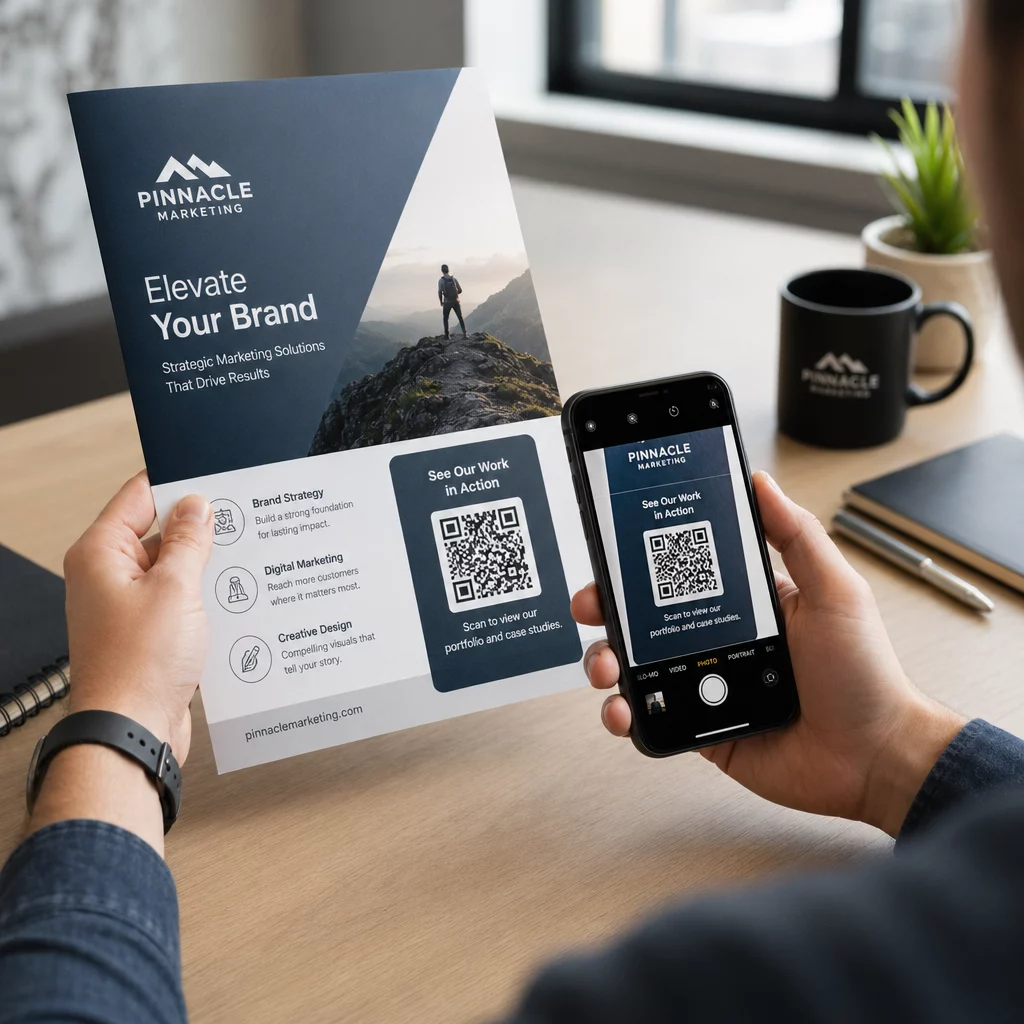
Đặt một dòng ngắn gần mã nói rõ người đọc nhận được gì. “Quét để xem video công thức” hoặc “Quét để nhận ưu đãi giảm giá dành cho độc giả của bạn” có tác dụng. “Quét ở đây” không nói lên điều gì. Nếu người đọc không biết mã này dẫn đến cái gì, hầu hết sẽ bỏ qua.
Tối ưu hóa đích đến cho thiết bị di động
Mọi độc giả quét mã in đều truy cập bằng điện thoại. Trang phải tải nhanh, vừa với màn hình nhỏ và hiển thị ưu đãi ở đầu trang. Trước khi in, hãy kiểm tra toàn bộ đường dẫn từ lúc quét đến trang đích trên cả iOS và Android.
Hướng dẫn vị trí và kích thước cho mã QR trên tạp chí và báo
Kích thước, vị trí và loại giấy quyết định mã có quét được hay không. Đây là những quy tắc chính.
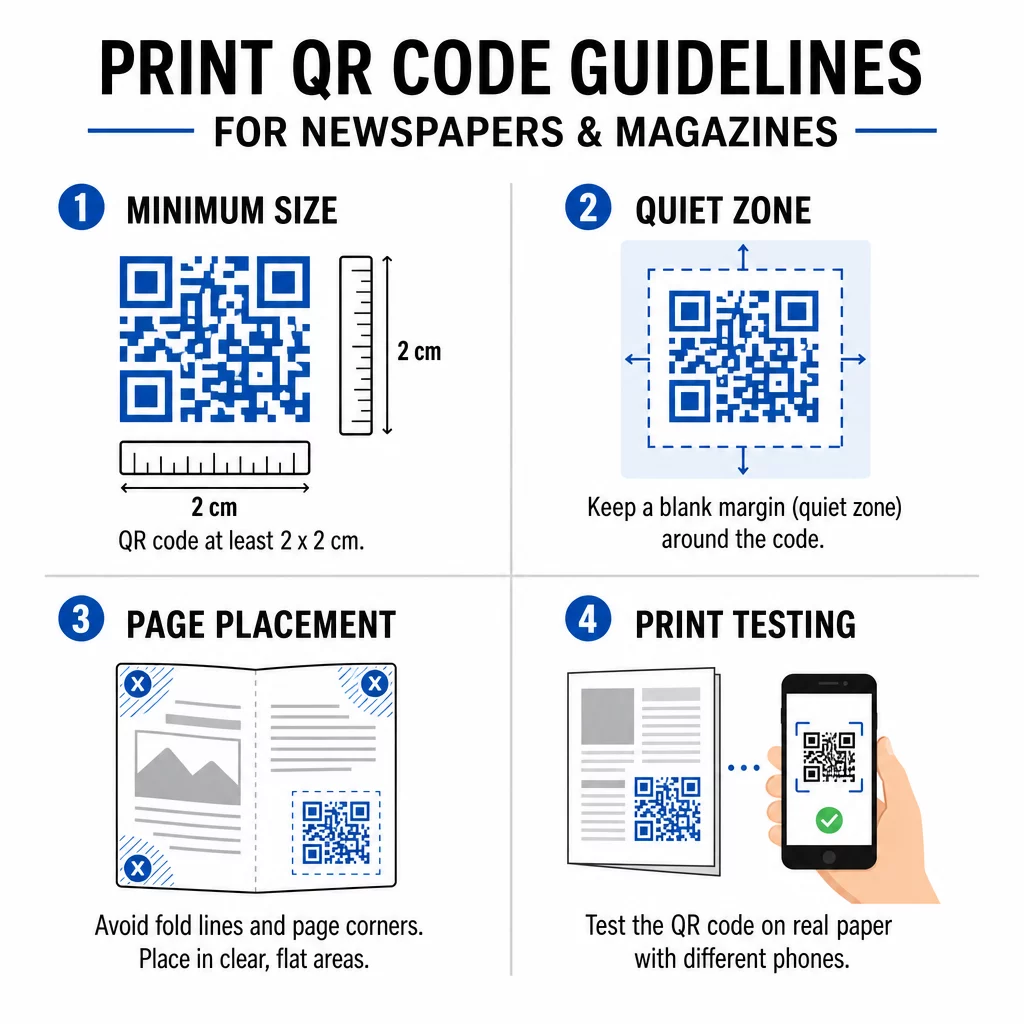
Kích thước tối thiểu
In mã tối thiểu 2 x 2 cm (khoảng 0.8 x 0.8 inch). Kích thước hoạt động cho hầu hết các quảng cáo tạp chí là 1.2 đến 1.6 inch (30 đến 40 mm). Các mã dày đặc, với URL dài, cần nhiều không gian hơn. Xem hướng dẫn kích thước mã QR cho các vật liệu in khác nhau để biết lời khuyên cụ thể theo định dạng.
Giấy báo so với giấy tạp chí bóng
Giấy báo có tính xốp và hút mực, nên các chi tiết nhỏ sẽ trông mềm mại và mã có thể in đậm hơn, mờ hơn so với trên màn hình. Hãy sử dụng mã lớn hơn (từ 3 cm trở lên), thiết kế hình vuông đơn giản, không logo ở giữa và màu đen tuyền trên nền trắng. Giấy tạp chí bóng in sắc nét hơn, nhưng độ chói có thể làm việc quét khó hơn. Yêu cầu một vùng mờ xung quanh mã nếu nhà xuất bản có thể thực hiện. Những kích thước này là điểm khởi đầu an toàn. Bản in thử của bạn sẽ quyết định kích thước cuối cùng.
Vùng yên tĩnh
Để lại một lề trống ít nhất bốn mô-đun ở tất cả các cạnh. Lề này giúp máy ảnh tìm thấy mã. Không để văn bản, ảnh hoặc đường viền đi vào vùng này.
Vị trí trên trang
Đặt mã ở phần giữa hoặc dưới của quảng cáo, nơi người đọc có thể cầm trang và hướng điện thoại. Các góc dễ bị bỏ sót. Giữ mã tránh xa gáy sách hoặc nếp gấp của tạp chí, vì nếp gấp sẽ làm biến dạng mã. Không đặt mã ở mép trang bị cắt. Xem thêm các phương pháp hay nhất để đặt mã QR trong tiếp thị.
Chất lượng in
Gửi cho máy in một tệp vectơ (SVG, PDF hoặc EPS) để mã luôn sắc nét ở mọi kích thước. Mã có độ phân giải thấp là lý do phổ biến nhất khiến mã in bị lỗi. Xem thêm cách các kỹ thuật in ảnh hưởng đến khả năng quét mã QR.
Luôn kiểm tra trước khi in
Quét bản in thử ở kích thước cuối cùng, trên giấy thực tế, bằng nhiều điện thoại, dưới ánh sáng ban ngày và ánh sáng phòng. Một mã có thể quét được trên màn hình của bạn có thể không quét được trên giấy. Xem thêm các phương pháp hay nhất để đọc mã QR để biết danh sách kiểm tra.
Không quét được? Kiểm tra các nguyên nhân này
- Quá nhỏ: dưới 2 cm, hoặc nhỏ hơn mức bản in thử cho phép. Hãy phóng to nó.
- Không có vùng yên tĩnh: văn bản hoặc hình ảnh chạm vào mã. Thêm lề trống.
- Độ tương phản thấp hoặc màu sắc đảo ngược: sử dụng mã tối màu trên nền sáng.
- Mã trên nếp gấp: di chuyển nó ra xa gáy sách.
- Mực bị lem trên giấy báo: phóng to mã và xóa logo.
- Mã dày đặc: rút ngắn URL, hoặc sử dụng mã động, có liên kết ngắn và ít mẫu dày đặc hơn.
- Liên kết chết: mã động trên gói đã hết hạn, hoặc trang đích đã bị xóa.
Cách theo dõi và đo lường chiến dịch QR in của bạn
Quảng cáo in ấn khó đo lường. Khi người đọc thấy một quảng cáo và sau đó gõ địa chỉ của bạn, bạn không biết liệu quảng cáo đó có phải là nguyên nhân của lượt truy cập hay không. Một mã được quét sẽ cho bạn biết điều đó.
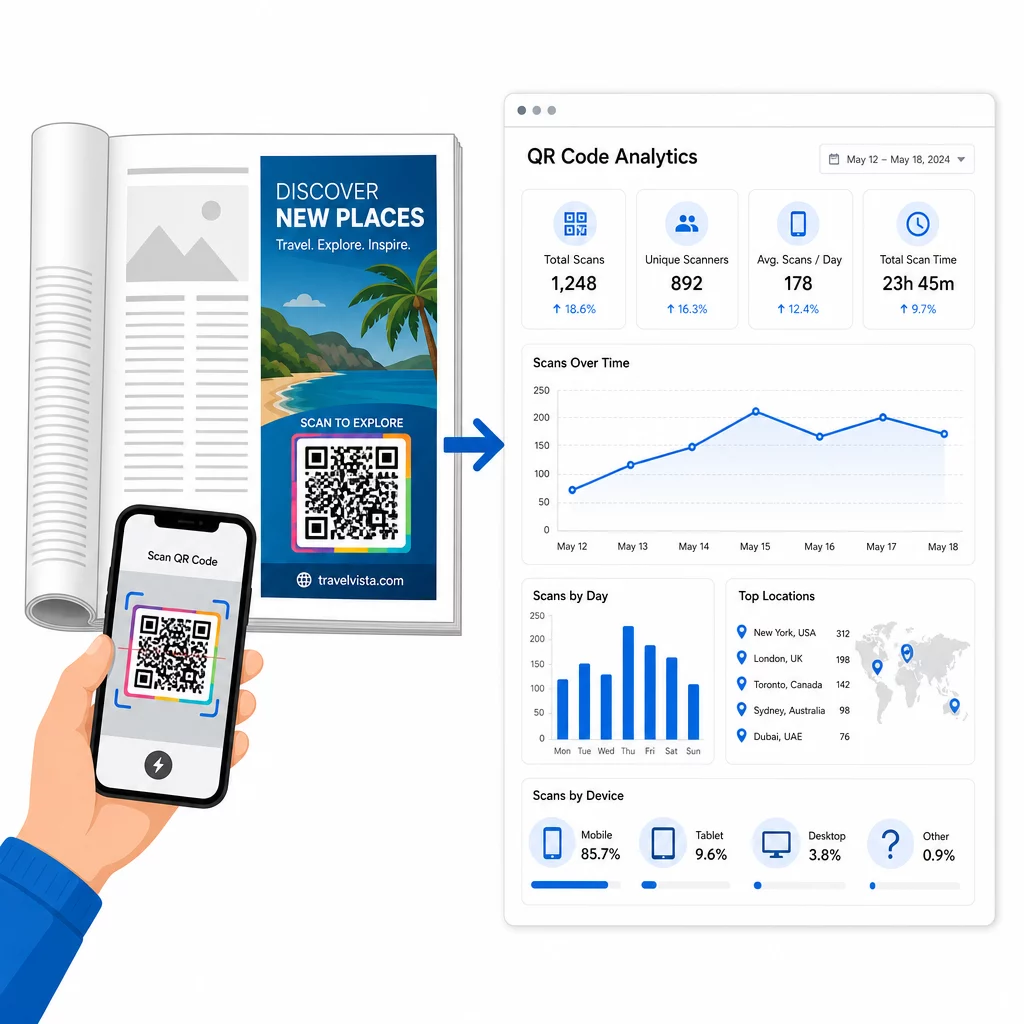
Với mã QR động bạn có thể thấy:
- Tổng số lượt quét và lượt quét duy nhất: số lần mã được sử dụng
- Ngày và giờ quét: số báo hoặc ngày nào có nhiều lượt quét nhất
- Vị trí: những khu vực nào đã phản hồi
- Loại thiết bị: iOS hoặc Android, giúp bạn kiểm tra trang di động
Tạo một mã cho mỗi ấn phẩm, số báo hoặc vị trí quảng cáo. Sau đó bạn có thể so sánh tiêu đề và vị trí. Mức độ chi tiết phụ thuộc vào gói của bạn. Tìm hiểu thêm về cách mã QR theo dõi mức độ tương tác của quảng cáo in và cách mã QR kết nối tiếp thị in ấn và kỹ thuật số.
Xem ai đang quét và khi nào Theo dõi lượt quét theo ngày, vị trí và thiết bị với Pageloot's Tạo mã QR động.
Tổng hợp tất cả lại
Mã QR trên báo hoặc tạp chí hoạt động hiệu quả khi người đọc nhận được thứ gì đó đáng để quét: một video, một ưu đãi hoặc thông tin không vừa với trang. Đặt mã đủ lớn, giữ lề trống, giải thích nó trong một dòng và kiểm tra nó trên giấy thật.
Sử dụng mã động nếu bạn muốn thay đổi đích đến hoặc xem kết quả. Sử dụng mã tĩnh cho một liên kết vĩnh viễn.
Để biết thêm về in ấn, hãy xem cách sử dụng mã QR trong phương tiện in ấn.
Câu hỏi thường gặp
In mã ít nhất 2 x 2 cm (khoảng 0.8 x 0.8 inch). Đối với hầu hết quảng cáo tạp chí, kích thước 3 đến 4 cm (1.2 đến 1.6 inch) sẽ an toàn hơn. Trên giấy báo, hãy in lớn hơn, vì mực sẽ lem trên giấy. Luôn kiểm tra bản in thử.
Sử dụng mã động nếu quảng cáo chạy trong thời gian dài, ưu đãi có thể thay đổi, hoặc bạn muốn có số liệu thống kê quét như ngày, vị trí và thiết bị. Bạn có thể chỉnh sửa đích đến sau khi in. Sử dụng mã tĩnh cho một liên kết vĩnh viễn mà bạn không bao giờ cần thay đổi. Mã tĩnh không hết hạn.
Đặt nó ở giữa hoặc phần dưới của quảng cáo. Tránh các góc, nếp gấp và gáy của một tạp chí. Giữ một lề trống ít nhất bốn mô-đun xung quanh nó và thêm một lời kêu gọi hành động ngắn gọn.
Có. Quảng cáo báo chí, rao vặt và bài viết đều có thể mang một mã QR. Hãy sử dụng kích thước lớn hơn, mực đậm trên nền sáng và không có logo, vì giấy báo sẽ hút mực và làm mềm các chi tiết nhỏ.
Sử dụng mã QR động. Nó hiển thị thời gian, địa điểm và thiết bị mà mọi người đã quét. Hãy cấp cho mỗi tạp chí, ấn phẩm hoặc quảng cáo một mã riêng để bạn có thể so sánh chúng. Mã động của Pageloot có bản dùng thử miễn phí 14 ngày.
Một trang thân thiện với thiết bị di động cung cấp đúng những gì lời kêu gọi hành động đã hứa hẹn, chẳng hạn như video, phiếu giảm giá hoặc trang sản phẩm. Không liên kết đến một trang chủ chung.
Các nguyên nhân thông thường là mã quá nhỏ, không có lề trống xung quanh, độ tương phản thấp, đặt ở nếp gấp hoặc hình ảnh có độ phân giải thấp. Hãy thử nghiệm một bản in thử trên giấy thật với nhiều điện thoại khác nhau.
Mã tĩnh không hết hạn. Mã động theo gói hàng tháng hoặc hàng năm sẽ trở nên không hoạt động sau khi gói kết thúc, vì vậy hãy duy trì gói hoạt động trong khi ấn phẩm đang lưu hành.