Làm thế nào để bạn thêm ngữ cảnh kỹ thuật số phong phú vào một tác phẩm nghệ thuật vật lý mà không làm lộn xộn tường phòng trưng bày hoặc phá vỡ sự mê hoặc của tác phẩm? Sự căng thẳng đó – giữa thông tin và sự đắm chìm – chính xác là điều mà mã QR trong các tác phẩm sắp đặt nghệ thuật được thiết kế để giải quyết. Hướng dẫn này bao gồm các ví dụ thực tế, nguyên tắc thiết kế và các bước thực hành cho các nhà giám tuyển và nghệ sĩ muốn xây dựng các lớp kỹ thuật số có thể quét được vào các triển lãm của họ.
Các Nghiên cứu Điển hình: Cách các Bảo tàng và Nghệ sĩ đang Sử dụng Mã QR
Tác phẩm Sắp đặt Nghệ thuật Mã QR Mehendi
Dự án tạm thời này đã kết hợp truyền thống nghệ thuật vẽ henna với tính thực tiễn của mã QR. Khách tham quan có thể quét các thiết kế dựa trên henna để hoàn tất các giao dịch kỹ thuật số hoặc quyên góp. Vì henna tự nhiên phai màu, tác phẩm sắp đặt đã trở thành một sự suy ngẫm về sự vô thường đồng thời chứng minh cách mã QR có thể kết nối các truyền thống văn hóa với các tương tác kỹ thuật số hiện đại.
Tích hợp Mã QR Không gian tại Bộ sưu tập Pinault
Tại Bộ sưu tập Pinault ở Rennes, Pháp, các nhà giám tuyển đã nhúng mã QR vào sàn bảo tàng và các không gian chuyển tiếp thay vì làm chật chội các bức tường phòng trưng bày bằng các bảng văn bản. Sử dụng nền tảng MySmartJourney, các mã này đã cung cấp nội dung được trò chơi hóa – các hướng dẫn nghệ thuật pop và các câu đố hình ảnh – trong những khoảnh khắc lẽ ra sẽ nhàn rỗi, chẳng hạn như thời gian xếp hàng. Kết quả là tăng cường sự tương tác mà không làm gián đoạn dòng chảy thị giác của phòng trưng bày, một mô hình đáng để nghiên cứu cho bất kỳ tổ chức nào cân bằng giữa việc cung cấp thông tin với tính toàn vẹn về mặt thẩm mỹ.
Trải nghiệm Khách tham quan Mở rộng của Bảo tàng Erarta
Bảo tàng Erarta đã sử dụng mã QR để mở rộng chuyến thăm vượt ra ngoài chính phòng trưng bày. Các mã được đặt gần các tác phẩm nghệ thuật cho phép khách khám phá thông tin chi tiết về triển lãm, tìm hiểu về các nghệ sĩ và mua các bản sao chất lượng cao. Thay vì buộc mọi khách tham quan phải trải qua cùng một trải nghiệm tuyến tính, cách tiếp cận này đã mang lại cho mọi người sự tự do để đi sâu tùy theo sự tò mò của họ – một tương tác cá nhân hóa hơn bất kỳ nhãn dán tường cố định nào có thể cung cấp.
Mã QR Lấy cảm hứng từ Bauhaus của Tập thể Nghệ sĩ Elkoy
Bằng cách kết hợp các hình dạng hình học, màu sắc đậm và thiết kế tối giản, họ đã biến các mã đen trắng tiêu chuẩn thành các yếu tố bố cục. Mỗi mã liên kết đến các bài luận giải thích mối quan hệ giữa các phong trào thiết kế lịch sử và công nghệ hiện đại. Tác phẩm của họ là một minh chứng rõ ràng rằng mã QR có thể là một phần của tác phẩm nghệ thuật chứ không phải là một chú thích trên đó.
Bài học về việc Áp dụng Sớm của Bảo tàng Brooklyn
Bảo tàng Brooklyn là một trong những đơn vị sớm áp dụng mã QR, nhưng những nỗ lực ban đầu của họ đã gặp phải trở ngại thực sự – khách tham quan cần các ứng dụng của bên thứ ba để quét, điều mà hầu hết mọi người không có. Sự tương tác chỉ tăng vọt sau khi Apple và Android tích hợp trình đọc QR trực tiếp vào camera điện thoại thông minh. Bài học thực tế là: ngay cả một ý tưởng được hình thành tốt cũng có thể thất bại nếu không có cơ sở hạ tầng phù hợp. Thời điểm và khả năng tiếp cận kỹ thuật quan trọng không kém gì tầm nhìn sáng tạo.
Lợi ích của Mã QR trong các Tác phẩm Sắp đặt Nghệ thuật
Tăng cường Sự Tương tác của Khách tham quan
Mã QR chuyển đổi khách tham quan từ những người quan sát thụ động thành những người tham gia tích cực. Thay vì tiếp thu những gì vừa vặn trên một nhãn dán tường, khách tham quan có thể quét và truy cập các cuộc phỏng vấn nghệ sĩ, video hậu trường, hướng dẫn âm thanh hoặc lớp phủ thực tế tăng cường làm sống động một tác phẩm tĩnh. Các bảo tàng cũng có thể sử dụng mã để kích hoạt các cuộc săn tìm kho báu kỹ thuật số hoặc các câu đố, đặc biệt hiệu quả cho các gia đình và khán giả nhỏ tuổi.
Mã QR cho bảo tàng cũng mở ra những cải tiến đáng kể về khả năng tiếp cận. Hướng dẫn âm thanh đa ngôn ngữ, phụ đề chi tiết và video phát lại nhiều lần cho khách tham quan có khuyết tật học tập đều trở nên khả thi chỉ với một lần quét trên thiết bị của chính khách tham quan. Nghiên cứu xác nhận rằng khách tham quan có khuyết tật học tập đặc biệt coi trọng khả năng xem hoặc nghe nội dung nhiều lần theo tốc độ của riêng họ.
Một lưu ý thực tế: không phải mọi khách tham quan đều mang theo điện thoại thông minh – các nhóm học sinh là một ví dụ thường được trích dẫn. Mã QR nên được coi là một lớp tăng cường, không phải là con đường duy nhất để tiếp cận thông tin. Luôn cung cấp một cách thay thế để truy cập cùng một nội dung, cho dù đó là một URL gần đó, một tài liệu in sẵn hoặc một tùy chọn có sự hỗ trợ của nhân viên.
Thêm Lớp Kỹ Thuật Số vào Triển Lãm Tiếp Theo của Bạn Các Tạo mã QR động cho phép bạn cập nhật nội dung được liên kết bất cứ lúc nào – không cần in lại – để mã của bạn luôn cập nhật trong suốt thời gian diễn ra một tác phẩm sắp đặt.
Tính Linh Hoạt trong Thiết Kế và Tích Hợp Nghệ Thuật
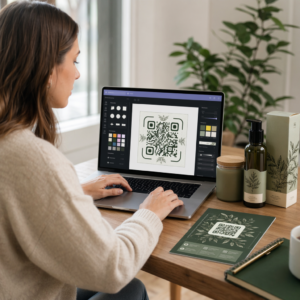
Mã QR không còn phải trông giống mã QR theo nghĩa truyền thống. Màu sắc, hình dạng, logo nhúng và các mẫu tùy chỉnh đều có thể được áp dụng trong khi vẫn giữ được khả năng quét, miễn là độ tương phản và vùng yên tĩnh được tôn trọng (thêm về điều đó bên dưới). Các mã lấy cảm hứng từ Bauhaus của Elkoy Collective và các mã nhúng sàn của Pinault Collection đều cho thấy rằng việc đặt vị trí và thiết kế hình ảnh chu đáo có thể làm cho một mã cảm thấy tự nhiên với một tác phẩm sắp đặt hơn là được ghép vào đó.
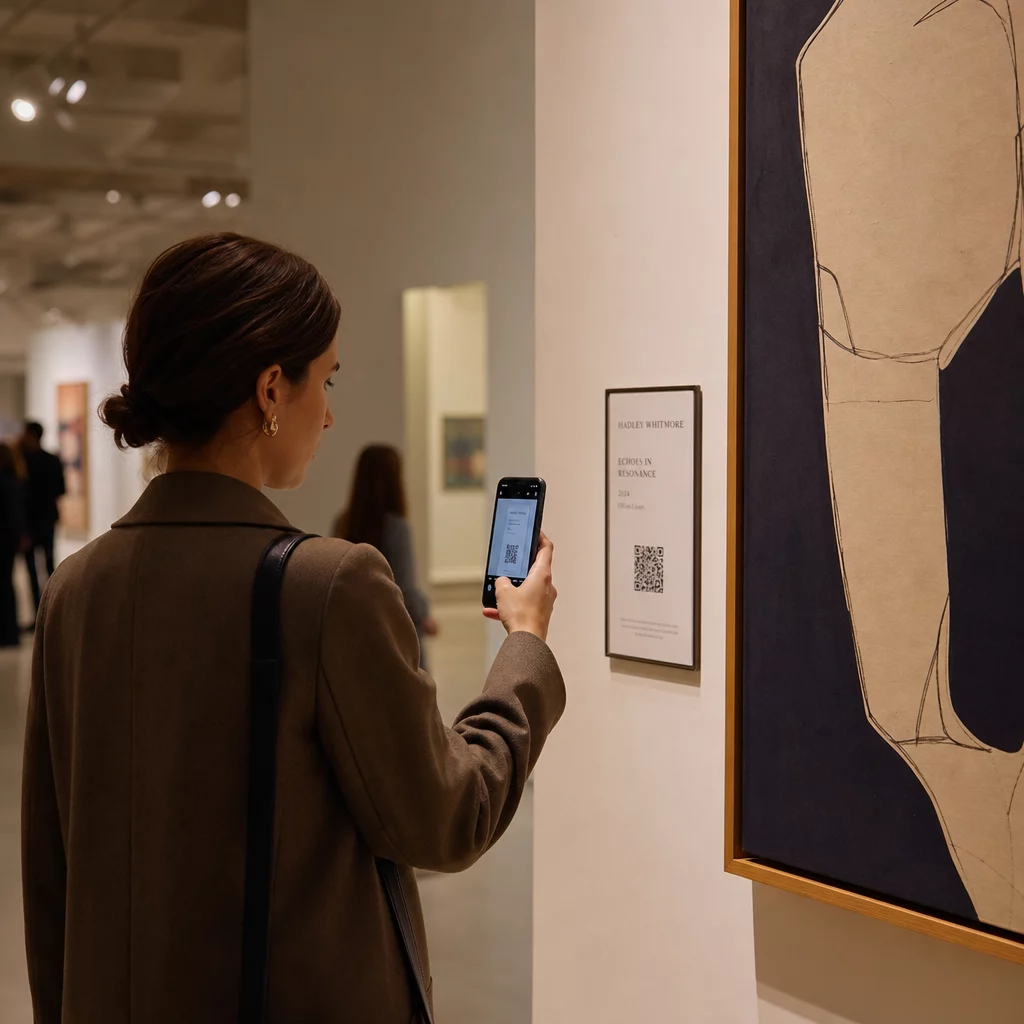
Một nguyên tắc hướng dẫn hữu ích từ thực tiễn giám tuyển: “Mã QR nên được thiết kế để kín đáo và trang nhã, bổ sung cho triển lãm hơn là làm xao nhãng khỏi nó.” Tiêu chuẩn đó áp dụng cho dù mã xuất hiện trên một nhãn nhỏ bên cạnh một bức tranh hay được tích hợp trực tiếp vào bề mặt của một tác phẩm điêu khắc.
Phân Tích và Thông Tin Chi Tiết Về Khách Tham Quan Theo Thời Gian Thực
Một trong những lập luận thực tế nhất cho mã QR trong các triển lãm là dữ liệu mà chúng tạo ra. Mỗi lần quét là một tín hiệu: tác phẩm nào đang thu hút sự quan tâm bền vững, khi nào sự tương tác cao điểm xảy ra, khu vực phòng trưng bày nào khách tham quan nán lại, và định dạng nội dung nào – video, âm thanh, văn bản – đang được tiêu thụ nhiều nhất.
| Điểm dữ liệu | Thông Tin Chi Tiết Được Cung Cấp |
|---|---|
| TỔNG LƯỢT QUÉT | Đo lường sự quan tâm tổng thể đến một tác phẩm hoặc khu vực cụ thể |
| Lượt quét duy nhất | Theo dõi sự tương tác của từng khách tham quan |
| Thời Gian Quét | Xác định giờ cao điểm và mô hình luồng khách tham quan |
| Hệ điều hành | Cung cấp thông tin chuyên sâu về kỹ thuật để tối ưu hóa cho thiết bị di động |
| Vị trí quét | Đánh giá hiệu quả của việc đặt mã QR |
Mã QR động giúp dữ liệu này trở nên dễ hành động hơn nữa. Bởi vì URL đích có thể được thay đổi mà không cần in lại mã vật lý, người quản lý có thể phản hồi dữ liệu quét theo thời gian thực – thay thế một video không gây được tiếng vang bằng một video khác, hoặc thêm nội dung hỗ trợ tiếp cận giữa chừng dựa trên phản hồi của khách tham quan. Để có cái nhìn đầy đủ hơn về cách Mã QR AR biến đổi cách kể chuyện của bảo tàng, các lớp thực tế tăng cường có thể được thêm hoặc cập nhật theo cùng một cách.
Nên liên kết gì: Nội dung tạo thêm giá trị
Nội dung đằng sau mã quan trọng không kém gì bản thân mã. Các bảo tàng và nghệ sĩ đã nhận thấy các loại nội dung sau đây luôn hữu ích:
- Tuyên bố và phỏng vấn của nghệ sĩ – nghe một nghệ sĩ mô tả quá trình của họ bằng lời của chính họ tạo ra một kết nối mà không văn bản tường nào có thể tái tạo; một Mã QR YouTube xử lý điều này một cách gọn gàng
- Hướng dẫn âm thanh – mô tả được tường thuật hoặc cảnh quan âm thanh được liên kết qua một mã QR MP3 hoạt động đặc biệt tốt cho các tác phẩm mà trải nghiệm thị giác nên được giữ nguyên không bị xáo trộn
- Nội dung danh mục mở rộng – nguồn gốc chi tiết, các bài tiểu luận học thuật hoặc danh mục triển lãm được cung cấp dưới dạng một Mã QR PDF
- Thư viện hình ảnh – xử lý ảnh, phối cảnh lắp đặt, hoặc các tác phẩm so sánh có thể truy cập thông qua một mã QR thư viện hình ảnh
- Chuyến tham quan ảo – đối với khách tham quan muốn khám phá các tác phẩm liên quan hoặc các tổ chức chị em, một mã QR liên kết đến một chuyến tham quan ảo mở rộng trải nghiệm ra ngoài không gian vật lý
- Phiếu phản hồi của khách tham quan – đặt tại các điểm thoát hiểm hoặc gần các tác phẩm chính để thu thập phản hồi định tính
Giữ cho điểm đến được liên kết đơn giản. Các URL ngắn hơn được mã hóa thành các mẫu ít dày đặc hơn, giúp quét nhanh hơn và đáng tin cậy hơn. Mã QR động giải quyết vấn đề này một cách có hệ thống bằng cách chỉ mã hóa một liên kết chuyển hướng ngắn bất kể điểm đến trở nên phức tạp đến mức nào.
Thiết kế và Vị trí: Làm cho Mã có thể Quét được và Không Gây Chú Ý
Việc thực hiện đúng về mặt hình ảnh và vật lý là nơi nhiều cài đặt gặp khó khăn. Các nguyên tắc dưới đây được rút ra từ hướng dẫn về khả năng tiếp cận và nghiên cứu về khả năng đọc mã QR.
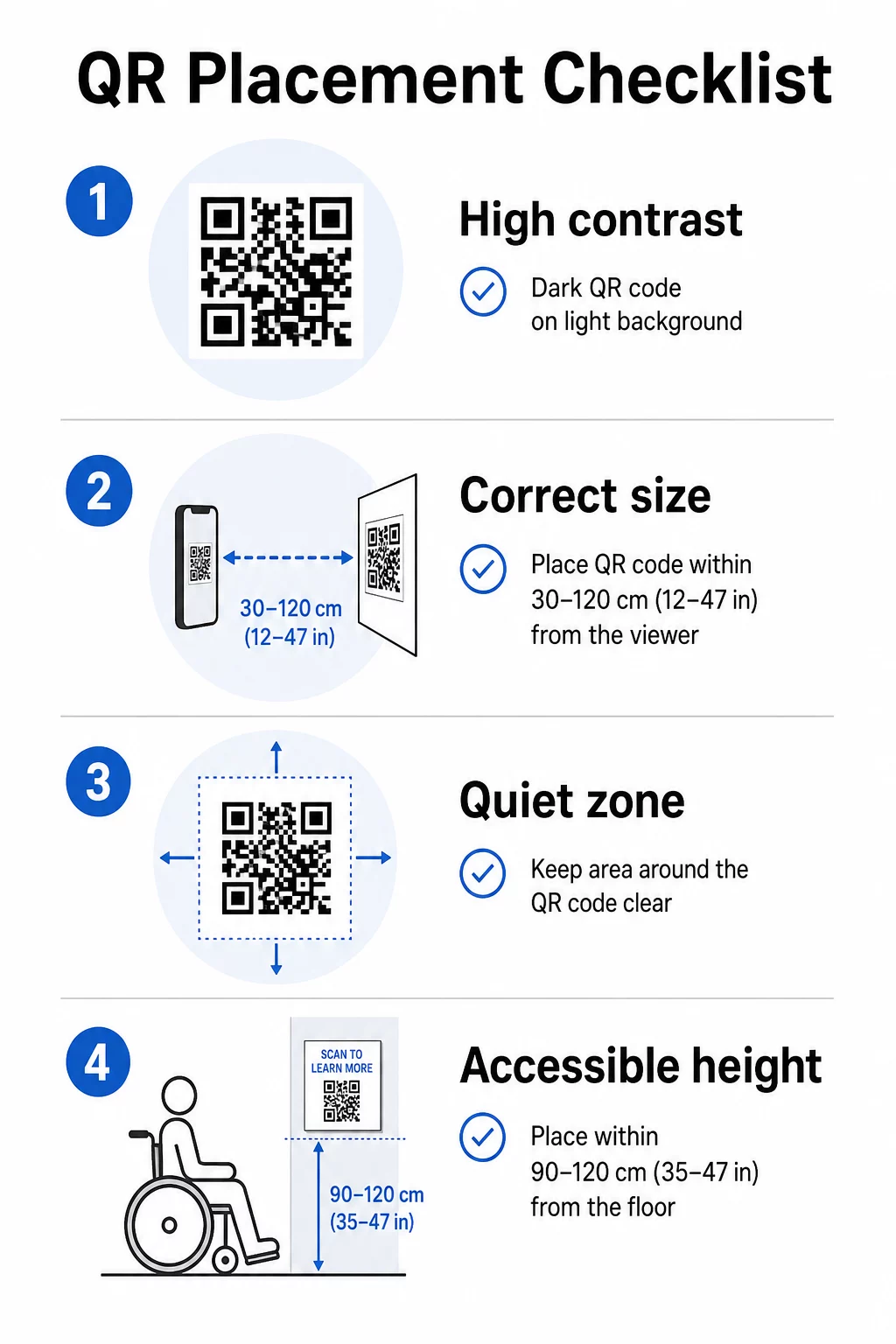
Độ tương phản và màu sắc
Phần tiền cảnh của mã phải tối và nền phải sáng – không được ngược lại. Các mã đảo ngược (mẫu sáng trên nền tối) không hoạt động trên một phần đáng kể camera điện thoại thông minh. Đối với các mã có màu tùy chỉnh, hãy nhắm đến tỷ lệ tương phản ít nhất 3:1 giữa các mô-đun mã và bề mặt nền. Một phân tích chi tiết về các quy tắc tương phản có sẵn trong hướng dẫn thực hành tốt nhất về độ tương phản màu sắc của mã QR.
Các dải màu và bóng đổ tạo ra các tông màu trung gian gây nhầm lẫn cho máy quét. Nếu bạn muốn một mã được cách điệu phù hợp với bảng màu của cài đặt, hãy sử dụng màu sắc đồng nhất và kiểm tra kỹ lưỡng.
Kích Thước và Khoảng Cách Quét
Một quy tắc đáng tin cậy: mã phải có kích thước xấp xỉ một phần mười khoảng cách quét dự kiến. Một mã được thiết kế để quét từ khoảng cách một sải tay (khoảng 10 inch) cần có kích thước ít nhất 1 inch vuông. Đối với biển báo lắp đặt được xem từ xa hơn, hãy điều chỉnh tỷ lệ tương ứng. Kích thước tối thiểu tuyệt đối để quét tầm gần là 2 × 2 cm (khoảng 0,8 × 0,8 inch). Chi tiết hơn về kích thước có sẵn trong Hướng dẫn đặt mã QR.
Vùng yên tĩnh
Mỗi mã QR yêu cầu một lề rõ ràng – được gọi là vùng yên tĩnh – ít nhất bốn mô-đun ở tất cả các cạnh. Không có văn bản, hoa văn hoặc yếu tố trang trí nào được xâm phạm vào không gian này. Nếu bạn đang nhúng mã vào một bề mặt có hoa văn hoặc cạnh của một tác phẩm nghệ thuật, đây là hạn chế có nhiều khả năng gây ra lỗi quét nhất.
Khả năng tiếp cận vật lý
Chiều cao và vị trí xác định ai thực sự có thể sử dụng mã. Vị trí đặt phải có thể tiếp cận được đối với khách tham quan sử dụng xe lăn hoặc những người có chiều cao hạn chế – khoảng 2,5 đến 4 feet so với sàn nhà để dễ dàng tiếp cận. Tránh đặt mã trên các bề mặt cong, kính phản chiếu hoặc vật liệu tạo ra ánh sáng chói dưới ánh sáng phòng trưng bày.
Bản sao nhãn
Một nhãn dán gần mã nên giải thích rõ ràng những gì khách truy cập sẽ tìm thấy sau khi quét và cách quét. Không phải mọi khách truy cập đều quen thuộc với quy trình này, và ngay cả những người quét có kinh nghiệm cũng được lợi khi biết liệu họ sắp xem một video dài ba phút hay một bài luận trong danh mục dài 12 trang. Ngôn ngữ đơn giản, câu ngắn gọn và cỡ chữ phù hợp đều góp phần vào khả năng sử dụng. Giữ nhãn súc tích – khách truy cập thường lướt qua, và thông tin cần thiết nhất nên xuất hiện đầu tiên.
Giữ nội dung triển lãm luôn cập nhật mà không cần in lại Các phòng trưng bày nghệ thuật có thể sử dụng Tạo mã QR động để cập nhật tiểu sử nghệ sĩ, thay đổi hướng dẫn âm thanh hoặc thêm nội dung mới ngay cả sau khi triển lãm mở cửa – mà không cần chạm vào biển báo vật lý.
Kiểm tra trước khi cài đặt
In mã ở kích thước cuối cùng và quét nó bằng ít nhất hai thiết bị – một chiếc iPhone và một chiếc điện thoại Android – dưới điều kiện ánh sáng mà cài đặt sẽ thực sự sử dụng. Ánh sáng phòng trưng bày thường ấm và có hướng, điều này có thể ảnh hưởng đến độ tương phản khác với ánh sáng văn phòng tiêu chuẩn. Lớp hoàn thiện mờ giảm chói và nhìn chung hoạt động tốt hơn bề mặt bóng để quét đáng tin cậy. Hướng dẫn kiểm tra thêm có trong thực hành tốt nhất về khả năng đọc mã QR.
Sử dụng mã QR động cho các triển lãm đang phát triển
Mã QR tĩnh mã hóa một đích đến cố định. Sau khi in, cách duy nhất để thay đổi nơi nó trỏ đến là in lại. Mã QR động hoạt động khác: bản thân mã trỏ đến một đường dẫn chuyển hướng ngắn, và bạn có thể thay đổi đích đến chuyển hướng bất cứ lúc nào từ một bảng điều khiển.
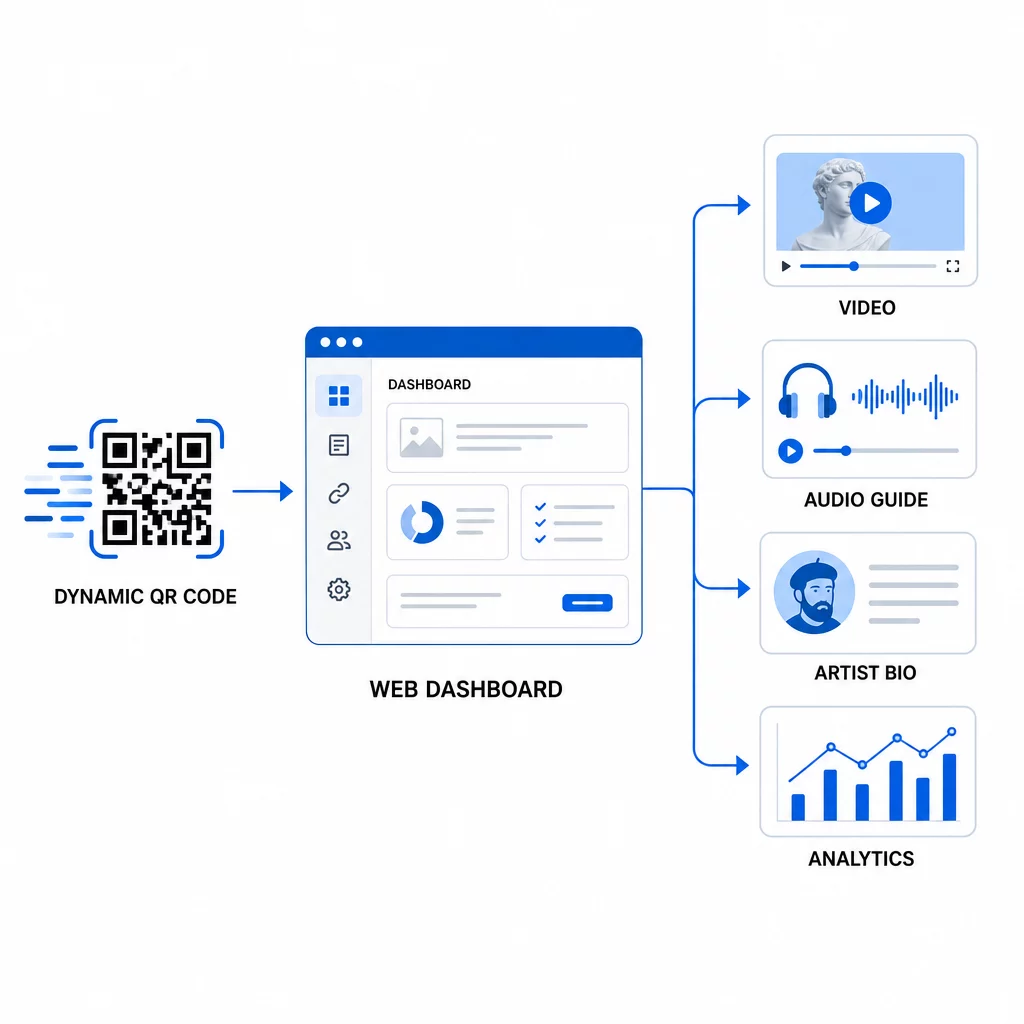
Đối với các tác phẩm sắp đặt nghệ thuật, sự khác biệt này rất quan trọng:
- Một triển lãm kéo dài vài tháng có thể thay đổi nội dung liên kết khi chương trình phát triển – thêm bình luận mới của nghệ sĩ, thay thế video giới thiệu bằng một bộ phim tài liệu đầy đủ, hoặc cập nhật chi tiết nguồn gốc khi nghiên cứu phát triển
- Các tác phẩm sắp đặt tạm thời có thể tái sử dụng cùng một mã vật lý cho nhiều sự kiện bằng cách đơn giản cập nhật đích đến
- Phân tích vẫn được gắn với cùng một mã, cung cấp hồ sơ hiệu suất liên tục thay vì dữ liệu phân mảnh qua các lần in lại
Viện Smithsonian đã sử dụng phương pháp này để quản lý quyền truy cập vào các bộ sưu tập kỹ thuật số lớn một cách hiệu quả, giảm cả chi phí và chất thải môi trường từ các tài liệu in lại. Đối với các giám tuyển quản lý các triển lãm đa địa điểm hoặc lưu động, khả năng thiết lập một chuyến tham quan nghệ thuật ảo bằng mã QR và cập nhật nó một cách tập trung là một lợi thế hoạt động đáng kể.
Câu hỏi thường gặp
Thiết kế mã bằng cách sử dụng màu sắc lấy từ bảng màu của tác phẩm nghệ thuật, nhưng duy trì nền tối trên nền sáng và nhắm đến tỷ lệ tương phản ít nhất 3:1. Giữ vùng yên tĩnh (quiet zone) rõ ràng ở tất cả các cạnh và kiểm tra phiên bản in với nhiều thiết bị trước khi cài đặt. Các mức độ sửa lỗi cao hơn (Q hoặc H) cho phép tùy chỉnh hình ảnh nhiều hơn – bao gồm cả logo nhúng – đồng thời duy trì độ tin cậy khi quét.
Các loại nội dung hiệu quả nhất là phỏng vấn nghệ sĩ hoặc tuyên bố bằng video, hướng dẫn âm thanh, các bài luận danh mục mở rộng hoặc tài liệu xuất xứ, hình ảnh quá trình và các biểu mẫu phản hồi của khách truy cập. Hãy khớp định dạng với đối tượng và tác phẩm: video phù hợp với các tác phẩm nặng về quy trình hoặc dựa trên trình diễn, trong khi âm thanh hoạt động tốt bên cạnh các tác phẩm mà trải nghiệm thị giác không nên bị gián đoạn.
Mã QR động với phân tích tích hợp ghi lại dữ liệu tổng hợp – tổng số lượt quét, lượt quét duy nhất, thời gian quét, loại thiết bị và vị trí địa lý – mà không thu thập thông tin cá nhân từ từng khách truy cập. Các nền tảng như trình tạo mã QR động của Pageloot cung cấp dữ liệu này trong chế độ xem bảng điều khiển, mang lại cho người quản lý những hiểu biết có giá trị trong khi vẫn tôn trọng quyền riêng tư của khách truy cập.