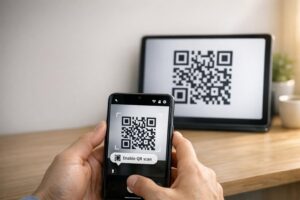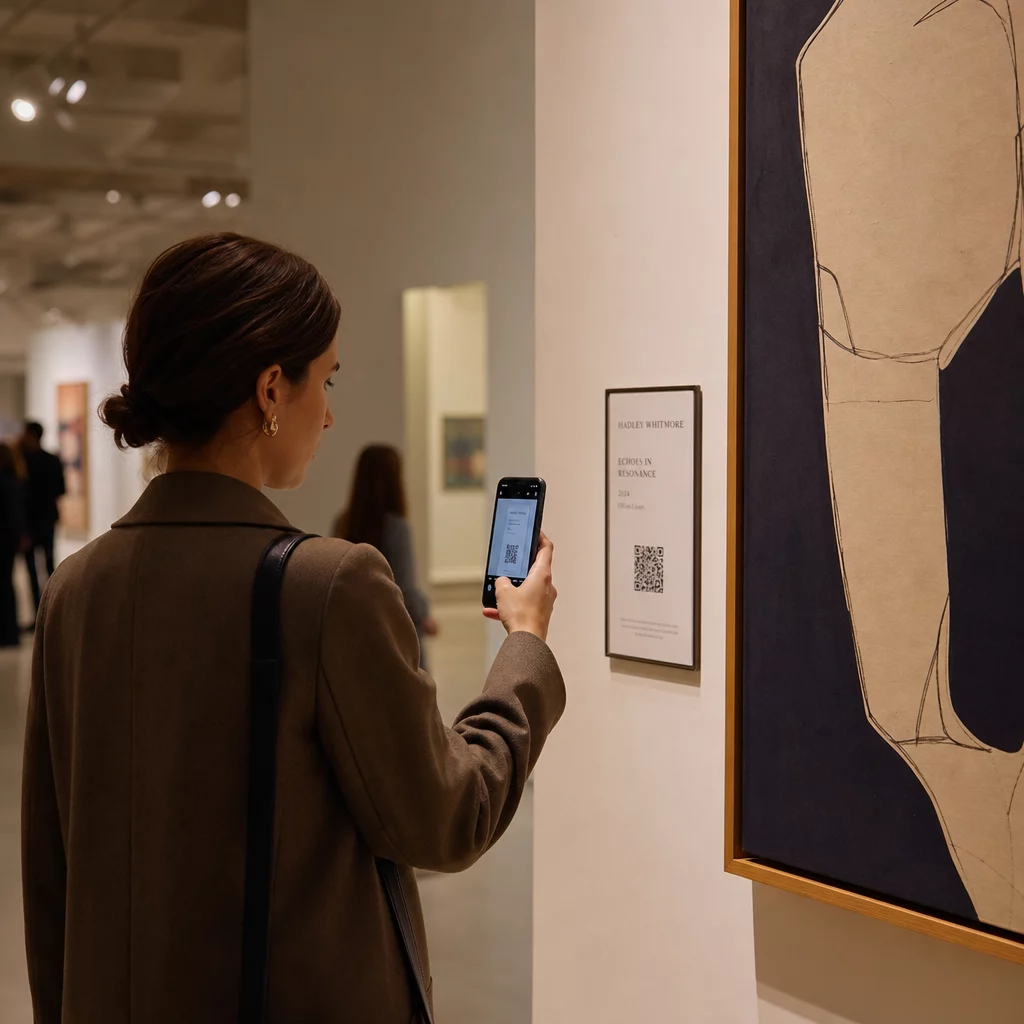
Come si aggiunge un ricco contesto digitale a un'opera d'arte fisica senza ingombrare la parete della galleria o rompere l'incantesimo del pezzo? Questa tensione – tra informazione e immersione – è esattamente ciò che i codici QR nelle installazioni artistiche sono progettati per risolvere. Questa guida copre esempi reali, principi di design e passaggi pratici per curatori e artisti che desiderano integrare strati digitali scansionabili nelle loro mostre.
Casi di Studio: Come Musei e Artisti Stanno Usando i Codici QR
Installazione Artistica con Codici QR Mehendi
Questo progetto temporaneo ha fuso la tradizione dell'arte dell'henné con la praticità dei codici QR. I visitatori potevano scansionare i disegni a base di henné per completare transazioni digitali o fare donazioni. Poiché l'henné svanisce naturalmente, l'installazione è diventata una meditazione sull'impermanenza, dimostrando al contempo come i codici QR possano collegare le tradizioni culturali alle moderne interazioni digitali.
Integrazione Spaziale di Codici QR alla Collezione Pinault
Alla Collezione Pinault a Rennes, in Francia, i curatori hanno incorporato codici QR nei pavimenti del museo e negli spazi di transizione anziché affollare le pareti della galleria con pannelli di testo. Utilizzando la piattaforma MySmartJourney, i codici fornivano contenuti gamificati – tutorial di pop-art e puzzle visivi – durante momenti che altrimenti sarebbero stati inattivi, come i tempi di attesa. Il risultato è stato un maggiore coinvolgimento senza interrompere il flusso visivo della galleria, un modello degno di studio per qualsiasi istituzione che bilancia la trasmissione di informazioni con l'integrità estetica.
L'Esperienza Estesa del Visitatore del Museo Erarta
Il Museo Erarta ha utilizzato i codici QR per estendere la visita oltre la galleria stessa. I codici posizionati vicino alle opere d'arte permettevano ai visitatori di esplorare informazioni dettagliate sulla mostra, conoscere gli artisti e acquistare riproduzioni di alta qualità. Invece di costringere ogni visitatore attraverso la stessa esperienza lineare, questo approccio ha dato alle persone la libertà di approfondire quanto la loro curiosità li avrebbe portati – un'interazione più personalizzata di quanto qualsiasi etichetta a parete fissa possa offrire.
Codici QR Ispirati al Bauhaus del Collettivo Artistico Elkoy
Il Collettivo Artistico Elkoy ha reinventato i codici QR attraverso la lente dei principi del Bauhaus. Incorporando forme geometriche, colori audaci e design minimalista, hanno trasformato i codici standard in bianco e nero in elementi compositivi. Ogni codice si collegava a saggi che spiegavano la relazione tra i movimenti di design storici e la tecnologia moderna. Il loro lavoro è una chiara dimostrazione che un codice QR può essere parte dell'opera d'arte piuttosto che un'annotazione su di essa.
Lezioni dall'Adozione Precoce del Brooklyn Museum
Il Brooklyn Museum è stato uno dei primi ad adottare i codici QR, ma i loro sforzi iniziali hanno incontrato una vera frizione – i visitatori avevano bisogno di app di terze parti per scansionare, che la maggior parte delle persone non aveva. Il coinvolgimento è aumentato solo dopo che Apple e Android hanno integrato i lettori QR direttamente nelle fotocamere degli smartphone. La lezione è pratica: anche un'idea ben concepita può fallire senza la giusta infrastruttura. Il tempismo e l'accessibilità tecnica contano tanto quanto la visione creativa.
Vantaggi dei Codici QR nelle Installazioni Artistiche
Maggiore Coinvolgimento dei Visitatori
I codici QR trasformano i visitatori da osservatori passivi a partecipanti attivi. Invece di assorbire ciò che sta su un'etichetta a parete, un visitatore può scansionare e accedere a interviste con artisti, video dietro le quinte, audioguide o sovrapposizioni di realtà aumentata che animano un'opera statica. I musei possono anche usare i codici per attivare cacce al tesoro digitali o quiz, particolarmente efficaci per famiglie e pubblico più giovane.
Codici QR per i musei anche aprono significative migliorie all'accessibilità. Audioguide multilingue, sottotitoli e video con riproduzione ripetuta per visitatori con difficoltà di apprendimento diventano tutti possibili tramite una singola scansione sul dispositivo del visitatore. La ricerca conferma che i visitatori con difficoltà di apprendimento apprezzano particolarmente la possibilità di guardare o ascoltare i contenuti più volte al proprio ritmo.
Un avvertimento pratico: non tutti i visitatori portano uno smartphone – i gruppi scolastici sono un esempio frequentemente citato. I codici QR dovrebbero essere trattati come uno strato di miglioramento, non l'unica via per l'informazione. Fornire sempre un modo alternativo per accedere allo stesso contenuto, che sia un URL nelle vicinanze, un volantino stampato o un'opzione assistita dal personale.
Aggiungi uno Strato Digitale alla Tua Prossima Mostra Il sito Generatore di QR code dinamici ti permette di aggiornare i contenuti collegati in qualsiasi momento – nessuna ristampa richiesta – così i tuoi codici rimangono attuali per tutta la durata di un'installazione.
Flessibilità di Design e Integrazione Artistica
I codici QR non devono più assomigliare a codici QR nel senso tradizionale. Colori, forme, loghi incorporati e modelli personalizzati possono essere tutti applicati preservando la scansionabilità, a condizione che il contrasto e le zone silenziose siano rispettati (maggiori informazioni di seguito). I codici ispirati al Bauhaus dell'Elkoy Collective e i codici incorporati nel pavimento della Collezione Pinault mostrano entrambi che un posizionamento attento e un design visivo possono far sì che un codice si senta nativo di un'installazione piuttosto che innestato su di essa.
Un utile principio guida dalla pratica curatoriale: “Il codice QR dovrebbe essere progettato per essere discreto ed elegante, completando l'esposizione piuttosto che distrarre da essa.” Questo standard si applica sia che il codice appaia su una piccola etichetta accanto a un dipinto o sia integrato direttamente nella superficie di un'opera scultorea.
Analisi e Approfondimenti sui Visitatori in Tempo Reale
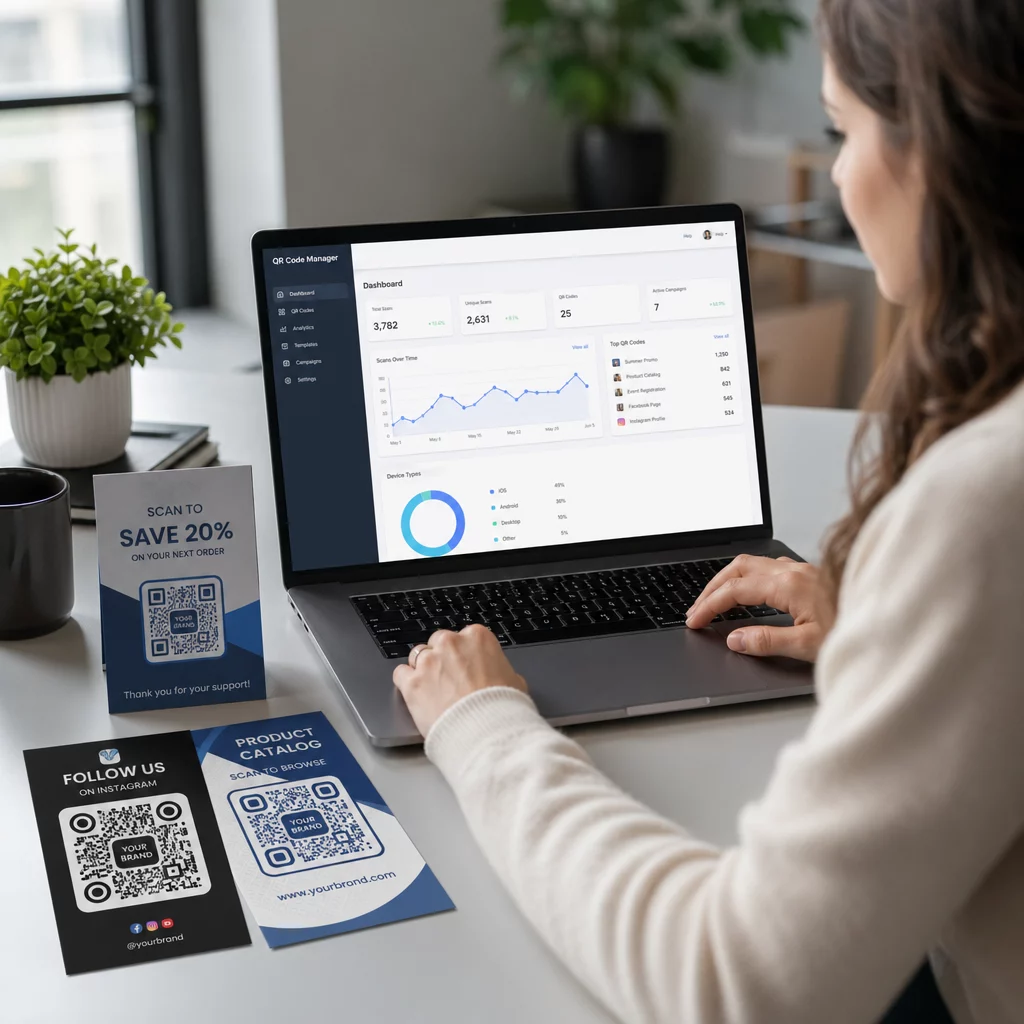
Uno degli argomenti più pratici a favore dei codici QR nelle mostre sono i dati che generano. Ogni scansione è un segnale: quali opere stanno attirando un interesse sostenuto, quando si verifica il picco di coinvolgimento, in quali zone della galleria i visitatori si soffermano e quali formati di contenuto – video, audio, testo – vengono consumati di più.
| Punto Dati | Approfondimento Fornito |
|---|---|
| SCANSIONI TOTALI | Misura l'interesse generale per un pezzo o una zona specifica |
| Scansioni Uniche | Traccia il coinvolgimento individuale dei visitatori |
| Tempo di Scansione | Identifica le ore di punta e i modelli di flusso dei visitatori |
| Sistema operativo | Offre approfondimenti tecnici per l'ottimizzazione mobile |
| Posizione Scansione | Valuta l'efficacia del posizionamento dei codici QR |
I codici QR dinamici rendono questi dati ancora più utilizzabili. Poiché l'URL di destinazione può essere modificato senza ristampare il codice fisico, un curatore può rispondere ai dati di scansione in tempo reale – sostituendo un video che non risuona con uno che lo fa, o aggiungendo contenuti di accessibilità a metà percorso basandosi sul feedback dei visitatori. Per un quadro più completo di come I codici QR AR trasformano la narrazione museale, gli strati di realtà aumentata possono essere aggiunti o aggiornati allo stesso modo.
Cosa collegare: Contenuti che aggiungono valore
Il contenuto dietro il codice è importante quanto il codice stesso. Musei e artisti hanno trovato i seguenti tipi di contenuto costantemente utili:
- Dichiarazioni e interviste d'artista – ascoltare un artista descrivere il proprio processo con le proprie parole crea una connessione che nessun testo a parete può replicare; un Codice QR di YouTube gestisce questo in modo pulito
- Audioguide – descrizioni narrate o paesaggi sonori collegati tramite un codice QR MP3 funzionano particolarmente bene per opere in cui l'esperienza visiva dovrebbe rimanere indisturbata
- Contenuti estesi del catalogo – provenienza dettagliata, saggi accademici o cataloghi di mostre forniti come un Codice PDF QR
- Gallerie di immagini – elaborare fotografie, viste dell'installazione o opere comparative accessibili tramite una galleria di immagini con codice QR
- Tour virtuali – per i visitatori che desiderano esplorare opere correlate o istituzioni affini, un codice QR che rimanda a un tour virtuale estende l'esperienza oltre lo spazio fisico
- Moduli di feedback per i visitatori – posizionati ai punti di uscita o vicino alle opere principali per raccogliere risposte qualitative
Mantieni semplice la destinazione del link. Gli URL più brevi si codificano come modelli meno densi, che scansionano più velocemente e in modo più affidabile. I codici QR dinamici risolvono questo problema sistematicamente codificando solo un breve link di reindirizzamento, indipendentemente da quanto complessa diventi la destinazione.
Design e Posizionamento: Rendere i Codici Scansionabili e Non Intrusivi
Realizzare correttamente l'esecuzione visiva e fisica è dove molte installazioni inciampano. I principi seguenti sono tratti dalle linee guida sull'accessibilità e dalla ricerca sulla leggibilità dei codici QR.
Contrasto e colore
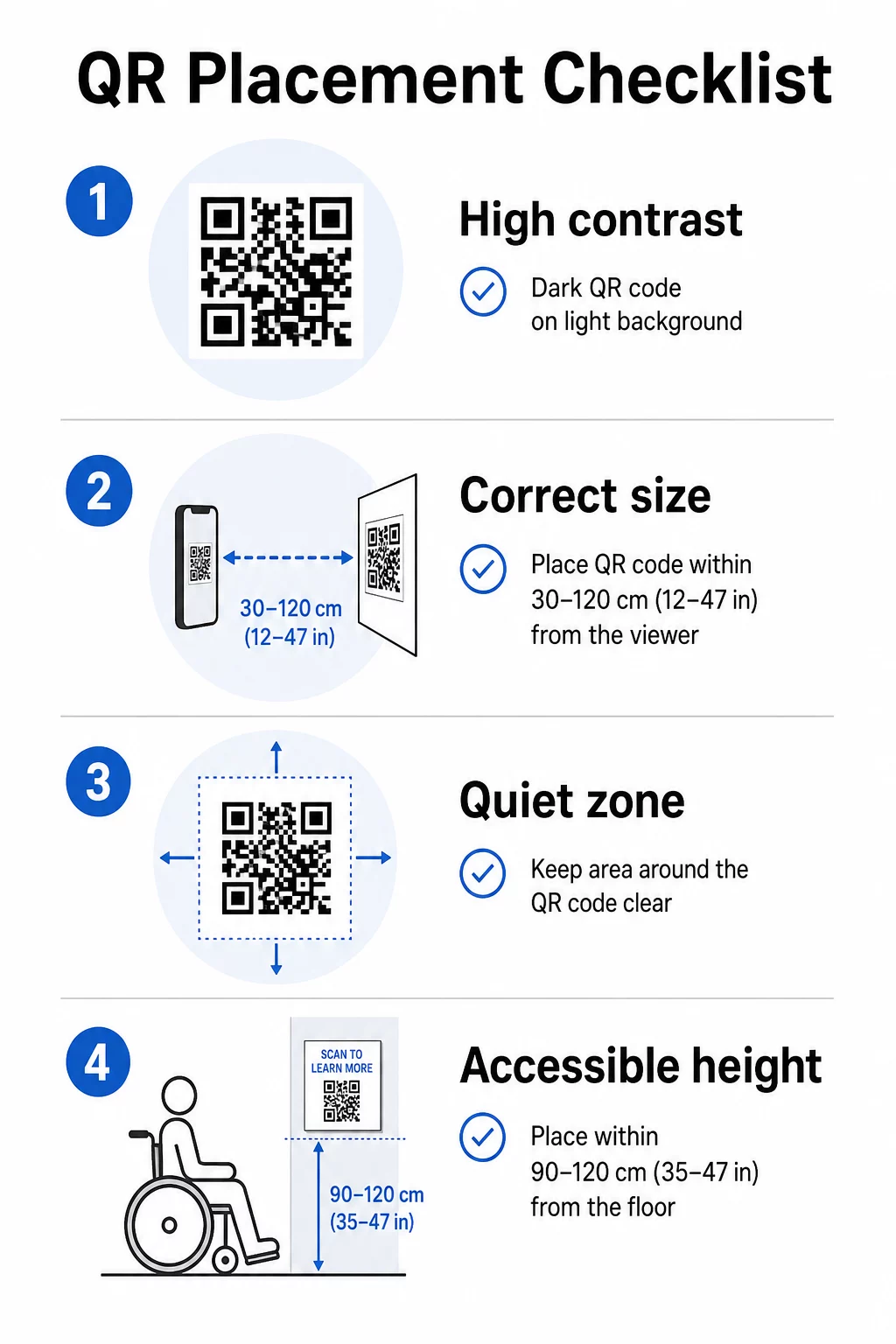
Il primo piano del codice deve essere scuro e lo sfondo chiaro – non il contrario. I codici invertiti (motivo chiaro su sfondo scuro) non funzionano su una parte significativa delle fotocamere degli smartphone. Per i codici con colori personalizzati, puntare ad un rapporto di contrasto di almeno 3:1 tra i moduli del codice e la superficie di sfondo. Una ripartizione completa delle regole di contrasto è disponibile nel guida alle migliori pratiche di contrasto colore per codici QR.
Sfumature e ombre introducono mezzitoni che confondono gli scanner. Se si desidera un codice stilizzato che si adatti alla palette dell'installazione, utilizzare colori solidi e testare accuratamente.
Dimensione e Distanza di Scansione
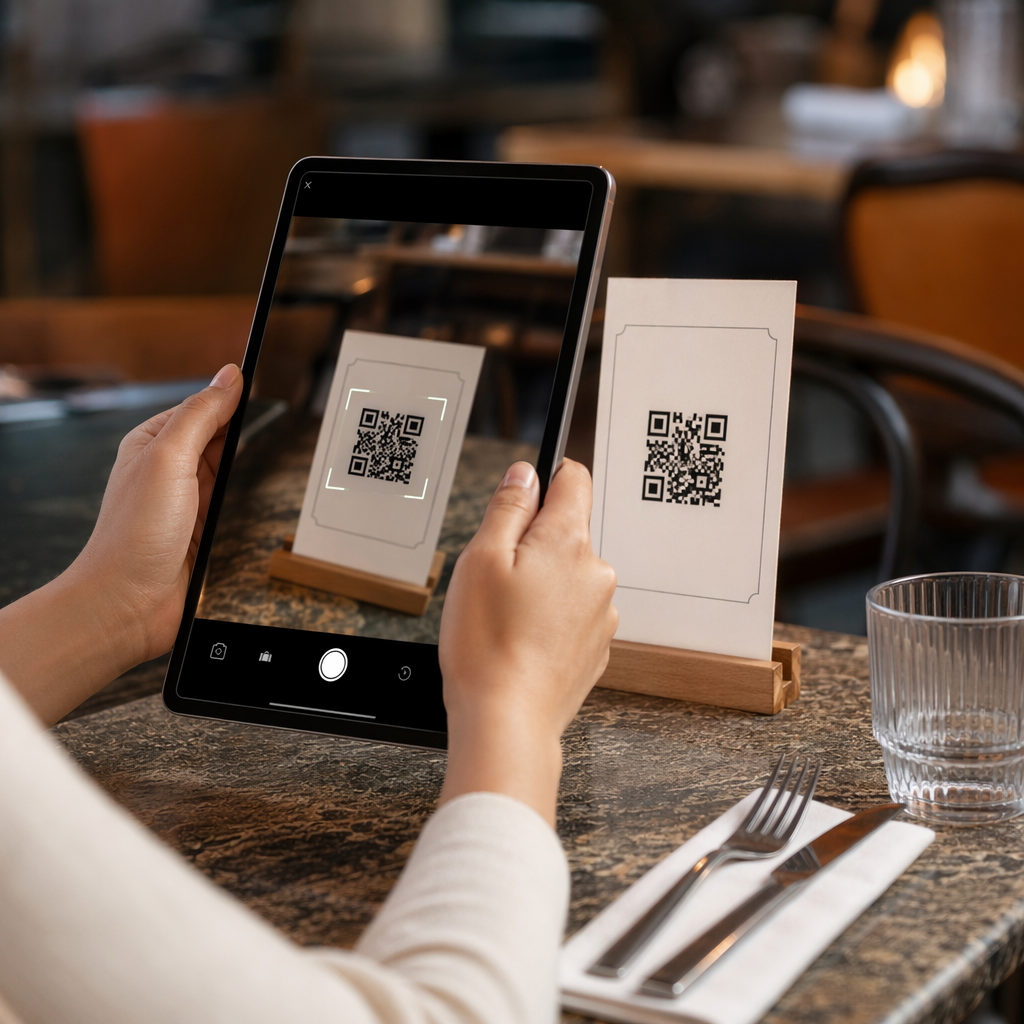
Una regola affidabile: il codice dovrebbe essere circa un decimo della dimensione della distanza di scansione prevista. Un codice destinato ad essere scansionato a distanza di un braccio (circa 10 pollici) deve essere almeno di 1 pollice quadrato. Per la segnaletica dell'installazione visualizzata da più lontano, scalare di conseguenza. Il minimo assoluto per la scansione a distanza ravvicinata è 2 × 2 cm (circa 0,8 × 0,8 pollici). Maggiori dettagli sulle dimensioni sono disponibili nel Guida al posizionamento del codice QR.
Zone Silenziose
Ogni codice QR richiede un margine chiaro – chiamato zona di silenzio – di almeno quattro moduli su tutti i lati. Nessun testo, motivo o elemento decorativo dovrebbe invadere questo spazio. Se si sta incorporando un codice in una superficie a motivi o nel bordo di un'opera d'arte, questa è la limitazione che più probabilmente causerà errori di scansione.
Accessibilità Fisica
Altezza e posizione determinano chi può effettivamente utilizzare il codice. Il posizionamento dovrebbe essere raggiungibile dai visitatori in sedia a rotelle o da quelli con crescita limitata – circa 2,5 a 4 piedi dal pavimento per un accesso confortevole. Evitare di posizionare i codici su superfici curve, vetro riflettente o materiali che creano riflessi sotto l'illuminazione della galleria.
Copia dell'etichetta
Un'etichetta vicino al codice dovrebbe spiegare chiaramente cosa troverà il visitatore dopo la scansione e come scansionarlo. Non tutti i visitatori hanno familiarità con il processo, e anche gli scanner esperti traggono beneficio dal sapere se stanno per vedere un video di tre minuti o un saggio di catalogo di 12 pagine. Linguaggio semplice, frasi brevi e dimensioni del carattere adeguate contribuiscono tutti all'usabilità. Mantieni le etichette concise – i visitatori scorrono velocemente, e le informazioni più essenziali dovrebbero apparire per prime.
Mantieni aggiornato il contenuto della mostra senza ristampare Le gallerie d'arte possono usare il Generatore di QR code dinamici per aggiornare le biografie degli artisti, scambiare audioguide o aggiungere nuovi contenuti anche dopo l'apertura di una mostra – senza toccare la segnaletica fisica.
Testa prima di installare
Stampa il codice a dimensione finale e scansionalo con almeno due dispositivi – un iPhone e un telefono Android – nelle condizioni di illuminazione che l'installazione utilizzerà effettivamente. L'illuminazione delle gallerie è spesso calda e direzionale, il che può influenzare il contrasto in modo diverso rispetto alla luce standard dell'ufficio. Le finiture opache riducono il riverbero e generalmente superano le superfici lucide per una scansione affidabile. Ulteriori indicazioni sui test si trovano in guida alle migliori pratiche per la leggibilità dei codici QR.
Utilizzo di codici QR dinamici per mostre in evoluzione
Un codice QR statico codifica una destinazione fissa. Una volta stampato, l'unico modo per cambiare dove punta è ristamparlo. I codici QR dinamici funzionano diversamente: il codice stesso punta a un breve reindirizzamento, e puoi cambiare la destinazione del reindirizzamento in qualsiasi momento da una dashboard.
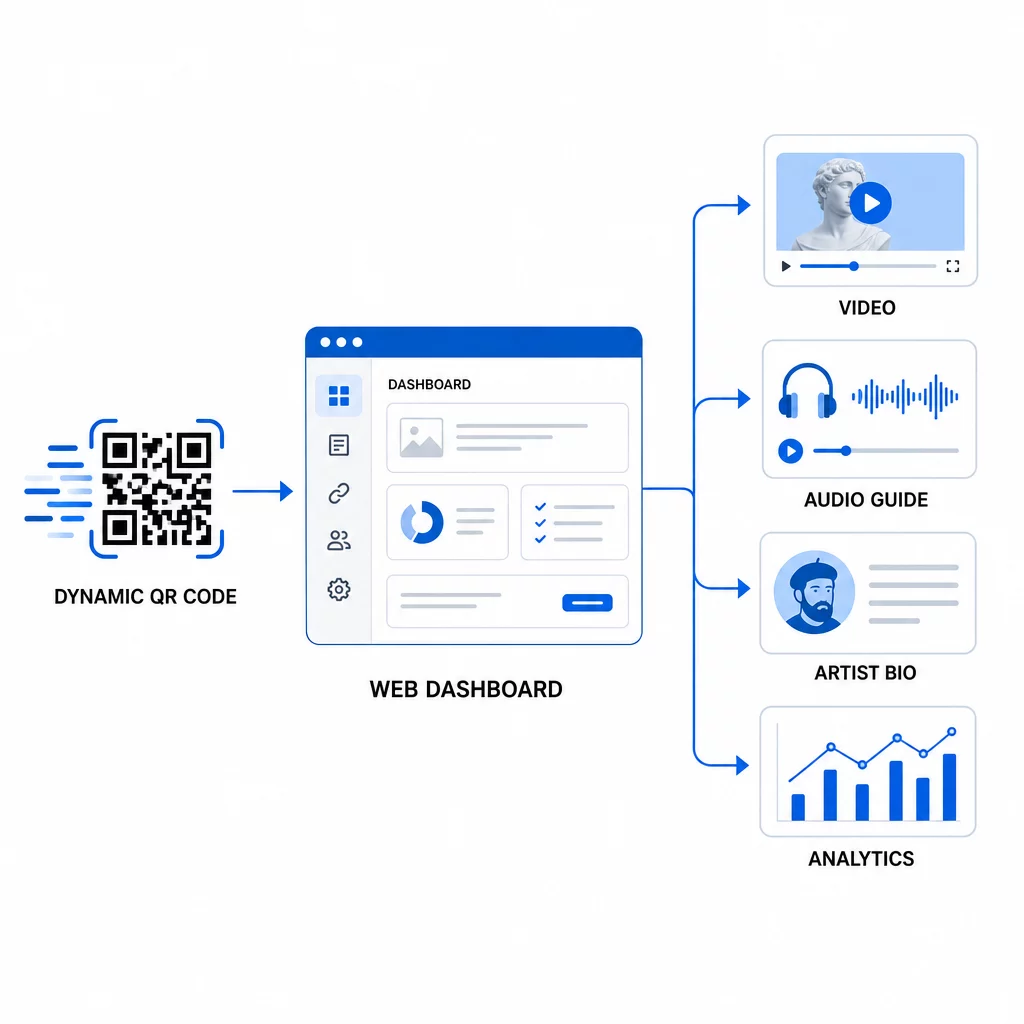
Per le installazioni artistiche, questa distinzione è significativa:
- Una mostra che dura diversi mesi può modificare il suo contenuto collegato man mano che lo spettacolo si evolve – aggiungendo nuovi commenti degli artisti, scambiando un video teaser con un documentario completo, o aggiornando i dettagli di provenienza man mano che la ricerca si sviluppa
- Le installazioni temporanee possono riutilizzare lo stesso codice fisico per più eventi semplicemente aggiornando la destinazione
- Le analisi rimangono legate allo stesso codice, fornendo un registro continuo delle prestazioni piuttosto che dati frammentati tra le ristampe
Lo Smithsonian ha utilizzato questo approccio per gestire l'accesso a grandi collezioni digitali in modo efficiente, riducendo sia i costi che gli sprechi ambientali derivanti dai materiali ristampati. Per i curatori che gestiscono mostre multi-sede o itineranti, la capacità di impostare un tour d'arte virtuale con codici QR e aggiornarlo centralmente è un vantaggio operativo significativo.
Domande frequenti
Progetta il codice usando colori tratti dalla palette dell'opera d'arte, ma mantieni un primo piano scuro su uno sfondo chiaro e punta a un rapporto di contrasto di almeno 3:1. Mantieni la zona di silenzio libera su tutti i lati e testa la versione stampata con più dispositivi prima dell'installazione. Livelli di correzione degli errori più elevati (Q o H) consentono una maggiore personalizzazione visiva – inclusi loghi incorporati – pur preservando l'affidabilità della scansione.
I tipi di contenuto più efficaci sono interviste ad artisti o dichiarazioni video, audioguide, saggi di catalogo estesi o documenti di provenienza, immagini del processo e moduli di feedback dei visitatori. Abbina il formato al pubblico e all'opera: il video si adatta a opere ricche di processo o basate sulla performance, mentre l'audio funziona bene accanto a opere in cui l'esperienza visiva dovrebbe rimanere ininterrotta.
I codici QR dinamici con analisi integrate registrano dati aggregati – scansioni totali, scansioni uniche, tempo di scansione, tipo di dispositivo e posizione geografica – senza acquisire informazioni personali dai singoli visitatori. Piattaforme come il generatore di codici QR dinamici di Pageloot forniscono questi dati in una visualizzazione dashboard, fornendo ai curatori intuizioni utili pur rispettando la privacy dei visitatori.