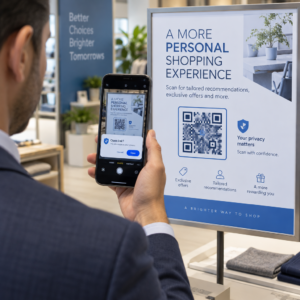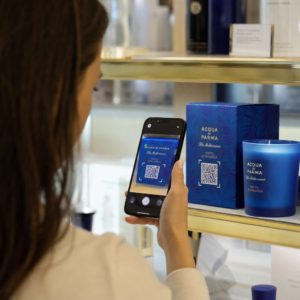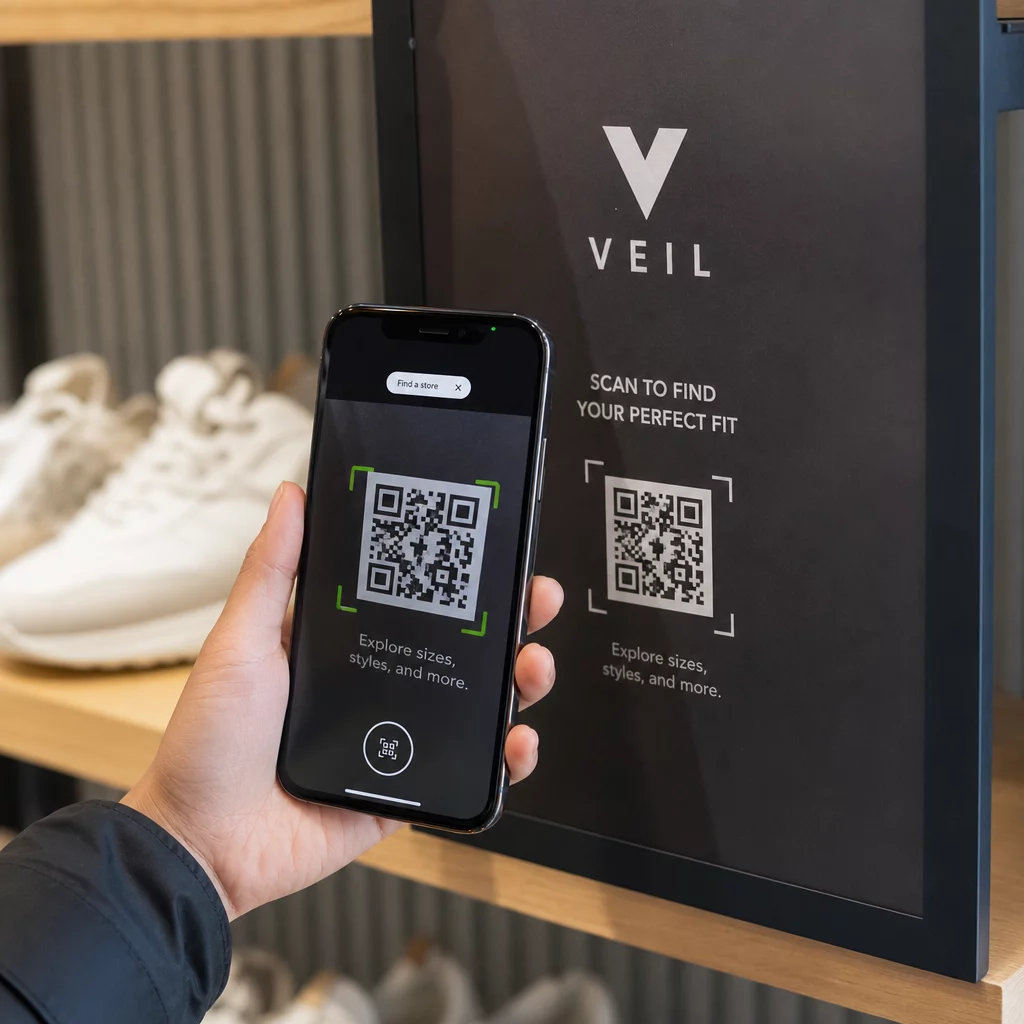
Bạn có đang tự hỏi liệu mã QR có còn đáng để sử dụng trong tài liệu tiếp thị hoặc kinh doanh của mình không? Câu hỏi đó phổ biến hơn bạn nghĩ – và câu trả lời rất quan trọng nếu bạn đang lên kế hoạch cho một chiến dịch, cập nhật bao bì hoặc suy nghĩ lại về cách khách hàng tương tác với thương hiệu của bạn. Bài viết này phân tích tình hình hiện tại của việc áp dụng mã QR, ai đang sử dụng chúng và cách làm cho chúng hoạt động hiệu quả.
Mã QR chưa chết – Chúng đang phát triển
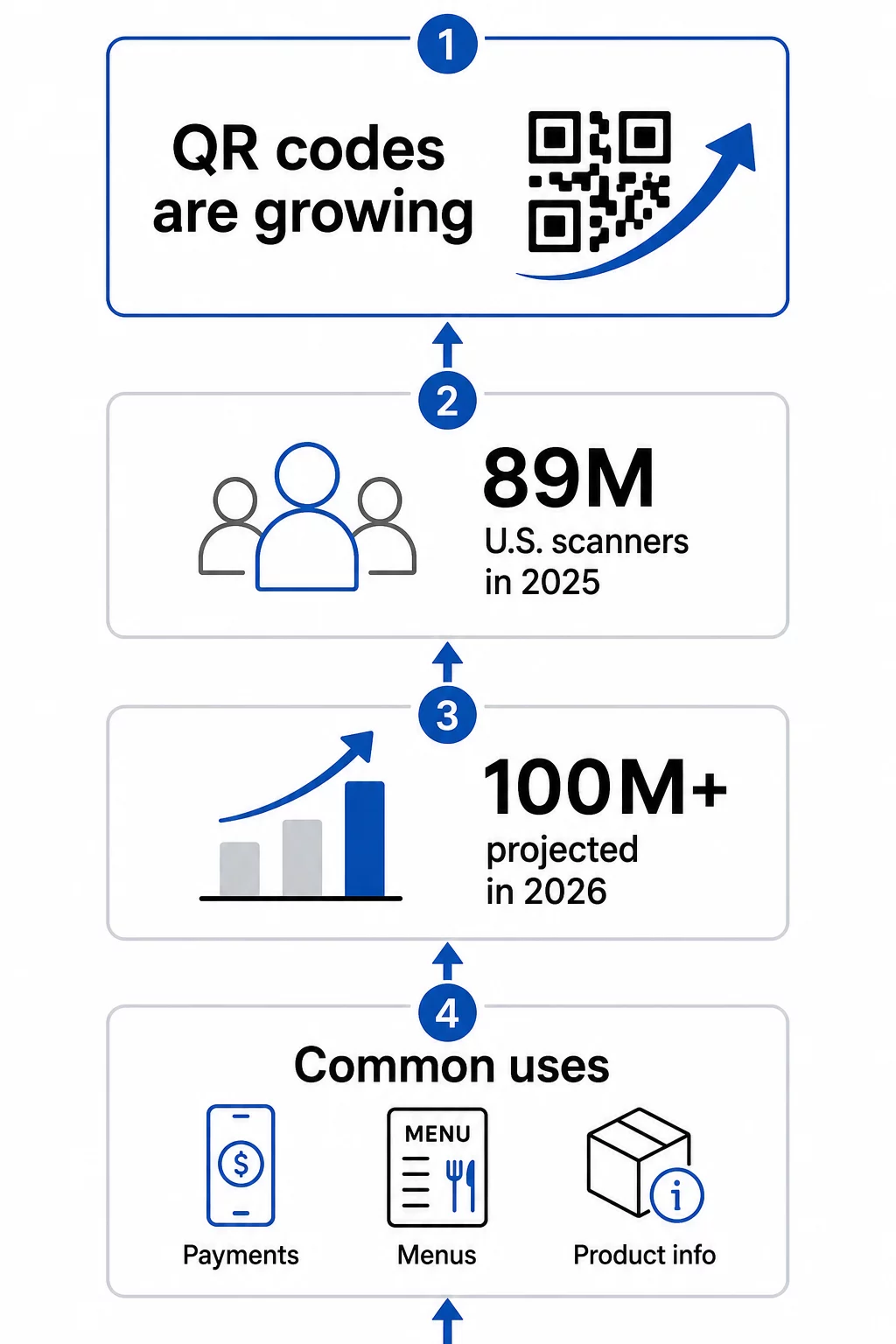
Câu trả lời ngắn gọn: mã QR đang hoạt động mạnh mẽ hơn bao giờ hết. Lượng quét đã tăng đều đặn hàng năm và công nghệ này đã vượt xa danh tiếng ban đầu, cồng kềnh của nó.
Chỉ riêng tại Hoa Kỳ, 89 triệu người đã quét mã QR vào năm 2025. Con số đó dự kiến sẽ vượt quá 100 triệu người dùng Hoa Kỳ vào năm 2026 – xấp xỉ một phần ba người Mỹ. Trong số những người đã sử dụng chúng, hầu hết quét vài lần một tháng và khoảng một phần năm báo cáo sử dụng chúng hàng tuần.
Trên toàn cầu, việc áp dụng thậm chí còn rõ rệt hơn. Các thị trường châu Á dẫn đầu với khoảng cách lớn:
- Hồng Kông đạt 100% mức độ quan tâm tương đối trong việc sử dụng mã QR
- Macao tại 93%
- Singapore tại 80%
- Malaysia tại 74%
- Đài Loan tại 70%
- Philippines tại 58%
- Thái Lan tại 39%
- Đức tại 38%
- Các Tiểu vương quốc Ả Rập Thống nhất theo số 37%
- Thụy Sĩ tại 37%
- Bỉ tại 36%
- Áo tại 36%
Hoa Kỳ, mặc dù có lượng người tiêu dùng lớn, nhưng chỉ xếp khoảng thứ 24 về mức độ quan tâm tương đối – nghĩa là vẫn còn nhiều dư địa để phát triển tại thị trường Bắc Mỹ.
Tại sao mã QR biến mất – Sau đó trở lại mạnh mẽ hơn
Mã QR đã đạt đỉnh vào khoảng năm 2011, và nhiều người cho rằng chúng đã mờ nhạt sau đó. Điều thực sự xảy ra phức tạp hơn: việc áp dụng bị đình trệ vì điện thoại thông minh thời đó yêu cầu các ứng dụng quét chuyên dụng, và trải nghiệm người dùng quá rời rạc để cảm thấy tự nhiên.
Điều đó đã thay đổi khi Apple và Android tích hợp tính năng quét QR gốc trực tiếp vào ứng dụng camera của họ. Không cần tải xuống thêm – chỉ cần hướng và quét. Sự thay đổi duy nhất đó đã loại bỏ rào cản lớn nhất đối với việc người tiêu dùng chấp nhận.
Đại dịch COVID-19 đã thúc đẩy mọi thứ nhanh hơn nữa. Các nhà hàng đã thay thế thực đơn in bằng các phiên bản kỹ thuật số liên kết QR gần như chỉ sau một đêm. Các doanh nghiệp phát hiện ra rằng một mã có thể quét được có thể thay thế hoàn toàn các điểm tiếp xúc vật lý, và người tiêu dùng đã nhanh chóng thích nghi. Hành vi này đã trở nên bình thường hóa trên các nhóm nhân khẩu học chưa từng sử dụng mã QR trước đây.
Ngày nay, việc sử dụng mã QR đã trở thành một xu hướng bền vững, không phải là một trào lưu nhất thời. Công nghệ này đã đi theo quỹ đạo tăng trưởng kể từ năm 2016, và cơ sở hạ tầng – cả về phía thiết bị người tiêu dùng và công cụ kinh doanh – hiện đã đủ trưởng thành để hỗ trợ việc sử dụng tiếp thị và vận hành nghiêm túc.
Ai thực sự đang sử dụng mã QR vào năm 2024 và sau này
Câu hỏi thực sự không phải là liệu mọi người có đang quét mã QR hay không – rõ ràng là có. Câu hỏi hữu ích hơn là: họ đang quét gì, và điều đó có ý nghĩa gì đối với doanh nghiệp của bạn?
Theo dữ liệu khảo sát từ người tiêu dùng Hoa Kỳ, các trường hợp sử dụng được báo cáo hàng đầu là:
- Thực hiện thanh toán – thanh toán không tiếp xúc qua QR đã trở thành tiêu chuẩn trong nhiều môi trường bán lẻ và dịch vụ ăn uống
- Kiểm tra thông tin về sản phẩm thực phẩm và đồ uống – minh bạch thành phần, chi tiết nguồn gốc và nội dung khuyến mại
- Thực đơn nhà hàng – 57% người tiêu dùng Hoa Kỳ báo cáo đã quét mã QR tại một nhà hàng trong tháng trước vào năm 2025
Ngoài hành vi của người tiêu dùng, khía cạnh kinh doanh cũng hấp dẫn không kém. Trong một cuộc khảo sát năm 2025, 98% các công ty sử dụng mã QR cho biết chúng có tác động tích cực đến tiếp thị và 95% cho biết mã QR giúp họ thu thập dữ liệu khách hàng bên thứ nhất – một lợi thế đáng kể khi theo dõi của bên thứ ba trở nên kém tin cậy hơn.
Kết quả thực tế đã chứng minh điều này. Một chiến dịch rút thăm trúng thưởng của Capri Sun sử dụng mã QR trên bao bì sản phẩm đã tạo ra hơn 579.000 lượt xem trang đích và hơn 28.000 lượt đăng ký tham gia. Một thương hiệu khách sạn lớn đã báo cáo tiết kiệm được 150.000 đô la chi phí in ấn bằng cách thay thế thực đơn và tờ rơi vật lý bằng các phiên bản kỹ thuật số dựa trên mã QR.
Các Loại Mã QR Hữu Ích Nhất Cho Doanh Nghiệp
Có hơn một tá loại mã QR có sẵn, nhưng một số ít chiếm phần lớn các trường hợp sử dụng trong kinh doanh. Hiểu loại nào phù hợp với mục tiêu của bạn sẽ tiết kiệm thời gian và mang lại kết quả tốt hơn.
Mã QR URL/Liên kết là phổ biến nhất. Chúng hướng người quét đến bất kỳ địa chỉ web nào – trang sản phẩm, trang đích, hồ sơ mạng xã hội hoặc tệp đã tải lên. Nếu bạn đang chạy một chiến dịch và muốn có sự linh hoạt, một mã QR liên kết động cho phép bạn thay đổi đích đến sau khi in mà không cần tạo mã mới.
Mã QR PDF cho phép bạn đính kèm tài liệu trực tiếp vào mã – tài liệu quảng cáo, hướng dẫn sử dụng, thực đơn hoặc danh mục. Không giống như liên kết đến tệp lưu trữ đám mây, việc lưu trữ PDF thông qua nền tảng QR giúp nội dung ổn định và dễ truy cập mà không phụ thuộc vào dịch vụ của bên thứ ba.
mã QR vCard hoạt động như danh thiếp kỹ thuật số. Khi được quét, chúng đẩy thông tin liên hệ trực tiếp vào điện thoại của người dùng, loại bỏ việc nhập dữ liệu thủ công. Trong môi trường chuyên nghiệp, điều này nhanh hơn và chính xác hơn đáng kể so với việc trao đổi danh thiếp giấy.
Mã QR Email tự động điền sẵn một email gửi cho bạn khi được quét, giảm bớt rào cản giữa người có ý định liên hệ với bạn và việc thực sự làm điều đó.
Mã QR Wi-Fi chia sẻ thông tin đăng nhập mạng tự động khi quét. Thay vì chia sẻ mật khẩu bằng lời nói hoặc trên thẻ in, khách có thể kết nối ngay lập tức – một cải tiến nhỏ về trải nghiệm nhưng mang lại giá trị lớn trong môi trường khách sạn, văn phòng và bán lẻ.
Xem những gì có thể với Mã QR động Bạn muốn tạo mã có thể cập nhật sau khi in và theo dõi theo thời gian thực? Khám phá Tạo mã QR động để xây dựng mã QR linh hoạt, có thể đo lường cho mọi trường hợp sử dụng.
Tĩnh so với Động: Tại sao sự khác biệt lại quan trọng
Không phải tất cả mã QR đều hoạt động giống nhau. Mã QR tĩnh mã hóa thông tin trực tiếp vào mẫu – một khi đã tạo, đích đến là cố định. Chúng phù hợp cho thông tin vĩnh viễn như mật khẩu Wi-Fi không bao giờ thay đổi hoặc một URL đơn giản mà bạn sẽ không bao giờ cần cập nhật.
Mã QR động hoạt động khác nhau. Chúng mã hóa một URL chuyển hướng ngắn, và đích đến thực tế có thể được cập nhật bất cứ lúc nào mà không cần tạo hoặc in lại mã mới. Sự linh hoạt đó tự nó đã có giá trị trong bối cảnh tiếp thị, nhưng lợi thế lớn hơn là khả năng theo dõi.
Với mã động, bạn có thể theo dõi:
- Tổng số lượt quét và số lượt quét duy nhất
- Vị trí địa lý của các lượt quét
- Loại thiết bị và hệ điều hành
- Thời gian và ngày của mỗi lượt quét
- Tần suất quét trong suốt thời gian chiến dịch
Dữ liệu này cho phép bạn đo lường vị trí nào đang hoạt động hiệu quả, vị trí nào không, và nơi cần tập trung nỗ lực trong tương lai. Bạn có thể tìm hiểu thêm về cách hoạt động của tính năng theo dõi trên hướng dẫn theo dõi và phân tích mã QR của Pageloot.
Đối với bất kỳ chiến dịch nào mà bạn in tài liệu với số lượng lớn – bao bì, bảng hiệu, thư trực tiếp – mã QR động là lựa chọn thiết thực. Nếu đích đến thay đổi hoặc chiến dịch phát triển, bạn cập nhật liên kết thay vì in lại mọi thứ. Bạn có thể so sánh chi tiết cả hai phương pháp trên trang mã QR tĩnh so với động.
Cách để Mã QR Hoạt động Hiệu quả
Tạo mã QR rất đơn giản. Để mã thực sự hoạt động hiệu quả cần một vài lựa chọn có chủ đích.
Thiết kế để dễ quét. Sử dụng nền tối trên nền sáng – không bao giờ đảo ngược điều này. Tránh các nền quá phức tạp hoặc các yếu tố trang trí làm giảm độ tương phản. Nếu bạn thêm logo, hãy sử dụng mức độ sửa lỗi cao hơn (Q hoặc H) để bù đắp cho các mô-đun bị che.
Điều chỉnh kích thước phù hợp với khoảng cách quét. Kích thước tối thiểu thực tế là khoảng 0.8 × 0.8 inch (2 × 2 cm) cho các tài liệu được quét ở cự ly gần. Đối với áp phích hoặc bảng hiệu, hãy tăng kích thước theo tỷ lệ – khoảng 1 cm mã cho mỗi 10 cm khoảng cách quét dự kiến. Một áp phích được xem từ 20 inch nên có kích thước ít nhất 2 × 2 inch. Bạn có thể tìm thấy hướng dẫn kỹ thuật chi tiết trong bài viết bài viết về các phương pháp hay nhất về khả năng sử dụng mã QR.
Đặt nó ở nơi mọi người có thể quét một cách tự nhiên. Ở vị trí trung tâm trên tài liệu in, ngang tầm mắt trên áp phích, tránh xa các nếp gấp và cạnh, và không bao giờ ở vị trí không có tín hiệu di động đáng tin cậy. Vị trí yêu cầu người dùng phải vặn vẹo cơ thể sẽ làm giảm đáng kể số lượt quét.
Viết một lời kêu gọi hành động rõ ràng. “Quét để xem thực đơn,” “Quét để nhận ưu đãi,” hoặc “Quét để tìm hiểu thêm” đều hoạt động tốt hơn một mã QR không có giải thích. Đặt lời kêu gọi hành động (CTA) ngay phía trên hoặc phía dưới mã, và đảm bảo hướng dẫn khớp với những gì người dùng thực sự nhận được khi họ quét.
Tối ưu hóa đích đến cho thiết bị di động. Nội dung được liên kết phải tải nhanh, hiển thị rõ ràng trên màn hình nhỏ và cung cấp chính xác những gì CTA đã hứa. Gửi ai đó đến trang chủ của bạn khi mã nói “quét để xem thực đơn” là một cách nhanh chóng để mất đi sự tương tác mà bạn vừa đạt được.
Kiểm tra trước khi xuất bản. Quét mã trên nhiều thiết bị, trong các điều kiện ánh sáng khác nhau, ở khoảng cách xem dự kiến và trên các tài liệu in thực tế. Kiểm tra xem liên kết có hoạt động không. Kiểm tra lại định kỳ trong suốt chiến dịch để xác nhận đích đến vẫn hoạt động.
Để tìm hiểu sâu hơn về thiết kế chiến dịch hiệu quả, hãy xem hướng dẫn các chiến dịch mã QR tốt nhất và trang cách sử dụng mã QR cung cấp các ví dụ thực tế trên nhiều ngành.
Mã QR phù hợp ở đâu trong chiến lược tiếp thị của bạn
Mã QR giải quyết một vấn đề cụ thể và dai dẳng: khoảng cách giữa tài liệu vật lý và trải nghiệm kỹ thuật số. Một tờ rơi, một gói hàng, một danh thiếp hoặc một cửa sổ cửa hàng chỉ có thể chứa rất nhiều thông tin – nhưng mã QR biến bất kỳ bề mặt nào trong số đó thành một cổng dẫn đến nội dung kỹ thuật số không giới hạn.
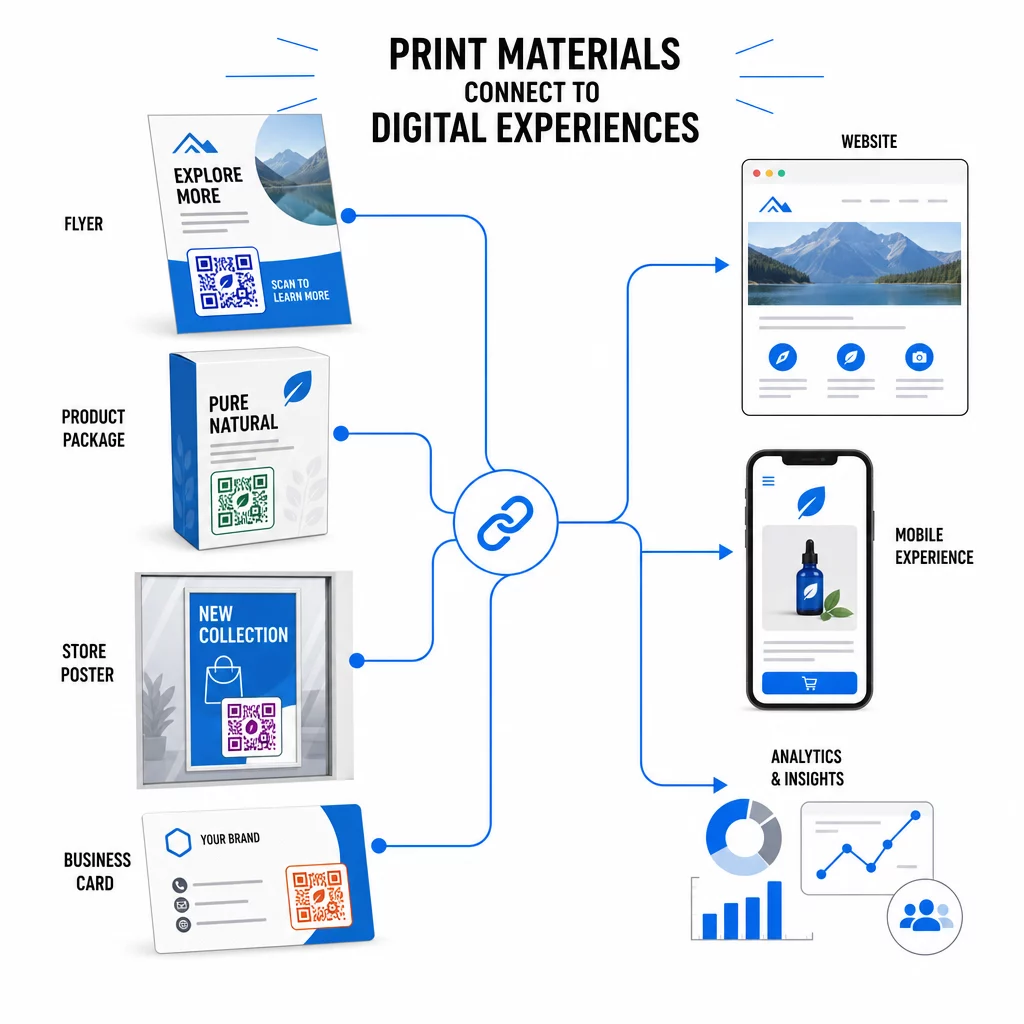
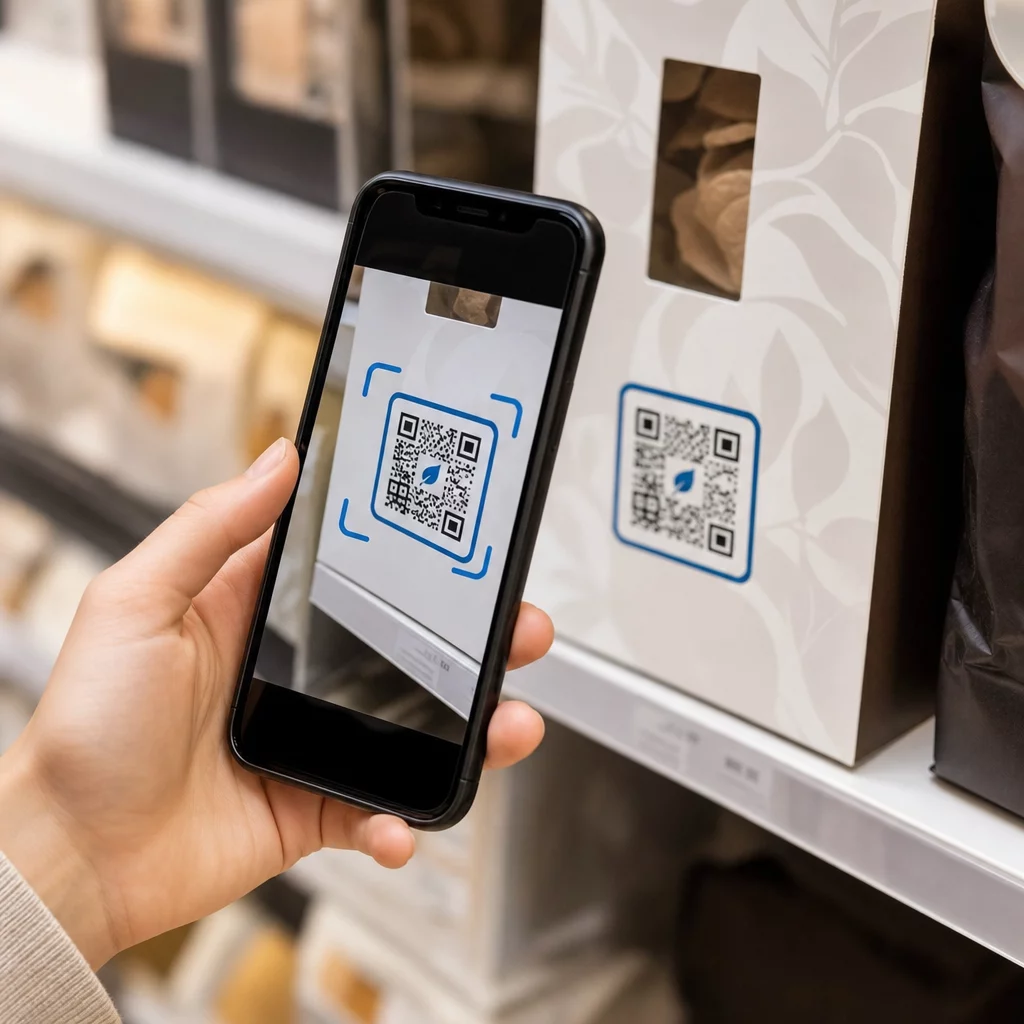
Các nhà bán lẻ sử dụng mã trên kệ hàng, hóa đơn và cửa sổ để kết nối các màn hình vật lý với các trang đích chiến dịch, chương trình khách hàng thân thiết và tương tác sau mua hàng. Dữ liệu quét tiết lộ vị trí nào tạo ra nhiều sự quan tâm nhất, cho phép tối ưu hóa liên tục. Bạn có thể khám phá các ứng dụng cụ thể theo ngành trên trang giải pháp mã QR theo ngành hoặc xem xét các tùy chọn tính năng cụ thể trên trang tính năng.
Đối với các nhà tiếp thị nói riêng, mã QR đóng vai trò là công cụ thu thập dữ liệu bên thứ nhất. Mỗi lần quét tạo ra một điểm dữ liệu. Tổng hợp những điểm đó trong một chiến dịch và bạn có dữ liệu hành vi – khi nào, ở đâu và tần suất mọi người tương tác với tài liệu vật lý của bạn – mà không cần dựa vào cookie hoặc nền tảng của bên thứ ba.
Các tổng quan tiếp thị mã QR bao gồm trường hợp chiến lược chi tiết hơn, và hướng dẫn kết nối tiếp thị in ấn và kỹ thuật số cho thấy các chiến dịch cụ thể đã sử dụng mã QR như thế nào để kết nối cả hai kênh một cách có thể đo lường được.
Bắt đầu theo dõi hiệu suất mã QR của bạn Xem chính xác khi nào, ở đâu và tần suất mã của bạn được quét. Phần Tạo mã QR động bao gồm một bảng điều khiển phân tích đầy đủ để bạn có thể đo lường hiệu quả và cập nhật nội dung mà không cần in lại. Mã QR là một công cụ thực tế, có thể đo lường được với khả năng ứng dụng đã được chứng minh và các ứng dụng kinh doanh thực tế. Vấn đề không phải là liệu chúng có hoạt động hay không – mà là liệu bạn có đang sử dụng chúng theo cách thu thập dữ liệu và mức độ tương tác mà chúng có khả năng tạo ra hay không. Hãy bắt đầu với một trường hợp sử dụng rõ ràng, chọn loại mã phù hợp và đảm bảo trải nghiệm ở phía bên kia của lần quét đáng giá.
Câu hỏi thường gặp
Vâng. Chỉ riêng ở Hoa Kỳ, 89 triệu người đã quét mã QR vào năm 2025, và con số đó dự kiến sẽ vượt 100 triệu vào năm 2026. Việc áp dụng đang tăng lên trên toàn cầu, và mã QR được sử dụng rộng rãi trong bán lẻ, khách sạn, thực phẩm và đồ uống, sự kiện và các chiến dịch tiếp thị.
Mã QR tĩnh có một đích đến cố định không thể thay đổi sau khi tạo. Mã QR động sử dụng một URL chuyển hướng có thể được cập nhật bất cứ lúc nào mà không cần in lại mã. Mã động cũng hỗ trợ theo dõi quét, cung cấp cho bạn dữ liệu về thời gian, địa điểm và tần suất mã của bạn được quét.
Sử dụng độ tương phản cao (màu tối trên nền sáng), điều chỉnh kích thước mã phù hợp với khoảng cách quét, đặt nó ở nơi người dùng có thể dễ dàng tiếp cận và luôn bao gồm một lời kêu gọi hành động rõ ràng giải thích những gì họ sẽ nhận được khi quét. Kiểm tra mã trên nhiều thiết bị trước khi phân phối tài liệu in.