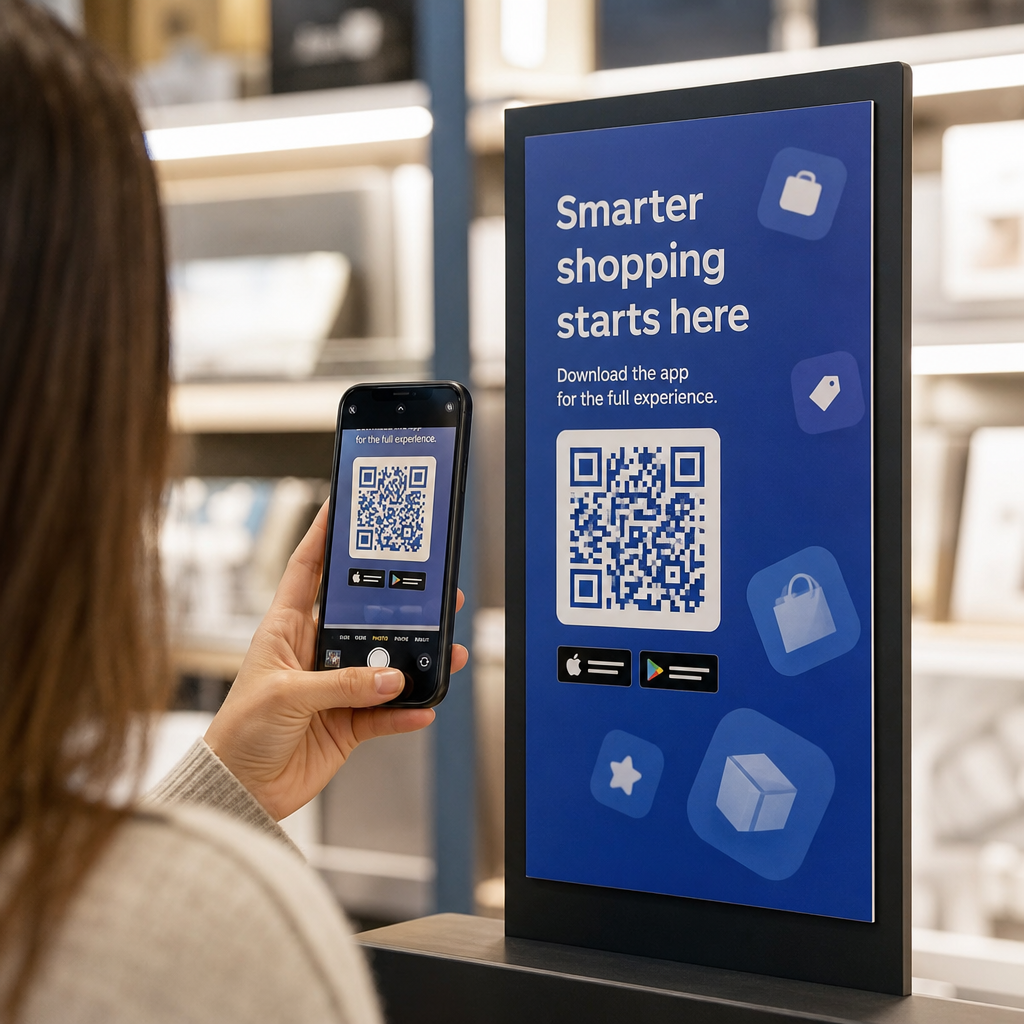
Are you tired of printing separate QR codes for iPhone and Android users on your marketing materials? Displaying multiple codes confuses potential customers and wastes valuable space on physical packaging, banners, and flyers. Creating a single dynamic QR code automatically routes each scanner to the correct app store for their specific device.
How Multi-Store QR Codes Route Scanners Automatically
When a smartphone camera scans a QR code, the operating system decodes the pattern into a URL and opens it in the mobile browser. A multi-store QR code relies on a dynamic routing link rather than connecting directly to a fixed store web address.
Upon receiving the scan request, the routing server inspects browser signals and operating system headers to identify the scanning device:
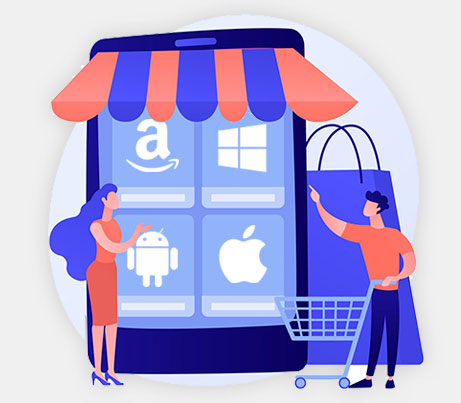
- iOS routing: Directs Apple users to your app listing on the App Store using your app’s unique numeric identifier.
- Android routing: Directs Android users to your Google Play Store page using your app manifest package name.
- Fallback routing: Sends non-mobile or desktop scanners to a universal web landing page or promotional site.
Using device detection inside a single dynamic link removes technical friction for customers, protects your physical layout from visual clutter, and ensures high conversion rates across every channel.
Create Your Cross-Platform App QR Code Streamline your onboarding flow by directing iOS and Android users to the correct store with a single scan. Launch the Generator QR koda App Store to build and brand your dynamic code today.
How to Set Up an App Download QR Code
Generating a unified download code requires gathering your official platform URLs and configuring your smart link settings. Follow these steps to generate a print-ready code:
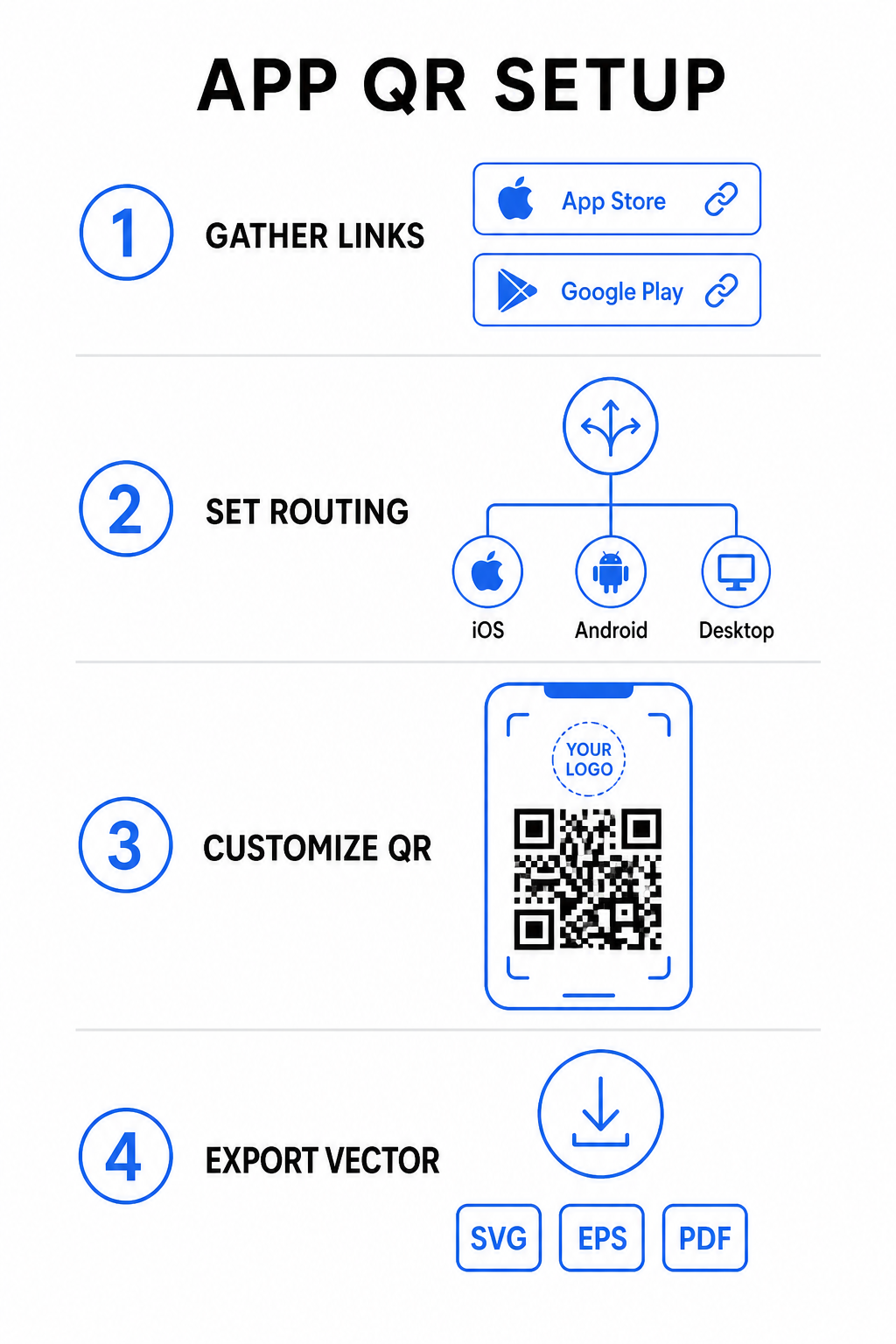
- Gather official store URLs: Locate your Apple App Store path containing your app’s numeric ID and your Google Play URL containing your package name identifier.
- Input store links into the generator: Enter your iOS link into the App Store field and your Android link into the Google Play field within the creation editor.
- Set a universal fallback destination: Enter a standard website landing page URL to redirect desktop users or unsupported operating systems.
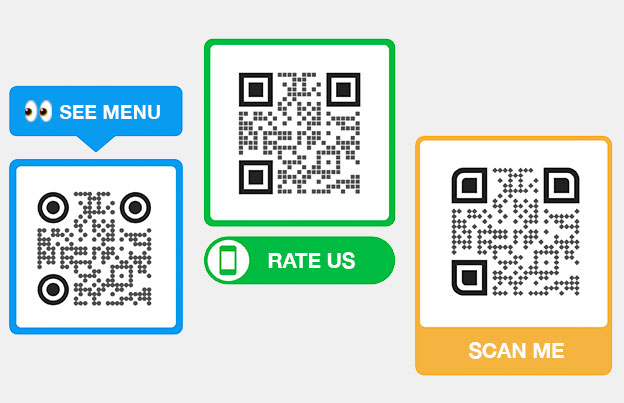
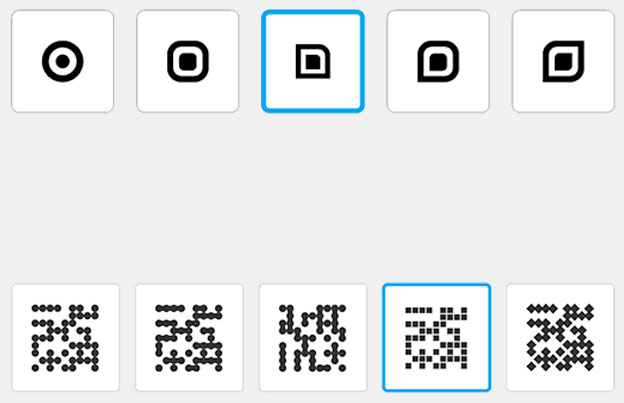
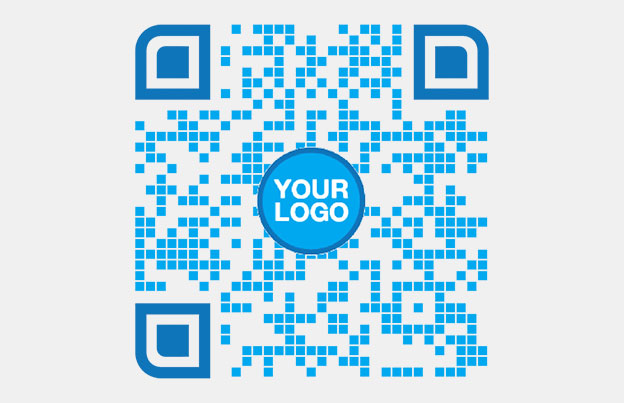
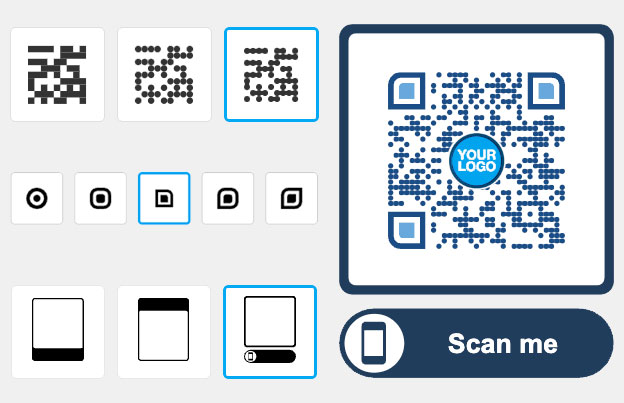
- Customize your code appearance: Adjust module colors, background shading, frame styles, and call-to-action prompts, then embed your brand logo in the center.
- Export print-ready vector files: Download your finished design in high-resolution vector formats such as SVG, EPS, or PDF for crisp printing.
If your store URLs change in the future, using a generator dinamičkih QR kodova lets you update destination links directly from your dashboard without reprinting physical materials.
Technical Specifications for Optimal Scannability
Adhering to ISO/IEC 18004 barcode specifications ensures your printed QR code scans easily across different mobile devices, lighting conditions, and angles.
| Design Element | Technical Standard | Practical Purpose |
|---|---|---|
| Mirna zona | Minimum 4 modules wide | Preserves an unprinted margin around all four sides so camera sensors isolate the code matrix from background graphics. |
| Sizing Ratio | 1:10 (Veličina prema udaljenosti) | Maintains reliable readability; a 1-inch (2.5 cm) code supports a scanning distance of roughly 10 inches (25 cm). |
| Kontrast boja | High contrast (Dark on Light) | Uses dark modules on a light background to maximize light absorption contrast for image sensors. |
| Ispravljanje pogrešaka | Level Q (25%) or Level H (30%) | Restores missing or obscured data blocks, allowing the code to function even when a custom logo covers the center. |
Measure Your Campaign Performance Want to see which marketing channels generate the most app installs? Use our platform for praćenje QR kodova to analyze real-time scan metrics, locations, and operating systems.
Quality Assurance Practices Before Printing
Before committing to a large print run for packaging, posters, or retail signs, thoroughly evaluate your code’s performance in real-world scenarios.
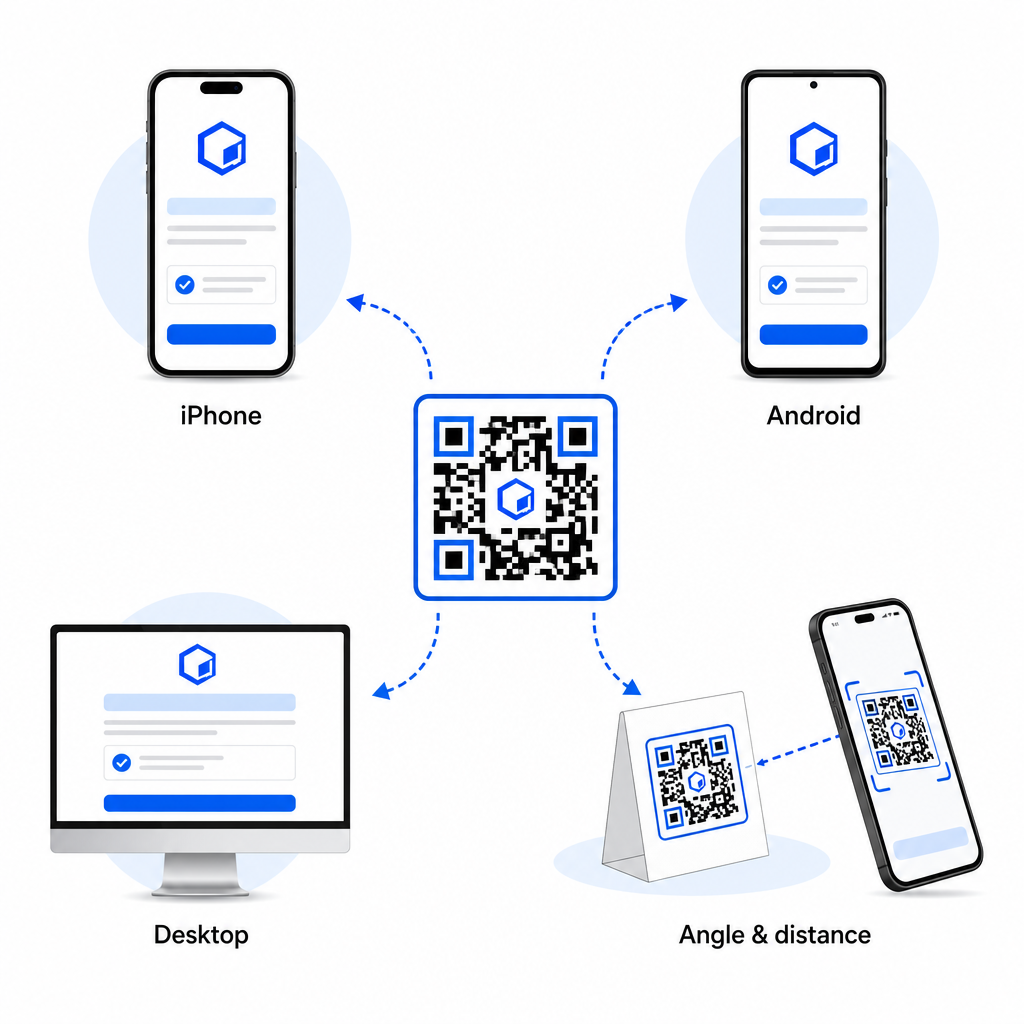
- Verify native platform routing: Scan the code with default camera applications on physical iOS and Android devices to ensure proper store redirection.
- Confirm desktop fallback behavior: Click or scan the link from a desktop web browser to check that non-mobile traffic lands on your designated fallback web page.
- Perform the three-distance inspection protocol: Test scanning at the intended viewing distance, repeat at 50% farther away, and test at a 30 to 45-degree angle.
- Evaluate network load speed: Ensure the dynamic redirect processes rapidly across various mobile data and Wi-Fi networks.
For additional details on how smartphones process code requests, review our guides on how users skeniraju QR kodove pametnim telefonima and how consumers download an app with a QR code.
Često postavljana pitanja
No. A dynamic app store QR code detects the user’s mobile operating system upon scanning and automatically routes iOS users to the Apple App Store and Android users to Google Play.
The dynamic routing engine identifies non-mobile devices and sends the visitor to your designated fallback URL, such as your main website or promotional landing page.
Yes. Dynamic QR codes allow you to modify your Apple, Android, or fallback destination links anytime in your management dashboard without reprinting artwork.
Combining your iOS and Android app download links into a single dynamic QR code eliminates download friction, saves layout space on print media, and provides a unified mobile experience. Applying high contrast, robust error correction, and eye-catching frames converts physical packaging and marketing displays into direct app installations.
Take full control of your cross-platform promotions by using the generator QR koda veze to build dynamic, trackable download links for your marketing campaigns.