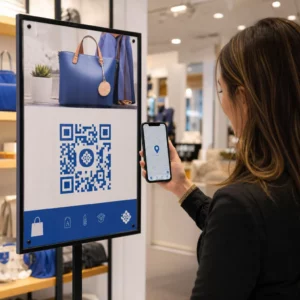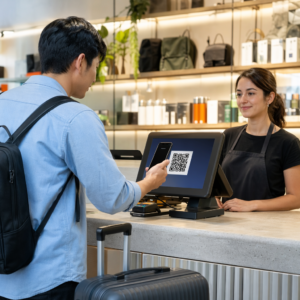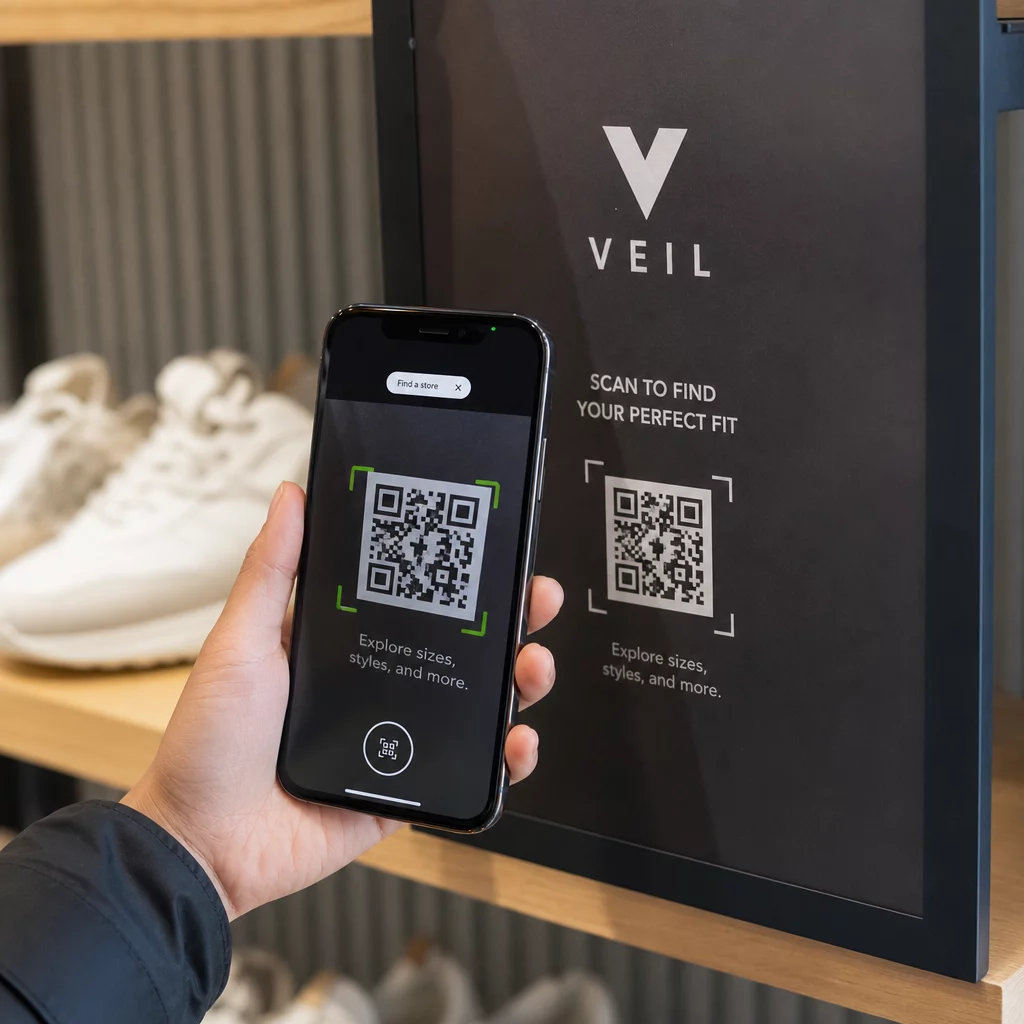
¿Se pregunta si los códigos QR siguen valiendo la pena en sus materiales de marketing o comerciales? Esa pregunta es más común de lo que cree, y la respuesta importa si está planificando una campaña, actualizando empaques o repensando cómo los clientes interactúan con su marca. Este artículo desglosa el estado actual de la adopción de códigos QR, quién los está usando y cómo hacer que funcionen de manera efectiva.
Los códigos QR no están muertos, están creciendo
La respuesta corta: los códigos QR están más activos que nunca. Los volúmenes de escaneo han aumentado constantemente año tras año, y la tecnología ha superado con creces su reputación inicial y torpe.
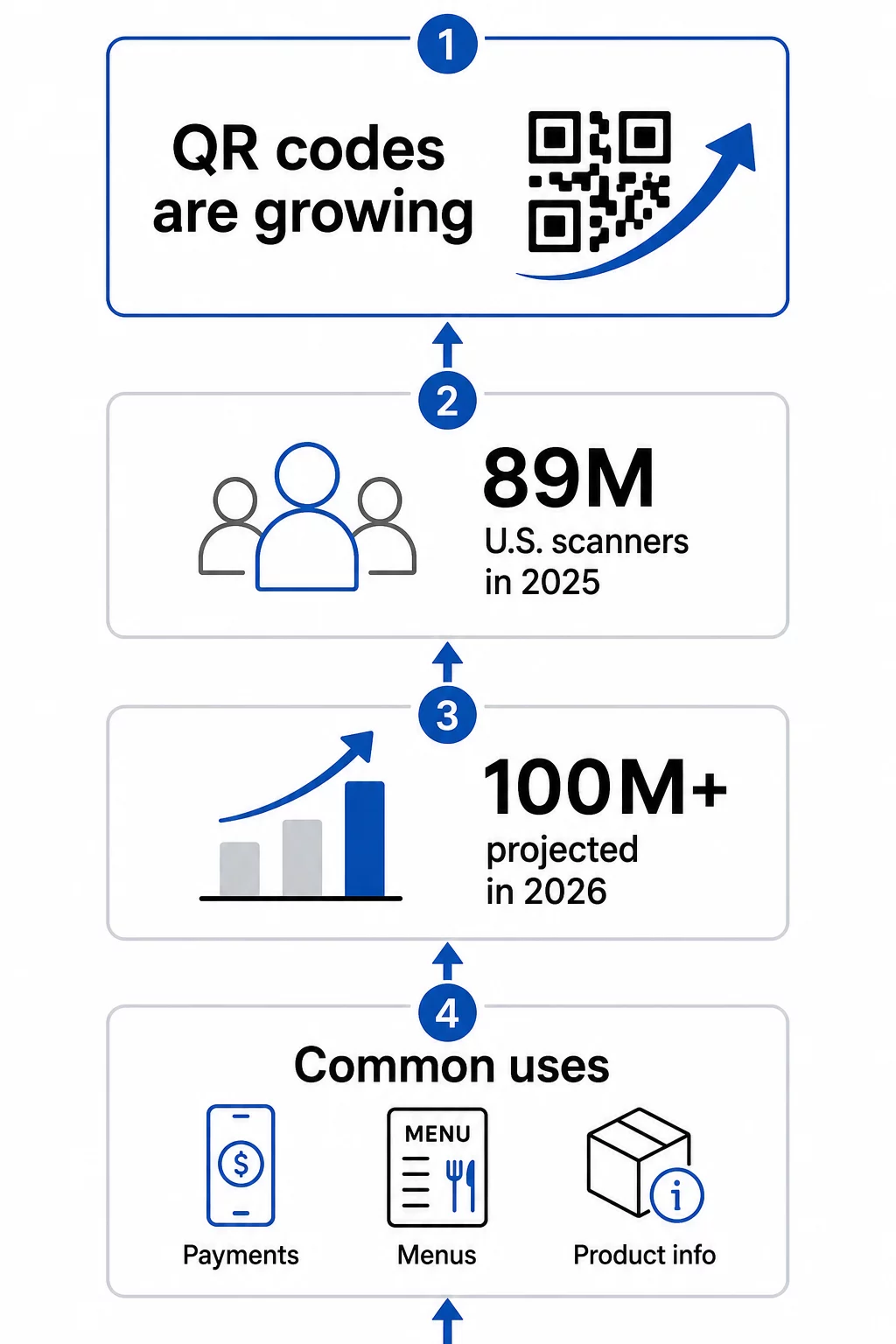
Solo en los Estados Unidos, 89 millones de personas escanearon un código QR en 2025. Se proyecta que ese número supere los 100 millones de usuarios estadounidenses en 2026, aproximadamente uno de cada tres estadounidenses. Entre las personas que ya los usan, la mayoría escanea varias veces al mes, y aproximadamente uno de cada cinco informa usarlos semanalmente.
A nivel mundial, la adopción es aún más pronunciada. Los mercados asiáticos lideran por un amplio margen:
- Hong Kong registra un 100% de interés relativo en el uso de códigos QR
- Macao en 93%
- Singapur en 80%
- Malasia en 74%
- Taiwán en 70%
- Filipinas en 58%
- Tailandia en 39%
- Alemania en 38%
- Emiratos Árabes Unidos en 37%
- Suiza en 37%
- Bélgica en 36%
- Austria en 36%
Estados Unidos, a pesar de su gran base de consumidores, ocupa el puesto 24 en interés relativo, lo que significa que todavía hay un margen significativo para el crecimiento en el mercado norteamericano.
Por qué los códigos QR desaparecieron y luego regresaron más fuertes
Los códigos QR alcanzaron su punto máximo alrededor de 2011, y muchas personas asumieron que se desvanecieron después de eso. Lo que realmente sucedió es más matizado: la adopción se estancó porque los teléfonos inteligentes de esa época requerían aplicaciones de escaneo dedicadas, y la experiencia del usuario estaba demasiado fragmentada para sentirse natural.
Eso cambió cuando Apple y Android integraron el escaneo nativo de QR directamente en sus aplicaciones de cámara. No se requiere descarga adicional, solo apuntar y escanear. Ese único cambio eliminó la mayor barrera para la adopción por parte del consumidor.
La pandemia de COVID-19 aceleró aún más las cosas. Los restaurantes reemplazaron los menús impresos con versiones digitales vinculadas a QR casi de la noche a la mañana. Las empresas descubrieron que un código escaneable podía reemplazar por completo los puntos de contacto físicos, y los consumidores se adaptaron rápidamente. El comportamiento se normalizó en todas las demografías que nunca antes habían usado códigos QR.
Hoy en día, el uso de códigos QR se ha convertido en una tendencia sostenida, no en una moda pasajera. La tecnología ha estado en una trayectoria ascendente desde 2016, y la infraestructura, tanto del lado del dispositivo del consumidor como del lado de las herramientas comerciales, ahora es lo suficientemente madura como para soportar un uso serio de marketing y operativo.
Quién está usando realmente los códigos QR en 2024 y más allá
La pregunta no es realmente si la gente está escaneando códigos QR, claramente lo están haciendo. La pregunta más útil es: ¿qué están escaneando y por qué eso le importa a su negocio?
Según datos de encuestas de consumidores estadounidenses, los principales casos de uso reportados son:
- Realizar pagos – el pago sin contacto mediante QR se ha convertido en un estándar en muchos entornos minoristas y de servicios de alimentos
- Comprobación de información sobre productos de alimentos y bebidas – transparencia de ingredientes, detalles de origen y contenido promocional
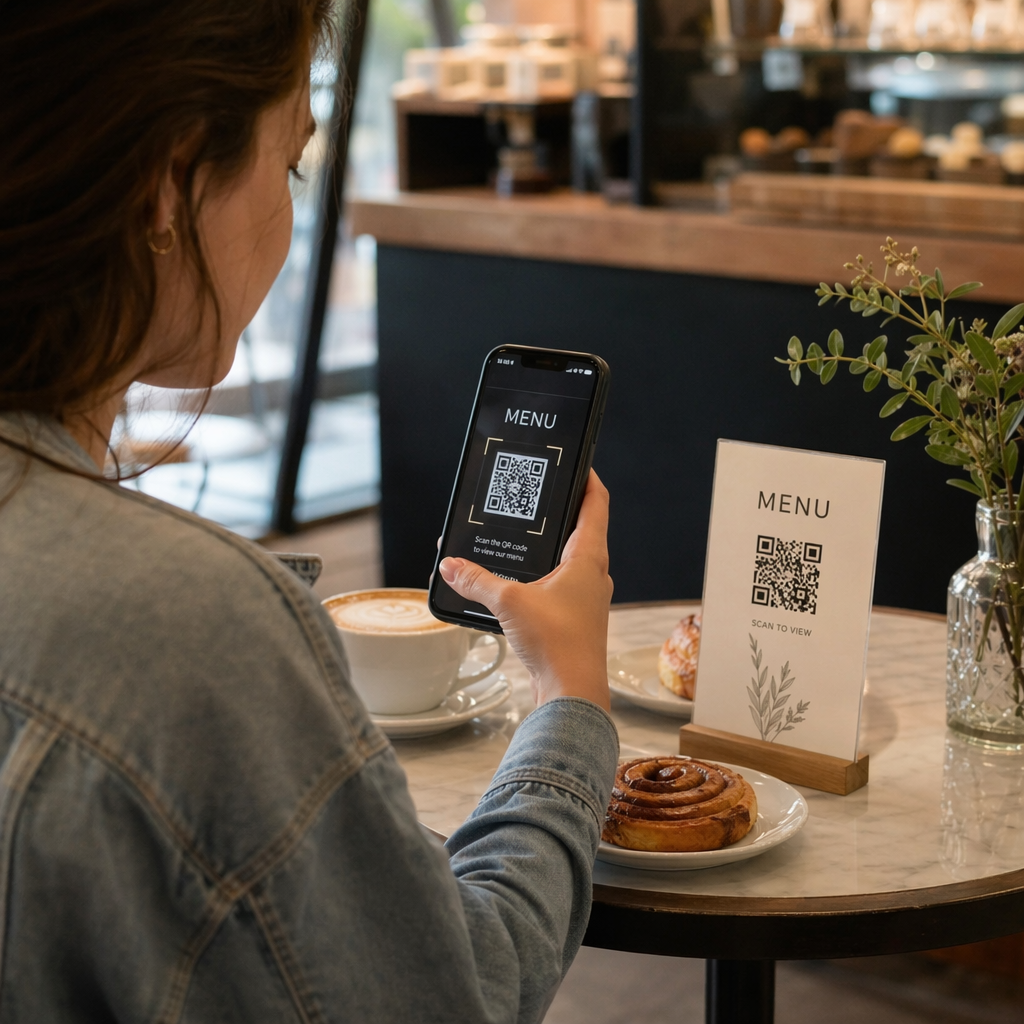
- Los menús de los restaurantes – el 57% de los consumidores estadounidenses informaron haber escaneado un código QR en un restaurante el mes pasado en 2025
Más allá del comportamiento del consumidor, el lado empresarial es igualmente convincente. En una encuesta de 2025, el 98% de las empresas que utilizan códigos QR dijeron que tuvieron un impacto positivo en el marketing, y el 95% dijo que los códigos QR les ayudan a recopilar datos de clientes de primera mano, una ventaja significativa a medida que el seguimiento de terceros se vuelve menos fiable.
Los resultados del mundo real lo confirman. Una campaña de sorteos de Capri Sun que utilizó códigos QR en el empaque del producto generó más de 579,000 visitas a la página de destino y más de 28,000 inscripciones. Una gran marca hotelera informó haber ahorrado $150,000 en costos de impresión al reemplazar los menús y folletos físicos con versiones digitales basadas en códigos QR.
Los tipos de códigos QR más útiles para empresas
Hay más de una docena de tipos de códigos QR disponibles, pero unos pocos representan la mayoría de los casos de uso empresarial. Comprender qué tipo se adapta a su objetivo ahorra tiempo y produce mejores resultados.
Códigos QR de URL/Enlace son los más comunes. Dirigen a los escáneres a cualquier dirección web: una página de producto, una página de destino, un perfil social o un archivo subido. Si está ejecutando una campaña y desea flexibilidad, un código QR de enlace dinámico le permite cambiar el destino después de imprimir sin crear un nuevo código.
Códigos QR en formato PDF le permiten adjuntar un documento directamente al código: folletos, manuales de instrucciones, menús o catálogos. A diferencia de vincular a un archivo de almacenamiento en la nube, alojar el PDF a través de una plataforma QR mantiene el contenido estable y accesible sin depender de servicios de terceros.
vCard Códigos QR funcionan como tarjetas de presentación digitales. Cuando se escanean, envían los detalles de contacto directamente al teléfono del usuario, eliminando la entrada manual de datos. En entornos profesionales, esto es notablemente más rápido y preciso que intercambiar tarjetas de papel.
Códigos QR de correo electrónico precargan un correo electrónico dirigido a usted cuando se escanean, reduciendo la fricción entre alguien que tiene la intención de contactarlo y realmente hacerlo.
Códigos QR de Wi-Fi comparten las credenciales de red automáticamente al escanear. En lugar de compartir una contraseña verbalmente o en una tarjeta impresa, los invitados se conectan al instante, una pequeña mejora en la experiencia que se suma en entornos de hostelería, oficina y comercio minorista.
Vea lo que es posible con los códigos QR dinámicos ¿Quiere crear códigos que puedan actualizarse después de la impresión y rastrearse en tiempo real? Explore la Generador de códigos QR dinámicos para construir códigos QR flexibles y medibles para cualquier caso de uso.
Estático vs. Dinámico: Por qué la distinción importa
No todos los códigos QR se comportan de la misma manera. Códigos QR estáticos codifican la información directamente en el patrón; una vez creados, el destino es fijo. Son apropiados para información permanente como una contraseña de Wi-Fi que nunca cambia o una URL simple que nunca necesitará actualizar.
Códigos QR dinámicos funcionan de manera diferente. Codifican una URL de redirección corta, y el destino real puede actualizarse en cualquier momento sin generar o reimprimir un nuevo código. Esa flexibilidad por sí sola es valiosa en contextos de marketing, pero la mayor ventaja es el seguimiento.
Con un código dinámico, puede monitorear:
- Escaneos totales y recuentos de escaneos únicos
- Ubicación geográfica de los escaneos
- Tipo de dispositivo y sistema operativo
- Hora y fecha de cada escaneo
- Frecuencia de escaneo durante un período de campaña
Estos datos le permiten medir qué ubicaciones funcionan, cuáles no y dónde enfocar los esfuerzos futuros. Puede obtener más información sobre cómo funciona el seguimiento en la guía de Pageloot sobre seguimiento y análisis de códigos QR.
Para cualquier campaña en la que imprima materiales en volumen (embalaje, señalización, correo directo), los códigos QR dinámicos son la opción práctica. Si el destino cambia o la campaña evoluciona, actualiza el enlace en lugar de reimprimir todo. Puede comparar ambos enfoques en detalle en la página de códigos QR estáticos vs. dinámicos.
Cómo Hacer que los Códigos QR Funcionen Eficazmente
Generar un código QR es sencillo. Hacer que realmente funcione requiere algunas elecciones deliberadas.
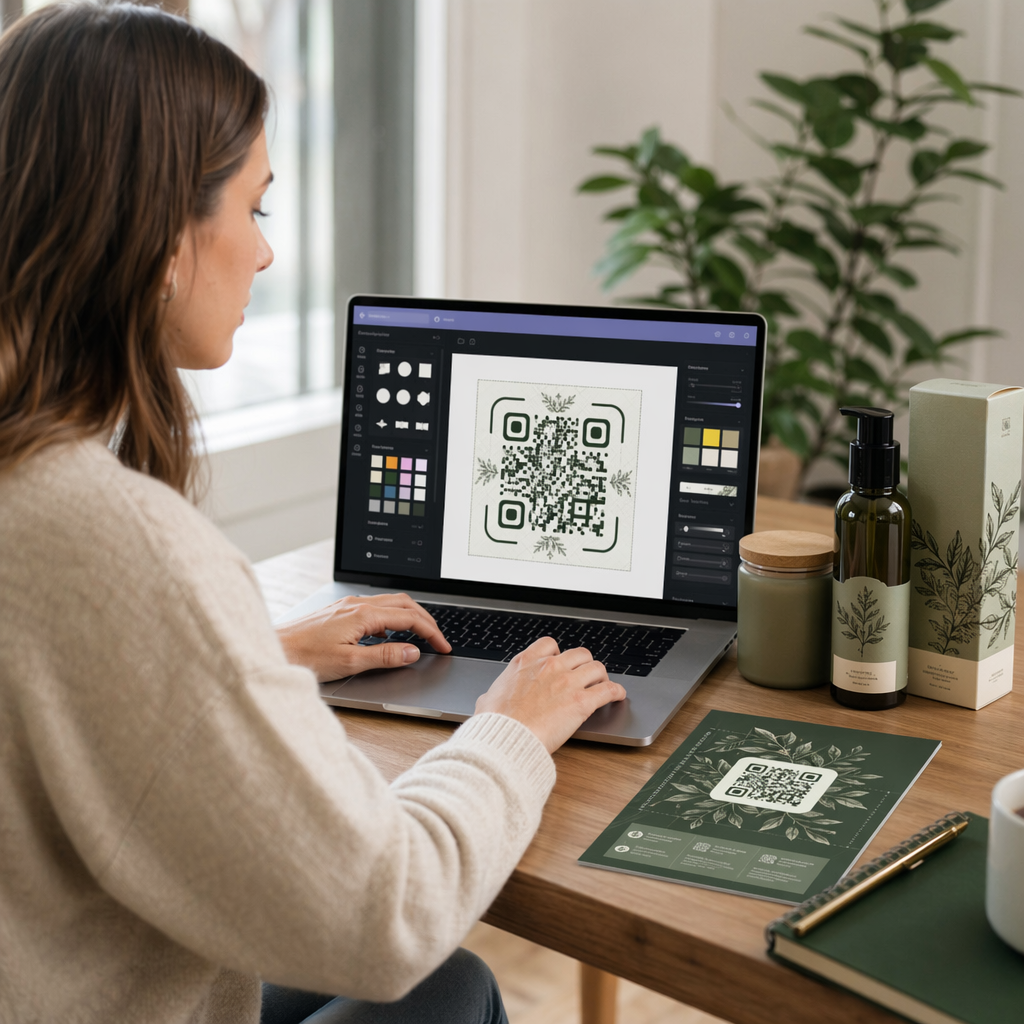
Diseña para la escaneabilidad. Usa un primer plano oscuro sobre un fondo claro – nunca inviertas esto. Evita fondos recargados o elementos decorativos que reduzcan el contraste. Si añades un logotipo, usa un nivel de corrección de errores más alto (Q o H) para compensar los módulos cubiertos.
Adecúa el tamaño a la distancia de escaneo. Un mínimo práctico es de aproximadamente 0.8 × 0.8 pulgadas (2 × 2 cm) para materiales escaneados de cerca. Para carteles o señalización, aumenta el tamaño proporcionalmente – aproximadamente 1 cm de código por cada 10 cm de distancia de escaneo esperada. Un cartel visto desde 20 pulgadas debería tener al menos 2 × 2 pulgadas. Puedes encontrar orientación técnica detallada en el artículo de mejores prácticas de usabilidad de códigos QR.
Colócalo donde la gente pueda escanearlo de forma natural. Al frente y al centro en materiales impresos, a la altura de los ojos en carteles, lejos de pliegues y bordes, y nunca en un lugar sin señal móvil fiable. Una ubicación que requiera una contorsión física incómoda reducirá notablemente los escaneos.
Escribe una llamada a la acción clara. “Escanea para ver el menú”, “Escanea para tu descuento” o “Escanea para saber más” funcionan mejor que un código QR sin explicación. Coloca la CTA directamente encima o debajo del código, y asegúrate de que la instrucción coincida con lo que el usuario realmente recibe al escanear.
Optimiza el destino para dispositivos móviles. El contenido enlazado debe cargar rápidamente, mostrarse limpiamente en una pantalla pequeña y entregar exactamente lo que prometió la CTA. Enviar a alguien a tu página de inicio cuando el código dice “escanea para el menú” es una forma rápida de perder el compromiso que acabas de ganar.
Prueba antes de publicar. Escanea el código en múltiples dispositivos, en diferentes condiciones de iluminación, a la distancia de visualización prevista y en materiales impresos reales. Verifica que el enlace funcione. Vuelve a comprobarlo periódicamente durante la campaña para confirmar que el destino sigue activo.
Para una mirada más profunda al diseño de campañas efectivas, el guía de las mejores campañas de códigos QR y la página de cómo usar códigos QR ofrecer ejemplos prácticos en diversas industrias.
¿Dónde encajan los códigos QR en tu estrategia de marketing?
Los códigos QR resuelven un problema específico y persistente: la brecha entre los materiales físicos y las experiencias digitales. Un folleto, un paquete, una tarjeta de presentación o el escaparate de una tienda solo pueden contener cierta cantidad de información, pero un código QR convierte cualquiera de esas superficies en una puerta de entrada a contenido digital ilimitado.
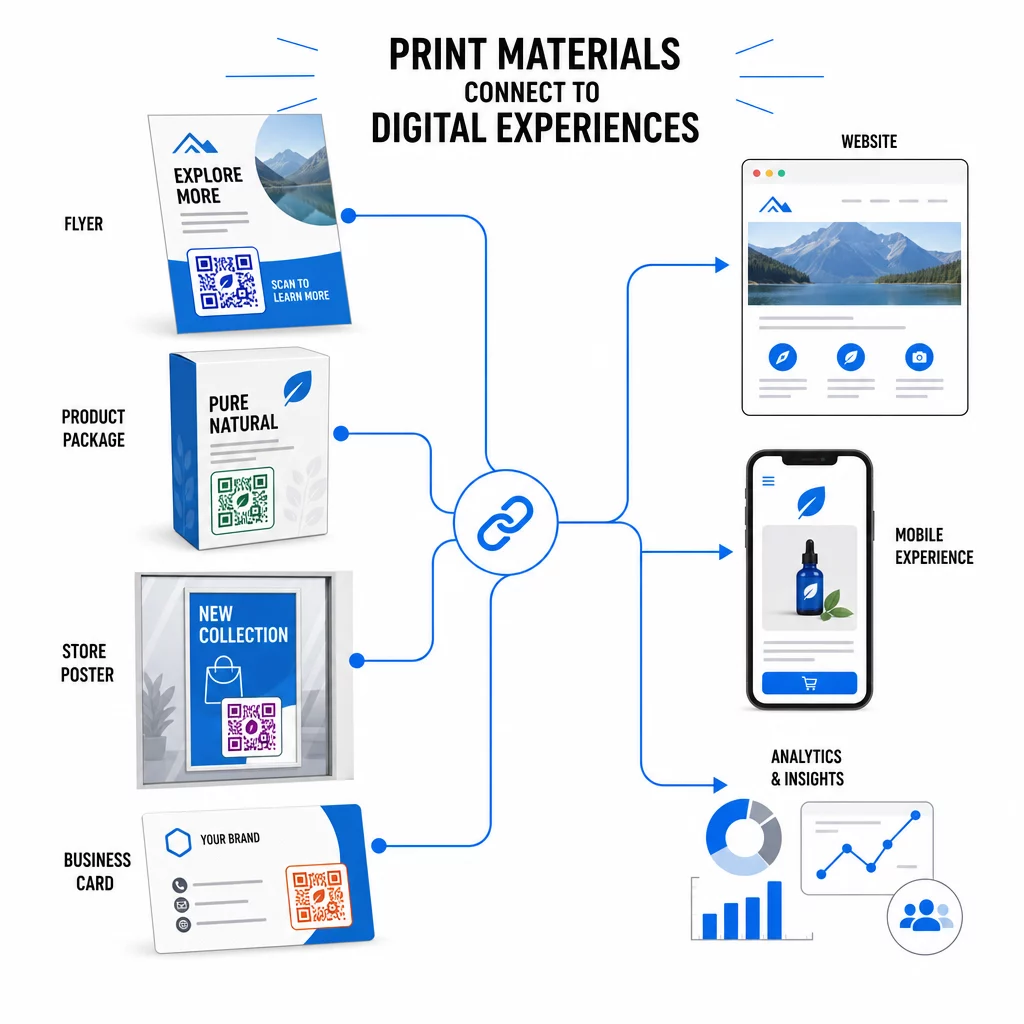
Los minoristas utilizan códigos en estantes, recibos y escaparates para conectar las exhibiciones físicas con las páginas de destino de las campañas, los programas de fidelización y el compromiso posterior a la compra. Los datos de escaneo revelan qué ubicaciones generan mayor interés, lo que permite una optimización continua. Puedes explorar aplicaciones específicas de la industria en la página de soluciones de códigos QR por industria o revisar opciones de características específicas en la página de características.
Para los especialistas en marketing específicamente, los códigos QR sirven como una herramienta de recopilación de datos de primera parte. Cada escaneo genera un punto de datos. Agrupa esos datos a lo largo de una campaña y tendrás datos de comportamiento – cuándo, dónde y con qué frecuencia las personas interactúan con tus materiales físicos – sin depender de cookies o plataformas de terceros.
El descripción general del marketing con códigos QR cubre el caso estratégico con más detalle, y la guía para conectar el marketing impreso y digital muestra cómo campañas específicas han utilizado códigos QR para unir ambos canales de forma medible.
Empieza a rastrear el rendimiento de tus códigos QR Ve exactamente cuándo, dónde y con qué frecuencia se escanean tus códigos. La Generador de códigos QR dinámicos incluye un panel de análisis completo para que puedas medir qué funciona y actualizar tu contenido sin reimprimir. Los códigos QR son una herramienta práctica y medible con adopción probada y aplicaciones comerciales reales. La pregunta no es si funcionan, sino si los estás utilizando de una manera que capture los datos y el compromiso que son capaces de generar. Comienza con un caso de uso claro, elige el tipo de código correcto y asegúrate de que la experiencia al otro lado del escaneo valga la pena.
Preguntas frecuentes
Sí. Solo en EE. UU., 89 millones de personas escanearon un código QR en 2025, y se proyecta que esa cifra supere los 100 millones en 2026. La adopción está creciendo a nivel mundial, y los códigos QR se utilizan ampliamente en el comercio minorista, la hostelería, la alimentación y bebidas, los eventos y las campañas de marketing.
Un código QR estático tiene un destino fijo que no se puede cambiar después de su creación. Un código QR dinámico utiliza una URL de redireccionamiento que se puede actualizar en cualquier momento sin reimprimir el código. Los códigos dinámicos también admiten el seguimiento de escaneos, lo que le proporciona datos sobre cuándo, dónde y con qué frecuencia se escanea su código.
Usa alto contraste (oscuro sobre claro), dimensiona el código apropiadamente para la distancia de escaneo, colócalo donde los usuarios puedan alcanzarlo cómodamente y siempre incluye una llamada a la acción clara explicando lo que obtendrán al escanear. Prueba el código en múltiples dispositivos antes de distribuir materiales impresos.