Undrer du dig over, om QR-koder stadig er værd at bruge i dit marketing- eller forretningsmateriale? Det spørgsmål er mere almindeligt, end du måske tror – og svaret er vigtigt, hvis du planlægger en kampagne, opdaterer emballage eller genovervejer, hvordan kunder interagerer med dit brand. Denne artikel gennemgår den nuværende status for QR-kode-adoption, hvem der bruger dem, og hvordan man får dem til at fungere effektivt.
QR-koder er ikke døde – de vokser
Det korte svar: QR-koder er mere aktive end nogensinde. Scanvolumen er steget støt år efter år, og teknologien har bevæget sig langt ud over sit tidlige, klodsede ry.
Alene i USA scannede 89 millioner mennesker en QR-kode i 2025. Dette tal forventes at overstige 100 millioner amerikanske brugere i 2026 – cirka hver tredje amerikaner. Blandt folk, der allerede bruger dem, scanner de fleste flere gange om måneden, og omkring hver femte rapporterer at bruge dem ugentligt.
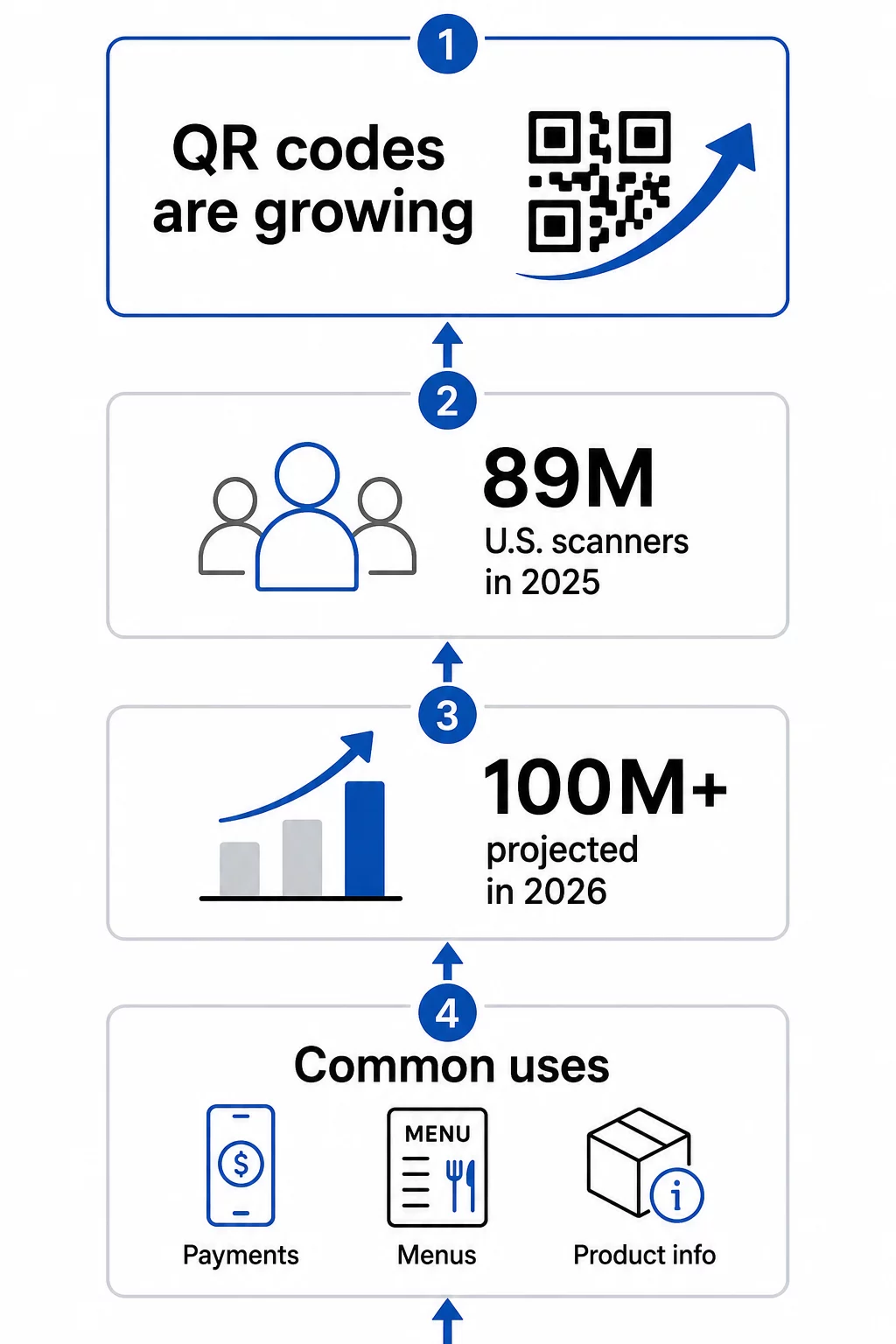
Globalt er adoptionen endnu mere udtalt. Asiatiske markeder fører med stor margin:
- Hong Kong indekserer med 100% relativ interesse i QR-kodebrug
- Macao ved 93%
- Singapore ved 80%
- Malaysia ved 74%
- Taiwan ved 70%
- Filippinerne på 58%
- Thailand ved 39%
- Tyskland ved 38%
- De Forenede Arabiske Emirater ved 37%
- Schweiz ved 37%
- Belgien ved 36%
- Østrig ved 36%
USA, trods sin store forbrugerbase, rangerer omkring 24% i relativ interesse – hvilket betyder, at der stadig er betydelig plads til vækst på det nordamerikanske marked.
Hvorfor QR-koder forsvandt – og så kom stærkere tilbage
QR-koder toppede omkring 2011, og mange antog, at de forsvandt derefter. Hvad der faktisk skete, er mere nuanceret: adoptionen gik i stå, fordi smartphones fra den æra krævede dedikerede scanningsapps, og brugeroplevelsen var for fragmenteret til at føles naturlig.
Det ændrede sig, da Apple og Android integrerede indbygget QR-scanning direkte i deres kamera-apps. Ingen ekstra download påkrævet – bare peg og scan. Det ene skift fjernede den største barriere for forbrugeradoption.
COVID-19-pandemien accelererede tingene yderligere. Restauranter erstattede trykte menuer med QR-linkede digitale versioner næsten fra den ene dag til den anden. Virksomheder opdagede, at en scannbar kode helt kunne erstatte fysiske berøringspunkter, og forbrugerne tilpassede sig hurtigt. Adfærden blev normaliseret på tværs af demografier, der aldrig havde brugt QR-koder før.
I dag er brugen af QR-koder blevet en vedvarende trend, ikke en dille. Teknologien har været på en opadgående bane siden 2016, og infrastrukturen – både på forbrugerenhedssiden og forretningsværktøjssiden – er nu moden nok til at understøtte seriøs marketing- og operationel brug.
Hvem bruger faktisk QR-koder i 2024 og fremover
Spørgsmålet er ikke rigtig, om folk scanner QR-koder – det gør de tydeligvis. Det mere nyttige spørgsmål er: hvad scanner de, og hvorfor er det vigtigt for din virksomhed?
Ifølge undersøgelsesdata fra amerikanske forbrugere er de mest rapporterede brugsscenarier:
- Foretage betalinger – kontaktløs betaling via QR er blevet standard i mange detail- og fødevaremiljøer
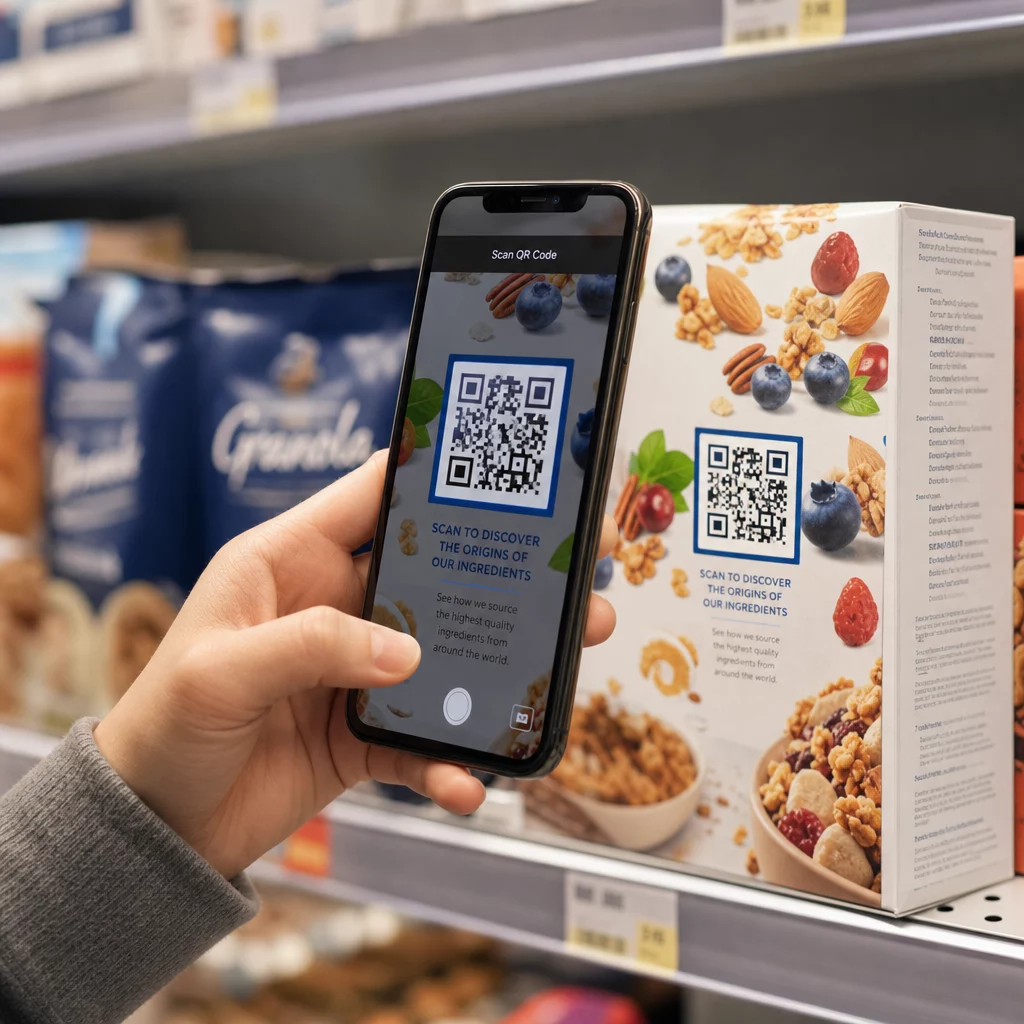
- Kontrol af information om fødevarer og drikkevarer – gennemsigtighed i ingredienser, detaljer om oprindelse og salgsfremmende indhold
- Restaurantmenuer – 57% af amerikanske forbrugere rapporterede at have scannet en QR-kode på en restaurant i den seneste måned i 2025
Ud over forbrugeradfærd er forretningssiden lige så overbevisende. I en undersøgelse fra 2025 sagde 98% af virksomheder, der bruger QR-koder, at de havde en positiv indvirkning på markedsføringen, og 95% sagde, at QR-koder hjælper dem med at indsamle førsteparts kundedata – en betydelig fordel, da tredjepartssporing bliver mindre pålidelig.
Resultater fra den virkelige verden understøtter dette. En Capri Sun-konkurrencekampagne, der brugte QR-koder på produktemballage, genererede mere end 579.000 visninger af landingssider og over 28.000 tilmeldinger. Et stort hotelbrand rapporterede at have sparet 150.000 kr. i printomkostninger ved at erstatte fysiske menuer og flyers med QR-kodebaserede digitale versioner.
De mest nyttige QR-kodetyper for virksomheder
Der findes over et dusin QR-kodetyper, men en håndfuld udgør størstedelen af forretningsmæssige anvendelsestilfælde. At forstå hvilken type der passer til dit mål, sparer tid og giver bedre resultater.
URL/Link QR-koder er de mest almindelige. De dirigerer scannere til enhver webadresse – en produktside, en landingsside, en social profil eller en uploadet fil. Hvis du kører en kampagne og ønsker fleksibilitet, kan en dynamisk link QR-kode lade dig ændre destinationen efter udskrivning uden at oprette en ny kode.
PDF QR-koder giver dig mulighed for at vedhæfte et dokument direkte til koden – brochurer, brugsanvisninger, menuer eller kataloger. I modsætning til at linke til en cloud-lagringsfil holder hosting af PDF'en via en QR-platform indholdet stabilt og tilgængeligt uden at være afhængig af tredjepartstjenester.
vCard QR-koder fungerer som digitale visitkort. Når de scannes, sender de kontaktoplysninger direkte til brugerens telefon, hvilket eliminerer manuel dataindtastning. I professionelle omgivelser er dette målbart hurtigere og mere præcist end at udveksle papirkort.
E-mail QR-koder forududfylder en e-mail adresseret til dig, når den scannes, hvilket mindsker friktionen mellem en person, der har til hensigt at kontakte dig, og faktisk gør det.
Wi-Fi QR-koder deler netværksoplysninger automatisk ved scanning. I stedet for at dele et kodeord mundtligt eller på et printet kort, forbinder gæster øjeblikkeligt – en lille forbedring i oplevelsen, der tæller i gæstfriheds-, kontor- og detailmiljøer.
Se hvad der er muligt med dynamiske QR-koder Vil du oprette koder, der kan opdateres efter udskrivning og spores i realtid? Udforsk Dynamisk QR-kode generator for at bygge fleksible, målbare QR-koder til ethvert brugsscenarie.
Statisk vs. Dynamisk: Hvorfor forskellen betyder noget
Ikke alle QR-koder opfører sig ens. Statiske QR-koder indkoder information direkte i mønsteret – når de er oprettet, er destinationen fast. De er passende til permanent information som et Wi-Fi-kodeord, der aldrig ændres, eller en simpel URL, du aldrig får brug for at opdatere.
Dynamiske QR-koder fungerer anderledes. De indkoder en kort omdirigerings-URL, og den faktiske destination kan opdateres når som helst uden at generere eller genudskrive en ny kode. Den fleksibilitet alene er værdifuld i marketingkontekster, men den større fordel er sporing.
Med en dynamisk kode kan du overvåge:
- Samlet antal scanninger og unikke scanningsantal
- Geografisk placering af scanninger
- 6. Enhedstype og operativsystem
- Tid og dato for hver scanning
- Scanningsfrekvens over en kampagneperiode
Disse data lader dig måle, hvilke placeringer der virker, hvilke der ikke gør, og hvor du skal fokusere fremtidige anstrengelser. Du kan lære mere om, hvordan sporing fungerer på Pageloots guide til QR-kodesporing og -analyse.
For enhver kampagne, hvor du udskriver materialer i store mængder – emballage, skiltning, direct mail – er dynamiske QR-koder det praktiske valg. Hvis destinationen ændres, eller kampagnen udvikler sig, opdaterer du linket i stedet for at genudskrive alt. Du kan sammenligne begge tilgange i detaljer på side om statiske vs. dynamiske QR-koder.
Hvordan man får QR-koder til at virke effektivt
At generere en QR-kode er ligetil. At få den til faktisk at virke kræver et par bevidste valg.
Design for scannbarhed. Brug en mørk forgrund på en lys baggrund – vend aldrig dette om. Undgå travle baggrunde eller dekorative elementer, der reducerer kontrasten. Hvis du tilføjer et logo, skal du bruge et højere fejlkorrektionsniveau (Q eller H) for at kompensere for de dækkede moduler.
Tilpas størrelsen til scanningsafstanden. Et praktisk minimum er omkring 0,8 × 0,8 tommer (2 × 2 cm) for materialer, der scannes tæt på. For plakater eller skiltning skal størrelsen øges proportionalt – cirka 1 cm kode pr. 10 cm forventet scanningsafstand. En plakat set fra 20 tommer bør være mindst 2 × 2 tommer. Du kan finde detaljeret teknisk vejledning i artikel om bedste praksis for QR-kodes brugervenlighed.
Placer den, hvor folk naturligt kan scanne den. Forrest og i midten på trykte materialer, i øjenhøjde på plakater, væk fra folder og kanter, og aldrig et sted uden pålideligt mobilsignal. Placering, der kræver akavet fysisk vridning, vil mærkbart reducere scanninger.
Skriv en klar opfordring til handling. “Scan for at se menuen”, “Scan for din rabat” eller “Scan for at lære mere” fungerer alle bedre end en QR-kode uden forklaring. Placer CTA'en direkte over eller under koden, og sørg for, at instruktionen stemmer overens med, hvad brugeren faktisk modtager, når de scanner.
Optimer destinationen til mobil. Det linkede indhold skal indlæses hurtigt, vises rent på en lille skærm og levere præcis, hvad CTA'en lovede. At sende nogen til din hjemmeside, når koden siger “scan for menuen”, er en hurtig måde at miste den engagement, du lige har opnået.
Test før du udgiver. Scan koden på flere enheder, under forskellige lysforhold, i den tilsigtede visningsafstand og på faktiske trykte materialer. Tjek, at linket virker. Gentjek det med jævne mellemrum under kampagnen for at bekræfte, at destinationen forbliver aktiv.
For et dybere kig på effektivt kampagnedesign, se bedste guide til QR-kodekampagner og side om, hvordan man bruger QR-koder tilbyder praktiske eksempler på tværs af brancher.
Hvor QR-koder passer ind i din marketingstrategi
QR-koder løser et specifikt og vedvarende problem: kløften mellem fysiske materialer og digitale oplevelser. En flyer, en pakke, et visitkort eller et butiksvindue kan kun indeholde så meget information – men en QR-kode forvandler enhver af disse overflader til en gateway til ubegrænset digitalt indhold.
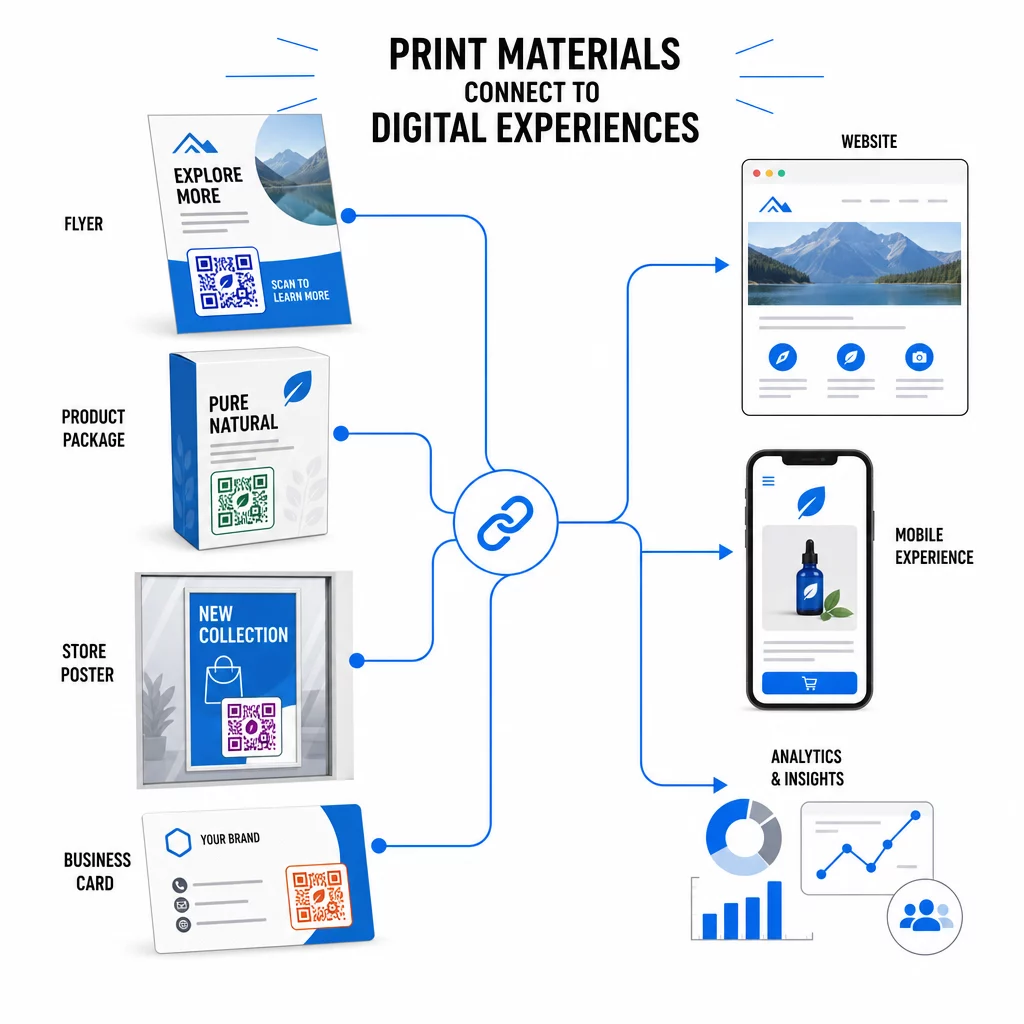
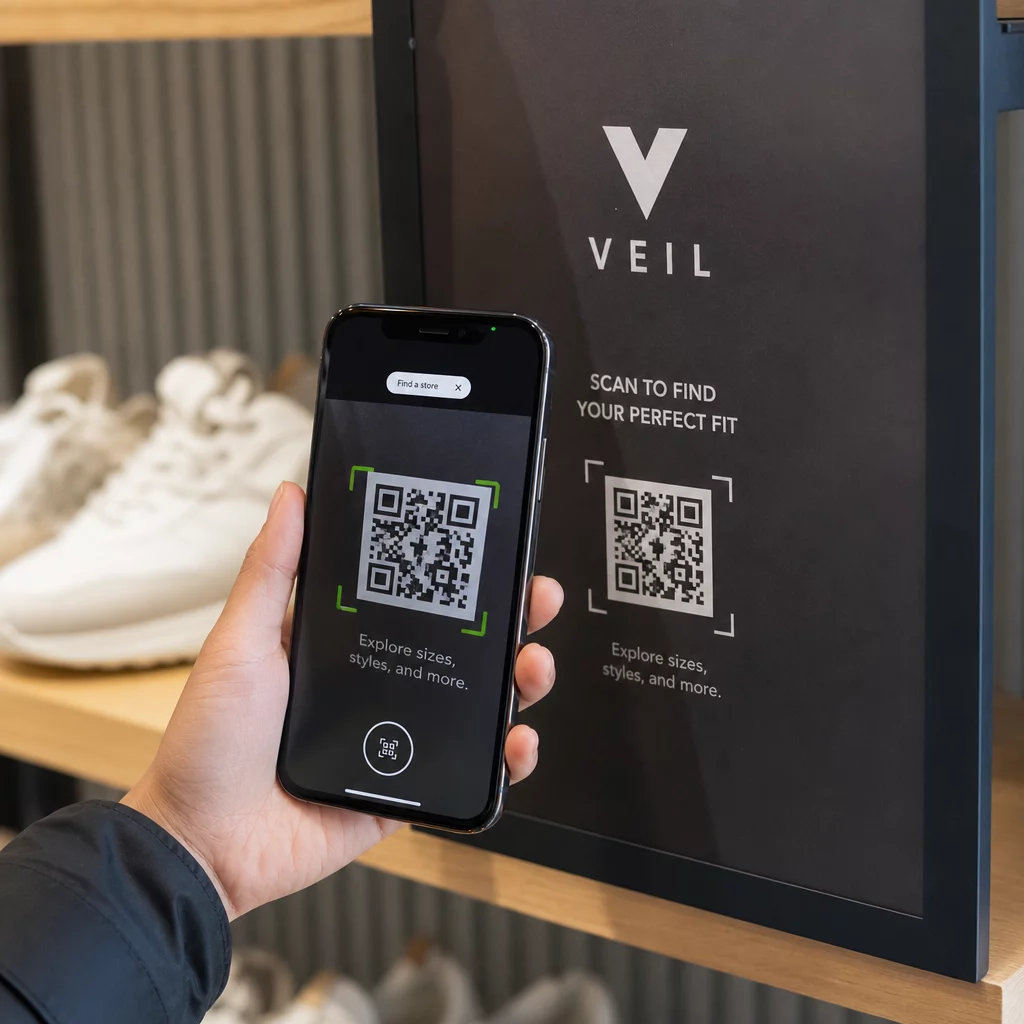
Forhandlere bruger koder på hylder, kvitteringer og vinduer til at forbinde fysiske udstillinger med kampagnelandingssider, loyalitetsprogrammer og engagement efter køb. Scannedata afslører, hvilke placeringer der skaber mest interesse, hvilket muliggør løbende optimering. Du kan udforske branchespecifikke applikationer på side om QR-kodeløsninger efter branche eller gennemgå specifikke funktionsmuligheder på funktioner-side.
Specifikt for marketingfolk fungerer QR-koder som et førsteparts dataindsamlingsværktøj. Hver scanning genererer et datapunkt. Saml disse på tværs af en kampagne, og du har adfærdsdata – hvornår, hvor og hvor ofte folk interagerer med dine fysiske materialer – uden at skulle stole på cookies eller tredjepartsplatforme.
Det oversigt over QR-kodemarketing dækker den strategiske sag mere detaljeret, og guide til at forbinde print og digital marketing viser, hvordan specifikke kampagner har brugt QR-koder til at bygge bro mellem begge kanaler målbart.
Begynd at spore din QR-kodeydeevne Se præcis hvornår, hvor og hvor ofte dine koder scannes. Den Dynamisk QR-kode generator inkluderer et komplet analyse-dashboard, så du kan måle, hvad der virker, og opdatere dit indhold uden at genudskrive. QR-koder er et praktisk, målbart værktøj med dokumenteret udbredelse og reelle forretningsapplikationer. Spørgsmålet er ikke, om de virker – det er, om du bruger dem på en måde, der indfanger de data og det engagement, de er i stand til at generere. Start med en klar brugssituation, vælg den rigtige kodetype, og sørg for, at oplevelsen på den anden side af scanningen er værd at trykke på.
Ofte stillede spørgsmål
Ja. Alene i USA scannede 89 millioner mennesker en QR-kode i 2025, og det tal forventes at overstige 100 millioner i 2026. Udbredelsen vokser globalt, og QR-koder bruges i vid udstrækning inden for detailhandel, hotel- og restaurationsbranchen, mad og drikke, begivenheder og marketingkampagner.
En statisk QR-kode har en fast destination, der ikke kan ændres efter oprettelse. En dynamisk QR-kode bruger en omdirigerings-URL, der kan opdateres når som helst uden at genudskrive koden. Dynamiske koder understøtter også scanningsovervågning, hvilket giver dig data om, hvornår, hvor og hvor ofte din kode scannes.
Brug høj kontrast (mørk på lys), tilpas koden passende til scanningsafstanden, placer den, hvor brugere nemt kan nå den, og inkluder altid en klar opfordring til handling, der forklarer, hvad de får, når de scanner. Test koden på flere enheder, før du distribuerer trykt materiale.