Galīgais ceļvedis QR kodiem mazumtirdzniecības navigācijai

Galīgais ceļvedis QR kodiem mazumtirdzniecības navigācijai

Explore how retailers leverage QR codes to enhance customer navigation, streamline operations, and gather valuable data insights.
Atjaunināts 12. decembris, 2025
Saturs

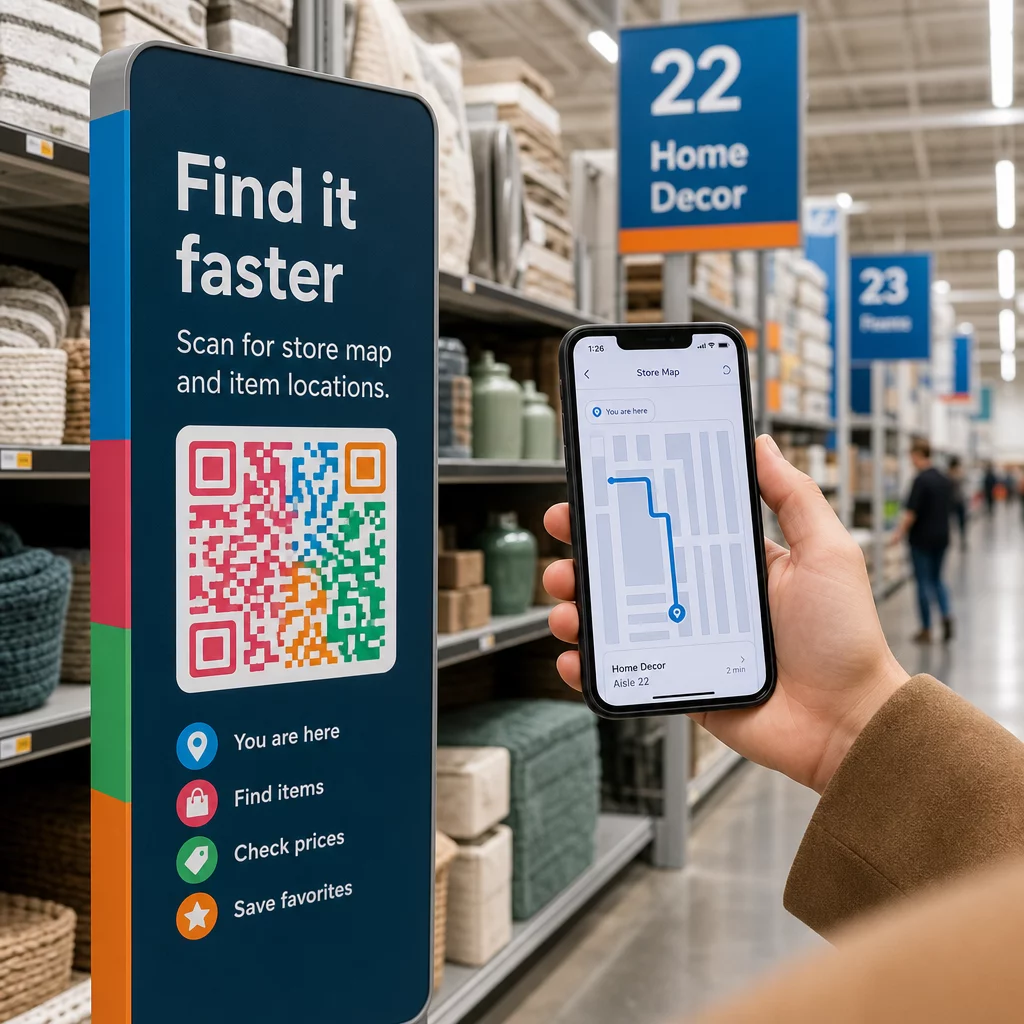
QR codes are transforming how retailers connect with customers by merging physical and digital shopping experiences. With just a smartphone scan, shoppers can access store maps, product details, promotions, and even make contactless payments. This technology simplifies shopping, improves efficiency, and provides retailers with valuable data to optimize store layouts and marketing strategies.

Key takeaways:

Retailers like Target un Walmart have seen improved customer satisfaction and sales by integrating QR codes into their operations. From grocery stores to electronics retailers, QR codes are reshaping how businesses meet customer expectations for faster, more efficient shopping.

QR codes in retail navigation basics

What are QR codes and how they work

QR codes, or Quick Response codes, are two-dimensional barcodes that store information in a grid of black and white squares. Unlike traditional barcodes, which only hold limited data, QR codes can contain a wide range of information, such as URLs, text, or contact details. Their real advantage in retail lies in their ability to be scanned quickly and from any direction, using just a smartphone camera.

When a customer points their phone at a QR code, the camera instantly decodes the embedded information. The process is fast and doesn’t require users to download any special apps on modern devices.

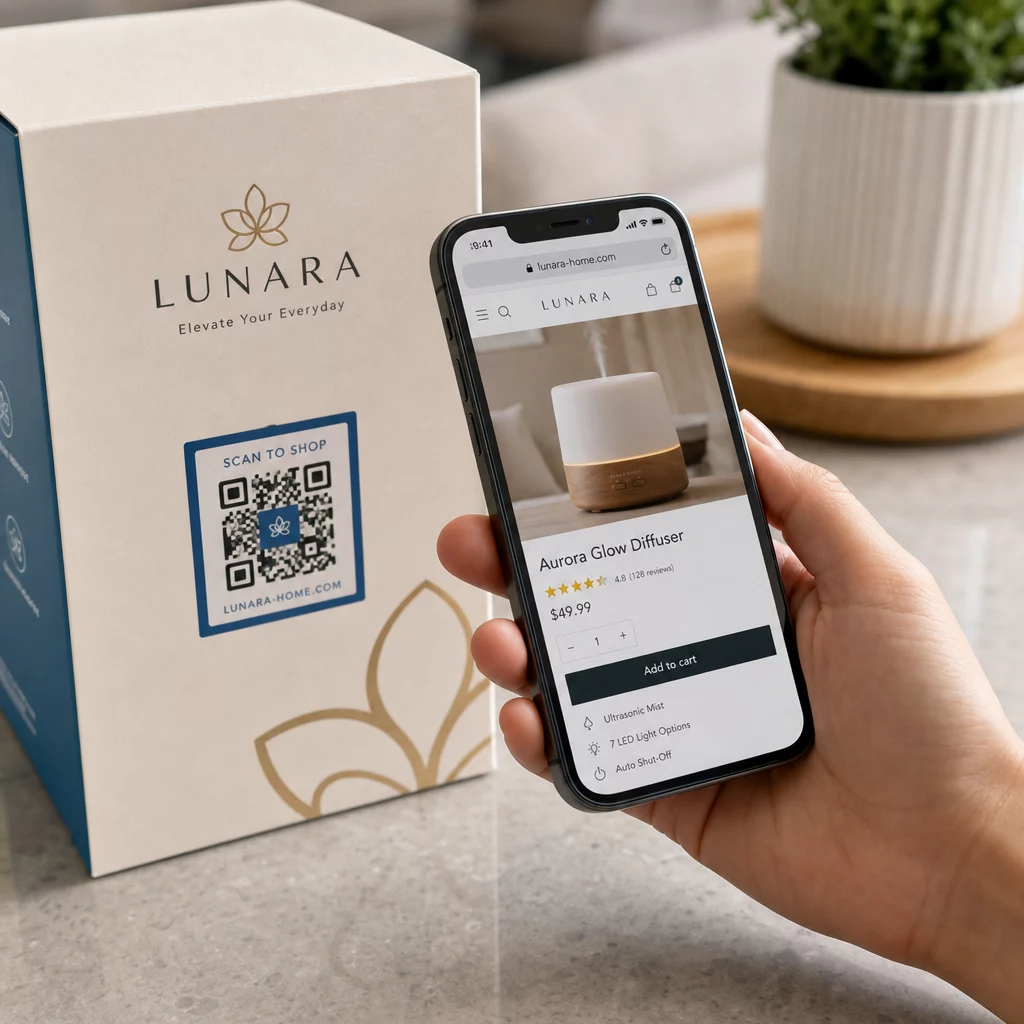
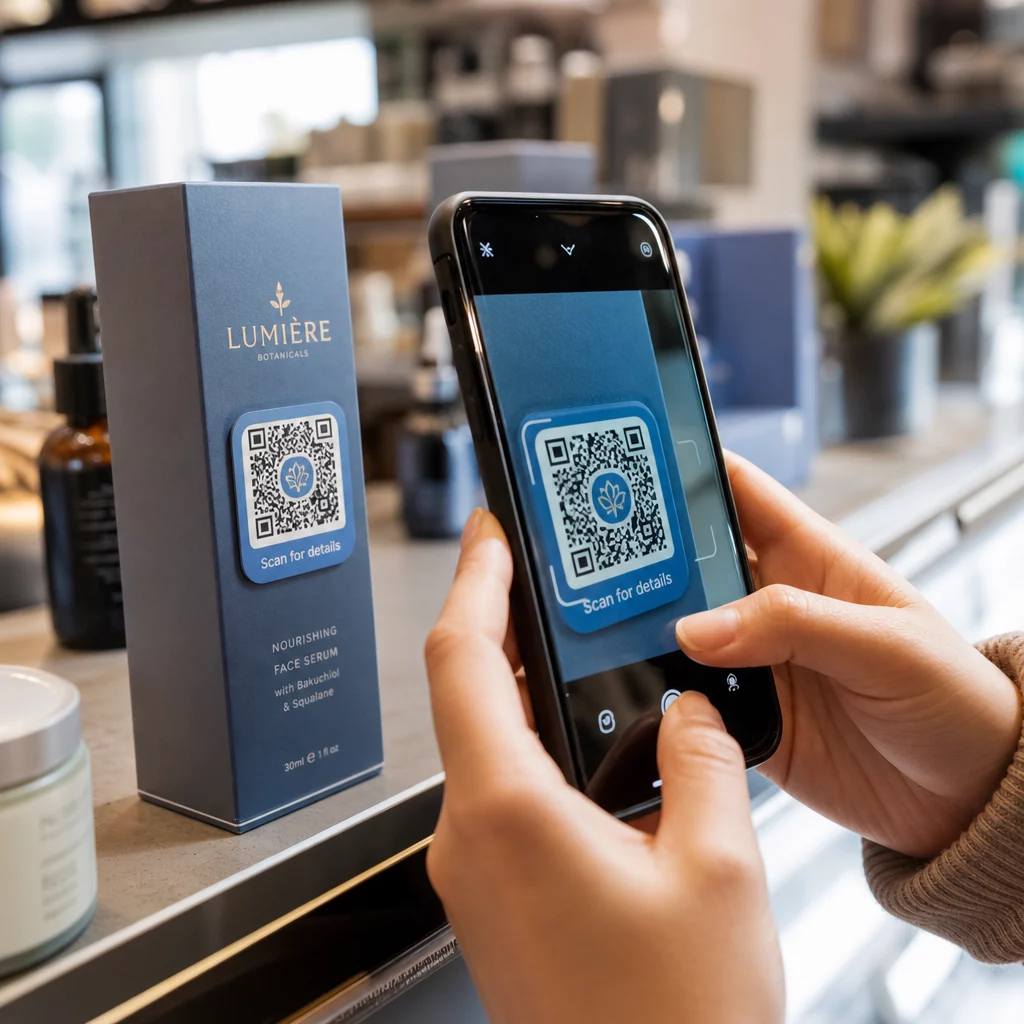
In retail, this simple technology transforms static displays into dynamic, interactive experiences. A quick scan can link shoppers to product reviews, detailed specifications, or promotional content. This makes QR codes an easy-to-use digital tool for retailers looking to engage customers in new ways.

QR code development in retail

The early days of QR codes were focused on basic tasks like tracking inventory, but their role in retail has expanded significantly. Today, nearly 25% of all QR codes are used in the retail sector, reflecting their growing importance as tools for customer engagement.

Retailers now use QR codes for much more than basic functions. They’ve become essential for features like interactive store maps, instant access to loyalty programs, contactless payments, and personalized promotions.

This evolution has been driven by a surge in usage. QR code scans have increased by an incredible 433% globally in recent years, prompting retailers to explore creative applications. For example, QR codes now help customers access online catalogs when stores are closed, simplify returns by linking to dedicated portals, and even provide self-service support through FAQ pages.

"Think of QR Code technology as the modern-day multitool for the retail industry. What started as a simple tracking solution has grown into a marketing powerhouse, helping retailers attract more foot traffic and create better connections with their customers."

This shift isn’t just about adopting new tools – it’s about rethinking how retailers interact with their customers. By using QR codes, smart retailers are blending their physical and digital spaces, creating stronger connections at every step of the shopping journey.

Connecting online and offline experiences

QR codes are particularly effective at linking physical stores with digital resources, creating what many call "phygital" retail environments. These spaces allow customers to move effortlessly between in-store and online experiences.

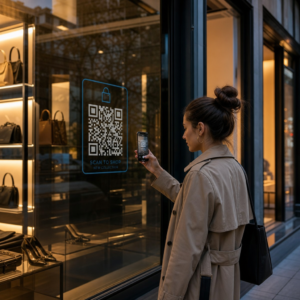
Imagine this: a shopper scans a QR code on a store window to see current promotions, then uses another inside to access a store map, and finally scans one at a display to read product reviews or specifications.

The benefits go beyond information sharing. About 70% of retailers report that QR codes are a convenient payment method, offering customers a way to make purchases without waiting in line. This contactless approach has become especially appealing as shoppers increasingly expect faster, more efficient options.

Mobile apps take this integration even further. As Amanda Vandiver, Head of Product Marketing at Branch, notes: "By integrating QR codes with your mobile app, you can transform offline interactions into really powerful opportunities for app acquisition and user engagement". This strategy helps retailers turn in-store customers into long-term digital users who continue engaging with the brand after they leave.

The best implementations create a seamless blend of online and offline experiences. For instance, a customer might scan a QR code to join a loyalty program, receive tailored offers through the retailer’s app, and then use another QR code for contactless payment – all while enjoying the tactile experience of shopping in-store. These integrated approaches are redefining how customers interact with brands. Ready to make this leap? Create a QR code and start transforming your retail space today.

Benefits of QR Codes for In-Store Navigation

Improving Customer Experience

QR codes make shopping easier by giving customers instant access to the information they need. Instead of hunting down store staff or aimlessly wandering aisles in search of products, shoppers can scan a code to get directions, view product details, or even receive personalized recommendations.

For example, customers can instantly pull up detailed product information right where they stand, helping them make informed choices without feeling rushed. It’s a convenient way to shop at their own pace.

Take Amazon Go stores as a prime example. Shoppers scan a QR code to enter, pick up their items, and leave without waiting in checkout lines. This frictionless process has not only simplified shopping but also set a new standard for convenience, fostering strong customer loyalty.

QR codes also allow retailers to offer tailored recommendations based on a shopper’s preferences, location in the store, or past purchases. This level of personalization enhances the shopping experience while also benefiting store operations.

Operational and Efficiency Gains

From an operational perspective, QR codes lighten the workload for staff and improve overall efficiency. Instead of repeatedly answering questions about product locations or store hours, employees can focus on more meaningful tasks like assisting customers with unique needs or driving sales.

QR codes also improve traffic flow within stores. By placing codes strategically, retailers can guide shoppers to less crowded areas, reducing congestion and encouraging exploration of other store sections.

Dinamiskie QR kodi bring another layer of flexibility. Retailers can update product details, prices, or promotions in real time without reprinting signs, saving both time and money. This ensures that customers always have the most accurate and up-to-date information.

Inventory management becomes simpler too. Staff can use QR codes to quickly access product databases, check stock levels, or update inventory records. This reduces manual data entry and minimizes errors that often come with traditional tracking methods.

Using Data with QR Code Analytics

QR codes don’t just help with navigation – they’re a goldmine for data. Every scan provides retailers with valuable insights into customer behavior that were previously hard to capture. For instance, QR koda analītika can reveal when and where customers interact with products or certain areas of the store.

Tracking dwell time helps identify which sections of the store attract the most interest. Retailers can use this data to optimize product placement, adjust staffing during busy times, or find opportunities for upselling and cross-selling.

Analyzing navigation patterns sheds light on common customer paths, allowing stores to refine layouts and strategically position high-margin items. Metrics from QR code scans also help evaluate the success of promotional campaigns or displays.

Tools like Pageloot’s free QR generator provide reāllaika analīze, such as scan frequency, peak usage times, and engagement levels. This data empowers retailers to make smarter decisions about store operations and marketing strategies.

Marketing and Loyalty Opportunities

QR codes also double as powerful marketing tools throughout the shopping journey. They can instantly direct customers to exclusive promotions, time-sensitive deals, or special discounts not available elsewhere.

Signing up for loyalty programs becomes faster and easier with QR codes. Instead of filling out forms or waiting in line, customers can join programs, check their points, or redeem rewards within seconds. This streamlined process encourages higher participation and boosts customer retention.

The growing popularity of QR codes highlights their marketing potential. In 2023, QR code usage in retail rose by 88% year-over-year, as more businesses recognized their ability to engage customers effectively.

Digital coupons delivered through QR codes eliminate the hassle of paper vouchers, offering instant rewards and a smoother shopping experience.

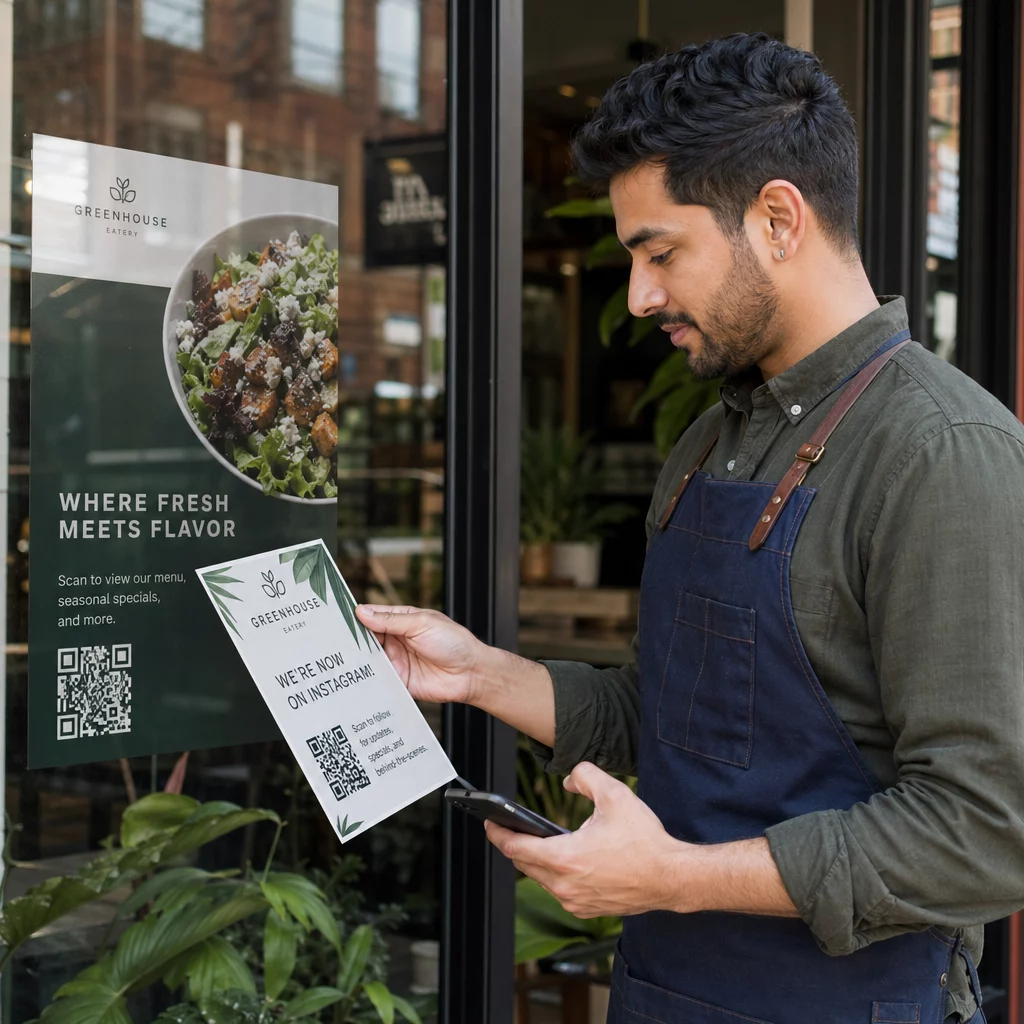
QR codes also enhance cross-channel marketing. When linked with social media campaigns or email marketing efforts, they drive traffic to online platforms and extend customer engagement beyond the physical store visit. By tying personalized promotions to in-store navigation, retailers can create a seamless and unified shopping journey.

Finally, tracking which QR codes generate the most scans helps retailers identify customer preferences and refine future campaigns. This ensures better targeting and more efficient marketing spend, making every campaign more impactful.

Advanced QR Code Solutions and Features

Dynamic QR Codes for Adaptability

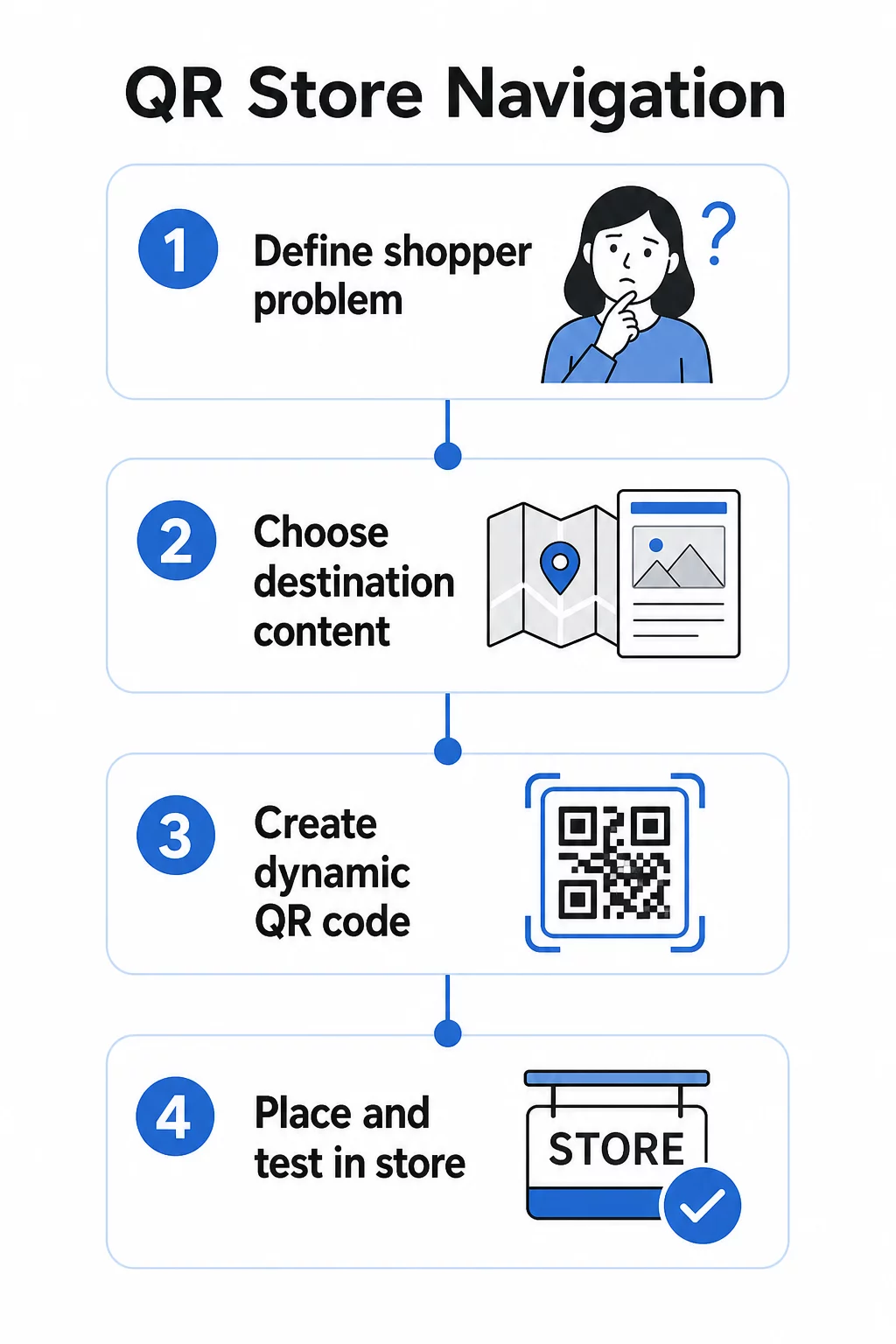
Dinamiskie QR kodi are a game-changer for retailers, allowing them to update destinations in real time without the hassle and cost of reprinting physical signage. Unlike static QR codes that are locked to one specific destination, dynamic codes let you modify the content or URL they point to whenever needed.

This capability is especially handy when store layouts shift, promotions wrap up, or product details need a refresh. For instance, a QR code on a store shelf can seamlessly redirect customers to a new product page, a seasonal promotion, or updated inventory details. This not only saves money on printing but also ensures your customers always have access to the most relevant and accurate information.

Picture a clothing store that uses the same QR code throughout the year. In spring, it might direct customers to a collection of seasonal outfits. Come summer, the same code can link to summer promotions, and later, to clearance sales – all without changing the physical code. This approach keeps operations simple while ensuring customers stay informed about the latest offerings.

Customizing QR Codes for Your Brand

Branded QR codes transform a simple QR code into a powerful branding tool. By incorporating your logo, brand colors, and custom templates, these codes become a natural extension of your visual identity, rather than just another generic black-and-white square.

Customers are more likely to trust and engage with codes that look professional and familiar. A well-designed QR code not only builds confidence but also reassures users that scanning it will lead to legitimate and useful content.

To create branded QR codes, align the design with your existing brand guidelines. Use your primary colors, integrate your logo without making the code hard to scan, and choose templates that match your store’s overall aesthetic. This ensures the QR codes feel like a cohesive part of your brand experience, rather than an afterthought.

Security and Privacy Features

Security features in QR codes are essential for protecting both your business and your customers. Secure QR codes use encrypted URLs and safe redirect protocols to prevent issues like phishing, malicious redirects, or unauthorized data collection.

When customers scan your QR codes, they should be confident they’ll land on trustworthy pages that safeguard their personal information while delivering the promised content or service.

Safe redirect protocols ensure users are taken directly to the intended destination without passing through shady intermediary sites. This builds trust and safeguards your brand’s reputation. Additionally, platforms that prioritize privacy compliance help ensure customer data – like scan analytics and location details – is handled in line with legal requirements, protecting your business from potential violations.

Integrating QR Codes with Marketing Tools

When paired with marketing tools, QR codes become an integral part of customer engagement. By linking them to marketing platforms, you can create personalized experiences, segment audiences, and even automate follow-ups based on how customers interact with the codes.

For example, a customer scanning a QR code in the electronics section might receive a targeted offer for tech accessories, while someone in the home goods aisle might see promotions for furniture. These personalized interactions make the shopping experience more engaging and relevant.

Beyond marketing, QR codes can connect with CRM systems, loyalty programs, inventory management, and customer service platforms. This integration creates a seamless ecosystem that improves both customer satisfaction and operational efficiency, paving the way for smarter retail strategies.

How Pageloot Simplifies QR Code Management

Pageloot

Pageloot makes managing QR codes simple and effective, fitting seamlessly into your retail strategy. Its user-friendly tools allow you to create, customize, and manage QR codes without needing technical expertise.

The platform supports over 25 types of QR codes, catering to diverse needs. Whether you need PDF QR codes for product manuals, video QR codes for tutorials, or Google Maps codes for store locations, Pageloot has you covered.

With real-time analytics, you can track scan rates, peak usage times, locations, and device types. These insights help you optimize code placement, refine marketing strategies, and improve store operations.

Pageloot’s editable QR codes let you update destinations or content after printing, which is invaluable in dynamic retail settings. For example, you can create a QR code today and change its purpose tomorrow without reprinting.

Branding options allow you to design QR codes that align with your visual identity, incorporating logos and colors while ensuring they remain scannable. For businesses managing multiple locations or campaigns, Pageloot’s centralized dashboard simplifies everything. You can monitor performance, update campaigns, and maintain consistent branding across all your QR codes – making it a practical solution for your retail needs.

Implementing QR Codes for Retail Navigation

Mapping Customer Journey Touchpoints

To enhance the shopping experience and streamline operations, strategically place QR codes along key points in the customer journey. Start by identifying moments where customers naturally pause or seek assistance. These could be opportunities to reduce questions, boost engagement, or drive sales.

Use tools like in-store tracking, customer feedback, and web analytics to understand shopping behaviors. Segment your audience by factors like demographics, behavior, and goals, as different groups will interact with QR codes in unique ways.

Some prime locations for QR codes include:

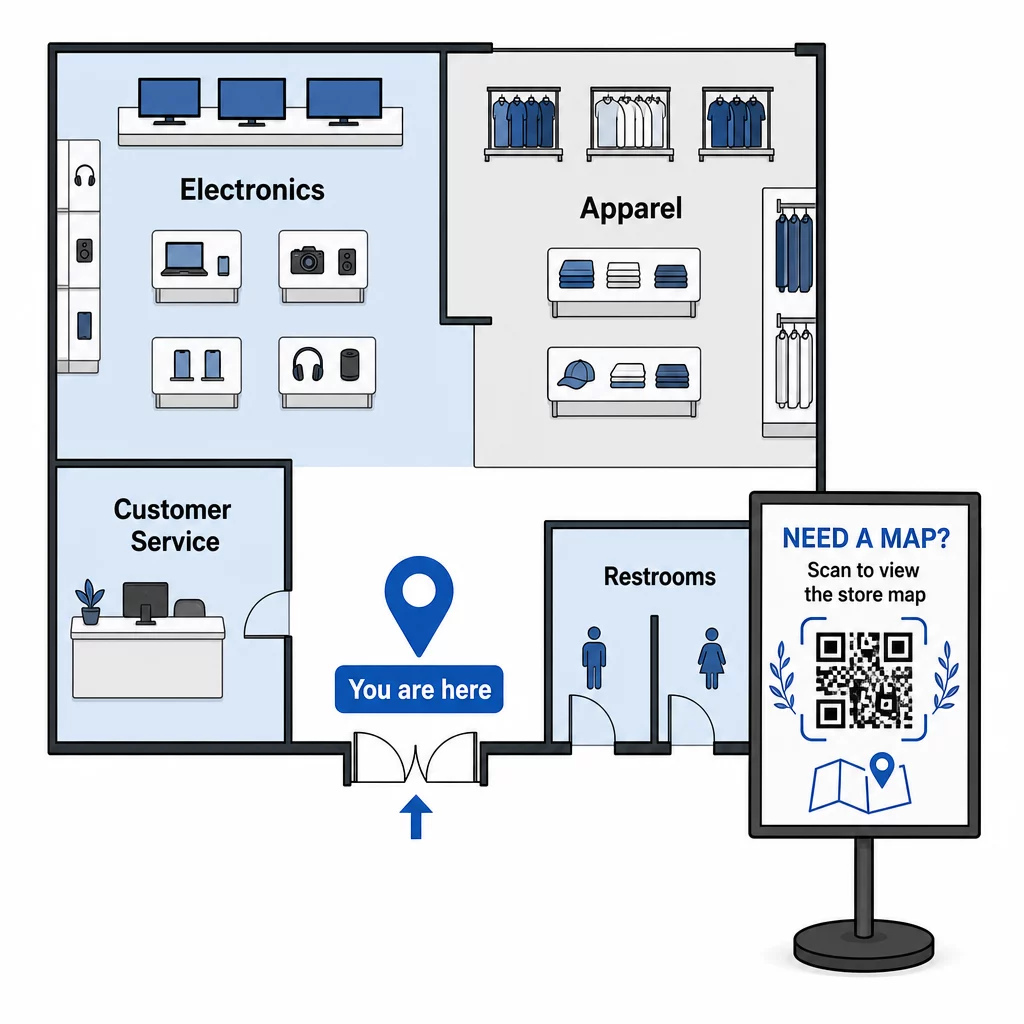
  • Store entrances: Help customers navigate with wayfinding tools.
  • Product displays: Offer additional product details or reviews.
  • Checkout areas: Encourage loyalty program sign-ups or promotional offers.
  • Service counters: Answer frequently asked questions quickly.

Piemēram, Apple Stores excel at mapping customer touchpoints, creating a seamless in-store experience. By identifying emotions and potential frustrations at each stage of the journey, you can place QR codes where they’ll provide the most value, such as areas where customers may feel overwhelmed or need guidance.

Once these touchpoints are clear, the next step is designing QR codes that fit naturally into these moments.

Designing and Generating QR Codes

Each QR code should serve a specific purpose – whether it’s directing customers to maps, product reviews, or special offers. For example:

To ensure usability, make sure the codes are easy to scan. Use high-contrast designs, incorporate brand colors carefully, and leave enough white space around the edges. The size of the QR code should match its intended scanning distance.

Adding clear, action-oriented text like "Scan for product reviews" or "Find your way" improves engagement. Avoid generic prompts like "Scan me", as they lack context.

You can also use different QR code styles for various purposes. For instance, navigation codes might have one design theme, while promotional codes use another, signaling their unique functions to customers.

Once designed, focus on where and how these QR codes will be displayed for maximum impact.

Placement and Visibility Best Practices

The success of QR codes depends heavily on their placement. Position them at eye level so they’re easy to spot and accessible for most adults, including those using mobility aids. Ensure they’re well-lit, glare-free, and sized correctly – scanning distance should be about 10 times the code’s width.

For navigation, place QR codes near entrances, at major intersections, or before customers enter new departments – places where they’re likely to pause and reorient themselves. Product-specific codes work best on shelf edges, end caps, or designated information stands, ensuring they’re not hidden by merchandise or clutter.

Be mindful of your store’s natural flow. Conduct real-world tests to ensure customers can easily see and use the QR codes without disruption.

Tracking and Optimizing Performance

QR code success doesn’t stop at implementation – it’s a continuous process. Use analytics to monitor scan rates, peak usage times, device types, and customer locations. This data will help you identify which codes are performing well and which need adjustments.

Beyond scan rates, evaluate how customers interact with the linked content. If engagement is low, it might mean the content doesn’t meet expectations or the call-to-action text isn’t clear enough.

Experiment with A/B testing to refine your approach. Test different placements, call-to-action phrases, and design elements to see what resonates most with your audience. Regularly review performance metrics to ensure your QR code strategy stays aligned with your business goals.

Case studies and real-world applications

Success stories from retail brands

Retail giants in the U.S., like Target and Walmart, have transformed the shopping experience by incorporating QR codes into their operations. By using QR codes for contactless payments and faster checkouts, they’ve managed to cut down wait times while enhancing safety measures for shoppers.

Portāls 2024 Consumer Product Content Benchmark Report highlights that 42% of shoppers feel QR codes have improved their shopping experience. Why? Because QR codes offer quick access to product details, digital manuals, and promotional content – no need to wait for assistance from store staff.

One national grocery chain saw a 25% jump in digital coupon redemptions and a 15% rise in repeat visits after introducing QR codes for in-aisle promotions. Placing these codes in high-traffic spots and near seasonal displays made it easier for shoppers to grab deals on the go.

An electronics retailer also saw a significant boost, with customer satisfaction climbing from 3.8 to 4.5 out of 5. QR codes allowed customers to instantly access product reviews and support, eliminating the hassle of tracking down staff for help. These results are further reflected in the metrics below.

Before-and-after comparisons

The effectiveness of QR code integration becomes clear when you look at the numbers. Retailers who embraced this technology saw improvements across key performance indicators, as shown below:

Metrika Before After Improvement
Engagement Rate 18% 38% +111%
Average Transaction Time 7 minutes 3 minutes -57%
Customer Satisfaction 3.8/5 4.5/5 +18%
Repeat Visits 22% 35% +59%
Sales Conversion Rate 12% 20% +67%

Beyond customer engagement, the retail industry as a whole has embraced QR codes, with an 88% increase in QR code usage during the COVID-19 pandemic. This trend reflects a growing preference for contactless and digital solutions.

Operationally, QR codes have streamlined processes like inventory management and automated reordering. They’ve also reduced staff workloads by enabling customers to find information on their own.

Adaptation for different retail sectors

Retailers are tailoring QR code strategies to meet the unique needs of their industries. Here’s how different sectors are putting QR codes to work:

  • Grocery stores: QR codes provide details on nutritional information, allergen warnings, product origins, and even recipes – catering to increasingly health-conscious shoppers.
  • Apparel retailers: QR codes enable virtual fitting rooms, personalized style suggestions, and easy loyalty program sign-ups. They also help showcase outfit ideas and seasonal trends.
  • Electronics stores: With QR codes, customers can access technical specs, comparison charts, setup guides, and product reviews instantly. This reduces complexity for shoppers and lightens the load on sales staff.

Retailers are also using QR code generators to create branded codes that align with their store’s design and purpose. For example, grocery stores might design codes with organic themes to highlight sustainable products, while electronics retailers could use tech-inspired designs to present product details.

A well-rounded QR code strategy often includes different types of codes for specific purposes. Navigation codes help customers find their way around, product codes provide detailed information, and promotional codes unlock deals or demos. By clearly defining these categories, retailers ensure customers know exactly what to expect with every scan.

Problēmu novēršana un labākā prakse

Common Challenges and Solutions

QR code campaigns can run into a few hiccups, but most are easy to fix with some attention to detail.

Scanning errors often occur due to poor print quality, low contrast, or physical damage. To avoid these issues, use high-resolution images, ensure strong contrast (like black on white), and test your codes in different environments.

Broken or expired links can frustrate customers and hurt your reputation. Opt for dinamiskie QR kodi that allow you to update destination URLs instantly, ensuring the code always leads to the right place.

Placement matters. If your QR codes are in inconvenient or hard-to-see locations, engagement will drop. Place them at eye level in well-lit, open spaces. Think about customer flow – areas like entrances, product displays, or checkout counters are ideal spots where people naturally pause.

Clear instructions are crucial. Customers shouldn’t have to guess what happens after they scan. A simple call-to-action, like "Scan for 20% off", can dramatically increase scan rates by setting clear expectations.

Don’t forget about mobilā optimizācija. If customers scan a code only to land on a page that doesn’t work well on their device, they’ll leave immediately. Make sure all landing pages are designed for mobile to keep your audience engaged.

Tips for Maximizing Scan Rates

Once you’ve addressed the common challenges, focus on refining your QR code design and strategy to drive more engagement.

  • Size matters. QR codes smaller than 1 x 1 inch can be difficult to scan, especially on older devices or in poor lighting. For specific recommendations based on placement and distance, check out our QR izmēru ceļvedis.
  • Make them visually appealing. Use branded colors and logos to make your codes stand out. A plain black-and-white square might go unnoticed, but a code that incorporates your brand’s colors and logo feels more professional and trustworthy. Tools like Pageloot’s QR code generator make customization simple.
  • Strategic placement is key. High-traffic areas like store entrances, popular product sections, or checkout lines naturally attract more attention. Seasonal displays or sale items are also great spots – customers already in a buying mindset are more likely to engage.
  • Be specific about the benefit. Instead of a vague "Scan me", tell customers exactly what they’ll get. For example, "Scan for 20% off", "See customer reviews", or "Watch a product demo" provides a clear incentive to take action.
  • Lighting and backgrounds matter. Avoid placing QR codes on reflective surfaces, busy patterns, or in dimly lit areas. A clean, contrasting background in a well-lit space ensures better scanning success across all devices.

Finally, experiment and track results. Testing different placements, designs, and calls-to-action can help you identify what works best for your audience. Use analytics to see which codes perform well and adjust your strategy accordingly.

For a deeper dive into optimizing QR code campaigns, explore these helpful guides:

  • Dynamic vs Static QR Codes explains the flexibility of dynamic codes and when to use them.
  • QR Size Guide provides detailed recommendations for optimal dimensions.
  • Why QR Codes Aren’t Working offers troubleshooting tips for common issues.
  • How to Edit QR Codes shows how to update links and content without starting over.

Pageloot simplifies the process by combining QR code creation, customization, and analytics into a single platform. With real-time tracking, you can see which codes perform best, and built-in editing tools let you adjust campaigns instantly. This all-in-one approach minimizes hassle while maximizing results.

Lastly, don’t underestimate the power of staff training. When your team understands how QR codes work and can assist customers with scanning, engagement rates tend to improve. A quick training session to explain the benefits and troubleshoot common issues can make a big difference in the overall customer experience.

These strategies will help you fine-tune your QR code campaigns and create a seamless, engaging experience for your customers.

14 Smart Ways Retailers Are Using QR Codes (With Real Brand Examples)

Secinājums

QR codes have evolved far beyond their original purpose as tracking tools, becoming essential in bridging the gap between physical and digital shopping experiences. They bring a host of benefits to retailers, including boosting customer engagement, simplifying operations, and offering detailed data insights that can refine both store layouts and marketing approaches. From providing instant product details and interactive store maps to enabling contactless payments and personalized discounts, QR codes cater to shoppers’ growing need for convenience, safety, and efficiency.

Dinamiskie QR kodi take things a step further by allowing retailers to update content in real time while collecting valuable customer data. Paired with real-time analytics, these codes offer a deeper understanding of shopper behavior and preferences, paving the way for smarter business decisions.

To see these advantages in action, thoughtful implementation is crucial. This means placing QR codes in strategic locations, ensuring they work seamlessly on mobile devices, and delivering clear, tangible benefits to customers. When done right, QR codes can help reduce staff workload, improve customer satisfaction, and provide actionable insights into shopping habits.

Pageloot simplifies QR code management for retailers of all sizes, offering tools like customizable designs, dynamic content editing, and detailed tracking. This makes it easier than ever to create and maintain effective QR code campaigns that deliver real results.

Bieži uzdotie jautājumi

How can retailers use QR codes to improve the in-store shopping experience?

Retailers can make in-store shopping more interactive and convenient by placing QR kodi in strategic spots like entrances, product displays, or checkout areas. These codes can instantly connect shoppers to product information, customer reviews, and special promotions, adding an extra layer of convenience and engagement to the experience.

Ar dinamiskie QR kodi, businesses can update the linked content in real-time, ensuring customers always access up-to-date information. QR codes can also simplify tasks like contactless payments or guiding customers through the store, cutting down on wait times and improving the overall flow of the shopping experience. By designing QR codes with custom logos and colors, retailers can reinforce their brand identity while using analytics to track performance. This data can help refine store layouts and marketing efforts, enhancing customer satisfaction and encouraging them to return.

What makes dynamic QR codes more effective than static ones for retail use?

Dinamiskie QR kodi bring a whole new level of flexibility and effectiveness to retail settings compared to their static counterparts. The key advantage? You can update the linked content or URL in real-time without having to reprint the code. This makes it incredibly easy for retailers to tweak promotions, update product information, or switch campaign links as needed, cutting down on both time and costs.

On top of that, dinamiskie QR kodi come with powerful analytics capabilities. Businesses can track metrics like where and when scans happen, as well as the types of devices used. These insights can play a big role in refining marketing strategies and delivering more tailored shopping experiences. In today’s fast-paced retail world, dinamiskie QR kodi offer the adaptability and data-driven insights that help businesses stand out while improving customer engagement.

How can retailers use QR code analytics to improve their marketing and store performance?

QR code analytics provide retailers with a window into how customers engage with their stores. By monitoring interactions with in-store QR codes, businesses can gain a clearer picture of customer behavior – like how they navigate the space, which products catch their eye, and how much they interact with various offerings.

This information allows retailers to fine-tune store layouts, adjust product placements, and create marketing campaigns that truly connect with their audience. It also highlights which promotions or QR code initiatives are most effective, helping businesses zero in on strategies that yield better returns. Using these insights, retailers can make smarter, data-backed choices to enhance the shopping experience and boost overall store performance.

Saistītie emuāra ieraksti

Par autoru

Sīms Kostabi ir Pageloot satura vadītājs. Viņš raksta par mūsu inovatīvajiem QR kodu ģeneratora pakalpojumiem. Ar vairāk nekā piecu gadu pieredzi QR kodu jomā Sīms ir šīs jomas eksperts. Viņš veic ievērojamus panākumus QR tehnoloģiju izmantošanā, lai vienkāršotu un uzlabotu digitālo mijiedarbību.

Kategorija
Uzzini vairāk par

Ja jums ir nepieciešams izveidot QR kodus tiešsaistē, varat QR koda izveide tepat šeit bez maksas!
Pageloot ir #1 Go-To risinājums izveidot un skenēt QR kodus.

BL-0046

Vairāk nekā 20 000 zīmolu uzticas, lai iegūtu vairāk pārdošanas apjomu, atsauksmju un sekotāju.

Klientu logotipi
Uzticami labākie zīmoli
Novērtēts 4.8 no 5

4,86 / 5 zvaigznes

Hugo Lorāns
Hugo Lorāns
Restorāna īpašnieks
Visvienkāršākais un uzticamākais QR kodu ģenerators. PDF failus var augšupielādēt uzreiz. Mūsu restorānu ēdienkartes tagad ir digitālas.
Lūkass Jansens
Lūkass Jansens
Nekustamā īpašuma attīstītājs
Šis ir lielisks rīks, un QR kodi aizvedīs jūs uz vajadzīgo vietu. Mēs izmantojam tikai atrašanās vietas QR kodu, taču ir tik daudz noderīgu funkciju.
Emma Moretti
Emma Moretti
Mazumtirdzniecības produkti
Viegli un ātri lietojams. Tas darbojas lieliski un rada ideālus attēlus, lai darbinieki varētu lejupielādēt manu vCard.
Hugo Lorāns
Hugo Lorāns
Restorāna īpašnieks
Visvienkāršākais un uzticamākais QR kodu ģenerators. PDF failus var augšupielādēt uzreiz. Mūsu restorānu ēdienkartes tagad ir digitālas.
Lūkass Jansens
Lūkass Jansens
Nekustamā īpašuma attīstītājs
Šis ir lielisks rīks, un QR kodi aizvedīs jūs uz vajadzīgo vietu. Mēs izmantojam tikai atrašanās vietas QR kodu, taču ir tik daudz noderīgu funkciju.
Emma Moretti
Emma Moretti
Mazumtirdzniecības produkti
Viegli un ātri lietojams. Tas darbojas lieliski un rada ideālus attēlus, lai darbinieki varētu lejupielādēt manu vCard.
Skatīt vairāk QR kodu
Dropbox QR koda skenēšana
QR kodi Dropbox
Pārvērtiet jebko digitālā pieredzē mazāk nekā 3 minūtēs.

Bezmaksas 14 dienu izmēģinājuma versija.

Kredītkarte nav nepieciešama.

Iegūt 30% pie pirmā pirkuma

Izmantojiet kodu:

Kopīgojiet savus MP3 failus

Reģistrējieties, lai izveidotu PDF QR kodus

Augšupielādējiet un parādiet visu nepieciešamo:

  • Audio faili
  • Podkāsti
  • Mūzika

14 dienu bezmaksas izmēģinājums ar reģistrāciju.
QR kodi beidzas pēc izmēģinājuma.

pierakstīties, lai izveidotu audio mp3 QR kodu.

Iegūstiet vairāk skenējumu ar rāmjiem

Reģistrējieties, lai QR kodiem pievienotu vairāk kadru

Uzaicinājuma uz darbību rāmji palīdz klientiem viegli mijiedarboties ar QR kodu. Izmēģiniet tos!

14 dienu bezmaksas izmēģinājums ar reģistrāciju.
QR kodi beidzas pēc izmēģinājuma.

Reģistrējieties, lai QR kodiem pievienotu vairāk kadru

Pievienojiet vairāk stila ar formām

Reģistrējieties, lai izveidotu vairāk formu

QR kodiem nav jābūt kvadrātveida. Mēģiniet tos mainīt, lai tie atbilstu jūsu zīmola tēlam.

14 dienu bezmaksas izmēģinājums ar reģistrāciju.
QR kodi beidzas pēc izmēģinājuma.

Reģistrējieties, lai izveidotu vairāk formu

Pievienojiet logotipu savā QR kodā

Reģistrējieties, lai pievienotu savu logotipu QR kodiem

Padariet savu QR kodu izteiksmīgu, pievienojot tam savu logotipu un zīmolu.

14 dienu bezmaksas izmēģinājums ar reģistrāciju.
QR kodi beidzas pēc izmēģinājuma.

Reģistrējieties, lai pievienotu savu logotipu QR kodiem

Viedie lietotņu veikala novirzījumi

Reģistrējieties, lai izveidotu lietotņu veikala QR kodu

Pievienojiet savas lietotņu saites mūsu viedajam App Store QR kodam. Lietotāji tiek novirzīti, pamatojoties uz viņu ierīci.

14 dienu bezmaksas izmēģinājums ar reģistrāciju.
QR kodi beidzas pēc izmēģinājuma.

Reģistrējieties, lai izveidotu lietotņu veikala QR kodu

Augšupielādējiet attēlu QR kodā

Reģistrējieties, lai izveidotu attēlu QR kodus

Viegli kopīgojiet attēlus. Dinamiski mainiet jebkuru attēlu dažu sekunžu laikā.

14 dienu bezmaksas izmēģinājums ar reģistrāciju.
QR kodi beidzas pēc izmēģinājuma.

Reģistrējieties, lai izveidotu attēlu QR kodus

Kopīgojiet savus PDF failus

Reģistrējieties, lai izveidotu PDF QR kodus

Augšupielādējiet un parādiet visu nepieciešamo:

  • Ēdienkartes un cenrāži
  • Instrukcijas
  • Jebkuri dokumenti

14 dienu bezmaksas izmēģinājums ar reģistrāciju.
QR kodi beidzas pēc izmēģinājuma.

Reģistrējieties, lai izveidotu PDF QR kodus

Rediģēt vēlāk bez drukāšanas

Reģistrējieties, lai rediģētu savus QR kodus bez atkārtotas drukāšanas

Dinamiskie QR kodi ļauj mainīt QR koda saturu bez nepieciešamības drukāt jaunus kodus.

14 dienu bezmaksas izmēģinājums ar reģistrāciju.
QR kodi beidzas pēc izmēģinājuma.

Reģistrējieties, lai rediģētu savus QR kodus bez atkārtotas drukāšanas

Kad? Kur? Izsekojiet savu QR kodu skenējumus

Reģistrējieties, lai izsekotu savus QR kodus

Uzziniet, kuri no jūsu QR kodiem tiek visvairāk skenēti un kas visvairāk uzrunā jūsu klientus.

14 dienu bezmaksas izmēģinājums ar reģistrāciju.
QR kodi beidzas pēc izmēģinājuma.

Reģistrējieties, lai izsekotu savus QR kodus

Drukai gatavi faili pieejami

Reģistrējieties, lai izveidotu vektoru QR kodus, piemēram, PDF un SVG

.EPS, .PDF, .SVG

Vai vēlaties lejupielādēt QR kodus HD izšķirtspējā? Iegūstiet vektora vai pikseļu formātus, kas ir gatavi drukāšanai.

14 dienu bezmaksas izmēģinājums ar reģistrāciju.
QR kodi beidzas pēc izmēģinājuma.

Reģistrējieties, lai izveidotu vektoru QR kodus, piemēram, PDF un SVG

Lūdzu, uzgaidiet. Jūsu QR kods ir iekraušana... iekraušana...

Padariet to par savu

Reģistrējieties, lai saglabātu savu QR kodu vēlāk

Iegūstiet vairāk skenējumu, izveidojot lieliskus QR kodus ar dažādām krāsām, logotipiem un aicinājuma uz darbību rāmjiem.

14 dienu bezmaksas izmēģinājums ar reģistrāciju.
QR kodi beidzas pēc izmēģinājuma.

Reģistrējieties, lai saglabātu savu QR kodu vēlāk