Mã QR của bạn có được quét nhưng không mang lại kết quả thực tế không? Tỷ lệ chuyển đổi thấp thường do các vấn đề có thể khắc phục được: lời kêu gọi hành động yếu, thiết kế kém, trang đích tải chậm hoặc mã được đặt ở nơi không ai nhìn thấy. Hướng dẫn này sẽ chỉ ra các đòn bẩy chính bạn có thể sử dụng để biến nhiều lượt quét thành hành động có ý nghĩa.
Những yếu tố ảnh hưởng đến tỷ lệ chuyển đổi mã QR
Một lượt chuyển đổi mã QR không xảy ra ngay tại thời điểm quét – nó xảy ra sau đó. Lượt quét chỉ là điểm khởi đầu. Điều thúc đẩy một lượt chuyển đổi là sự kết hợp của năm yếu tố hoạt động cùng nhau:
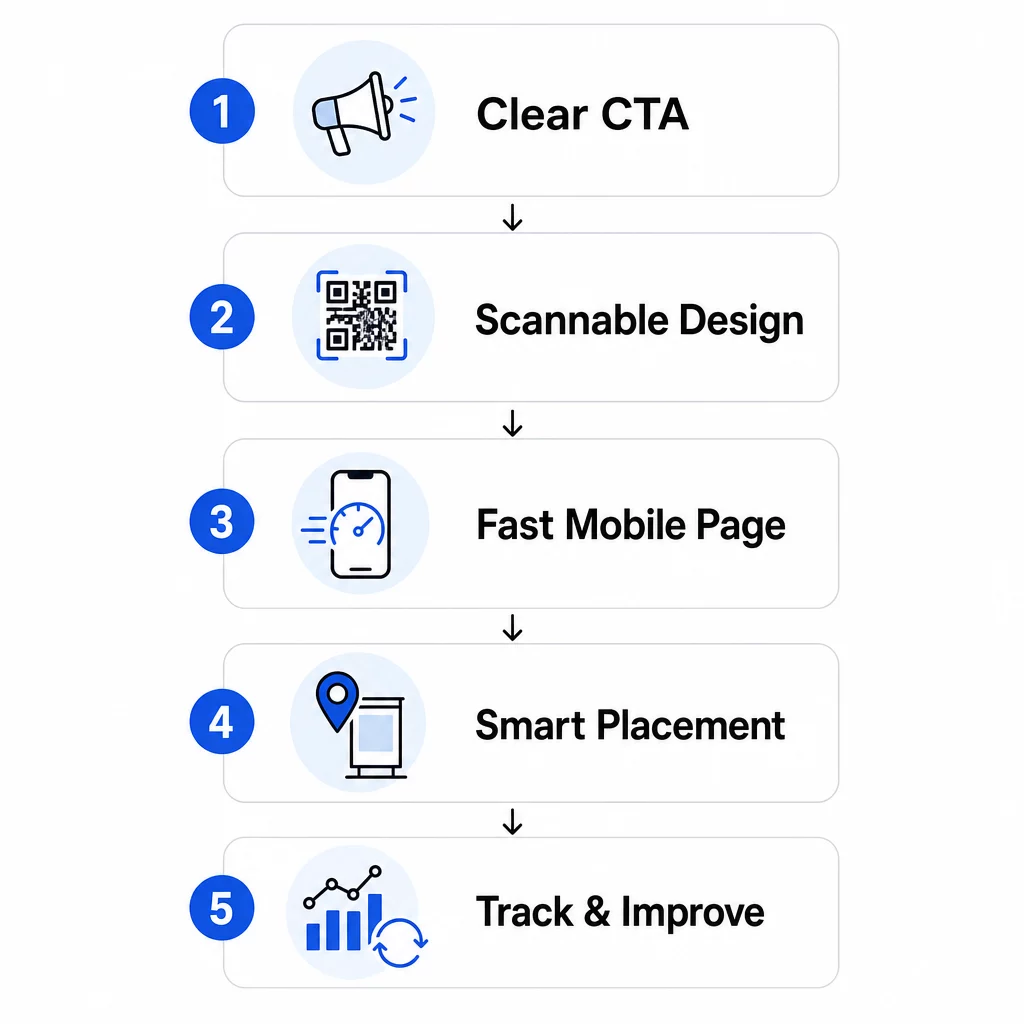
- Sự rõ ràng của lời kêu gọi hành động: Người quét có biết họ sẽ nhận được gì không?
- Khả năng quét của mã: Thiết kế có cho phép máy ảnh đọc mã một cách đáng tin cậy không?
- Trải nghiệm trang đích: Trang di động có tải nhanh và hướng dẫn người dùng hành động không?
- Logic vị trí đặt: Mã có được đặt ở vị trí mà đúng đối tượng sẽ nhìn thấy vào đúng thời điểm không?
- Theo dõi và lặp lại: Bạn có đang đo lường những gì hiệu quả và cải thiện theo thời gian không?
Mỗi yếu tố này đều xứng đáng được quan tâm riêng. Bỏ qua một yếu tố, những yếu tố khác sẽ bị ảnh hưởng.
Viết lời kêu gọi hành động thúc đẩy lượt quét
Một mã QR không có lời kêu gọi hành động rõ ràng sẽ khiến mọi người phải đoán. Khi ai đó nhìn thấy mã của bạn, họ cần ngay lập tức hiểu họ sẽ nhận được gì khi quét mã đó. Những thông điệp mơ hồ như “Quét để biết thêm thông tin” sẽ không hiệu quả vì chúng không trả lời câu hỏi mà mọi người dùng đều có: Nó mang lại lợi ích gì cho tôi?
Tác động của ngôn ngữ hướng đến lợi ích có thể đo lường được. Trong một thử nghiệm bán lẻ, một mã QR với thông điệp “Giảm giá 15%! Tìm hiểu cách thức bằng cách quét” đã thu hút 250 lượt quét trong một tuần. Một thông điệp ít cụ thể hơn “Quét và giành giải thưởng!” chỉ tạo ra 90 lượt. Sự khác biệt không phải là ưu đãi – mà là sự rõ ràng.
Sử dụng ngôn ngữ cụ thể, hướng hành động
Bắt đầu bằng các động từ hành động mạnh mẽ: “Nhận,” “Mở khóa,” “Tải xuống,” hoặc “Quét.” Kết hợp chúng với một lợi ích trực tiếp. Thay vì một thông điệp chung chung “Quét tôi,” hãy thử:
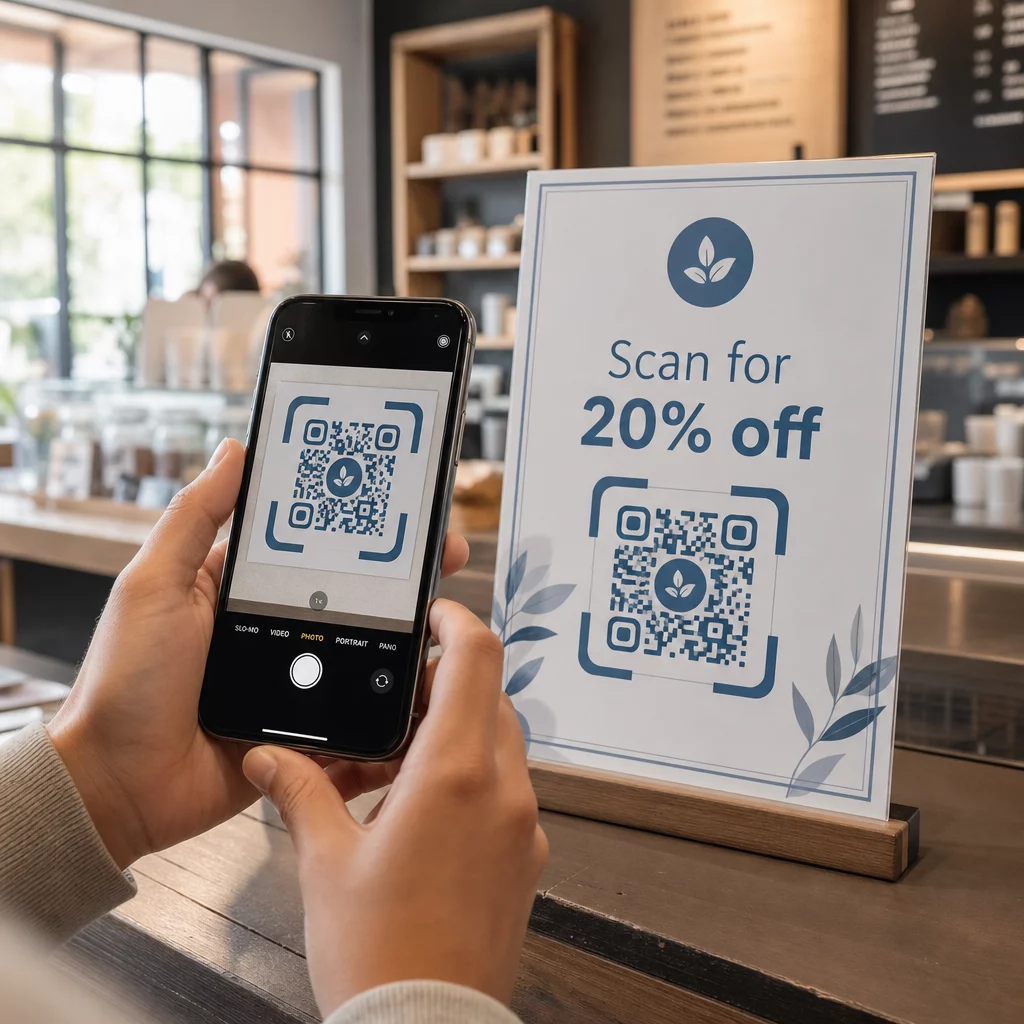
- “Quét để được giảm giá 20% cho đơn hàng tiếp theo của bạn”
- “Mở khóa hướng dẫn miễn phí của bạn”
- “Quét để xem thực đơn hôm nay”
Tránh chôn vùi CTA trong phần chữ nhỏ hoặc tách nó ra khỏi mã. Đặt nó trực tiếp phía trên, phía dưới hoặc bên trong khung QR để người dùng thấy được giá trị trước khi họ quét.
Thêm tính cấp bách và ngữ cảnh
Các cụm từ nhạy cảm về thời gian làm tăng hành động. “Quét trong 24 giờ tới để được giảm giá 20%” hoặc “Quét ngay để tham gia chương trình tặng quà” tạo ra cảm giác cấp bách mà các CTA chung chung không thể tái tạo. Đồng thời, điều chỉnh thông điệp của bạn cho phù hợp với môi trường – một mã trên bàn nhà hàng có những kỳ vọng khác với một mã trên áp phích sự kiện.
Các tín hiệu trực quan cũng hữu ích. Mũi tên, biểu tượng điện thoại thông minh hoặc văn bản khung như “Mở camera của bạn để quét” giúp giảm sự do dự, đặc biệt đối với những người dùng ít quen thuộc với mã QR. Giữ khu vực xung quanh sạch sẽ với nhiều khoảng trắng để không có gì cạnh tranh với mã về mặt hình ảnh.
Xem các chiến dịch mã QR hoạt động như thế nào trong thực tế Khám phá ví dụ về các chiến dịch mã QR trong thế giới thực để xem các thương hiệu hàng đầu sử dụng CTA, thiết kế và vị trí cùng nhau như thế nào để thúc đẩy các kết quả có thể đo lường được.
Thiết kế mã QR có thể quét đáng tin cậy
Một mã QR hấp dẫn về mặt hình ảnh nhưng không thể quét được còn tệ hơn là không có mã nào cả – nó lãng phí một chuyển đổi tiềm năng và gây khó chịu cho người dùng. Việc quét đáng tin cậy phụ thuộc vào một vài nguyên tắc thiết kế không thể thương lượng.
Độ tương phản là nền tảng của khả năng quét
Camera điện thoại thông minh phát hiện các mẫu QR bằng cách phân biệt các mô-đun tối với nền sáng. Các kết hợp độ tương phản thấp – như đỏ trên đen hoặc xám nhạt trên trắng – sẽ gây nhầm lẫn cho máy quét. Sử dụng tiền cảnh tối trên nền sáng và đặt mục tiêu tỷ lệ tương phản tối thiểu là 4:1, với 4.5:1 là mục tiêu ưu tiên để quét đáng tin cậy trên các thiết bị và điều kiện ánh sáng khác nhau.
Màu đen cổ điển trên nền trắng luôn an toàn. Nếu bạn đang thử nghiệm với màu sắc thương hiệu, hãy kiểm tra chúng trên các thiết bị và điều kiện ánh sáng khác nhau trước khi in. Hướng dẫn thực hành tốt nhất về khả năng sử dụng mã QR phác thảo các tiêu chuẩn kỹ thuật từ ISO/IEC 18004 định nghĩa thiết kế mã QR tuân thủ.
Yêu cầu về kích thước và vùng yên tĩnh
Đối với hầu hết các tài liệu in, mã QR nên có kích thước ít nhất 2 × 2 cm (0.8 × 0.8 inch). Các mã nhỏ hơn khó để camera điện thoại thông minh lấy nét, đặc biệt là trên các thiết bị có độ phân giải thấp hơn. Đối với màn hình lớn hơn, hãy tuân theo quy tắc 10:1: cứ mỗi 10 feet khoảng cách xem, mã phải rộng ít nhất 1 foot.
Quan trọng không kém là vùng yên tĩnh – khoảng trống bao quanh mã. Viền này, rộng ít nhất gấp bốn lần chiều rộng của một mô-đun, giúp máy quét phân biệt mã với văn bản hoặc đồ họa gần đó. Không bao giờ để các yếu tố thiết kế lấn át các cạnh của mã. Để biết thêm chi tiết về kích thước, độ tương phản và vị trí, hãy xem các phương pháp hay nhất về khả năng đọc mã QR.
Sử dụng định dạng vector (SVG, EPS) cho bất kỳ ứng dụng in nào để mã vẫn sắc nét ở mọi kích thước.
Thêm thương hiệu mà không làm hỏng chức năng
Bạn có thể kết hợp logo, màu sắc tùy chỉnh và khung mà không làm giảm khả năng quét – nếu bạn tuân thủ các quy tắc. Đặt logo của bạn vào giữa mã, nơi khả năng sửa lỗi QR mạnh nhất. Mã QR có thể khôi phục tới 30% dữ liệu bị hỏng hoặc che khuất, vì vậy logo đặt ở giữa thường an toàn. Không bao giờ che ba mẫu định vị (các hình vuông lớn ở các góc), vì chúng cần thiết cho hướng của mã.
Nếu bạn sử dụng màu sắc tùy chỉnh, hãy kiểm tra mã cuối cùng trên cả thiết bị iOS và Android trong các điều kiện ánh sáng khác nhau trước khi in. Các mẫu QR dày đặc, lộn xộn – thường do URL dài gây ra – khó quét hơn ở kích thước nhỏ hơn. Sử dụng một mã QR động hoặc công cụ rút gọn URL tạo ra một mẫu gọn gàng hơn, dễ quét hơn.
Chiến dịch “Beauty Train” của JLo Beauty từ tháng 12 năm 2020 là một ví dụ điển hình về sự cân bằng này: mã QR tùy chỉnh thương hiệu trên một chuyến xe buýt ở Thành phố New York đã tạo ra 1.500 lượt quét và 3.000 lượt truy cập trang web bằng cách kết hợp thiết kế trực quan độc đáo với khả năng quét đáng tin cậy.
Xây dựng các trang đích di động chuyển đổi hiệu quả
Một lượt quét mã QR chỉ có giá trị bằng những gì xảy ra tiếp theo. Vì gần như tất cả các lượt quét đều diễn ra trên thiết bị di động, trang đích của bạn phải được xây dựng đặc biệt cho màn hình nhỏ và điều hướng cảm ứng. Một trang được tối ưu hóa kém sẽ làm mất đi tất cả những gì mã QR của bạn đã cố gắng đạt được.
Một nghiên cứu điển hình minh họa điều này rõ ràng: một công ty quảng bá một tiện ích ô tô thông qua mã QR trên áp phích nhận thấy rằng 80% người dùng đã rời bỏ trang đích trong vòng năm giây. Nguyên nhân là do video độ phân giải cao tự động phát làm chậm thời gian tải. Sau khi chuyển sang bản xem trước video nhẹ và đơn giản hóa bố cục, tỷ lệ chuyển đổi mua hàng đã tăng từ 1% lên 3% – một cải thiện 200% từ một thay đổi duy nhất.
Tốc độ trang là một biến số chuyển đổi
Mỗi giây chậm trễ đều khiến bạn mất đi các lượt chuyển đổi. Trên thiết bị di động, độ trễ 1 giây trong việc tải trang có thể làm giảm tỷ lệ chuyển đổi lên tới 20%. Google khuyến nghị rằng Largest Contentful Paint – thời gian để nội dung chính xuất hiện – nên dưới 2,5 giây để có trải nghiệm người dùng tốt.
Để đạt được mục tiêu đó:
- Nén hình ảnh và tránh tự động phát video độ phân giải cao
- Sử dụng bản xem trước video có thể nhấp thay vì tự động phát
- Giảm thiểu các yêu cầu HTTP và sử dụng CDN để phân phối nhanh hơn
- Kiểm tra trên mạng di động thực tế, không chỉ Wi-Fi
Mã QR động tạo ra các URL chuyển hướng ngắn hơn, gọn gàng hơn, điều này cũng góp phần khởi tạo tải nhanh hơn. Để biết chi tiết đầy đủ về tối ưu hóa trang di động, hãy xem hướng dẫn về các phương pháp hay nhất cho trang đích mã QR trên thiết bị di động.
Loại bỏ mọi bước không cần thiết
Khi trang tải xong, hãy loại bỏ các trở ngại. Mỗi lần nhấp hoặc trường biểu mẫu bổ sung đều làm tăng khả năng người dùng rời bỏ. Nếu bạn đang thu thập khách hàng tiềm năng, chỉ yêu cầu những gì bạn cần – tên và email – và bật tính năng tự động điền để tăng tốc nhập dữ liệu.
Liên kết sâu là một trong những chiến thuật hiệu quả nhất ở đây. Thay vì gửi người dùng đến trang chủ, hãy liên kết trực tiếp đến nội dung cụ thể mà lượt quét hứa hẹn. Nếu mã QR của bạn quảng cáo giảm giá, liên kết nên dẫn trực tiếp đến trang khuyến mãi, không phải trang chính. Max Fashion ở Trung Đông đã áp dụng nguyên tắc này bằng cách sử dụng mã QR động liên kết đến các màn hình cụ thể trong ứng dụng, đạt được mức tăng trưởng hai chữ số về số phiên ứng dụng và lượt chuyển đổi.
Tạo mã QR sẵn sàng cho trang đích Sử dụng Trình tạo mã QR liên kết để kết nối mã của bạn trực tiếp với các URL cụ thể, trang sản phẩm hoặc chương trình khuyến mãi – không có chuyển hướng không cần thiết.
Đặt mã QR ở nơi mọi người thực sự sẽ quét
Ngay cả một mã QR được thiết kế hoàn hảo cũng sẽ hoạt động kém hiệu quả nếu nó được đặt ở nơi mọi người không thể nhìn thấy, không thể truy cập hoặc không có tâm lý phù hợp để quét. Vị trí đặt quan trọng như thiết kế.
Vị trí đặt đúng kết hợp ba yếu tố: khả năng hiển thị (mọi người có thể nhìn thấy rõ ràng), khả năng tiếp cận (điện thoại của họ ở gần và có thể sử dụng được), và ngữ cảnh (thời điểm và tâm lý phù hợp với những gì mã cung cấp).
Vị trí có khả năng hiển thị cao, ý định cao
Các vị trí đặt sau đây luôn hoạt động tốt:
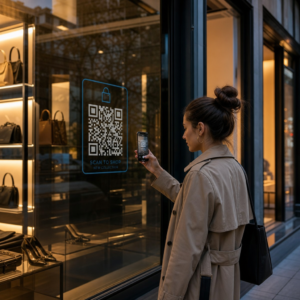
- Cửa sổ mặt tiền cửa hàng: Lý tưởng cho các chương trình khuyến mãi ngoài giờ, đặt chỗ hoặc ưu đãi đặc biệt thu hút khách bộ hành khi cửa hàng đóng cửa
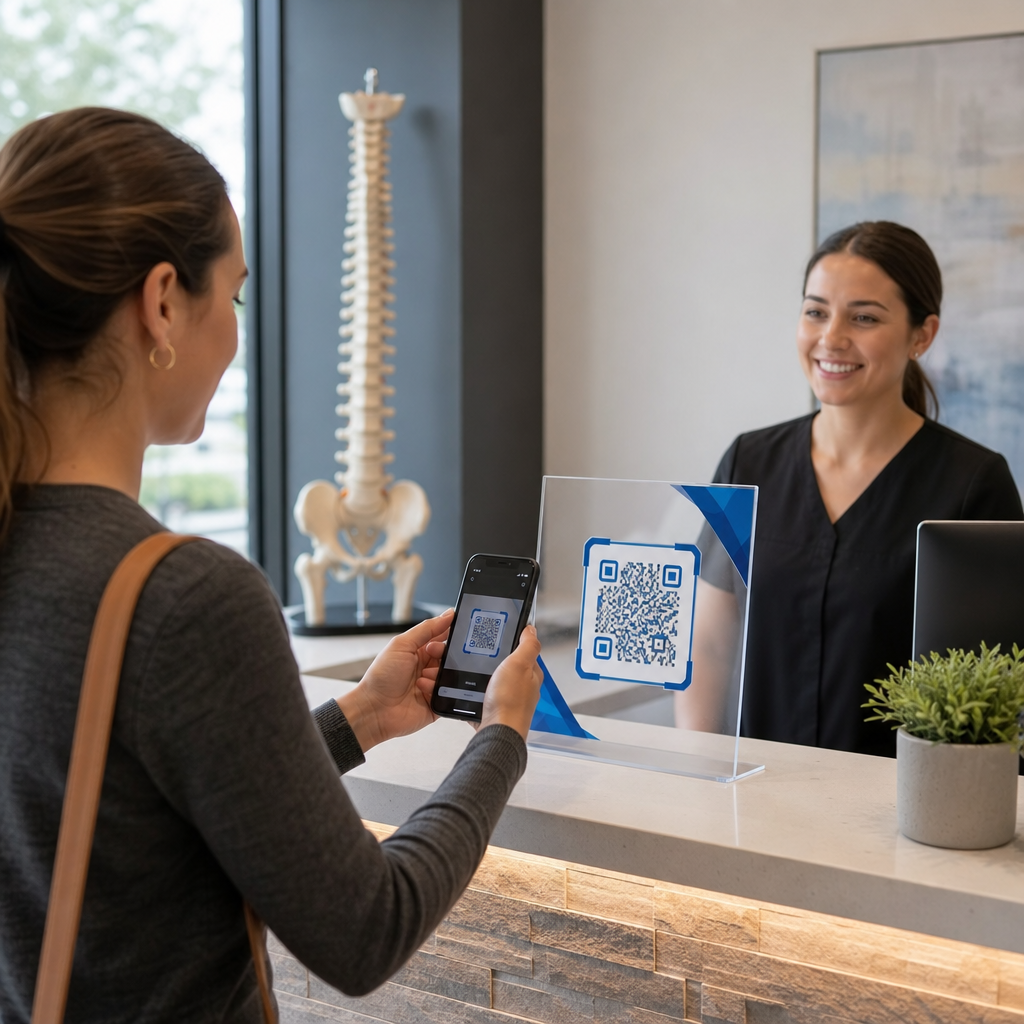
- Quầy thanh toán: Khách hàng đã tương tác và đang chờ đợi – một thời điểm hiệu quả để đăng ký thành viên hoặc nhận hóa đơn điện tử
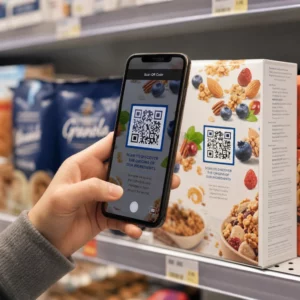
- Bao bì sản phẩm: Những người đã mua hàng có ý định cao; liên kết đến hướng dẫn sử dụng, đăng ký bảo hành hoặc các tùy chọn đặt hàng lại
- Bàn nhà hàng: Thực khách có thời gian rảnh và đang dùng điện thoại – hãy sử dụng nó cho thực đơn kỹ thuật số hoặc thanh toán không tiếp xúc
- Áp phích và tờ rơi: Đặt ngang tầm mắt (1.07–1.68 mét) cho khán giả đứng; chiều cao quầy phù hợp hơn trong bán lẻ nơi người mua hàng nhìn xuống
Tránh các bề mặt có vấn đề: bao bì cong, kính bóng tạo độ chói hoặc các khu vực gấp khúc nơi mã có thể bị biến dạng. Luôn kiểm tra mã của bạn ở vị trí và ánh sáng dự kiến trước khi ra mắt. Để được hướng dẫn về vị trí trên các định dạng in, kỹ thuật số và môi trường, hãy xem hướng dẫn tối ưu về vị trí đặt mã QR trong marketing.
Ghép vị trí với hành vi của khán giả
Thời gian và tâm lý quan trọng không kém vị trí. Mã QR trên hóa đơn tiện ích thường được quét nhất từ 6:00 tối đến 10:00 tối vào các ngày trong tuần, khi mọi người ở nhà xem thư của họ. Các trung tâm trung chuyển tiếp cận những người đi làm đang chờ đợi và đã sử dụng điện thoại của họ.
Căn chỉnh mục đích của mã với ngữ cảnh. Một mã trên bao bì sản phẩm có thể dẫn đến một video hướng dẫn; một mã ở lối vào sự kiện có thể liên kết đến chương trình nghị sự. Khi vị trí của bạn khớp với những gì người dùng mong đợi tìm thấy, tỷ lệ quét và mức độ tương tác sau quét đều được cải thiện.
| VỊ TRÍ ĐẶT MÃ | Công dụng điển hình | Yếu tố hiệu suất chính |
|---|---|---|
| Cửa sổ mặt tiền cửa hàng | Khuyến mãi ngoài giờ | Khả năng hiển thị cao ở khu vực đông người qua lại |
| Quầy thanh toán | Đăng ký thành viên thân thiết, biên lai kỹ thuật số | Tỷ lệ chuyển đổi cao tại điểm giao dịch |
| Bao bì sản phẩm | Hướng dẫn sử dụng, bảo hành, đặt hàng lại | Ý định cao từ những người mua hiện có |
| Bàn nhà hàng | Thực đơn kỹ thuật số, thanh toán | Mức độ tương tác cao trong thời gian chờ đợi |
| Áp phích/tờ rơi | Phiếu giảm giá, RSVP, tạo khách hàng tiềm năng | Phạm vi tiếp cận phụ thuộc vào sự rõ ràng của CTA |
| Biển quảng cáo/OOH | Nhận diện thương hiệu, lượt tải ứng dụng | Mức độ hiển thị cao; yêu cầu mã lớn |
Thử nghiệm và Theo dõi với Mã QR động
Khi mã của bạn đã hoạt động, câu hỏi chuyển từ thiết lập sang tối ưu hóa. Mã QR động giúp quá trình này trở nên đơn giản: bạn có thể thử nghiệm các cách tiếp cận khác nhau, theo dõi hiệu suất của từng cách và cập nhật chiến dịch của mình mà không cần in lại bất kỳ tài liệu nào.
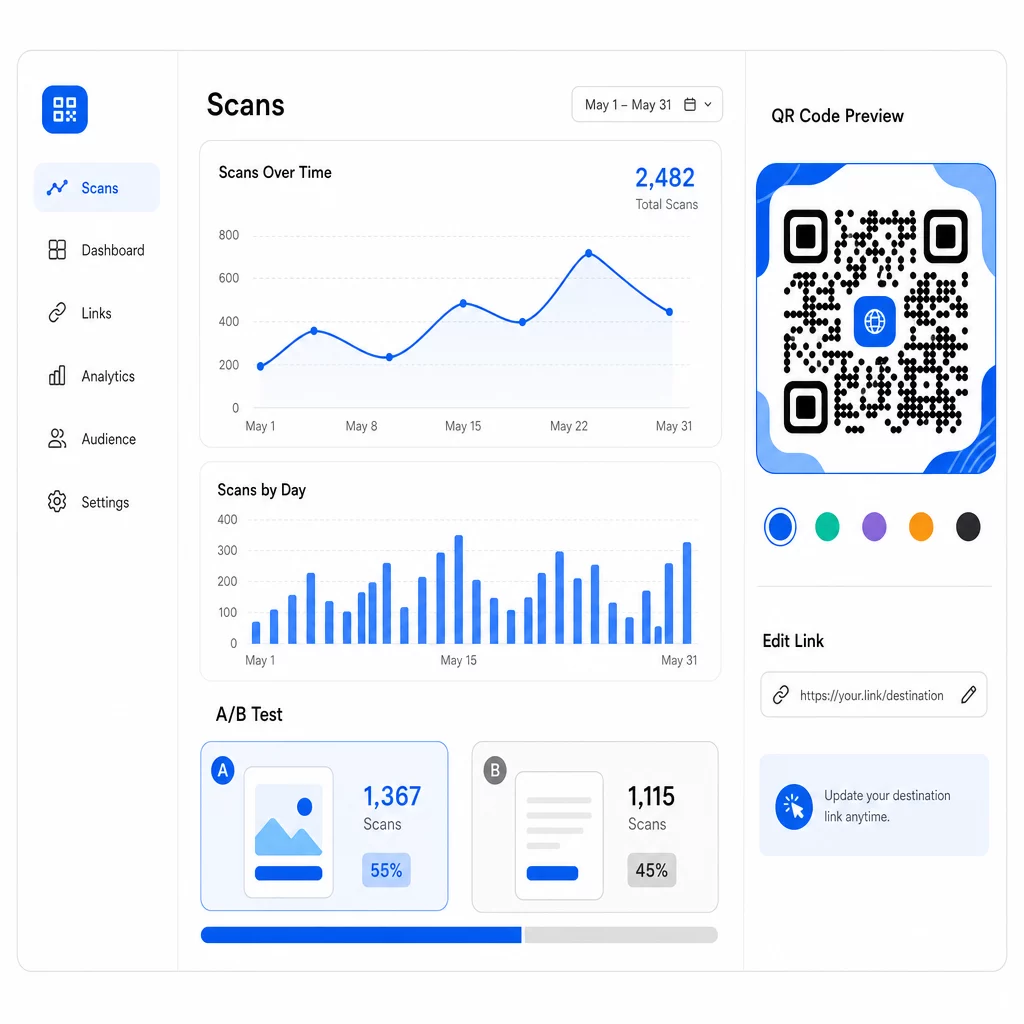
Không giống như mã QR tĩnh, mã động trỏ đến một URL chuyển hướng ngắn mà bạn kiểm soát. Thay đổi đích đến bất cứ lúc nào – không cần mã mới.
Kiểm tra A/B Thiết kế và Tin nhắn
Với mã động, bạn có thể chạy các thử nghiệm có cấu trúc để tìm ra điều gì thực sự kết nối với khán giả của mình. Kiểm tra một biến tại một thời điểm để giữ cho kết quả có thể diễn giải được:
- Kêu gọi hành động (CTAs): “Giảm giá 20%” có hiệu quả hơn “Quét để biết thêm thông tin” không?
- Yếu tố thiết kế: Mã có thương hiệu với logo của bạn có được quét nhiều hơn phiên bản đen trắng đơn giản không?
- VỊ TRÍ ĐẶT MÃ: Mã tương tự có hoạt động khác nhau ở quầy thanh toán so với ở lối vào không?
Thử nghiệm CTA của nhà bán lẻ được đề cập trước đó – trong đó “Giảm giá 15%! Tìm hiểu cách bằng cách quét” nhận được 250 lượt quét so với 90 lượt cho “Quét và giành giải thưởng!” – minh họa cách một thay đổi nhỏ trong thông điệp có thể tạo ra sự khác biệt gần gấp ba lần. Để có một cách tiếp cận có cấu trúc để thực hiện các thử nghiệm này, hướng dẫn về cách thử nghiệm A/B cải thiện chuyển đổi mã QR bao gồm thiết lập, các biến và phân tích chi tiết.
Sử dụng dữ liệu quét để tinh chỉnh chiến dịch
Mã QR động tạo ra các phân tích cho bạn biết nhiều hơn là chỉ số lượng người đã quét. Bạn có thể theo dõi:
- Tổng số lượt quét và lượt quét duy nhất
- Vị trí quét (quốc gia, thành phố, khu vực)
- Thời gian và ngày quét
- Loại thiết bị và hệ điều hành
Nếu dữ liệu của bạn cho thấy hầu hết các lượt quét xảy ra từ 6:00 tối đến 10:00 tối vào các ngày trong tuần, bạn có thể định thời gian các chương trình khuyến mãi tiếp theo cho khung giờ đó. Nếu một khu vực hoạt động tốt hơn đáng kể so với các khu vực khác, bạn có thể phân bổ nhiều tài nguyên hơn và điều chỉnh thông điệp cho khu vực đó. Bảng điều khiển phân tích của Pageloot cung cấp khả năng hiển thị theo thời gian thực cho tất cả các chỉ số này.
Thêm các tham số UTM vào URL đích của bạn mở rộng khả năng theo dõi này vào Google Analytics, cung cấp cho bạn một bức tranh hoàn chỉnh về hành trình sau quét – từ lần quét đầu tiên cho đến khi mua hàng, gửi biểu mẫu hoặc tải xuống ứng dụng. hướng dẫn về tham số UTM cho mã QR giải thích cách thiết lập điều này một cách nhất quán trên các chiến dịch.
Max Fashion đã sử dụng phương pháp này với mã QR động do Branch cung cấp trên các cửa hàng và tài liệu quảng cáo, liên kết các lượt quét ngoại tuyến với các liên kết sâu kỹ thuật số và theo dõi toàn bộ hành trình khách hàng từ quét đến mua hàng – dẫn đến tăng trưởng hai chữ số về số phiên ứng dụng và chuyển đổi.
Theo dõi chiến dịch của bạn trong thời gian thực Bạn muốn biết chính xác khách hàng của mình đang quét tài liệu của bạn ở đâu và khi nào? Hãy sử dụng Tạo mã QR động để tạo mã có thể theo dõi và truy cập bảng điều khiển hiệu suất đầy đủ ngay hôm nay.
Giữ nội dung mã QR luôn mới
Các tài liệu in ấn vẫn được lưu hành rất lâu sau khi chúng được phân phát. Một tờ rơi từ ba tháng trước có thể vẫn đang tạo ra lượt quét hôm nay – nhưng nếu nội dung được liên kết đã lỗi thời hoặc bị hỏng, những lượt quét đó sẽ trở thành trải nghiệm tiêu cực.
Mã QR động giải quyết trực tiếp vấn đề này. Bạn có thể cập nhật URL đích bất cứ lúc nào mà không cần chạm vào mã vật lý. Nếu một chương trình khuyến mãi theo mùa thay đổi từ “giảm giá 20%” thành “mua một tặng một”, hãy cập nhật trang đích trong vài giây. Nếu bạn phát hiện một liên kết bị hỏng, hãy sửa nó ngay lập tức mà không cần in lại.
Tính linh hoạt này cũng cho phép bạn điều chỉnh nội dung theo thời gian dựa trên dữ liệu quét mà bạn thu thập được. Một nhóm tiếp thị có thể cập nhật mã để làm nổi bật các ưu đãi có thời hạn; một nhà bán lẻ có thể chuyển từ trình diễn sản phẩm sang hướng dẫn quà tặng theo mùa. Mã vẫn giữ nguyên – trải nghiệm không ngừng được cải thiện.
Để khuyến khích tương tác lặp lại, hãy luôn mang lại giá trị rõ ràng, tức thì. “Quét để được giảm 20% cho đơn hàng tiếp theo của bạn” luôn vượt trội hơn các lựa chọn thay thế chung chung vì nó cho người dùng biết chính xác những gì họ nhận được. Theo dõi tỷ lệ tổng số lượt quét so với số lượt quét duy nhất: nếu người dùng quay lại cùng một mã nhiều lần, đó là một tín hiệu mạnh mẽ cho thấy nội dung của bạn đang mang lại giá trị liên tục.
Tổng hợp tất cả lại
Cải thiện tỷ lệ chuyển đổi mã QR không phải là một giải pháp lớn duy nhất – mà là sự kết hợp của nhiều yếu tố hoạt động cùng nhau. Các CTA mạnh mẽ thu hút mọi người đến điểm quét. Thiết kế đáng tin cậy đảm bảo họ có thể quét. Một trang di động nhanh, tập trung đảm bảo họ thực hiện hành động. Vị trí đặt thông minh đặt mã trước đúng người vào đúng thời điểm. Và các mã động có tính năng theo dõi cho phép bạn đo lường hiệu quả và liên tục cải thiện mọi thứ khác.
Các trình tạo mã QR Pageloot và công cụ mã QR động cung cấp cho bạn cơ sở hạ tầng để áp dụng tất cả các chiến lược này tại một nơi – mã có thương hiệu, phân tích thời gian thực và khả năng cập nhật chiến dịch ngay lập tức. Khám phá toàn bộ bộ tính năng của Pageloot để xem mỗi khả năng phù hợp với quy trình làm việc chiến dịch của bạn như thế nào.
Câu hỏi thường gặp
Sử dụng ngôn ngữ trực tiếp, định hướng hành động, nêu rõ lợi ích cụ thể trước khi người dùng quét. Các cụm từ như “Quét để được giảm 20%” hoặc “Mở khóa hướng dẫn miễn phí của bạn” luôn vượt trội hơn các lựa chọn thay thế mơ hồ như “Tìm hiểu thêm” hoặc “Quét tôi.” Đặt CTA ngay cạnh mã – phía trên, phía dưới hoặc trong khung – để người dùng thấy giá trị trước khi quyết định quét. Thêm tính cấp bách (“Chỉ quét hôm nay”) hoặc ngôn ngữ cụ thể theo ngữ cảnh (“Quét để xem thực đơn tối nay”) sẽ cải thiện kết quả hơn nữa.
Đối với hầu hết các tài liệu in ấn, mã QR nên có kích thước tối thiểu 2 × 2 cm (0.8 × 0.8 inch). Ở kích thước nhỏ hơn, camera điện thoại thông minh có độ phân giải thấp hơn có thể gặp khó khăn trong việc lấy nét và giải mã mẫu. Đối với các định dạng lớn hơn được xem từ xa, hãy sử dụng quy tắc 10:1: mã nên rộng ít nhất 1 inch cho mỗi 10 inch khoảng cách quét dự kiến. Luôn duy trì một vùng yên tĩnh – không gian trắng rõ ràng xung quanh các cạnh – có chiều rộng ít nhất bốn mô-đun để giúp máy quét tách mã khỏi các yếu tố xung quanh.
Mã QR động cho phép bạn cập nhật URL đích sau khi in, nhờ đó bạn có thể sửa các liên kết bị hỏng, thay đổi chương trình khuyến mãi hoặc chuyển hướng đến nội dung mới mà không cần in lại tài liệu. Chúng cũng tạo ra các phân tích chi tiết – số lượt quét, vị trí, loại thiết bị và dấu thời gian – giúp bạn hiểu được mã của mình đang hoạt động như thế nào và cần cải thiện ở đâu. Đối với việc thử nghiệm A/B các CTA hoặc vị trí khác nhau, mã động là rất cần thiết vì bạn có thể thay đổi đích đến cho một biến thể mà không cần tạo mã vật lý mới.