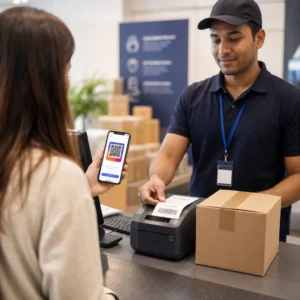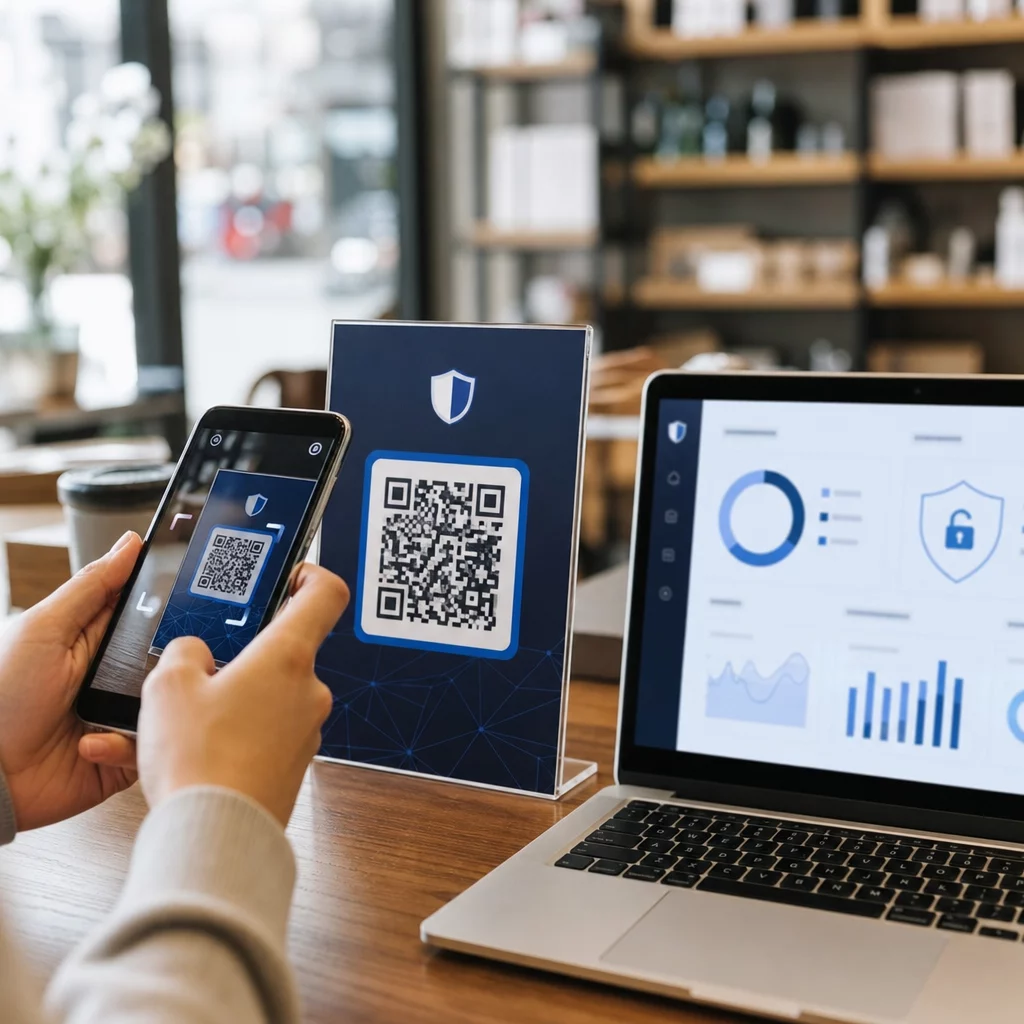
Ali niste prepričani, katere osebne podatke dejansko razkrivajo vaše QR kode – in kaj lahko storite glede tega? Vsako skeniranje poteka skozi sledilne strežnike, ki beležijo IP naslove, vrste naprav, časovne žige in podatke o lokaciji, pogosto ne da bi se uporabniki tega zavedali. Ta vodnik pojasnjuje pet preizkušenih metod anonimizacije, ki zmanjšujejo tveganje za zasebnost, hkrati pa ohranjajo uporabnost vaše analitike.
Kaj dejansko razkriva skeniranje QR kode
Preden izberete strategijo anonimizacije, je koristno razumeti, kateri podatki se sploh zbirajo.
Ko nekdo skenira dinamična QR koda, njihova zahteva najprej poteka skozi preusmeritveni strežnik platforme, preden pristane na vašem ciljnem URL-ju. Ta trenutek preusmeritve je, ko se beležijo podatki o skeniranju. Odvisno od platforme in konfiguracije, to lahko vključuje:
- IP naslov (uporablja se za približno določanje geografske lokacije)
- Vrsta naprave, operacijski sistem in brskalnik
- Časovni žig skeniranja
- Število skeniranj (skupno in edinstveno)
Ciljno spletno mesto lahko zbira še več – piškotke, podatke o napotitvi in vse informacije, ki jih vnesejo uporabniki. Statične kode QR v celoti obidejo to preusmeritev in uporabnike preusmerijo neposredno na končni URL, ne da bi karkoli beležili, vendar tudi ne ponujajo analitike.
Razumevanje teh podatkovnih tokov je izhodišče za uporabo prave metode anonimizacije. Pregledate lahko tudi katere podatke zbirajo dinamične QR kode za podrobnejšo razčlenitev, preden se odločite za pristop.
Poglejte, kaj točno sledijo vaše QR kode Uporabite Pagelootov analitično nadzorno ploščo za pregled zbranih podatkov o skeniranju in konfiguracijo sledenja, da bo ustrezalo vašim zahtevam glede zasebnosti.
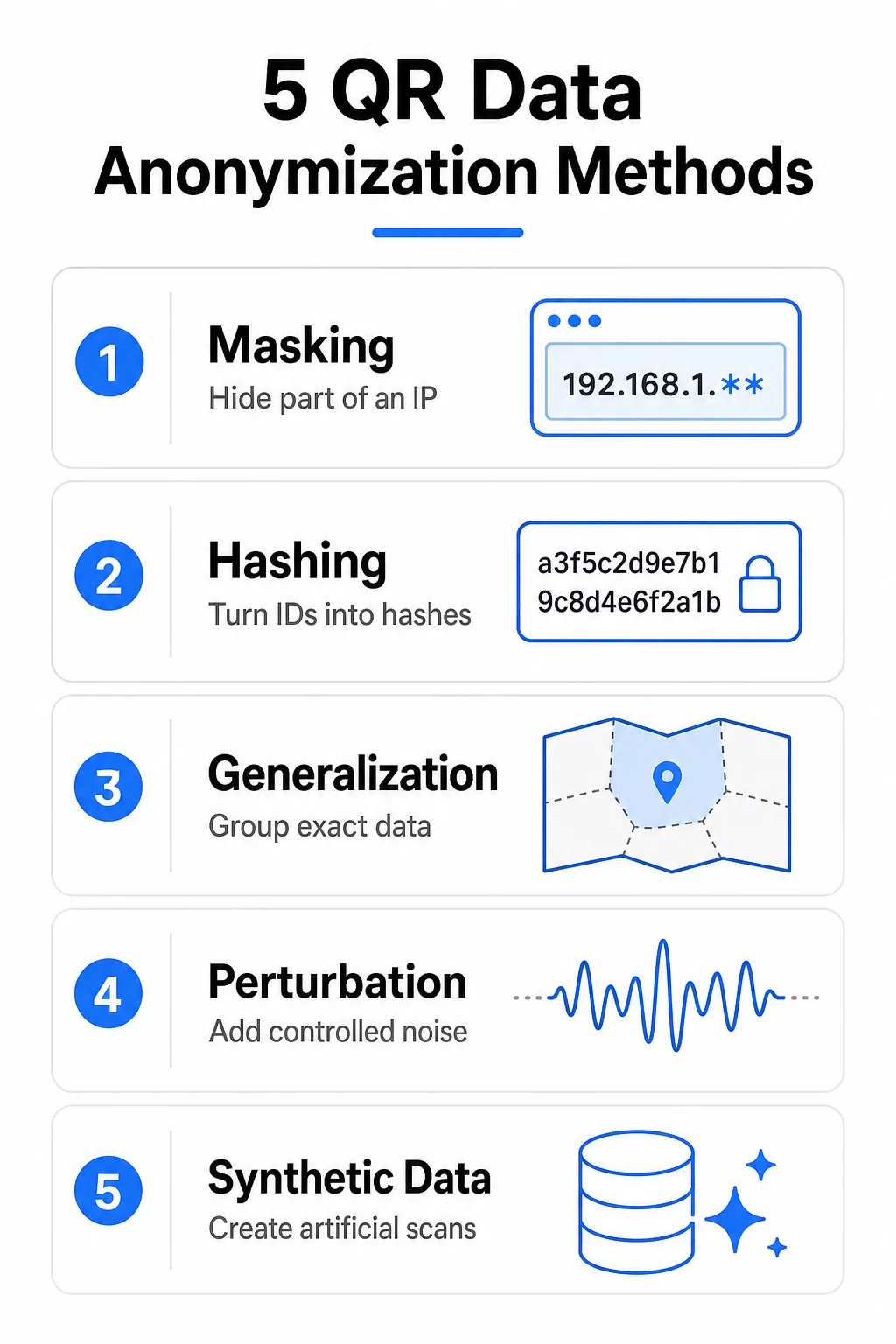
5 metod za anonimizacijo podatkov QR kode
1. Maskiranje
Maskiranje zakrije ali nadomesti občutljiva podatkovna polja, tako da osnovnih vrednosti ni mogoče prebrati, medtem ko podatki sami ostanejo strukturno uporabni. V kontekstu QR kode se to običajno nanaša na podatke, zbrane na preusmeritvenem strežniku ali shranjene v analitičnih sistemih – na primer, zamenjava zadnjega okteta IP naslova z ničlo, preden se zapiše v bazo podatkov.
Moč zasebnosti: Maskiranje ponuja zmerno zaščito. Preprečuje naključno izpostavljenost, vendar ostaja ranljivo za napade sklepanja, če je na voljo dovolj konteksta. Najbolje je, da se uporablja kot ena plast v širši strategiji zasebnosti in ne kot samostojna rešitev.
Uporabnost podatkov: Ker maskiranje ohranja strukturo podatkov, ostaja agregatna analiza popolnoma funkcionalna. Še vedno lahko merite obseg skeniranja, regionalne trende in distribucijo naprav, ne da bi dostopali do posameznih identitet.
Zapletenost implementacije: Maskiranje je med najlažjimi tehnikami za uvedbo. Vključuje prepoznavanje polj, ki potrebujejo zaščito, in dosledno uporabo pravil nadomeščanja. Sodobne platforme za QR kode lahko samodejno uporabijo maskiranje IP naslovov na mestu zbiranja, preden se shrani kakršna koli vrednost.
Skladnost z zakonodajo: Samo maskiranje ne izpolnjuje zahtev GDPR za anonimizacijo, ker regulatorji obravnavajo maskirane podatke kot še vedno potencialno povezljive s posamezniki. Vendar pa podpira skladnost z zmanjšanjem izpostavljenosti in dokazovanjem dobre vere pri minimizaciji podatkov – enega od temeljnih načel tako GDPR kot CCPA.
2. Razprševanje
Razprševanje pretvori občutljive vrednosti v nize fiksne dolžine z uporabo kriptografskega algoritma, zaradi česar je nemogoče obnoviti prvotni vnos iz izhoda. Uporabnikov e-poštni naslov ali identifikator naprave, na primer, postane premešan niz, ki se še vedno lahko uporablja za ujemanje ali deduplikacijo znotraj sistema.
Moč zasebnosti: Načeloma močno, vendar ne absolutno. Vrednosti z nizko entropijo – tiste z omejenim naborom možnih vnosov – so lahko ranljive za napade z grobo silo. Dodajanje soli (naključnega niza, dodanega pred razprševanjem) in redno menjavanje ključev bistveno oteži napade.
Uporabnost podatkov: Razprševanje je dobro primerno za deduplikacijo in preverjanje doslednosti, kot je prepoznavanje ponavljajočih se skenerjev, ne da bi shranjevali njihove identifikatorje. Manj je uporabno za podrobno vedenjsko analitiko ali integracije, ki zahtevajo prvotne vrednosti.
Zapletenost implementacije: Osnovno razprševanje je preprosto in široko podprto v večini razvojnih okolij. Dodatni koraki soljenja in upravljanja ključev dodajo kompleksnost in zahtevajo varen sistem za shranjevanje in menjavanje teh vrednosti.
Skladnost z zakonodajo: Zvezna trgovinska komisija je izjavila, da samo razprševanje ne pomeni anonimizacije. Delovna skupina iz člena 29 (sedaj Evropski odbor za varstvo podatkov) je podobno ugotovila, da je “razprševanje koristen varnostni ukrep, vendar ni metoda anonimizacije.” Po GDPR se razpršeni osebni podatki še vedno obravnavajo kot osebni podatki. Po CCPA se razpršeni podatki lahko kvalificirajo kot deidentificirani, če so vzpostavljeni ustrezni tehnični nadzori in notranje politike, vendar morajo podjetja te politike dosledno uveljavljati in dokumentirati svoje ocene tveganja.
3. Posploševanje
Posploševanje nadomešča specifične podatkovne vrednosti s širšimi kategorijami ali razponi. Namesto shranjevanja natančnega časovnega žiga shranite uro ali dan. Namesto shranjevanja mesta shranite regijo. Namesto natančne starosti shranite starostno skupino.
Za analitiko QR kod to lahko pomeni beleženje, da je bilo skeniranje opravljeno “popoldne med tednom” namesto ob 14:17 v torek, ali pripisovanje skeniranja “severozahodnemu Pacifiku” namesto določeni poštni številki.
Moč zasebnosti: Zmerno in odvisno od tega, kako široko so vrednosti združene. Tveganje ponovne identifikacije se poveča, ko se združi več posplošenih polj. Primer iz leta 2007, ki je vključeval podatkovni niz Netflixa, je pokazal, da so raziskovalci lahko ponovno identificirali uporabnike s primerjavo posplošenih podatkov o ocenah z zunanjimi viri – opozorilo, da tudi agregirani podatki potrebujejo skrbno zasnovo.
Uporabnost podatkov: Posploševanje ohranja dovolj podrobnosti za analizo trendov in merjenje kampanj. Podjetja, ki uporabljajo QR kode v maloprodaji ali gostinstvu, lahko še vedno prepoznajo obdobja največje obremenitve, priljubljene regije in preference naprav, ne da bi razkrila individualno vedenje.
Zapletenost implementacije: Posploševanje se lahko izvaja ročno z določitvijo meja kategorij ali samodejno z uporabo algoritmov, ki uravnotežijo zasebnost in ločljivost podatkov. Oba pristopa zahtevata določitev jasnih politik o tem, katera raven podrobnosti je primerna za posamezno podatkovno polje.
Skladnost z zakonodajo: Posploševanje je v skladu z načeli minimizacije podatkov v GDPR in CCPA, ki zahtevajo zbiranje le tistega, kar je nujno za določen namen. Samo po sebi ne izpolnjuje samodejno standardov anonimizacije, vendar pomembno prispeva k večplastnemu pristopu. Dokumentiranje vaših odločitev o posploševanju in njihovo redno pregledovanje podpira pripravljenost na revizijo.
4. Motenje podatkov
Motenje podatkov vnaša majhne, nadzorovane količine šuma v numerične ali geografske podatke. Namesto beleženja natančne vrednosti sistem shrani nekoliko spremenjeno različico – časovni žig, premaknjen za nekaj minut, koordinate, zaokrožene na širše območje, ali število, prilagojeno znotraj določenega razpona.
Ta pristop je pogost na področjih, kjer je statistična natančnost pomembnejša od natančnosti posameznih zapisov. Bolnišnice so ga uporabljale za deljenje podatkov o pacientih z raziskovalci, hkrati pa so varovale zasebne medicinske podrobnosti; finančne institucije ga uporabljajo za transakcijske podatke, da preprečijo razkritje občutljivih vzorcev.
Moč zasebnosti: Motenje vzpostavlja ravnovesje med maskiranjem specifičnih podrobnosti in ohranjanjem analitičnih vzorcev. Raven zasebnosti, ki jo zagotavlja, je neposredno odvisna od količine vnesenega šuma. Premajhno, in posamezni zapisi ostanejo prepoznavni. Preveč, in podatki izgubijo pomen.
Uporabnost podatkov: Za razliko od tehnik, ki v celoti odstranijo izvirne vrednosti, motenje ohranja statistične odnose znotraj podatkovnega niza. Analiza trendov, identifikacija vrhov in geografsko združevanje ostajajo veljavni – le brez zmožnosti natančnega določanja posameznikov.
Zapletenost implementacije: Motenje zahteva več tehnične presoje kot maskiranje ali posploševanje. Izbira metode transformacije – naključni šum, zamenjava vrednosti ali matematične transformacije, kot so valovne ali Fourierjeve metode – vpliva tako na zmogljivost kot na rezultate zasebnosti. Valovne transformacije, na primer, delujejo s časovno kompleksnostjo O(n), zaradi česar so hitrejše od nekaterih alternativ. Potrebna je skrbna kalibracija, da se prepreči vnašanje sistematične pristranskosti.
Skladnost z zakonodajo: Motenje podpira zahteve GDPR glede minimizacije podatkov in zagotavlja obrambno tehnično zaščito. Ne zagotavlja popolne anonimizacije, vendar kaže smiselno prizadevanje za omejitev prepoznavnosti, kar regulatorji na splošno ugodno ocenjujejo v kombinaciji z drugimi kontrolami.
5. Generiranje sintetičnih podatkov
Generiranje sintetičnih podatkov ustvarja popolnoma umetne podatkovne nize, ki odražajo statistične lastnosti resničnih podatkov, ne da bi vsebovali kakršne koli dejanske uporabniške informacije. Namesto spreminjanja zbranih podatkov, nadomesti izvirne podatke z izmišljenimi zapisi, ki se za analitične namene obnašajo kot resnični.
Za analitiko QR kod to pomeni generiranje realističnih časovnih žigov skeniranja, verjetnih geografskih porazdelitev in reprezentativnih mešanic naprav – brez da bi kateri koli od teh zapisov ustrezal resničnim skeniranjem resničnih ljudi.
Moč zasebnosti: Sintetični podatki ponujajo najmočnejšo zaščito zasebnosti med petimi metodami. Ker ne vsebujejo resničnih osebnih podatkov, ni tveganja za ponovno identifikacijo, tudi če je nabor podatkov izpostavljen. Kršitev sintetičnega nabora podatkov nima posledic za zasebnost posameznikov.
Uporabnost podatkov: Ko so dobro generirani, sintetični podatki ohranjajo statistične odnose, potrebne za analizo trendov, usposabljanje modelov in testiranje funkcij. Omogočajo tudi simulacijo scenarijev, ki so redki v realnih podatkih – kar je uporabno za stresno testiranje analitičnih sistemov ali usposabljanje modelov strojnega učenja na mejnih primerih.
Zapletenost implementacije: To je metoda, ki zahteva največ virov. Generiranje visokokakovostnih sintetičnih podatkov zahteva specializirana orodja, znatne računske vire in validacijske procese za potrditev, da sintetični nabor podatkov natančno predstavlja izvirnik. Organizacije običajno potrebujejo namensko strokovno znanje ali platforme tretjih oseb za zanesljivo implementacijo.
Skladnost z zakonodajo: Ker sintetični podatki ne vsebujejo osebnih podatkov, so po naravi izven področja uporabe GDPR, CCPA in večine drugih predpisov o zasebnosti. Zaradi tega so še posebej dragoceni za industrije s strogimi zahtevami glede skladnosti, kot sta zdravstvo in izobraževanje. Odpravlja tveganje ponovne identifikacije, ki ga morajo druge metode aktivno obvladovati.
Začnite zbirati zasebnosti prijazno analitiko QR Pagelootov QR generator za dinamične QR kode združuje podatke o skeniranju na ravni države in mesta, združuje naprave v splošne kategorije in nikoli ne razkriva posameznih identitet v svoji analitiki. Preizkusite brezplačno 14 dni.
Primerjava metod
| Metoda | Moč zasebnosti | Uporabnost podatkov | Kompleksnost implementacije | Skladnost z zakonodajo |
|---|---|---|---|---|
| Maskiranje | Zmerno | Visoka | Nizka | Delno – podpira minimizacijo, ne popolne anonimizacije |
| Heširanje | Zmerno–Visoka | Srednje | Srednje | Delno – še vedno osebni podatki po GDPR |
| Generalizacija | Zmerno | Srednje–Visoko | Nizko–Srednje | Delno – podpira načela minimizacije |
| Motenje podatkov | Zmerno | Srednje–Visoko | Visoka | Dobro – prilagodljiva, obranljiva zaščita |
| Sintetični podatki | Zelo visoka | Visoka | Zelo visoka | Odlično – inherentno izven področja uporabe GDPR/CCPA |
Prava metoda je odvisna od vašega primera uporabe. Maskiranje in generalizacija sta praktični izhodišči za večino platform za analitiko QR kod. Hashing dobro deluje pri nalogah deduplikacije, kjer natančne vrednosti niso potrebne v nadaljnji obdelavi. Motenje podatkov je primerno za scenarije, kjer je statistična natančnost ključnega pomena. Sintetični podatki so najmočnejša možnost, ko je tveganje skladnosti visoko ali ko morate deliti zbirke podatkov zunaj.
Številne organizacije uporabljajo te metode v kombinaciji, namesto da bi izbrale samo eno – na primer, uporaba maskiranja IP-ja ob zbiranju, generalizacija podatkov o lokaciji na raven mesta in generiranje sintetičnih zbirk podatkov za morebitne zunanje analitične partnerje.
Kako Pageloot pristopa k zasebnosti podatkov QR kod
Pagelootova analitika je zgrajena okoli agregiranih, neosebnih podatkov. Podatki o lokaciji se prikazujejo na ravni države ali mesta, informacije o napravi so združene v splošne kategorije, kot sta iOS ali Android, in IP naslovi niso shranjeni v obliki, ki bi identificirala posameznike. Platforma ponuja prilagodljive možnosti hrambe podatkov, poslovni uporabniki pa imajo dostop do izvozov CSV, ki podpirajo nadaljnjo anonimizacijo.
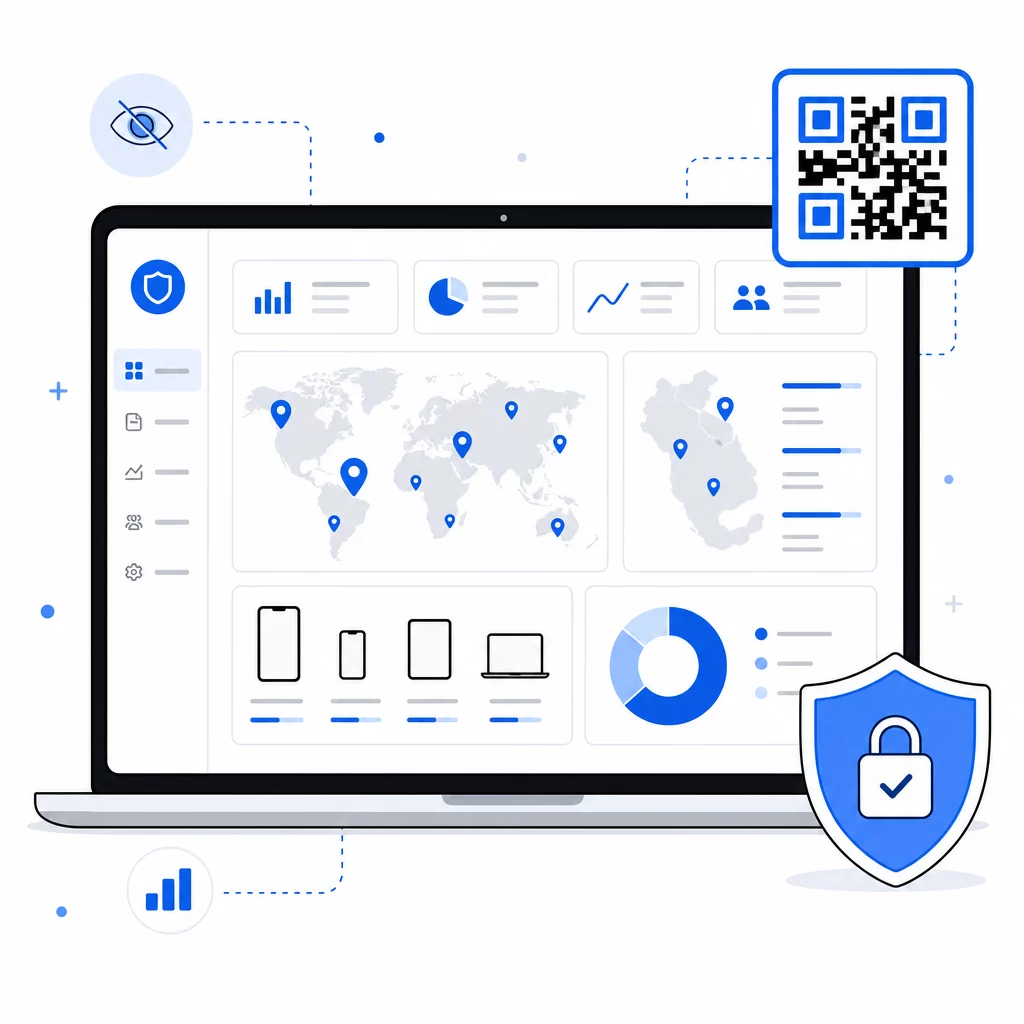
Za podjetja, ki izvajajo kampanje v več regijah, analitične funkcije omogočajo merjenje uspešnosti brez ustvarjanja profilov posameznih uporabnikov. Pageloot podpira tudi analitiko QR kod, skladno z GDPR prek pojavnih oken za soglasje, orodij za upravljanje podatkov in šifriranega shranjevanja z rednimi varnostnimi pregledi.
Za kontekst, kateri zakonov o zasebnosti QR kod veljajo za vašo specifično situacijo – vključno z GDPR, CCPA, HIPAA in drugimi – ter kako implementirati ustrezna pravila hrambe podatkov za analitiko QR kod, Pagelootova baza znanja pokriva vsako uredbo s praktičnimi navodili.
Izbira pravega pristopa za vaše podjetje
Nobena posamezna metoda anonimizacije ne deluje za vsako situacijo. Smernice FTC so jasne: zbirajte le tisto, kar potrebujete, hranite le toliko časa, kolikor je potrebno, in jih pravilno zavrzite, ko so izpolnili svoj namen. To načelo velja ne glede na to, katero tehnično metodo uporabljate.
Za večino podjetij, ki uporabljajo QR kode v trženju ali poslovanju, je praktično izhodišče omogočanje maskiranja IP-ja in posploševanja lokacije na ravni platforme, pregledovanje, katere podatke zbira vaša analitična integracija, in določanje omejitev hrambe. Za organizacije v reguliranih panogah ali tiste, ki delijo podatke s tretjimi osebami, so močnejše metode – perturbacija ali sintetični podatki – morda vredne dodatne naložbe v implementacijo.
Cilj ni popolna anonimizacija za ceno vseh vpogledov. Gre za iskanje ravni varovanja zasebnosti, ki je primerna občutljivosti podatkov, ki jih zbirate, predpisom, ki veljajo za vaše podjetje, in zaupanju, ki ga želite zgraditi s svojimi uporabniki.
Raziščite Pagelootove celotno paleto funkcij QR kod da vidite, kako se nadzor zasebnosti vklaplja v širšo platformo, ali preglejte tveganj za zasebnost QR kod in kako se jim izogniti za širši pogled na pokrajino groženj.
Pogosta vprašanja
Ne. Delovna skupina iz člena 29 je izjavila, da je razprševanje (heširanje) varnostni ukrep, ne pa metoda anonimizacije. V skladu z GDPR se razpršeni osebni podatki še vedno razvrščajo kot osebni podatki in zanje veljajo enake zaščite kot za izvirne. Da bi se podatki v skladu z GDPR kvalificirali kot anonimni, morajo biti nepovratno ločeni od kakršne koli povezave z določljivim posameznikom.
Maskiranje nadomešča ali zakriva specifične vrednosti polj – na primer, zamenja del IP naslova z ničlami – pri čemer ohranja strukturo nedotaknjeno. Posploševanje nadomešča natančne vrednosti s širšimi kategorijami, kot je pretvorba natančnega časovnega žiga v časovni razpon dneva ali mesta v regijo. Maskiranje je boljše za zaščito specifičnih identifikatorjev; posploševanje je boljše za zmanjšanje ločljivosti podatkov v več poljih hkrati.
Generiranje sintetičnih podatkov zagotavlja najmočnejši položaj skladnosti, ker ne vsebuje nobenih resničnih osebnih podatkov in spada izven področja večine predpisov o zasebnosti. Za podjetja, ki morajo hraniti resnične podatke skeniranja, kombinacija maskiranja IP-ja, posploševanja lokacije in določenih omejitev hrambe zagotavlja obrambno izhodišče. Pravilna metoda je odvisna od vaše občutljivosti podatkov, kako uporabljate analitiko in ali delite podatke s tretjimi osebami.