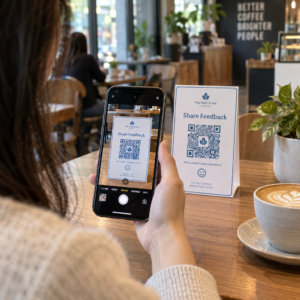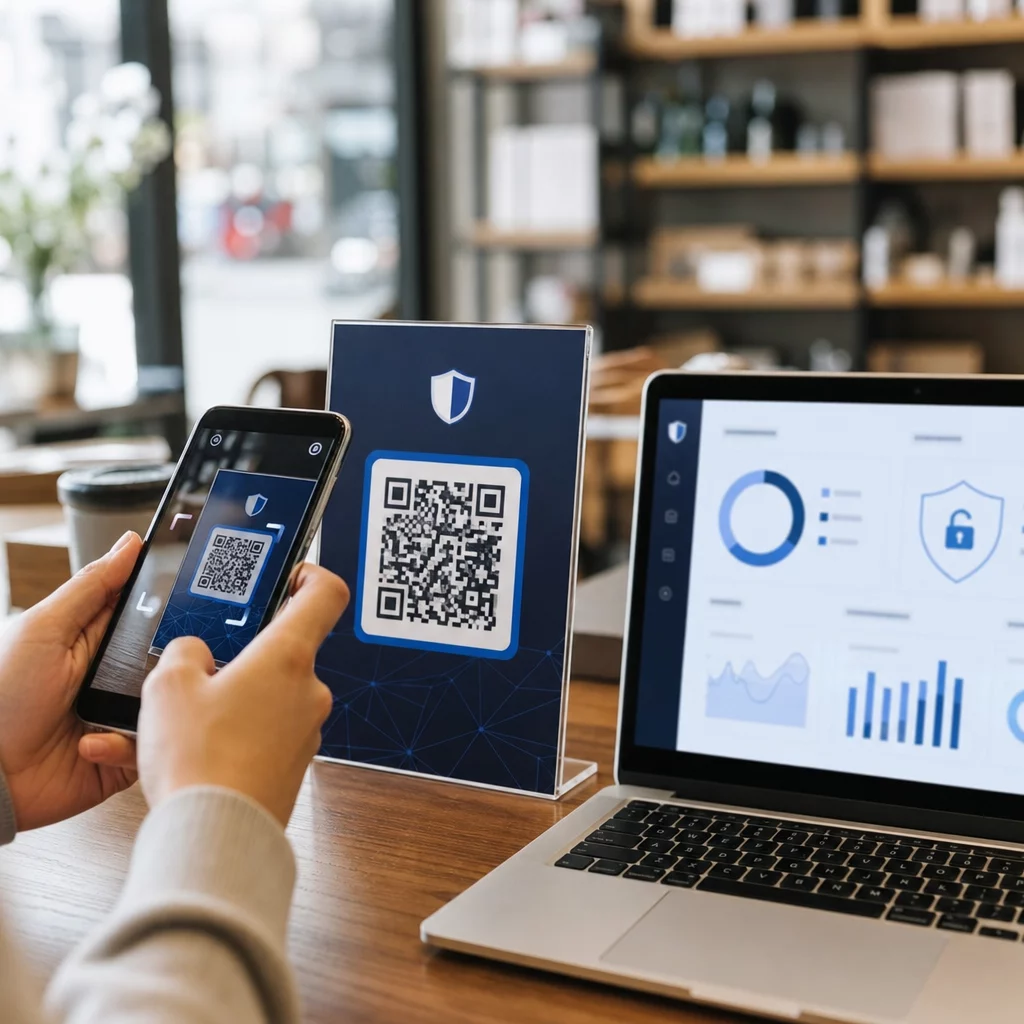
Kas te pole kindel, milliseid isikuandmeid teie QR-koodid tegelikult paljastavad – ja mida te sellega ette saate võtta? Iga skaneering läbib jälgimisservereid, mis logivad IP-aadresse, seadmetüüpe, ajatempleid ja asukohaandmeid, sageli ilma, et kasutajad sellest aru saaksid. See juhend selgitab viit tõestatud anonüümimismeetodit, mis vähendavad privaatsusriski, hoides samal ajal teie analüütika kasulikuna.
Mida QR-koodi skaneerimine tegelikult paljastab
Enne anonüümimisstrateegia valimist on kasulik mõista, milliseid andmeid esmalt kogutakse.
Kui keegi skaneerib dünaamiline QR-kood, läbib nende päring esmalt platvormi ümbersuunamisserveri, enne kui see jõuab teie siht-URL-ile. See ümbersuunamise hetk on see, kui skaneerimisandmed logitakse. Sõltuvalt platvormist ja konfiguratsioonist võib see hõlmata:
- IP-aadress (kasutatakse geograafilise asukoha ligikaudseks määramiseks)
- Seadme tüüp, operatsioonisüsteem ja brauser
- Skaneerimise ajatempel
- Skaneerimiste arv (kokku ja unikaalsed)
Sihtveebisait saab koguda veelgi rohkem – küpsiseid, viiteandmeid ja mis tahes teavet, mida kasutajad sisestavad. Staatilised QR-koodid mööduvad sellest ümbersuunamisest täielikult ja suunavad kasutajad otse lõplikule URL-ile ilma midagi logimata, kuid need ei paku ka analüütikat.
Nende andmevoogude mõistmine on õige anonüümimismeetodi rakendamise lähtepunkt. Saate ka üle vaadata milliseid andmeid dünaamilised QR-koodid koguvad sügavama ülevaate saamiseks enne lähenemisviisi otsustamist.
Vaadake täpselt, mida teie QR-koodid jälgivad Kasutage Pagelooti analüütika armatuurlauda et vaadata üle, milliseid skaneerimisandmeid kogutakse ja konfigureerida oma jälgimine vastavalt teie privaatsusnõuetele.
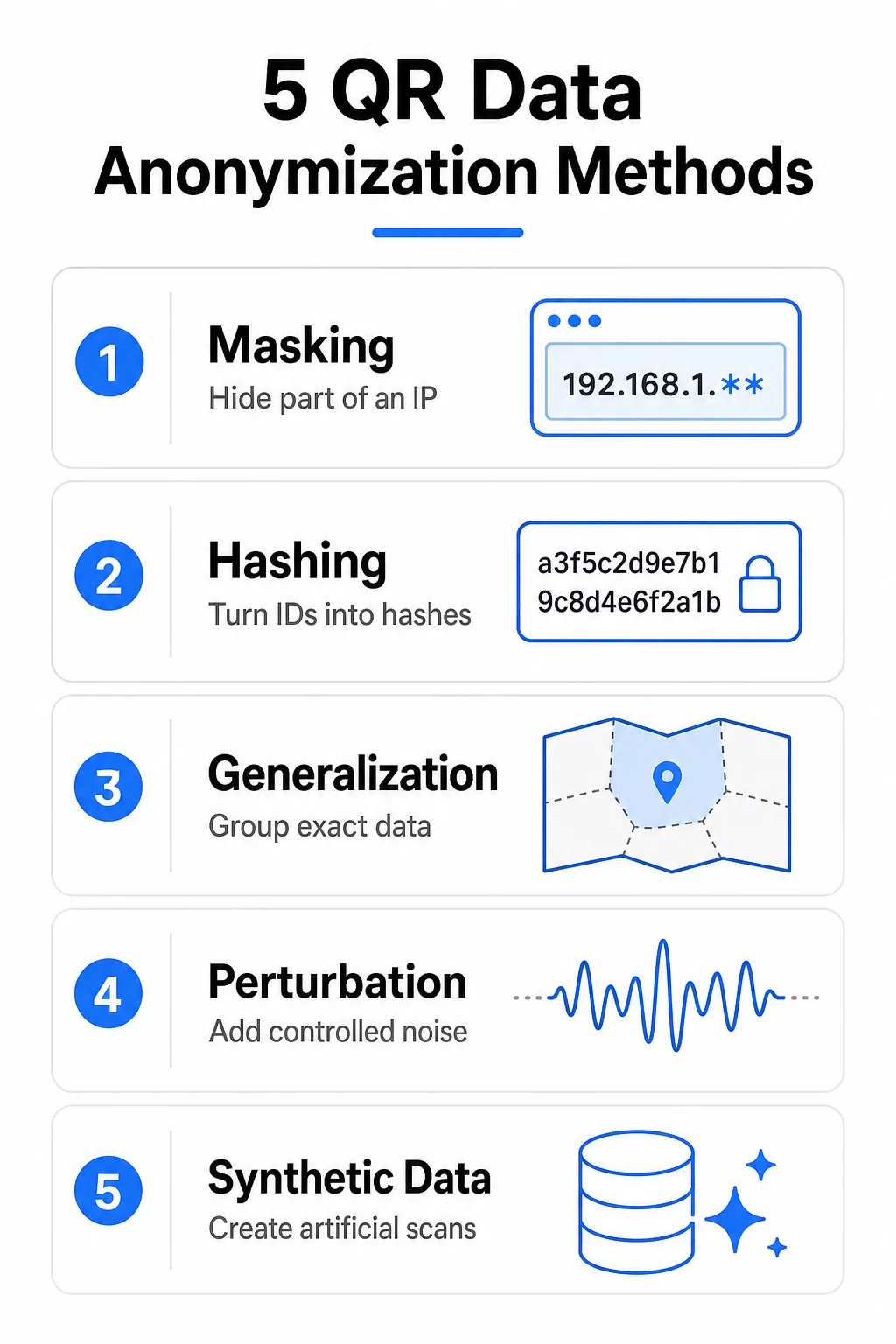
5 meetodit QR-koodi andmete anonüümimiseks
1. Maskeerimine
Maskeerimine varjab või asendab tundlikke andmevälju, nii et alusväärtusi ei saa lugeda, samas kui andmed ise jäävad struktuurselt kasutatavaks. QR-koodi kontekstis kehtib see tavaliselt ümbersuunamisserveris kogutud või analüüsisüsteemides salvestatud andmete kohta – näiteks IP-aadressi viimase okteti asendamine nulliga enne selle andmebaasi kirjutamist.
Privaatsuse tugevus: Maskeerimine pakub mõõdukat kaitset. See hoiab ära juhusliku avalikustamise, kuid jääb haavatavaks järeldusrünnakutele, kui piisavalt konteksti on saadaval. Seda on kõige parem kasutada laiemas privaatsusstrateegias ühe kihina, mitte iseseisva lahendusena.
Andmete kasulikkus: Kuna maskeerimine säilitab andmete struktuuri, jääb koondanalüüs täielikult funktsionaalseks. Saate endiselt mõõta skannimismahtu, piirkondlikke suundumusi ja seadmete jaotust, ilma et peaksite juurde pääsema üksikutele identiteetidele.
Rakendamise keerukus: Maskeerimine on üks lihtsamaid tehnikaid, mida rakendada. See hõlmab kaitset vajavate väljade tuvastamist ja asendusreeglite järjepidevat rakendamist. Kaasaegsed QR-koodi platvormid saavad IP-maskeerimist automaatselt rakendada kogumise hetkel, enne mis tahes väärtuse salvestamist.
Regulatiivne vastavus: Ainuüksi maskeerimine ei vasta GDPR-i anonüümimise nõuetele, sest regulaatorid käsitlevad maskeeritud andmeid endiselt potentsiaalselt isikutega seostatavatena. See toetab aga vastavust, vähendades avalikustamist ja demonstreerides heauskset andmete minimeerimist – mis on üks GDPR-i ja CCPA põhiprintsiipe.
2. Räsimine
Räsimine teisendab tundlikud väärtused krüptograafilise algoritmi abil fikseeritud pikkusega stringideks, muutes algse sisendi väljundist taastamise võimatuks. Näiteks kasutaja e-posti aadress või seadme identifikaator muutub segatud stringiks, mida saab süsteemis endiselt kasutada vastendamiseks või dublikaatide eemaldamiseks.
Privaatsuse tugevus: Põhimõtteliselt tugev, kuid mitte absoluutne. Madala entroopiaga väärtused – need, millel on piiratud hulk võimalikke sisendeid – võivad olla haavatavad toore jõu rünnakutele. Soola (juhuslik string, mis lisatakse enne räsimist) lisamine ja võtmete regulaarne roteerimine muudab rünnakud oluliselt raskemaks.
Andmete kasulikkus: Räsimine sobib hästi dublikaatide eemaldamiseks ja järjepidevuse kontrollimiseks, näiteks korduvate skannerite tuvastamiseks ilma nende identifikaatoreid salvestamata. See on vähem kasulik üksikasjaliku käitumisanalüüsi või integratsioonide jaoks, mis nõuavad algseid väärtusi.
Rakendamise keerukus: Põhiline räsimine on lihtne ja laialdaselt toetatud enamikus arenduskeskkondades. Soola lisamise ja võtmehaldamise lisatoimingud lisavad keerukust ja nõuavad nende väärtuste salvestamiseks ja roteerimiseks turvalist süsteemi.
Regulatiivne vastavus: Föderaalne Kaubanduskomisjon on märkinud, et ainuüksi räsimine ei kujuta endast anonüümimist. Artikli 29 töörühm (praegune Euroopa Andmekaitsenõukogu) on samuti märkinud, et “räsimine on kasulik turvameede, kuid see ei ole anonüümimise meetod.” GDPR-i kohaselt käsitletakse räsitud isikuandmeid endiselt isikuandmetena. CCPA kohaselt võivad räsitud andmed kvalifitseeruda deidentifitseerituks, kui on olemas asjakohased tehnilised kontrollid ja sisepoliitikad, kuid ettevõtted peavad neid poliitikaid järjepidevalt rakendama ja dokumenteerima oma riskihindamised.
3. Üldistamine
Üldistamine asendab konkreetsed andmeväärtused laiema kategooria või vahemikega. Täpse ajatempli salvestamise asemel salvestate tunni või päeva. Linna salvestamise asemel salvestate piirkonna. Täpse vanuse asemel salvestate vanusevahemiku.
QR-koodi analüüsi puhul võib see tähendada skaneerimise registreerimist “tööpäeva pärastlõunal” asemel “teisipäeval kell 14:17” või skaneerimise omistamist "Vaikse ookeani loodeosale" konkreetse sihtnumbri asemel.
Privaatsuse tugevus: Mõõdukas ja sõltub sellest, kui laialt väärtused rühmitatakse. Uuesti tuvastamise risk suureneb, kui kombineeritakse mitu üldistatud välja. 2007. aasta juhtum, mis hõlmas Netflixi andmekogumit, näitas, et teadlased suutsid kasutajaid uuesti tuvastada, ristviidates üldistatud hinnanguandmeid väliste allikatega – hoiatus, et isegi koondandmed vajavad hoolikat disaini.
Andmete kasulikkus: Üldistamine säilitab piisavalt detaile trendianalüüsi ja kampaania mõõtmiseks. Jaekaubanduses või hotellinduses QR-koode kasutavad ettevõtted saavad endiselt tuvastada tippaegu, populaarseid piirkondi ja seadme-eelistusi, ilma et paljastataks üksikisikute käitumist.
Rakendamise keerukus: Üldistamist saab rakendada käsitsi, määrates kategooriapiirid, või automaatselt, kasutades algoritme, mis tasakaalustavad privaatsust ja andmete eraldusvõimet. Mõlemad lähenemisviisid nõuavad selgete poliitikate määratlemist selle kohta, milline detailitase on iga andmevälja jaoks sobiv.
Regulatiivne vastavus: Üldistamine on kooskõlas GDPR-i ja CCPA andmete minimeerimise põhimõtetega, mis nõuavad ainult määratud eesmärgi jaoks vajaliku kogumist. See ei vasta iseenesest automaatselt anonüümimise standarditele, kuid panustab oluliselt kihilisse lähenemisviisi. Üldistamisotsuste dokumenteerimine ja nende regulaarne ülevaatamine toetab auditi valmisolekut.
4. Andmete häirimine
Andmete häirimine lisab numbrilistesse või geograafilistesse andmetesse väikeseid, kontrollitud koguseid müra. Täpse väärtuse salvestamise asemel salvestab süsteem veidi muudetud versiooni – ajatempli, mis on nihutatud mõne minuti võrra, laiemale alale ümardatud koordinaadid või määratud vahemikus kohandatud loenduse.
See lähenemisviis on tavaline valdkondades, kus statistiline täpsus on olulisem kui üksikute kirjete täpsus. Haiglad on seda kasutanud patsientide andmete jagamiseks teadlastega, kaitstes samal ajal privaatseid meditsiinilisi detaile; finantsasutused rakendavad seda tehinguandmetele, et vältida tundlike mustrite paljastamist.
Privaatsuse tugevus: Häirimine loob tasakaalu konkreetsete detailide maskeerimise ja analüütiliste mustrite säilitamise vahel. Selle pakutav privaatsuse tase sõltub otseselt sellest, kui palju müra sisse viiakse. Liiga vähe, ja üksikud kirjed jäävad tuvastatavaks. Liiga palju, ja andmed kaotavad tähenduse.
Andmete kasulikkus: Erinevalt tehnikatest, mis eemaldavad algsed väärtused täielikult, säilitab häirimine andmekogumi statistilised seosed. Trendianalüüs, tippude tuvastamine ja geograafiline klasterdamine jäävad kõik kehtivaks – lihtsalt ilma võimeta täpseid isikuid tuvastada.
Rakendamise keerukus: Häirimine nõuab rohkem tehnilist otsustusvõimet kui maskeerimine või üldistamine. Transformatsioonimeetodi valik – juhuslik müra, väärtuste vahetamine või matemaatilised teisendused, nagu laine- või Fourier' meetodid – mõjutab nii jõudlust kui ka privaatsustulemusi. Laine teisendused, näiteks, töötavad O(n) ajakompleksusega, muutes need mõnest alternatiivist kiiremaks. Süstemaatilise eelarvamuse vältimiseks on vaja hoolikat kalibreerimist.
Regulatiivne vastavus: Häirimine toetab GDPR-i andmete minimeerimise nõudeid ja pakub kaitstavat tehnilist kaitsemeedet. See ei taga täielikku anonüümimist, kuid näitab sisulist pingutust tuvastatavuse piiramiseks, mida regulaatorid üldiselt soodsalt hindavad, kui seda kombineerida teiste kontrollidega.
5. Sünteetiliste andmete genereerimine
Sünteetiliste andmete genereerimine loob täiesti kunstlikke andmekogumeid, mis peegeldavad reaalsete andmete statistilisi omadusi, sisaldamata tegelikku kasutajateavet. Kogutud andmete muutumise asemel asendab see algsed andmed väljamõeldud kirjetega, mis käituvad analüütilistel eesmärkidel nagu reaalsed.
QR-koodi analüütika puhul tähendab see realistlike skaneerimisaegade, usutavate geograafiliste jaotuste ja esinduslike seadmete segude genereerimist – ilma, et ükski neist kirjetest vastaks reaalsete inimeste tegelikele skaneeringutele.
Privaatsuse tugevus: Sünteetilised andmed pakuvad viiest meetodist tugevaimat privaatsuskaitset. Kuna need ei sisalda tegelikku isiklikku teavet, puudub uuesti tuvastamise oht isegi siis, kui andmestik avalikustatakse. Sünteetilise andmestiku rikkumisel ei ole isikutele privaatsuslikke tagajärgi.
Andmete kasulikkus: Hästi genereerituna säilitavad sünteetilised andmed statistilised seosed, mis on vajalikud trendianalüüsiks, mudelite treenimiseks ja funktsioonide testimiseks. Samuti võimaldavad need simuleerida stsenaariume, mis on reaalsetes andmetes haruldased – kasulik analüüsisüsteemide stressitestimiseks või masinõppemudelite treenimiseks äärmusjuhtudel.
Rakendamise keerukus: See on kõige ressursimahukam meetod. Kvaliteetsete sünteetiliste andmete genereerimine nõuab spetsialiseeritud tööriistu, märkimisväärseid arvutusressursse ja valideerimisprotsesse, et kinnitada sünteetilise andmestiku täpne vastavus originaalile. Organisatsioonid vajavad selle usaldusväärseks rakendamiseks tavaliselt pühendunud ekspertiisi või kolmandate osapoolte platvorme.
Regulatiivne vastavus: Kuna sünteetilised andmed ei sisalda isiklikku teavet, jäävad need olemuslikult välja GDPR-i, CCPA ja enamiku teiste privaatsusmääruste reguleerimisalast. See muudab need eriti väärtuslikuks tööstusharudele, millel on ranged vastavusnõuded, nagu tervishoid ja haridus. See kõrvaldab uuesti tuvastamise riski, mida teised meetodid peavad aktiivselt haldama.
Alusta privaatsussõbraliku QR-analüütika kogumist Pagelooti Dünaamilise QR koodi generaator koondab skaneerimisandmeid riigi ja linna tasandil, rühmitab seadmed üldistesse kategooriatesse ega avalda kunagi üksikute isikute identiteete oma analüütikas. Proovi seda 14 päeva tasuta.
Meetodite võrdlus
| Meetod | Privaatsuse tugevus | Andmete kasulikkus | Rakendamise keerukus | Regulatiivne vastavus |
|---|---|---|---|---|
| Maskeerimine | Mõõdukas | Kõrge | Madal | Osaline – toetab minimeerimist, mitte täielikku anonüümimist |
| Räsimine | Mõõdukas–Kõrge | Keskmine | Keskmine | Osaline – endiselt isikuandmed GDPR-i alusel |
| Üldistamine | Mõõdukas | Keskmine–Kõrge | Madal–Keskmine | Osaline – toetab minimeerimise põhimõtteid |
| Andmete segamine | Mõõdukas | Keskmine–Kõrge | Kõrge | Hea – paindlik, kaitstav kaitsemeede |
| Sünteetilised andmed | Väga kõrge | Kõrge | Väga kõrge | Suurepärane – olemuselt väljaspool GDPR/CCPA reguleerimisala |
Õige meetod sõltub teie kasutusjuhtumist. Maskeerimine ja üldistamine on praktilised lähtepunktid enamiku QR-koodi analüütikaplatvormide jaoks. Räsimine töötab hästi dublikaatide eemaldamise ülesannete puhul, kus täpseid väärtusi pole hiljem vaja. Andmete segamine sobib stsenaariumideks, kus statistiline täpsus on kriitilise tähtsusega. Sünteetilised andmed on tugevaim valik, kui vastavusrisk on kõrge või kui teil on vaja andmekogumeid väliselt jagada.
Paljud organisatsioonid kasutavad neid meetodeid kombineeritult, mitte ei vali ainult ühte – näiteks rakendades IP-maskeerimist kogumise ajal, üldistades asukohaandmeid linna tasemele ja genereerides sünteetilisi andmekogumeid kõigile välistele analüütikapartneritele.
Kuidas Pageloot läheneb QR-koodi andmete privaatsusele
Pagelooti analüütika on üles ehitatud koondatud, isikustamata andmetele. Asukohaandmed kuvatakse riigi või linna tasemel, seadme teave on rühmitatud üldistesse kategooriatesse nagu iOS või Android ning IP-aadresse ei salvestata kujul, mis identifitseeriks isikuid. Platvorm pakub paindlikke andmete säilitamise võimalusi ja ettevõtte kasutajatel on juurdepääs CSV-eksportidele, mis toetavad edasist anonüümimist.
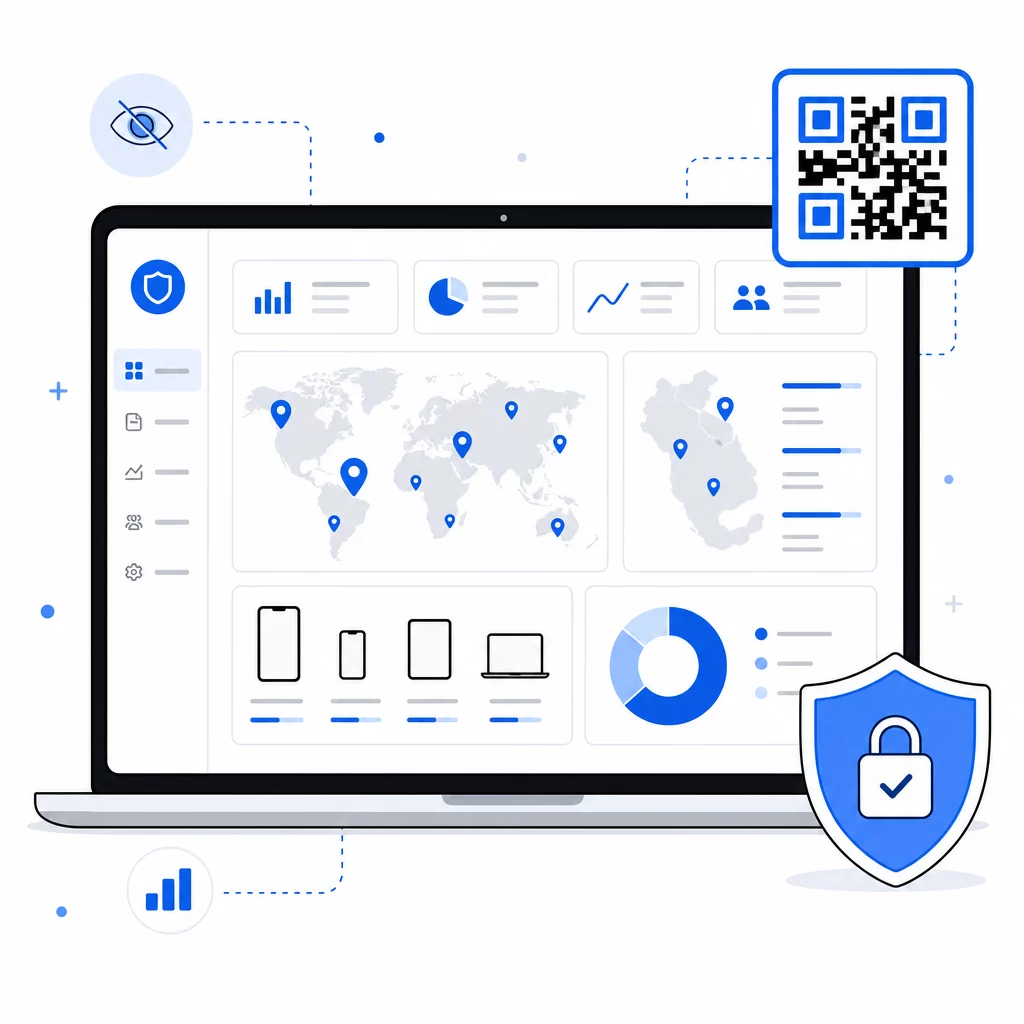
Ettevõtetele, kes korraldavad kampaaniaid mitmes piirkonnas, pakuvad analüütikafunktsioonid võimalust mõõta jõudlust ilma üksikute kasutajate profiile loomata. Pageloot toetab ka GDPR-iga ühilduvat QR-koodi analüütikat nõusoleku hüpikakende, andmehaldustööriistade ja krüpteeritud salvestusruumi kaudu koos regulaarsete turvaülevaatustega.
Konteksti saamiseks selle kohta, millised QR-koodi privaatsusseadused kehtivad teie konkreetsele olukorrale – sealhulgas GDPR, CCPA, HIPAA ja teised – ning kuidas rakendada sobivaid andmete säilitamise reegleid QR-koodi analüütika jaoks, Pagelooti teadmusbaas käsitleb iga määrust praktiliste juhistega.
Õige lähenemisviisi valimine teie ettevõtte jaoks
Ükski anonüümimismeetod ei sobi igasse olukorda. FTC juhised on selged: koguge ainult seda, mida vajate, hoidke seda ainult nii kaua, kui see on vajalik, ja kõrvaldage see nõuetekohaselt, kui see on oma eesmärgi täitnud. See põhimõte kehtib olenemata sellest, millist tehnilist meetodit te kasutate.
Enamiku ettevõtete jaoks, kes kasutavad QR-koode turunduses või operatsioonides, on praktiline lähtepunkt lubada platvormi tasandil IP-maskeerimine ja asukoha üldistamine, vaadata üle, milliseid andmeid teie analüütika integratsioon kogub, ja määrata kindlaks säilituspiirangud. Reguleeritud tööstusharudes tegutsevate organisatsioonide või andmeid kolmandate osapooltega jagavate organisatsioonide jaoks võivad tugevamad meetodid – häirimine või sünteetilised andmed – olla väärt täiendavat rakendamise investeeringut.
Eesmärk ei ole täiuslik anonüümimine kogu ülevaate arvelt. See on privaatsuskaitse taseme leidmine, mis on asjakohane kogutavate andmete tundlikkuse, teie ettevõttele kehtivate määruste ja usalduse jaoks, mida soovite oma kasutajatega luua.
Avastage Pagelooti kogu QR-koodi funktsioonide valik et näha, kuidas privaatsuskontrollid laiemasse platvormi sobivad, või vaadake üle QR-koodi privaatsusriskid ja kuidas neid vältida laiema ülevaate saamiseks ohumaastikust.
Korduma kippuvad küsimused
Ei. Artikli 29 töörühm on märkinud, et räsimine on turvameede, mitte anonüümimismeetod. GDPR-i kohaselt klassifitseeritakse räsitud isikuandmed endiselt isikuandmetena ja neile kehtivad samad kaitsed nagu algsetele andmetele. Et kvalifitseeruda GDPR-i kohaselt anonüümseks, tuleb andmed pöördumatult eemaldada igast seosest tuvastatava isikuga.
Maskimine asendab või varjab konkreetseid väljaväärtusi – näiteks asendades osa IP-aadressist nullidega – säilitades samal ajal struktuuri puutumatuna. Üldistamine asendab täpsed väärtused laiemate kategooriatega, nagu täpse ajatempli teisendamine kellaaja vahemikuks või linna piirkonnaks. Maskimine sobib paremini konkreetsete identifikaatorite kaitsmiseks; üldistamine sobib paremini andmete eraldusvõime vähendamiseks mitme välja lõikes samaaegselt.
Sünteetiliste andmete genereerimine pakub tugevaimat vastavuspositsiooni, sest see ei sisalda tegelikku isiklikku teavet ja jääb enamiku privaatsusmääruste ulatusest välja. Ettevõtetele, kes peavad säilitama tegelikke skannimisandmeid, pakub IP-maskeerimise, asukoha üldistamise ja määratletud säilituspiirangute kombinatsioon kaitstavat algtaset. Õige meetod sõltub teie andmete tundlikkusest, sellest, kuidas te analüütikat kasutate, ja sellest, kas jagate andmeid kolmandate osapooltega.