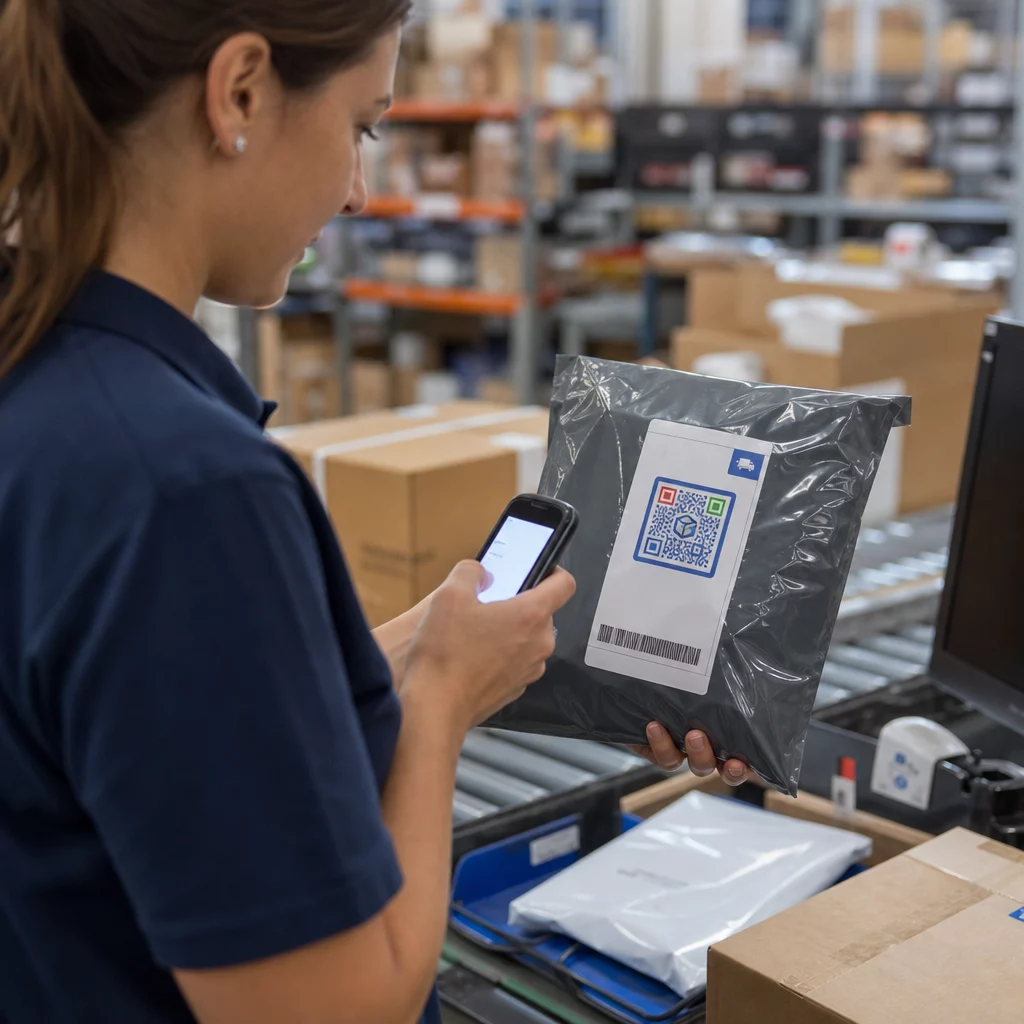
¿Le cuesta mantener la precisión en el cumplimiento de pedidos cuando cada paso manual añade riesgo de error? Los errores en la selección, el embalaje o el envío crean retrasos que dañan directamente las relaciones con los clientes. Esta guía explica cómo los códigos QR eliminan esos puntos de fricción en cada etapa del cumplimiento, desde la recepción del inventario hasta la confirmación de la entrega.
Lo que los códigos QR aportan al cumplimiento de pedidos
A diferencia de los códigos de barras 1D tradicionales, que generalmente almacenan entre 20 y 85 caracteres, un código QR puede contener más de 7.000 caracteres. Esto significa que una sola etiqueta puede codificar un número de pedido, una dirección de envío, detalles del lote, instrucciones de manipulación y un enlace a una página de seguimiento en vivo, todo en un solo escaneo.
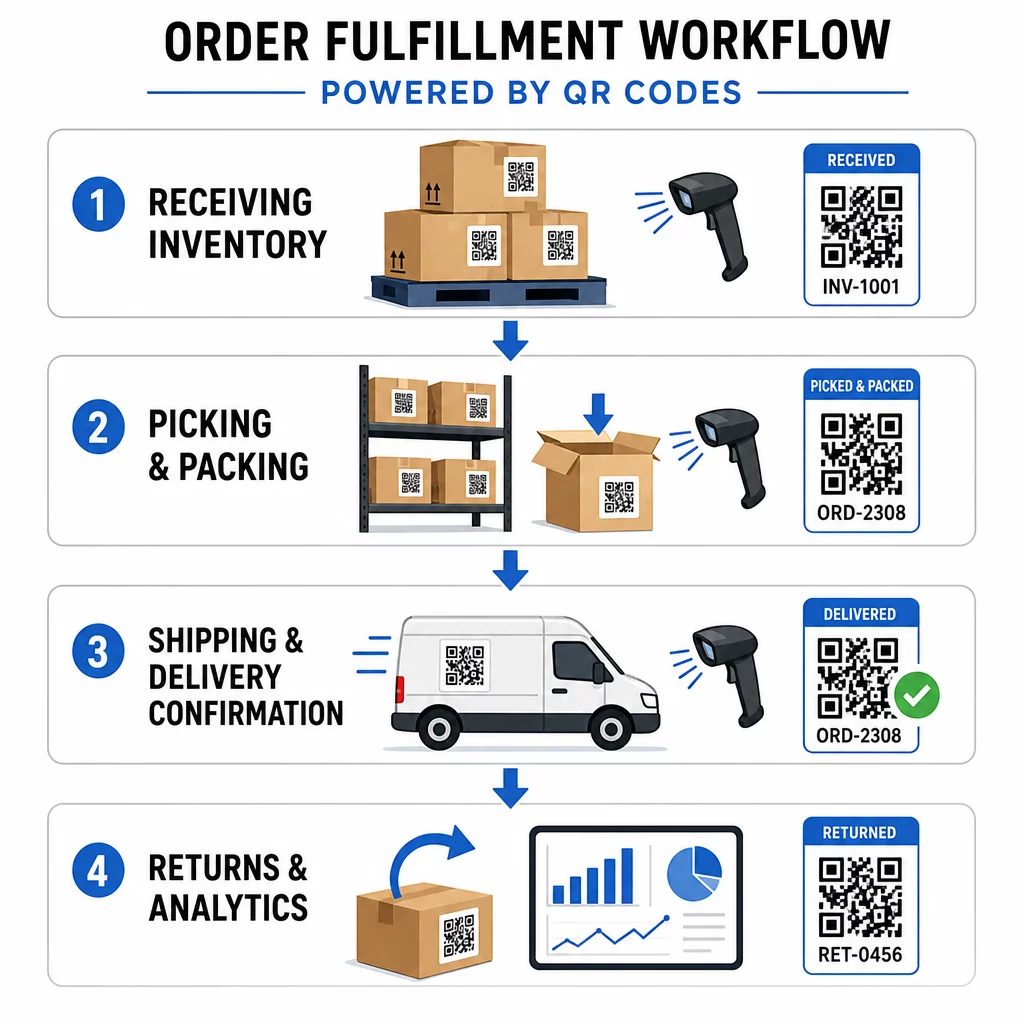
Esta densidad de datos hace que los códigos QR sean útiles en cada etapa de la cadena de cumplimiento: recepción, selección, embalaje, envío y devoluciones. Combinado con códigos QR dinámicos que se pueden actualizar después de la impresión, los equipos obtienen una flexibilidad que las etiquetas tradicionales simplemente no pueden ofrecer.
Empiece a rastrear cada escaneo en su flujo de trabajo de cumplimiento Use el Generador de códigos QR para crear códigos dinámicos y rastreables para inventario, etiquetas de envío y confirmación de entrega, sin necesidad de reimprimir cuando los detalles cambian.
Etapas clave del cumplimiento mejoradas por los códigos QR
Gestión de inventario y recepción
Cuando llega nuevo stock, los códigos QR pueden codificar números de lote, fechas de caducidad, detalles del proveedor y ubicaciones de almacenamiento en una única etiqueta escaneable. Los equipos del almacén verifican los envíos y actualizan los sistemas de inventario al instante, eliminando los errores de entrada manual que ralentizan la recepción.
Códigos QR para inventario de productos mueven a las empresas de las entradas manuales a un sistema automatizado que actualiza los niveles de stock en tiempo real en el momento en que se escanea una etiqueta. Esa vista en vivo del stock en múltiples ubicaciones es especialmente valiosa durante los períodos pico, cuando es más probable que ocurran errores.
Para productos perecederos, los códigos QR pueden incluir fechas de caducidad y directrices de almacenamiento directamente en la etiqueta. El escaneo de esos códigos también apoya la rotación primero en entrar, primero en salir (FIFO), reduciendo el desperdicio y manteniendo la calidad del producto. Para entornos de fabricación, el mismo enfoque se aplica a las materias primas, los artículos en proceso y los productos terminados; aprenda más sobre seguimiento de materiales y productos en la fabricación.
Códigos QR dinámicos añaden mayor flexibilidad. Cuando los datos del inventario cambian, puede actualizar el destino sin reimprimir una sola etiqueta, manteniendo las etiquetas físicas y los registros del sistema sincronizados sin costo adicional ni tiempo de inactividad.
Eficiencia en la Recogida y Empaquetado
Las listas de recogida que incluyen códigos QR dirigen al personal a ubicaciones precisas del almacén y muestran las cantidades exactas necesarias para cada pedido. Esto reduce la confusión, acelera la recuperación y elimina las idas y venidas que surgen de instrucciones ambiguas.
Durante el empaquetado, los códigos QR actúan como un punto de control final. Cada artículo lleva un código que confirma el tipo de producto, la cantidad o los requisitos de manipulación especial. Los empaquetadores escanean para verificar la precisión antes de que el paquete salga de las instalaciones, un paso simple que previene errores de envío costosos.
Para empresas con múltiples ubicaciones de almacén, el personal puede escanear códigos para verificar el stock en otras zonas, permitiendo transferencias rápidas cuando sea necesario. Para productos personalizados, los códigos QR pueden almacenar instrucciones de montaje, requisitos de accesorios o detalles de personalización, asegurando que los pedidos complejos se completen correctamente sin consultar múltiples sistemas.
Confirmación de Envío y Entrega
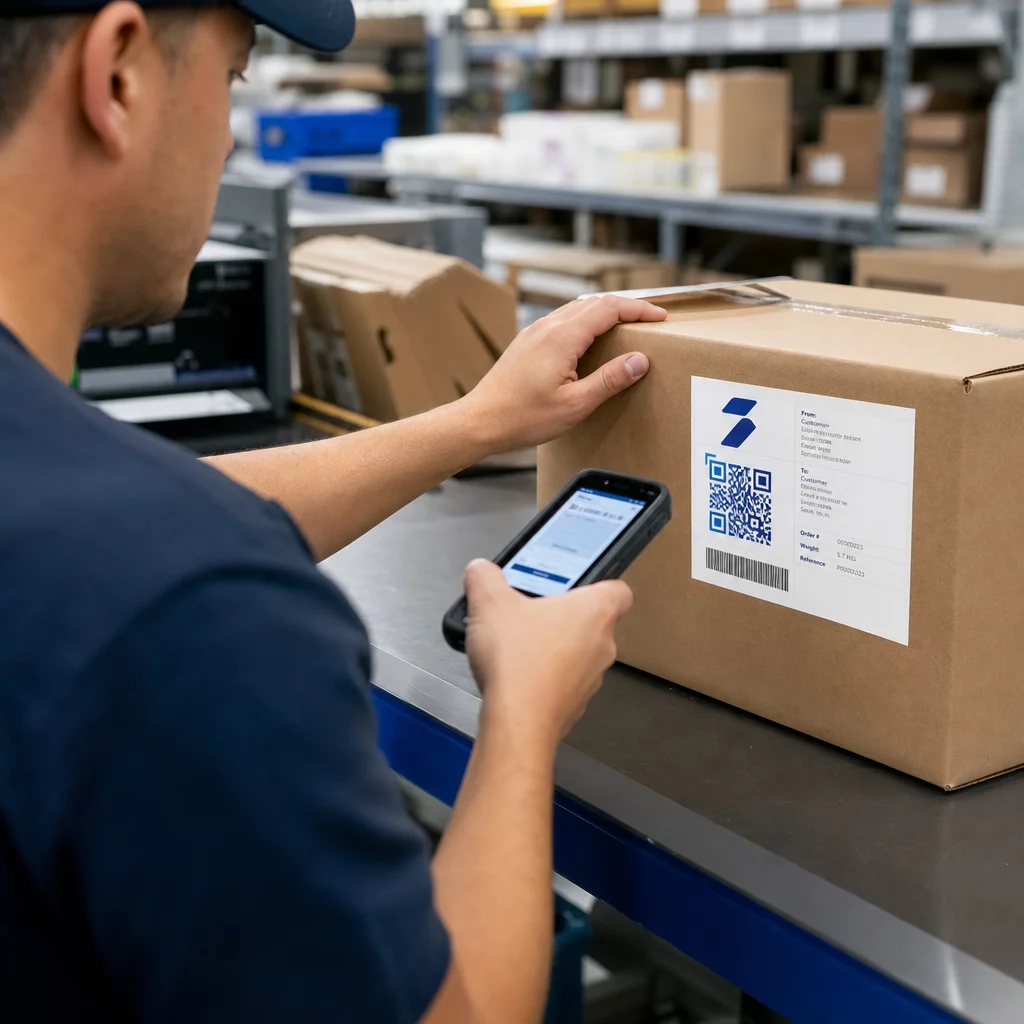
Los códigos QR en las etiquetas de envío consolidan números de pedido, detalles de seguimiento, direcciones de entrega e instrucciones especiales en un solo escaneo. El personal de envío verifica el contenido del paquete y actualiza los sistemas de seguimiento automáticamente, sin necesidad de reintroducción manual.
La confirmación de entrega también se vuelve más fiable. Los conductores pueden usar códigos QR para confirmar entregas exitosas y capturar firmas digitales o fotos vinculadas al pedido, creando un rastro de auditoría claro para cualquier disputa. Los clientes pueden escanear los códigos del paquete para ver el estado del pedido, las actualizaciones de entrega y las instrucciones de devolución, reduciendo las solicitudes de soporte entrantes.
Para una mirada más profunda a cómo los códigos QR abordan problemas comunes de entrega como el seguimiento poco claro y las actualizaciones perdidas, vea Cómo mejoran los códigos QR las entregas de e-commerce.
Devoluciones y Logística Inversa
Las devoluciones son más fáciles de gestionar cuando los códigos QR almacenan números de autorización de devolución, detalles del pedido original y preferencias de reembolso. Los equipos de servicio al cliente obtienen acceso inmediato a historiales de pedidos completos sin buscar en múltiples sistemas, acelerando el proceso y mejorando la satisfacción.
Características Avanzadas de Códigos QR para Logística
Códigos QR Dinámicos para Actualizaciones Flexibles
Los códigos QR estáticos son fijos una vez impresos; cambiar el destino significa reimprimir la etiqueta. Los códigos QR dinámicos eliminan esa restricción por completo. Si el destino de un envío cambia, el código en la etiqueta física se puede actualizar instantáneamente en el backend sin tocar el paquete.
Esto es particularmente valioso en la entrega de última milla. Si un cliente solicita una nueva hora de entrega o proporciona instrucciones de acceso actualizadas, el código QR en su paquete refleja ese cambio inmediatamente, por lo que los conductores siempre tienen información precisa. Para más información sobre cómo aplicar esto al transporte de mercancías, consulte la guía sobre seguimiento de envíos con códigos QR.
Editar detalles de envío sin reimprimir Los códigos QR dinámicos de Pageloot le permiten actualizar destinos, enlaces de seguimiento e instrucciones de entrega después de que las etiquetas ya estén impresas. Explore los códigos QR dinámicos y vea cómo reducen los costos de reimpresión en toda su operación.
Análisis y optimización en tiempo real
Los códigos QR no son solo para escanear, generan datos con cada interacción. Con Panel de análisis de Pageloot, los gerentes de logística pueden monitorear la frecuencia de escaneo, el tiempo, la ubicación y el tipo de dispositivo para identificar cuellos de botella y optimizar los flujos de trabajo.
Por ejemplo, un alto número de reescaneos en una estación de empaque podría indicar un problema de ubicación o la necesidad de capacitación del personal. Los datos geográficos pueden resaltar regiones donde el rendimiento de la entrega es deficiente. Los análisis basados en el tiempo ayudan a los gerentes a alinear los niveles de personal con los períodos de máxima actividad. Este enfoque basado en datos convierte la actividad de escaneo rutinaria en información operativa procesable.
Personalización y marca
Los códigos QR de marca, que incorporan logotipos de la empresa, colores y elementos de diseño, mantienen la coherencia en las etiquetas de envío, las confirmaciones de entrega y las comunicaciones con el cliente. Más allá de la estética, los elementos de diseño como los bordes de colores o los iconos de prioridad ayudan al personal del almacén a identificar rápidamente los requisitos de manipulación, reduciendo el tiempo de procesamiento.
Al personalizar códigos, mantenga un contraste suficiente entre los módulos oscuros y el fondo claro. Una relación de contraste de al menos 4:1 entre el código y el fondo garantiza un escaneo fiable en diferentes dispositivos y condiciones de iluminación. Para etiquetas impresas, utilice un tamaño de código mínimo de 2 × 2 cm y asegúrese de que haya una zona tranquila clara (un margen en blanco de al menos cuatro módulos de ancho) alrededor del código.
Aplicaciones específicas de la industria
Comercio electrónico y minorista
En el comercio electrónico, los códigos QR permiten el seguimiento de pedidos en tiempo real en cada etapa de cumplimiento, brindando a los clientes y equipos de operaciones la transparencia que necesitan. Simplifican las devoluciones al proporcionar acceso instantáneo a los historiales de pedidos y autorizaciones de devolución, y respaldan el seguimiento de la cadena de suministro que ayuda a las empresas a identificar dónde ocurren las pérdidas.
Más allá de la logística, los códigos QR en los empaques crean oportunidades para el engagement post-compra – registro de garantía, enlaces de reorden y promociones personalizadas basadas en el historial de compras.
Gestión de la Cadena de Suministro y Flota
En las cadenas de suministro, los códigos QR incrustan información detallada del envío – contenido del producto, instrucciones de manejo, números de lote – que se actualiza automáticamente a medida que los artículos pasan por las etapas de recepción, almacenamiento, transferencia y venta. Cuando se combinan con sistemas de gestión de almacenes, seguimiento de inventario en tiempo real se vuelve práctico sin costosas actualizaciones de infraestructura.
Para proveedores y revendedores al gestionar grandes volúmenes, la generación masiva de códigos QR permite crear miles de códigos únicos para empaques y etiquetas, con análisis de escaneo y controles de distribución para monitorear toda la cadena.
GS1 Digital Link y Estandarización
La iniciativa GS1 Sunrise 2027 está impulsando un cambio más amplio hacia los códigos de barras 2D en el comercio minorista y la logística. Bajo este estándar, los códigos QR codificados con URIs de GS1 Digital Link llevan Números Globales de Artículo Comercial (GTINs) junto con datos adicionales como fechas de caducidad y números de lote, lo que permite que un solo código sirva tanto para el escaneo en el punto de venta como para la trazabilidad de la cadena de suministro. Para las empresas que planifican una infraestructura de cumplimiento a largo plazo, la alineación con los estándares GS1 garantiza la compatibilidad entre socios minoristas y redes logísticas.
Cómo Implementar Códigos QR en el Cumplimiento de Pedidos
Elige el tipo de código QR adecuado
La elección entre códigos estáticos y dinámicos depende de la frecuencia con la que cambian los datos subyacentes.
- Códigos estáticos funcionan bien para información fija: IDs de productos permanentes, etiquetas de ubicación en estantes o códigos de referencia simples que nunca necesitan actualización.
- Códigos dinámicos son la elección correcta para el seguimiento de pedidos, etiquetas de envío y cualquier dato que cambie durante el cumplimiento. Permiten actualizaciones en tiempo real sin reimpresión y proporcionan análisis de escaneo.
Diferentes etapas de cumplimiento se benefician de características específicas de los códigos QR:
- Recepción: Códigos vinculados a órdenes de compra y detalles del proveedor, agilizando las actualizaciones de inventario
- Recogida: Códigos que muestran ubicaciones de artículos, cantidades e instrucciones especiales para una recuperación más rápida y precisa
- Embalaje: Códigos que proporcionan acceso a direcciones de envío, preferencias de transportista y directrices de embalaje
- Envío: Códigos que codifican números de seguimiento, enlaces de confirmación de entrega y activadores de notificación al cliente
Integrar con Sistemas Existentes
Los códigos QR ofrecen el mayor valor cuando se conectan a su sistema de gestión de almacenes (WMS), ERP y plataformas de envío. Las conexiones API permiten que las plataformas de códigos QR se sincronicen con los sistemas de inventario para que los niveles de stock se actualicen automáticamente con cada escaneo, y se conecten con el software de envío para que los números de seguimiento y las notificaciones al cliente se generen automáticamente a medida que se procesan los paquetes.
Comience mapeando su proceso de cumplimiento para identificar dónde los códigos QR crean el valor más inmediato. La mayoría de las empresas comienzan con un área – recepción de inventario o preparación de pedidos – para probar y refinar antes de escalar. Un enfoque por fases limita las interrupciones y da tiempo al personal para generar confianza con el nuevo flujo de trabajo.
Capacite a su Equipo
El personal debe ser capaz de generar, escanear e interpretar códigos QR, y comprender cómo se conectan a sus sistemas más amplios. La capacitación específica para cada rol es más efectiva que la instrucción genérica:
- Personal de recepción: Verificar envíos y actualizar inventario usando códigos QR
- Equipos de preparación de pedidos: Leer códigos de ubicación, confirmar cantidades y gestionar excepciones
- Equipos de embalaje: Generar etiquetas de envío, realizar escaneos de control de calidad y activar notificaciones al cliente
La práctica práctica, los procedimientos operativos estándar (POE) y las sesiones de repaso regulares mantienen las habilidades a punto. Aborde los problemas comunes (códigos dañados, mala iluminación, conectividad del dispositivo) para que el personal pueda solucionar problemas sin escalar cada uno.
Recopile comentarios de los empleados regularmente para identificar brechas y refinar el proceso. La mayoría de los equipos ven mejoras medibles en la precisión y el rendimiento poco después de adoptar protocolos de capacitación consistentes.
Escale las operaciones de códigos QR en toda su red de cumplimiento Pageloot admite fabricación y proveedor y revendedor operaciones con creación masiva de códigos QR, gestión centralizada y análisis en tiempo real. Soluciones de códigos QR para cada sector para encontrar la configuración adecuada para sus flujos de trabajo.
El camino a seguir
Los códigos QR son herramientas prácticas y de bajo costo que mejoran la precisión y la velocidad en cada etapa del cumplimiento de pedidos, sin requerir infraestructura costosa. Ya sea que gestione un solo almacén o una red de distribución de múltiples ubicaciones, la combinación de etiquetas ricas en datos, actualización dinámica y análisis en tiempo real le brinda a su equipo mejor información y menos pasos manuales.
El primer paso lógico es elegir una etapa de su proceso actual (recepción, preparación de pedidos o envío) y probar los códigos QR allí. Una vez que la integración sea estable y el personal tenga confianza, expanda a la siguiente etapa. Comience con los de Pageloot Prueba gratuita de 14 días para crear sus primeros códigos y vea cómo los datos de escaneo se incorporan directamente en sus decisiones operativas.
Preguntas frecuentes
Los códigos QR estáticos contienen información fija que no se puede cambiar una vez impresos – adecuados para datos permanentes como etiquetas de ubicación de estante o IDs de producto. Los códigos QR dinámicos almacenan una URL de redirección corta que apunta a contenido editable, para que puedas actualizar detalles de seguimiento, instrucciones de entrega o datos de inventario sin reimprimir la etiqueta. Los códigos dinámicos también generan análisis de escaneo, lo que los convierte en la mejor opción para la mayoría de los flujos de trabajo de cumplimiento activos.
La integración suele funcionar a través de conexiones API entre su plataforma de códigos QR y su WMS, ERP o software de envío. Cuando se escanea un código QR, el evento activa una actualización automática en el sistema conectado, ajustando los niveles de stock, registrando una etapa de envío o generando una notificación al cliente. La mayoría de las implementaciones comienzan con un área de flujo de trabajo única para probar la compatibilidad antes de expandirse a la operación completa.
Los clientes pueden escanear un código QR en su paquete para acceder a actualizaciones de seguimiento en tiempo real, confirmaciones de entrega e instrucciones de devolución, sin llamar a soporte ni navegar por un sitio web. Los códigos dinámicos aseguran que los clientes siempre vean el estado más actual, incluso si los detalles de entrega cambian después de que se imprime la etiqueta. Esta transparencia reduce la incertidumbre y disminuye el volumen de solicitudes de soporte entrantes.