首页 > 二维码行销 > How to Get Better Customer Engagement with QR Codes
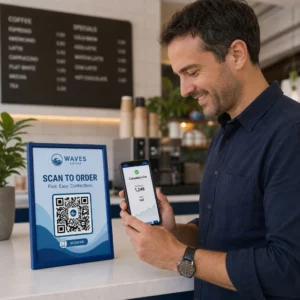
客户扫描二维码

How to Get Better Customer Engagement with QR Codes

QR codes turn physical surfaces into interactive gateways. Learn how to bridge offline and online channels, track scan data, and improve customer engagement.
Updated on 6 月 10, 2026
目录

Are your marketing materials sitting in front of customers without giving them a clear next step? Print and physical touchpoints still reach audiences effectively, but they struggle to connect that attention to measurable digital action. QR codes solve that problem by turning any physical surface into an interactive gateway – and they do it in a way that’s trackable, flexible, and easy to implement.

Why QR Codes Still Matter in Marketing

QR codes had a rocky reputation for a while. Early adopters placed them in awkward locations, linked them to non-mobile-friendly pages, and gave customers no reason to scan. The technology wasn’t the problem – the implementation was.

Today, that’s changed. Consumer familiarity with QR codes has grown significantly. Over two-thirds of U.S. consumers used a QR code at least once in the past year, and roughly half of Gen Z and Millennials scan them at least once a week. In retail settings, 64% of U.S. shoppers reported scanning a QR code on a product while shopping in-store.

The most common use cases include restaurant menus (48%), mobile apps (47%), product information (43%), Wi-Fi access (32%), and event tickets (31%). These aren’t niche behaviors – they’re mainstream habits that marketers can build campaigns around.

The core lesson from the early failures is still valid: QR codes work when they’re implemented thoughtfully. Get the placement, the destination, and the incentive right, and you have a powerful tool. Get them wrong, and you get ignored. Learn more about how to use QR codes effectively before launching your next campaign.

Versatility Across Every Marketing Channel

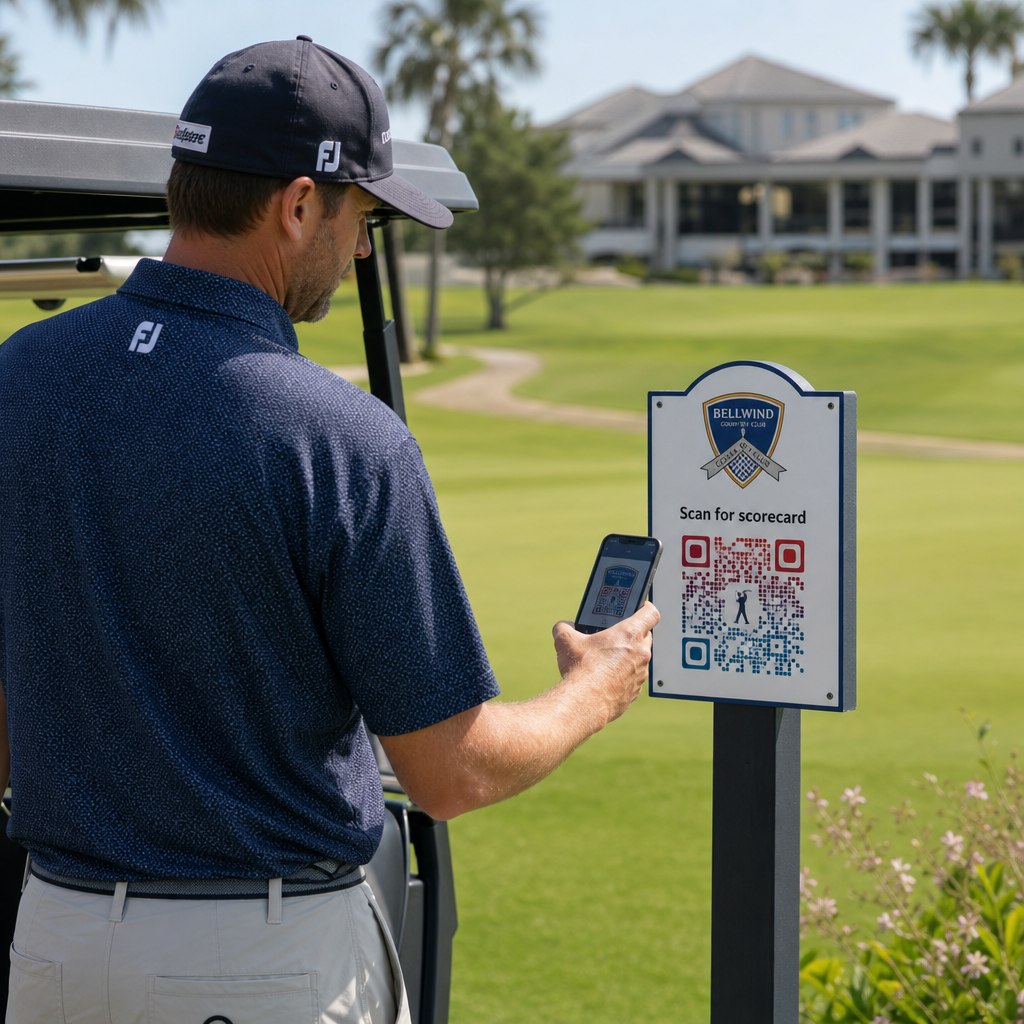
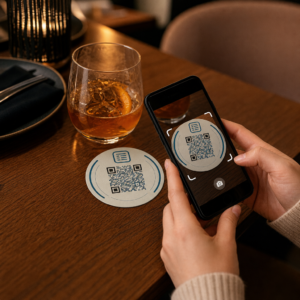
One of the most practical advantages of QR codes is that they can appear almost anywhere. Business cards, product packaging, posters, billboards, magazine ads, direct mail, restaurant tables, event signage, email signatures – all of these become interactive when you add a QR code.

That said, placement context matters. A QR code on a moving bus is difficult to scan. A code shown on a television screen needs to remain visible for at least 15 seconds to give viewers enough time to retrieve their phone and scan. A code on a brochure picked up at a trade show can be scanned at leisure.

Understanding the physical environment where your code will appear helps you design it appropriately – sizing it correctly, placing it at eye level (typically 3.5–5.5 feet), and giving it enough contrast and white space to scan reliably. The guidelines for placing QR codes on marketing materials walk through the specific requirements for different formats.

Because they work across so many surfaces, QR codes let you run consistent campaigns that carry the same message from a magazine ad to a product package to an in-store display – each code potentially pointing to a different destination while reinforcing a unified campaign.

Bridging Offline and Online Experiences

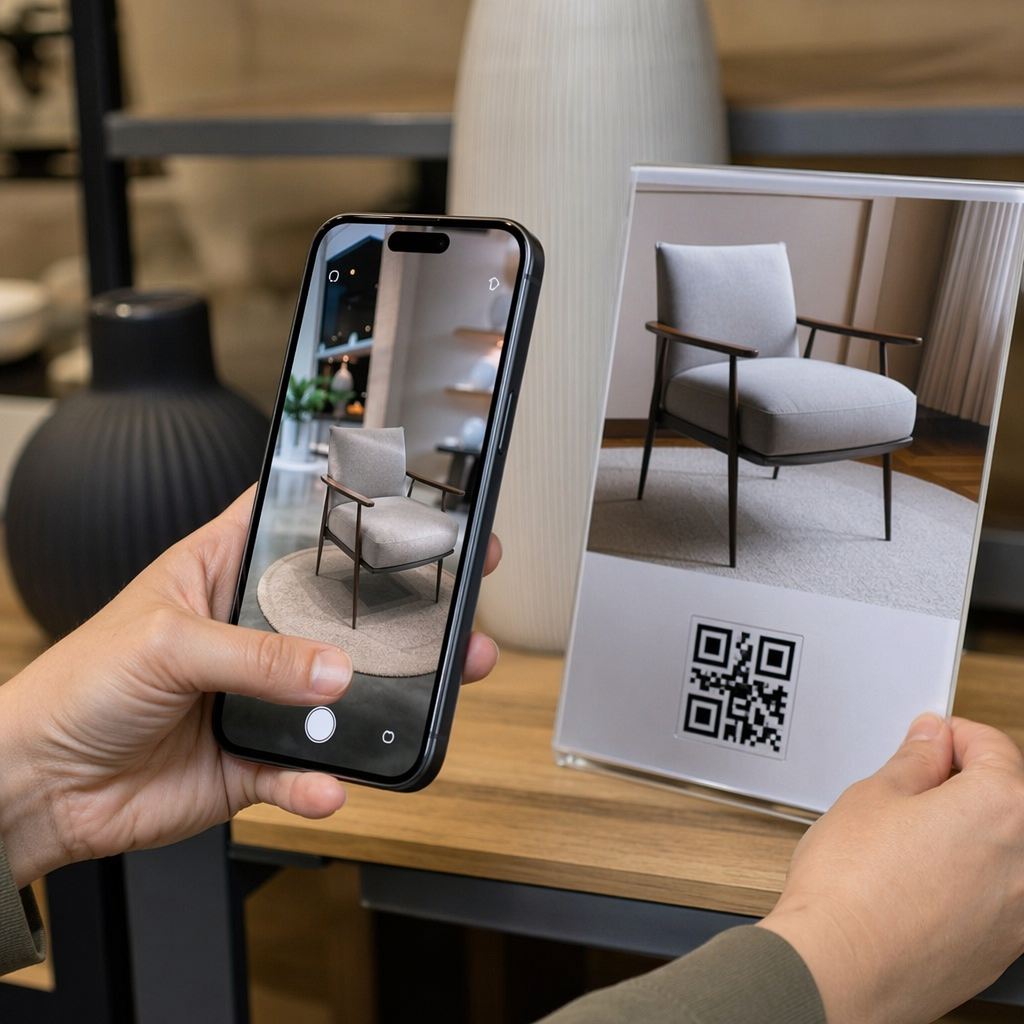
The clearest strategic value of a QR code is its ability to connect physical touchpoints with digital destinations. When someone scans a code on a flyer, they can be taken directly to a landing page, promotional video, product review, feedback form, or app download – without typing anything manually.

This is especially useful for campaigns that rely on print. A poster campaign can drive traffic to a time-sensitive offer. A business card can link to a full digital portfolio. Product packaging can connect buyers to setup instructions, warranty registration, or complementary product recommendations.

The connection works both ways: you can use offline campaigns to promote digital products, or use digital materials to reinforce what customers experience in person. The key requirement is that whatever the QR code links to must be mobile-optimized. Sending someone from a clean physical design to a slow, desktop-formatted page breaks the experience immediately.

Explore how 二维码连接印刷和数字营销 for a deeper look at practical examples and campaign structures across industries.

Trackable Results That Traditional Ads Can’t Match

This is where QR codes genuinely outperform many traditional advertising formats. A radio or TV ad might generate more traffic or calls, but it’s rarely possible to isolate exactly how many people responded because of that specific placement.

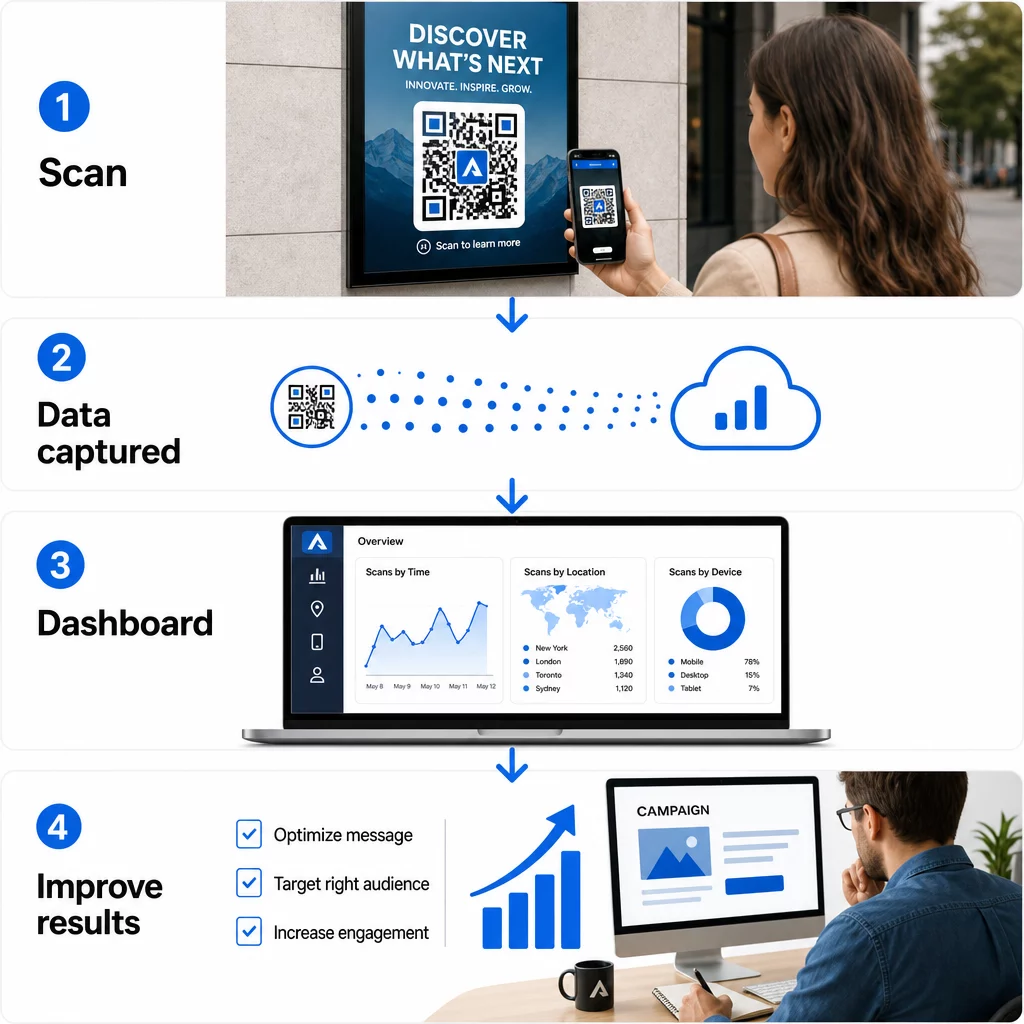
With QR codes, every scan becomes a measurable data point. When you use dynamic QR codes with built-in tracking, you can monitor:

QR码追踪
  • Total scans and unique scans
  • Date and time of each scan
  • Geographic location of scans
  • Device type and operating system
  • Scan trends over the duration of a campaign

When you assign unique QR codes to different placements – one for a magazine ad, another for a direct mail piece, a third for an in-store display – you can compare scan volumes across those channels and identify which creative or location drives the most engagement. That kind of offline attribution is something most traditional advertising simply cannot provide.

For campaigns that require deeper integration with marketing analytics, you can use UTM parameters alongside your QR codes to track results directly in Google Analytics 4. This lets you compare QR-driven traffic against other channels and evaluate conversion performance. The UTM parameters guide for QR codes covers how to set this up correctly.

Track Every Scan Across Every Placement Want to know exactly which materials are driving results and where your customers are engaging most? Use the Pageloot QR码生成器 to create dynamic, trackable codes with access to a full analytics dashboard.

动态二维码的优势

Not all QR codes offer the same flexibility. 静态二维码 encode a fixed destination directly into the pattern – once printed, the destination cannot be changed, and they generate no tracking data.

动态 QR 码, by contrast, encode a short redirect URL. When someone scans it, they’re routed through that redirect to the actual destination – which you can update at any time without changing or reprinting the physical code. This means:

  • A seasonal promotion can be updated when the promotion ends
  • A restaurant menu can be revised without replacing table signage
  • A campaign that underperforms can be redirected to a better-converting page

comparison of static vs. dynamic QR codes explains when each type is the right choice. For any campaign where you want flexibility, tracking, or the ability to optimize after launch, dynamic codes are the practical choice.

five key benefits of dynamic QR codes for marketing expand on this further, including how real-time tracking, branded design, and content editability combine to make dynamic codes a significantly more powerful marketing tool than their static counterparts.

Branding and Creative Customization

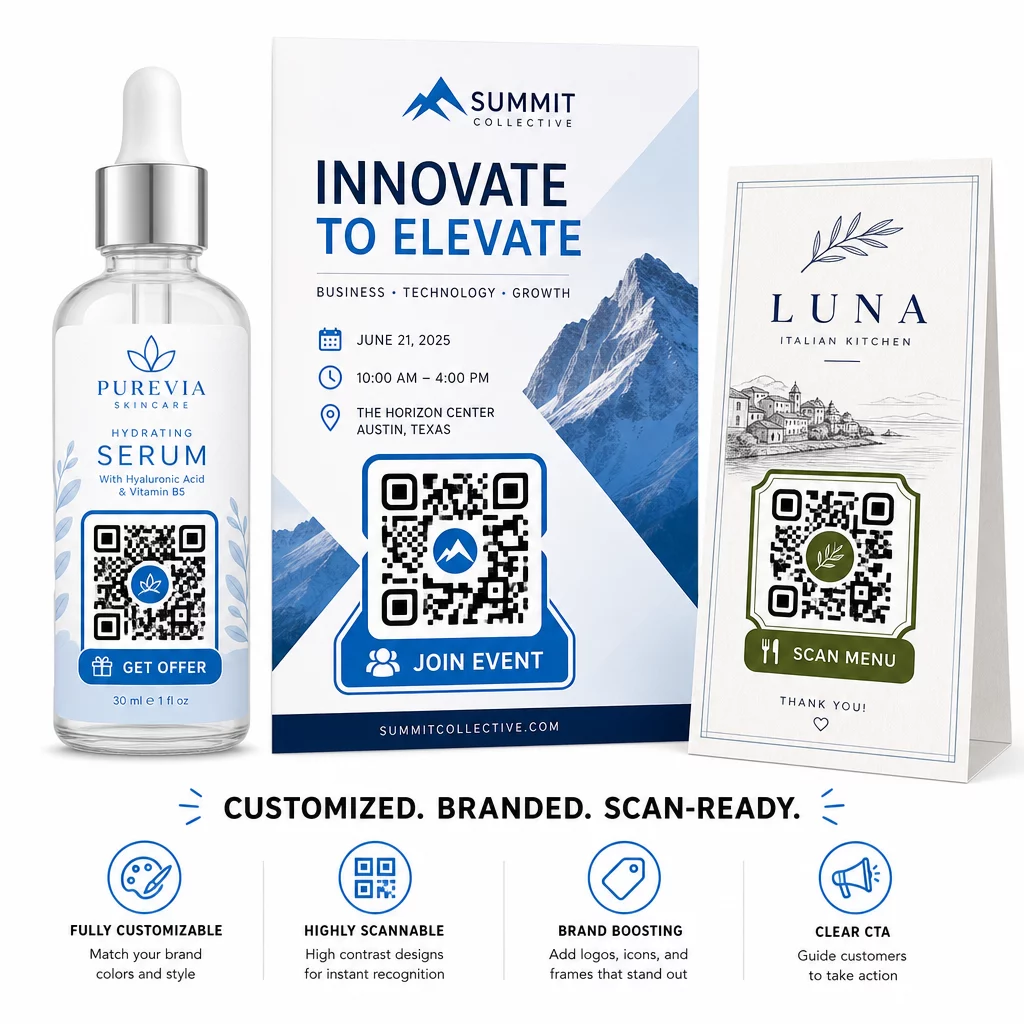
Early QR codes were black-and-white squares with no visual identity. That’s no longer the default. Today, you can incorporate your brand colors, logo, and custom design elements directly into the QR code – making it a branded asset rather than a generic pattern.

Branded QR codes

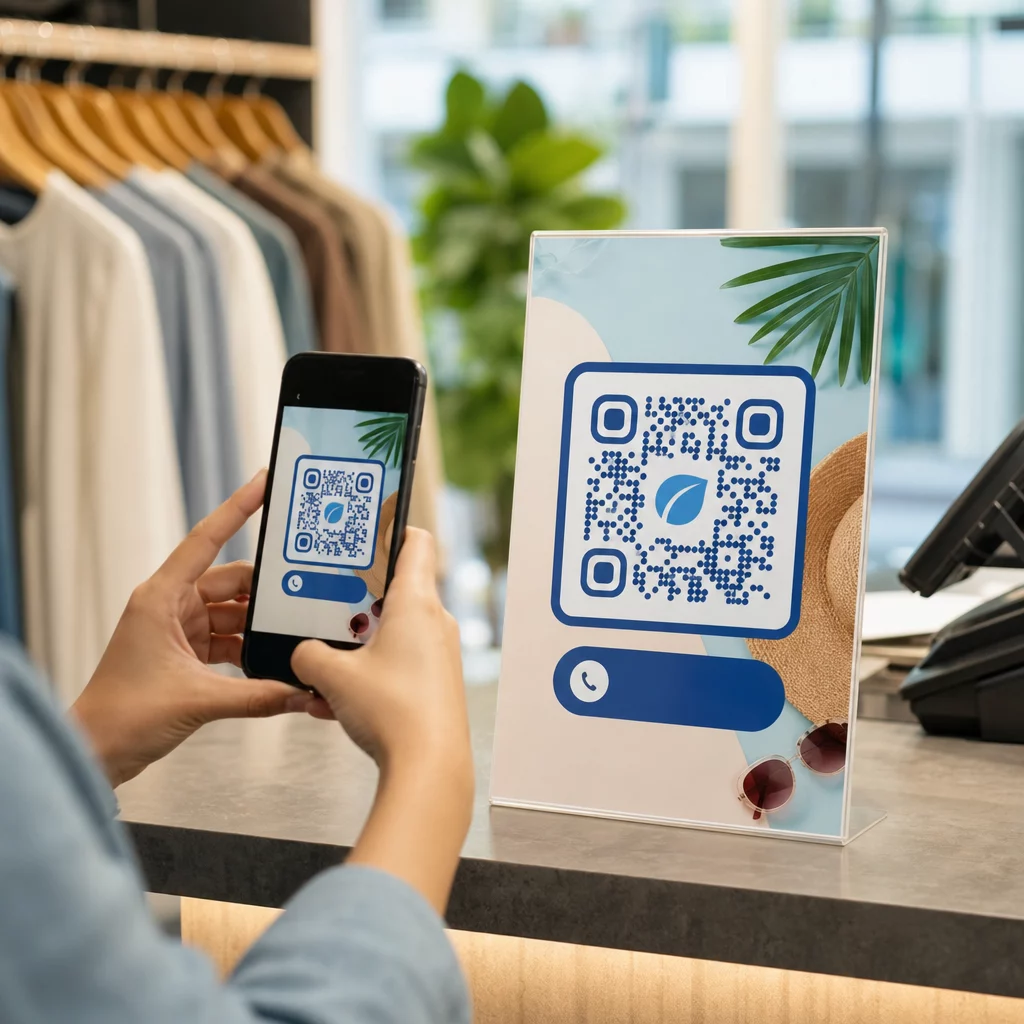
A well-designed QR code can attract attention and signal trust before anyone scans it. Branded codes with a logo in the center and a call-to-action frame – such as “Scan for your discount” or “View our menu” – give customers a clear incentive and reinforce brand recognition.

The key technical constraint is scannability. The logo should not cover more than roughly 30% of the code area, the contrast between the code pattern and the background must remain high enough for camera recognition, and the code should be tested across multiple devices before distribution. The 带标志的二维码生成器 from Pageloot handles the design process while keeping those constraints in check.

Customization also contributes to campaign performance. QR codes that look like a recognizable part of your brand are more likely to earn a scan than a generic black-and-white pattern that gives no visual cues about where it leads.

Practical Applications Worth Knowing

QR codes perform well across a range of specific marketing use cases:

  • 商业名片: A 名片二维码 can link to a full digital contact profile, LinkedIn page, or portfolio, making networking follow-ups easier and more informative than a standard card alone.
  • Feedback and forms: A 谷歌表格二维码 placed on receipts, packaging, or in-store signage gives customers an immediate, friction-free way to submit feedback without needing to type a URL.
  • Direct mail and print ads: Unique codes on each mail piece allow you to measure which zip codes or creative versions drive the most engagement.
  • 活动营销: QR codes on signage, badges, or printed materials give attendees instant access to schedules, session materials, or registration confirmations.
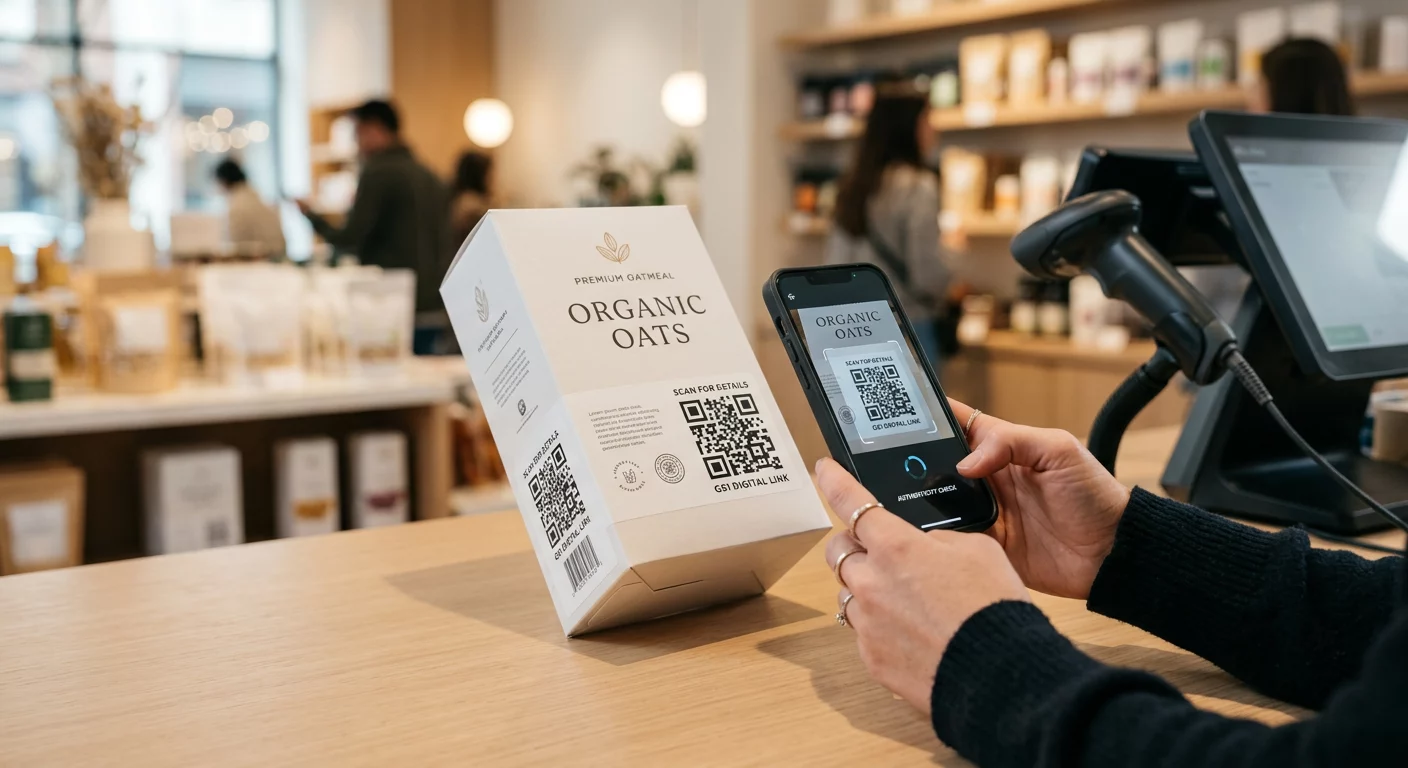
  • 产品包装: Codes on packaging can direct buyers to instructional content, loyalty programs, or product registration – extending the customer relationship beyond the point of sale.

For small businesses, the QR code marketing checklist is a practical starting point for setting goals, choosing the right QR code types, and deploying them across print and digital materials in a coordinated way.

Cost-Effectiveness and Getting Started

Creating a basic QR code doesn’t require significant investment. Free tools exist, and the primary cost is the time to design and deploy them thoughtfully. For campaigns that require tracking, dynamic links, branded customization, and analytics dashboards, a paid subscription to a QR code management platform adds measurable value – particularly because it eliminates the reprinting costs that would otherwise come with any destination change.

The more important investment is strategic: defining what each QR code should accomplish, where it will appear, what it links to, and how you will measure success. Without those decisions in place first, even a well-designed code won’t deliver results.

If you’re ready to see which of your placements actually drives engagement, start with a 链接二维码 for your next campaign, add UTM parameters to your destination URL, and review the scan data after two to three weeks. That data will tell you more about where your customers are paying attention than most other marketing signals available to you.

常见问题

What is the difference between a static and a dynamic QR code for marketing?

A static QR code encodes a fixed destination and cannot be changed after creation. It also provides no tracking data. A dynamic QR code uses a short redirect URL, which means you can update the destination at any time without reprinting the code, and it records scan data including location, device type, and timing. For most marketing campaigns, dynamic QR codes are the better choice because they offer both flexibility and measurability.

How do QR codes help track the performance of offline marketing?

When someone scans a QR code, the scan generates a timestamped data event that includes information such as approximate location, device type, and the time of day. By assigning unique QR codes to different placements – a magazine ad, a flyer, a billboard – you can compare scan volumes across those channels and identify which materials are driving engagement. Adding UTM parameters to your destination URL lets you pull that data into Google Analytics 4 and evaluate conversions alongside your other digital traffic.

Where should I place QR codes to get the most scans?

Placement depends on the format and context. In general, codes should be at eye level, in good lighting, on a flat surface with adequate contrast and white space around them. For print materials, the lower-right corner of a flyer or the back of a business card are proven positions. For in-store use, displays near decision points – such as checkout areas or product shelving – tend to perform well. Always include a call-to-action near the code so customers understand what they’ll get by scanning.

关于作者

Siim Kostabi 是 Pageloot 的内容主管,负责撰写关于我们创新型二维码生成器服务的文章。凭借五年多来在二维码领域积累的深厚专业知识,Siim 是该领域的专家。他致力于利用二维码技术简化和增强数字交互,并取得了显著的成果。.

类别
了解更多关于
QR QR码的#1解决方案

如果您需要在线创建QR码,则可以 制作二维码 就在这里免费!
Pageloot是 #1转到解决方案 创建和扫描QR码。

QM-08

博客生成器

受到超过 20,000 个品牌的信赖,可获得更多销售、评论和关注者。

客户徽标
受到顶级品牌的信赖
评分为 4.8(共 5)

4.86 / 5 星评级

雨果·劳伦特
雨果·劳伦特
餐馆老板
有史以来最容易和最可靠的QR码生成器。PDF文件可以立即上传。我们的餐厅菜单现在是数字化的。
卢卡斯-詹森
卢卡斯-詹森
房地产开发商
这是一个很好的工具,二维码带你到你想要的地方。我们只使用位置二维码,但有许多有用的功能。
艾玛-莫雷蒂
艾玛-莫雷蒂
零售产品
易于使用和快速。它工作得很好,创造了一个完美的图像,所以员工可以下载我的vCard。
雨果·劳伦特
雨果·劳伦特
餐馆老板
有史以来最容易和最可靠的QR码生成器。PDF文件可以立即上传。我们的餐厅菜单现在是数字化的。
卢卡斯-詹森
卢卡斯-詹森
房地产开发商
这是一个很好的工具,二维码带你到你想要的地方。我们只使用位置二维码,但有许多有用的功能。
艾玛-莫雷蒂
艾玛-莫雷蒂
零售产品
易于使用和快速。它工作得很好,创造了一个完美的图像,所以员工可以下载我的vCard。
查看更多QR码
玩家扫描二维码
使用扫描二维码 宠物小精灵
Modern barcode scanning
是条码 死的?
将一切转化为数字体验 不到3分钟。

免费试用 14 天。

无需信用卡。

首次购买可享受 30% 折扣

使用代码:

分享您的 MP3 文件

注册以创建 PDF QR 码

上传和显示你需要的一切。

  • 音频文件
  • 播客
  • 音乐

注册即可享 14 天免费试用。.
试用期结束后,二维码将失效。.

注册以创建音频 mp3 二维码

使用边框获得更多扫描

注册以向您的二维码添加更多框架

呼叫行动框架帮助您的客户与QR码轻松互动。试试吧!

注册即可享 14 天免费试用。.
试用期结束后,二维码将失效。.

注册以向您的二维码添加更多框架

使用形状添加更多样式

注册以创建更多形状

二维码不一定是方形的。试着改变它以适应你的品牌形象。

注册即可享 14 天免费试用。.
试用期结束后,二维码将失效。.

注册以创建更多形状

为您的二维码添加徽标

注册以将您的徽标添加到二维码中

通过在二维码上添加你的标志和品牌,使你的二维码脱颖而出。

注册即可享 14 天免费试用。.
试用期结束后,二维码将失效。.

注册以将您的徽标添加到二维码中

智能应用商店重定向

注册以创建应用商店二维码

将您的应用程序链接添加到我们的智能应用程序商店QR码。用户会根据他们的设备被重新定向。

注册即可享 14 天免费试用。.
试用期结束后,二维码将失效。.

注册以创建应用商店二维码

将图片上传到二维码

注册以创建图像二维码

轻松分享你的图像。在几秒钟内动态地改变任何图像。

注册即可享 14 天免费试用。.
试用期结束后,二维码将失效。.

注册以创建图像二维码

分享您的 PDF 文件

注册以创建 PDF QR 码

上传和显示你需要的一切。

  • 菜单和价格表
  • 使用说明
  • 任何文件

注册即可享 14 天免费试用。.
试用期结束后,二维码将失效。.

注册以创建 PDF QR 码

稍后编辑,无需打印

注册即可编辑您的二维码,无需再次打印

动态QR码让你改变你的QR码的内容,而不需要打印新的QR码。

注册即可享 14 天免费试用。.
试用期结束后,二维码将失效。.

注册即可编辑您的二维码,无需再次打印

何时?何地?追踪您的二维码扫描

注册以追踪您的二维码

发现你的哪些二维码收到了最多的扫描,以及什么最能让你的客户兴奋。

注册即可享 14 天免费试用。.
试用期结束后,二维码将失效。.

注册以追踪您的二维码

提供可打印文件

注册以创建 PDF 和 SVG 等矢量二维码

.EPS, .PDF, .SVG

想下载高清分辨率的QR码吗?获得矢量或像素格式,可随时打印。

注册即可享 14 天免费试用。.
试用期结束后,二维码将失效。.

注册以创建 PDF 和 SVG 等矢量二维码

请等待。您的二维码是 正在加载... 正在加载...

打造专属

注册以保存您的二维码以供日后使用

通过创建具有不同颜色、标识和行动呼吁框架的出色的QR码,获得更多的扫描。

注册即可享 14 天免费试用。.
试用期结束后,二维码将失效。.

注册以保存您的二维码以供日后使用