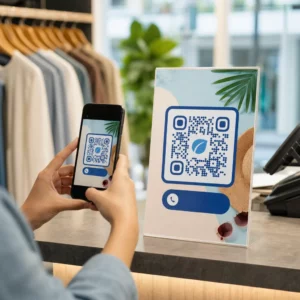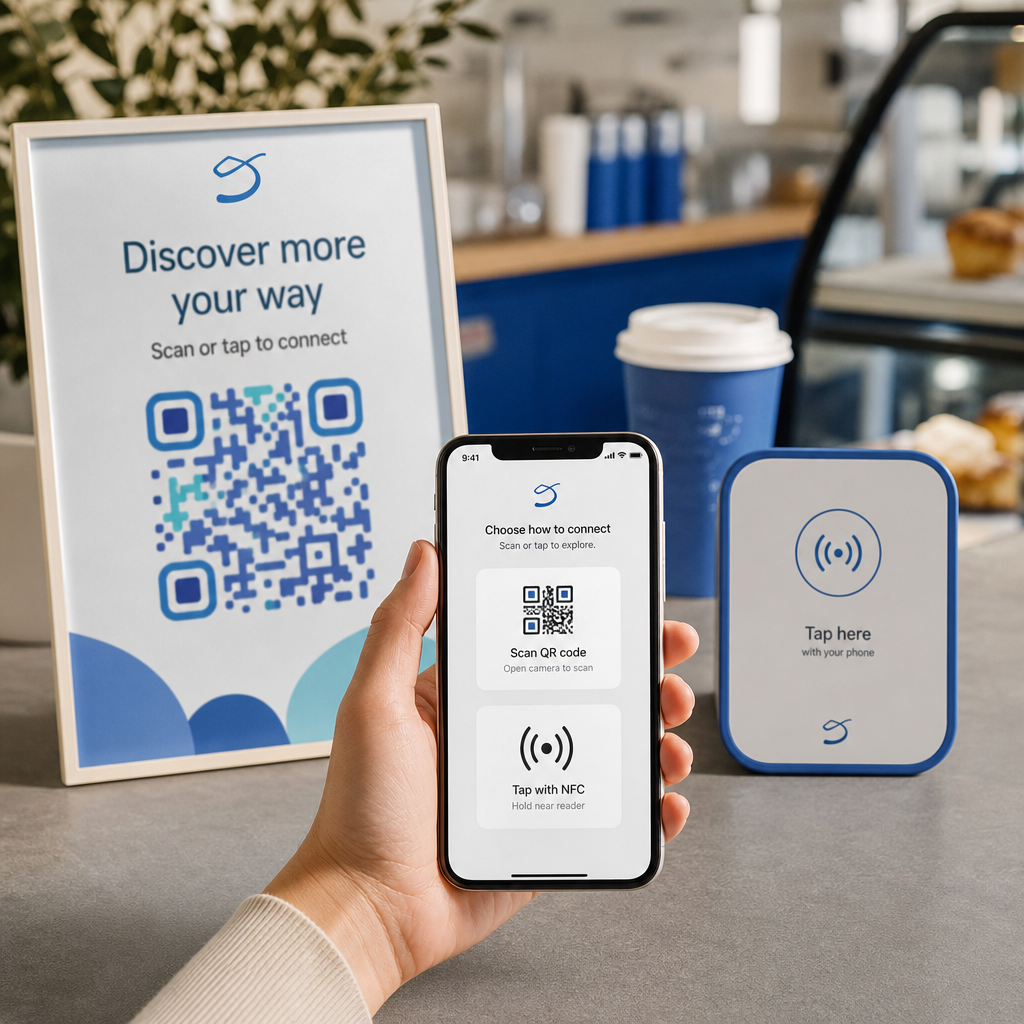
Trying to decide between QR codes and NFC for your next campaign, product, or customer touchpoint? Both technologies bridge the physical and digital worlds, but they work differently and serve different purposes. This guide breaks down how each works, what it costs, where it excels, and where it falls short – so you can choose the right tool for your specific situation.
How Each Technology Works
Before comparing them, it helps to understand the mechanics behind each.
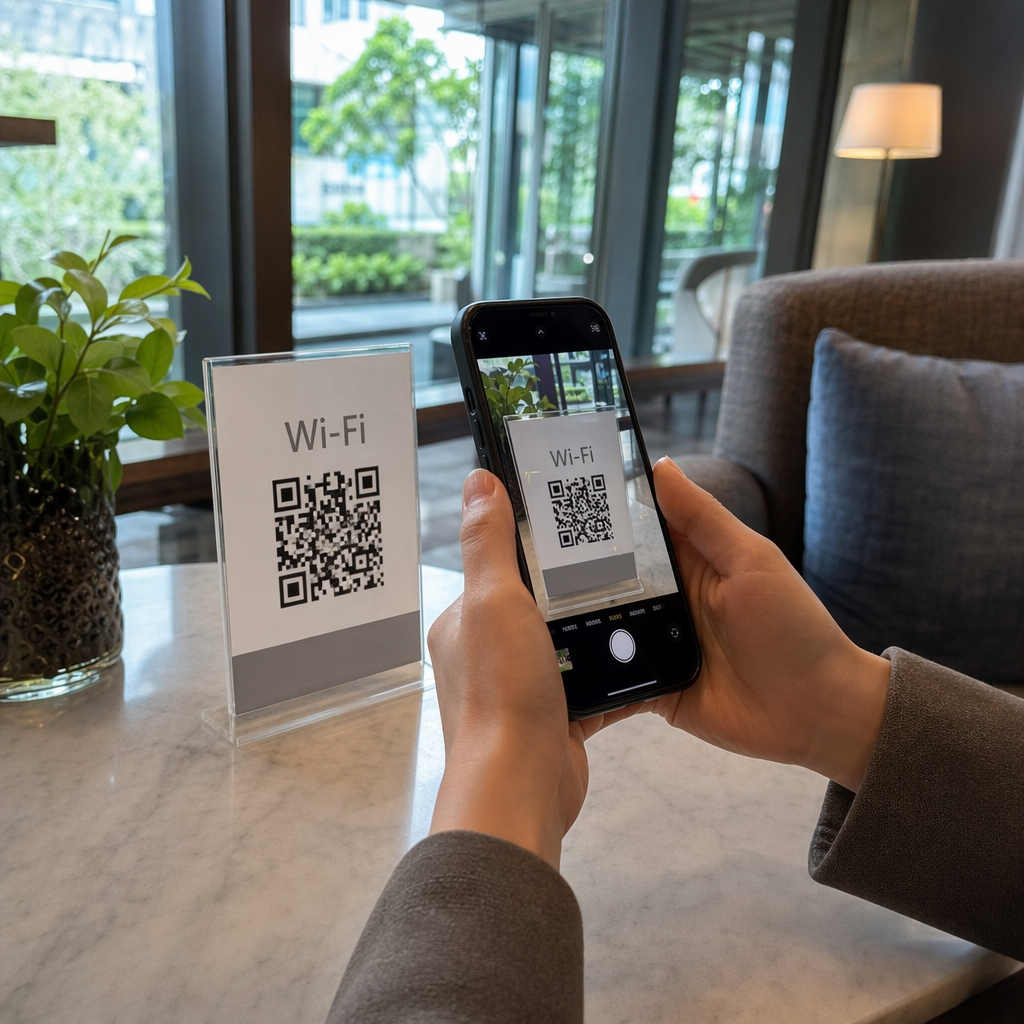
QR码 (Quick Response codes) are two-dimensional optical images. They store data in a printed pattern that a smartphone camera reads using line of sight. No electronics, no power source, no chip – just ink on a surface. Most modern smartphones can scan a QR code directly through their built-in camera app, with no extra software required.
NFC (Near Field Communication) is a short-range wireless technology that enables devices to communicate when they’re within a few centimeters of each other. Unlike Bluetooth or Wi-Fi, NFC doesn’t require manual pairing – the connection initiates the moment two NFC-capable devices are brought close together. NFC tags are small electronic chips with an embedded antenna, powered passively by the phone’s NFC reader during a tap interaction.
The practical difference: QR codes are read optically from a distance; NFC tags are activated by physical proximity.
Side-by-Side Comparison
| 功能 | 二维码 | NFC Tags |
|---|---|---|
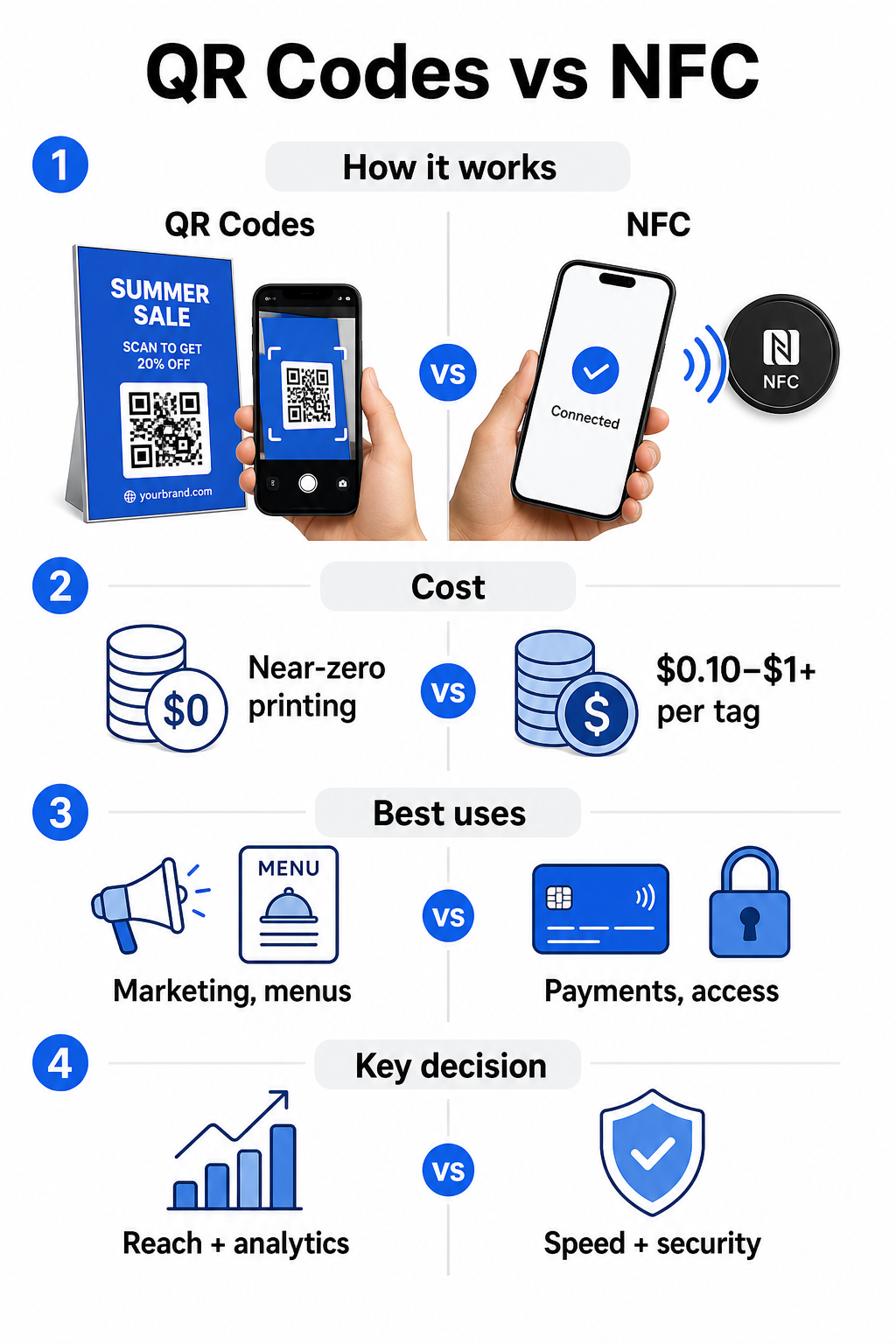
| How it works | Camera reads a printed image | Wireless chip communicates via tap |
| Device requirement | Any smartphone with a camera | NFC-capable phone |
| Scanning distance | Several centimeters to meters | Typically within a few centimeters |
| Hardware cost | Near zero (just printing) | $0.10–$1.00+ per tag |
| Ongoing cost | Free (static) or ~$5–$35/month (dynamic) | No recurring tag fee; optional software costs |
| Updateability | Static: cannot change; Dynamic: fully editable | Tags can be rewritten if not locked |
| 耐用性 | Degrades with wear, light-dependent | Embedded, no visual alignment needed |
| 安全 | Easier to copy or spoof | Better for encryption and authentication |
| 分析工具 | Available via dynamic QR platforms | Requires separate software |
| 最适合 | Mass distribution, marketing, menus | Payments, access control, premium experiences |
Pros and Cons of QR Codes
优势
- Universal accessibility. According to YouGov, 75% of American adults are willing to use more QR codes in the future, and 59% consider them a permanent part of using their phones. With 99.5 million U.S. smartphone users scanning QR codes in 2025, the behavior is already deeply embedded in daily life.
- Near-zero production cost. A static QR code is just an image – it can be printed on packaging, flyers, signage, or business cards at no additional cost beyond the print job itself.
- Works at a distance. Because QR codes rely on a camera, they can be scanned from across a room or even from a billboard. This makes them suitable for any large-format media where physical proximity isn’t possible.
- Dynamic QR codes are fully editable. Unlike static codes, 动态二维码 let you update the destination URL or content after the code has been printed and distributed – no reprinting required.
- Built-in analytics. Platforms like Pageloot track total and unique scans, scan times, geographic location, and device type, giving you real campaign data from every code you deploy.
- Widely understood by consumers. A majority of U.S. consumers say QR codes are useful in their daily lives, and 二维码扫描趋势中 show adoption growing across retail, events, healthcare, and e-commerce.
缺点
- Requires line of sight and adequate light. A damaged, faded, or poorly lit QR code won’t scan. Environmental factors like rain, direct sunlight, or physical wear can degrade readability over time.
- Security vulnerabilities. QR codes can be spoofed or replaced with malicious alternatives. Attackers can print a fake QR code over a real one and redirect users to phishing sites or malware. For a full breakdown of these risks, see 二维码隐私风险以及如何避免它们.
- Active interaction required. Users need to open their camera app, point it at the code, and wait for it to register – a slightly more deliberate action than a tap.
- Static codes can’t be updated. If you use a static QR code and the destination changes, you have to reprint everything.
Create Trackable, Editable QR Codes Want QR codes you can update after printing and track in real time? Use the Pageloot QR码生成器 to create dynamic codes with built-in analytics – no reprinting needed when your content changes.
Pros and Cons of NFC
优势
- Seamless tap experience. NFC requires no camera alignment, no app launch, and no waiting. Users simply tap or hold their phone near the tag and the interaction begins immediately. The NFC Forum describes this as an ultra-short-range, low-latency connection that starts automatically once devices are in close proximity.
- Better durability. NFC chips can be embedded inside products, cards, wristbands, or packaging, with no visual element that can be scratched, faded, or obscured. They don’t rely on light or visual alignment to function.
- Stronger security baseline. NFC supports encryption and authentication protocols, making it better suited for applications like contactless payments and access control, where data integrity matters most.
- Tags can be rewritten. As long as an NFC tag isn’t locked, its stored data can be completely replaced without physically replacing the tag.
- Extended range improving. The NFC Forum’s Release 15 specification extends the operating range up to 20 mm, reducing the need for precise alignment between devices and improving the overall user experience.
缺点
- Hardware cost per unit. NFC tags aren’t free – they range from under $0.20 per tag in bulk to around $1.00 per tag for smaller quantities. Custom logos or text increase the unit price further. For large-scale deployments, this adds up quickly.
- Device compatibility isn’t universal. NFC requires an NFC chip in the user’s smartphone. While most modern flagship phones include NFC, it is not as universally available as a camera, particularly across older devices and certain markets.
- More operational overhead. Deploying an NFC campaign requires planning tag formats, testing each tag, ensuring physical placement is visible and accessible, and integrating any analytics or redirect software separately – steps that add planning complexity beyond the tag cost alone.
- Security risks still exist. Despite stronger encryption capabilities, NFC is not immune to attacks. Risks include eavesdropping, data interception, card cloning, tag tampering, and spoofing. Malicious tags can be placed over legitimate ones to redirect users to phishing sites or deliver mobile malware.
- No native analytics. Unlike dynamic QR platforms, NFC tags don’t come with scan tracking built in. You need separate software to capture behavioral insights or measure engagement.
Cost Breakdown: What You’ll Actually Spend
Understanding the real cost of each technology goes beyond the sticker price of a tag or a subscription.
QR码 offer a clear cost ladder. Static QR codes are free to generate and cost only as much as printing them onto your existing materials. Dynamic or branded QR codes – which add editability, analytics, and customization – typically run $5–$35 per month depending on the platform and feature tier. There are no per-scan costs and no physical hardware to manage or replace.
NFC tags carry a per-unit cost that static QR codes simply don’t. Physical tags run $0.10–$1.00+ per unit, with price varying by order quantity and customization. Once purchased, there’s no recurring fee for the tags themselves – but if you want analytics, redirect management, or behavioral tracking, you’ll need to budget for a separate software layer on top of the hardware cost.
For small or pilot campaigns, QR codes offer a near-zero entry point. For large NFC deployments, per-unit tag costs and operational requirements create a higher upfront investment that needs to be justified by the use case. See a comparison of free vs. paid QR tools for a deeper look at QR platform pricing.
Security: Which Technology Is Safer?
Neither technology is inherently safe or unsafe – both carry risks that depend on how they’re implemented and managed.
QR码 are easier to copy and spoof. A bad actor can print a fraudulent code and place it over a real one. Users have no way to verify where a code will send them before scanning. That said, dynamic QR codes add meaningful control: you can update or deactivate the destination immediately if a code is compromised, add password protection, and require HTTPS-secured destinations. For payment-specific guidance, see 二维码支付如何提高安全性和速度.
NFC tags support encryption and authentication, which is why they’re the standard for contactless payments and physical access control. However, tags can still be tampered with, cloned, or spoofed. Attackers with specialized equipment can read or relay NFC data from close range, and unsecured tags can be overwritten to redirect users to malicious content.
In both cases, the safest implementations combine the technology with secure HTTPS destinations, regular audits of physical placements, and clear user education about what to expect when they scan or tap.
Best Use Cases: When to Choose Each
Choose QR codes when:
- You need broad, low-cost reach. Restaurants, retailers, event organizers, and marketers deploying codes on printed materials benefit from near-zero cost and universal compatibility across device types.
- Your audience is diverse. QR codes work on virtually any smartphone, making them more accessible across age groups and device generations than NFC.
- You want real-time analytics. Dynamic QR codes combined with a platform like Pageloot give you scan data, geographic insights, and the ability to A/B test landing pages – all from a centralized dashboard.
- You need to update content after printing. With dynamic QR codes, you can change the destination URL without touching the printed material. This is particularly valuable for restaurant menus and industry-specific use cases, event schedules, and seasonal campaigns.
- You’re running marketing campaigns. QR code scanning trends show marketing leads all industry categories for scan volume, making QR codes a natural fit for campaign-driven engagement.
Practical examples include:
- Business card QR codes that share contact info instantly when scanned
- PayPal payment QR codes for contactless checkout at cafes or pop-up events
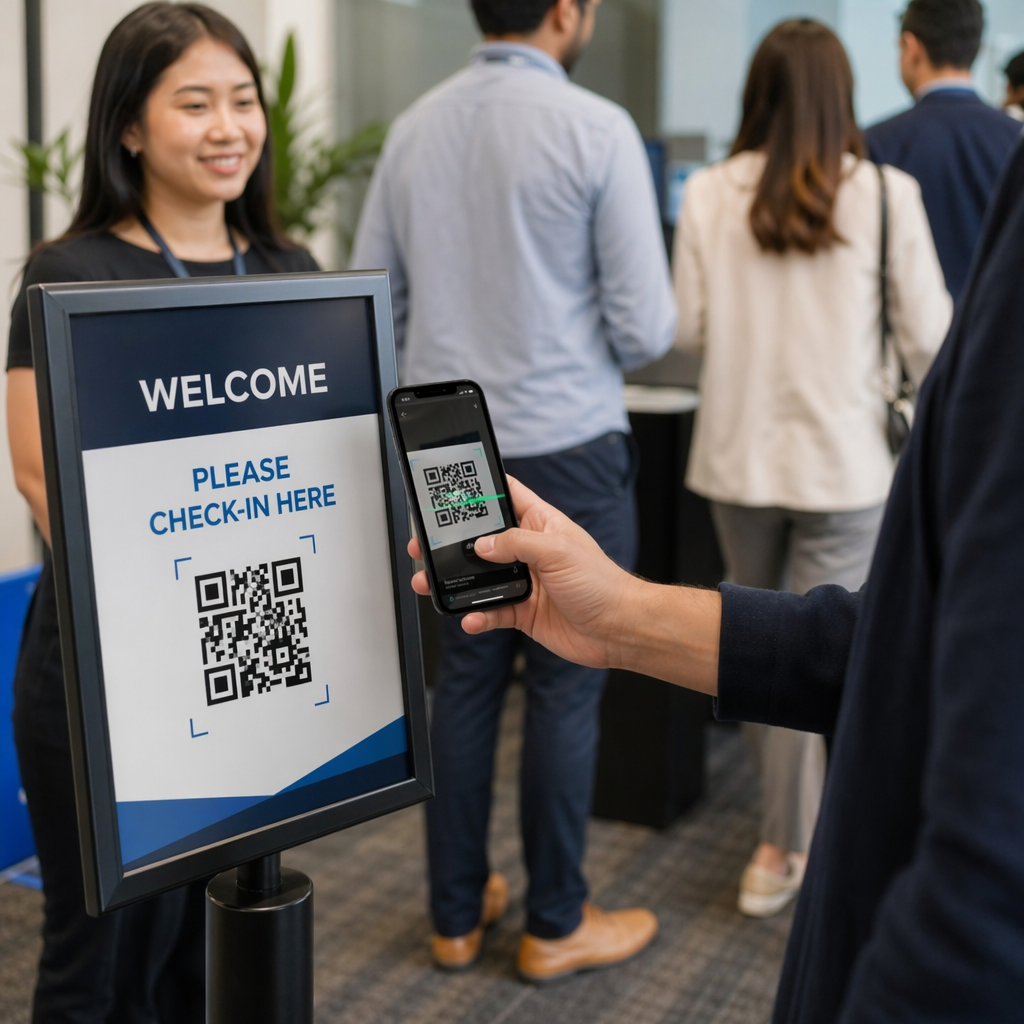
- Attendance tracking QR codes for conferences, classes, or corporate check-ins
- vCard QR码 for networking and lead capture at trade shows
Choose NFC when:
- You want a premium, tactile interaction. Luxury brands, hotel key cards, and exclusive event access all benefit from NFC’s seamless tap experience, which feels more sophisticated than pointing a camera.
- Security is a primary requirement. For access control or high-value transactions where data integrity and authentication matter, NFC’s encryption support is the stronger fit.
- Tags will be embedded or worn. Wristbands, smart packaging, and embedded product authentication tags take advantage of NFC’s durability and ability to function without any visible surface element.
- Physical closeness is already natural to the interaction. Contactless payment terminals, transit cards, and hotel doors already require close proximity – NFC fits seamlessly into these contexts without adding any friction.
Manage All Your QR Codes From One Dashboard Using QR codes for marketing, payments, or events? Pageloot’s dynamic QR code features give you a centralized platform to create, update, and analyze every code you deploy – across industries and use cases.
Do You Have to Choose One?
Not necessarily. QR codes and NFC are complementary rather than competing technologies, and many businesses deploy both within the same customer journey. QR codes deliver universal reach and low-cost access for large, diverse audiences. NFC adds faster, higher-conversion tap interactions in contexts where device support is reliable and the premium experience justifies the per-unit cost.
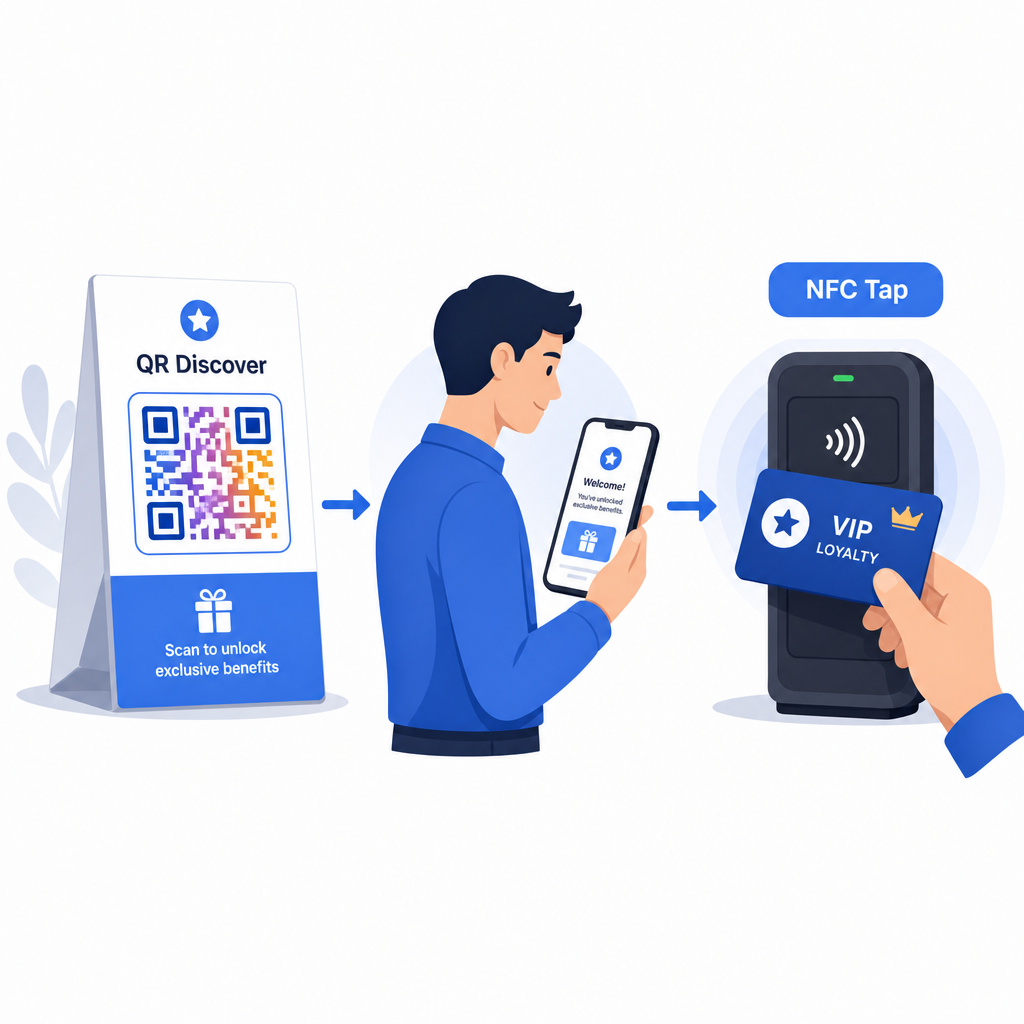
A well-designed customer touchpoint might use QR codes on printed packaging, social ads, and event signage for broad awareness – while NFC powers the payment terminal, loyalty card, or VIP access point at the same venue. The two technologies reinforce each other rather than canceling each other out.
Choosing the Right Technology for Your Business
The right choice comes down to three questions: Who is your audience, what do they need to do, and what can you afford to deploy at scale?
If your priority is accessibility, low cost, and measurable marketing impact, QR codes are the clear starting point – especially when paired with dynamic functionality and analytics. If your priority is a seamless tap experience, embedded durability, or security-critical interactions like access control, NFC earns its higher per-unit cost.
For most marketing, retail, hospitality, and event use cases, a well-managed dynamic QR code platform gives you the flexibility, reach, and data you need without the hardware overhead. Start with the Pageloot QR码生成器 to create, customize, and track your first dynamic QR code – free for 14 days, no credit card required.
常见问题
Not exactly. Both technologies can trigger URLs, share contact information, and initiate payments, but NFC offers a faster, tap-based interaction and supports stronger encryption for secure applications like access control. QR codes require a camera and line of sight, while NFC works passively with a tap. For marketing, menus, and broad distribution, QR codes are often the better fit. For payment terminals, hotel keys, or high-security access, NFC has the edge.
Yes, in several important ways. Dynamic QR codes let you update or deactivate the destination if a code is compromised, add password protection, and enforce HTTPS-secured links. Static QR codes are fixed – if someone places a fraudulent code over yours, you cannot change where the original points without reprinting. For payment and access control use cases, dynamic QR codes with secure destinations are significantly safer. Learn more about dynamic QR codes for access control.
QR code campaigns can start at near zero cost for static codes, with dynamic and analytics-enabled plans typically ranging from $5–$35 per month. NFC campaigns require purchasing physical tags at $0.10–$1.00+ per unit depending on quantity and customization, plus any separate software costs for analytics or redirect management. For large-scale marketing deployments, QR codes are generally more cost-efficient. NFC’s per-unit cost is best justified when the tap experience, embedded durability, or security requirements make it the right fit for the context.