Khách hàng của bạn có liên tục hỏi “Đơn hàng của tôi đang ở đâu?” trong khi đội ngũ hỗ trợ của bạn ngập trong các yêu cầu theo dõi? Những khoảng trống trong giao tiếp giao hàng khiến bạn tốn thời gian, tiền bạc và mất lòng tin của khách hàng. Hướng dẫn này giải thích cách mã QR giải quyết những vấn đề đó ở mọi giai đoạn của quy trình giao hàng – từ nhãn vận chuyển đến trả hàng và tương tác sau mua hàng.
Mã QR thực sự giải quyết những vấn đề giao hàng nào?
Trước khi khám phá các giải pháp, việc hiểu rõ những sự cố cụ thể mà mã QR giải quyết sẽ rất hữu ích.
Thiếu theo dõi thời gian thực là một trong những nỗi thất vọng phổ biến nhất trong logistics thương mại điện tử. Mã vạch 1D truyền thống lưu trữ dữ liệu tối thiểu và yêu cầu căn chỉnh chính xác để quét. Khi bị hỏng, chúng có thể chặn hoàn toàn các cập nhật. Nghiên cứu cho thấy 88% người tiêu dùng coi việc theo dõi giao hàng theo thời gian thực là rất quan trọng để có trải nghiệm tích cực, nhưng nhiều doanh nghiệp vẫn dựa vào các hệ thống không thể cung cấp điều đó. Nếu không có khả năng hiển thị trực tiếp, khách hàng cảm thấy bị bỏ rơi trong bóng tối – và sự lo lắng của họ thể hiện trực tiếp trong hàng đợi hỗ trợ của bạn.
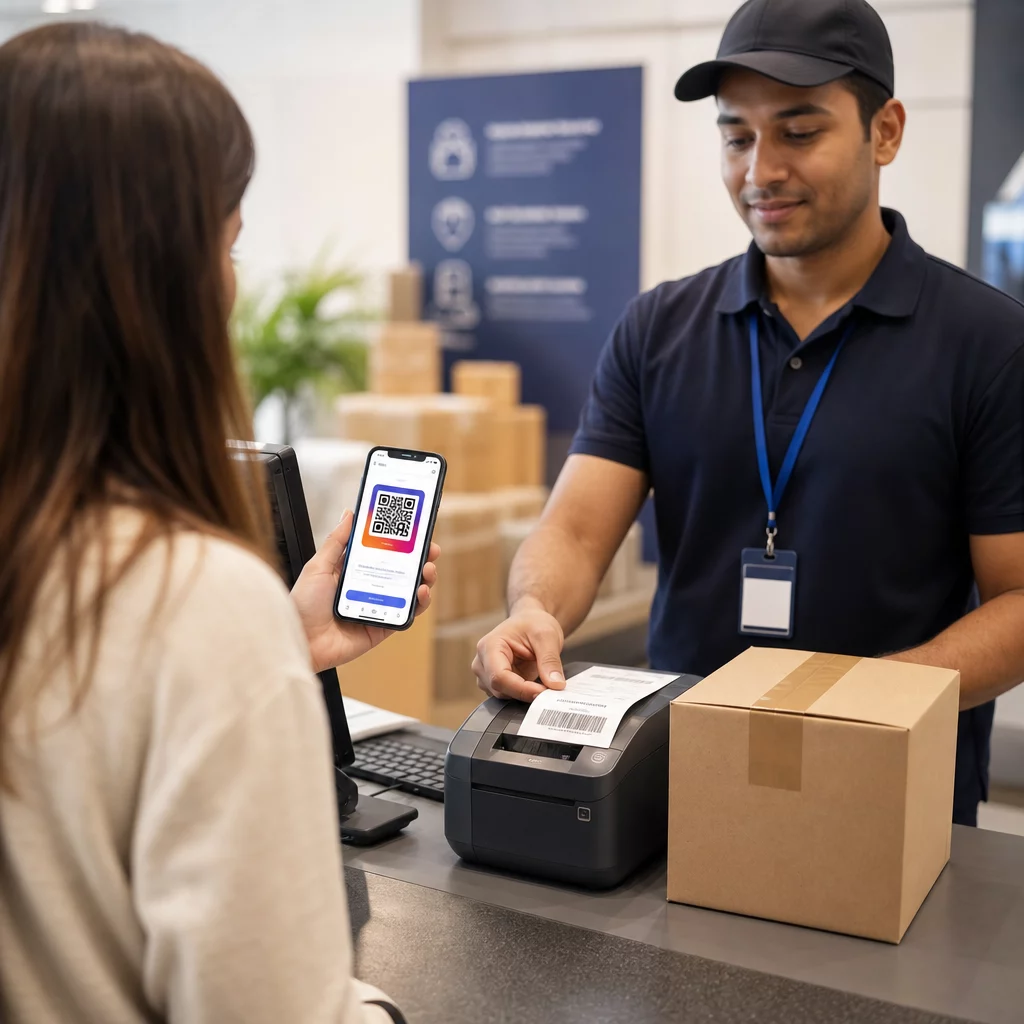
Hệ thống thông báo kém làm trầm trọng thêm vấn đề. Khi giao tiếp giữa kho hàng, đơn vị vận chuyển và khách hàng không nhất quán, người mua hàng sẽ phải đối mặt với các khung thời gian giao hàng mơ hồ có thể kéo dài vài giờ. Họ không biết khi nào nên ở nhà, có nên liên hệ hỗ trợ hay liệu đơn hàng của họ có đang di chuyển hay không. IKEA đã giải quyết một phần vấn đề này bằng cách gửi mã QR qua email hoặc SMS sau khi khách hàng đăng ký trả hàng, cho phép nhân viên xử lý mà không cần theo dõi thủ công.
Thất bại trong giao hàng chặng cuối đại diện cho giai đoạn rủi ro cao nhất của hành trình. Địa chỉ sai, cố gắng giao hàng không thành công và thiếu bằng chứng giao hàng có thể biến một quy trình suôn sẻ thành một thử thách khó chịu – và điều này ảnh hưởng trực tiếp đến quyết định mua lại.
Trả hàng khó khăn là một điểm khó khăn cuối cùng ngày càng tăng lên mỗi năm. Năm 2024, tỷ lệ trả hàng thương mại điện tử trung bình của Hoa Kỳ đạt 20,4%, tương đương khoảng 362 tỷ USD hàng trả lại trực tuyến. Xử lý một lần trả hàng có thể tốn gấp ba đến bốn lần số tiền hoàn lại khi bạn tính đến chi phí vận chuyển, nhân công, phí và giá trị khách hàng bị mất. Khi quy trình trả hàng không rõ ràng hoặc phụ thuộc vào máy in, nó sẽ tạo thêm ma sát, làm nản lòng cả việc trả hàng và mua lại.
Mã QR giúp theo dõi thời gian thực và thông báo tự động như thế nào
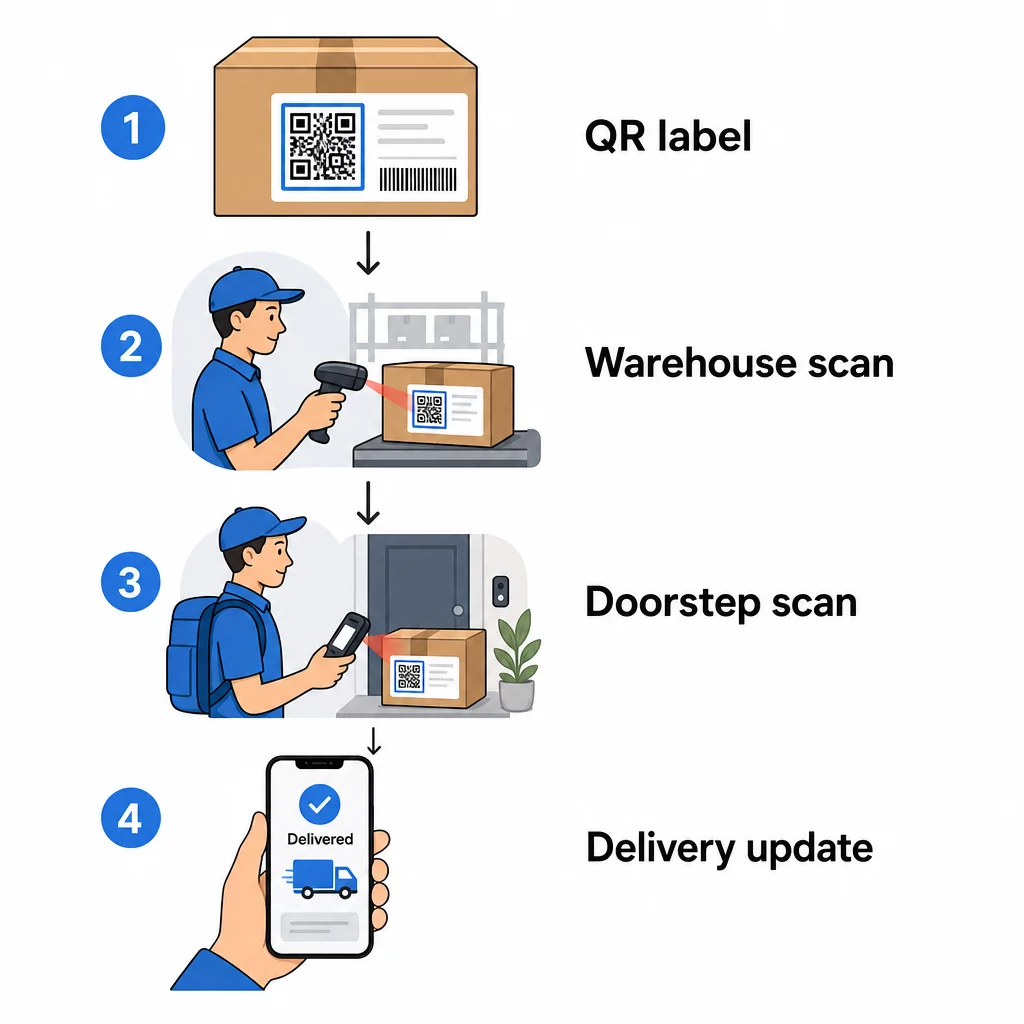
Mã QR giải quyết khoảng trống theo dõi bằng cách biến nhãn vận chuyển thành các nguồn dữ liệu động. Không giống như mã vạch truyền thống, mã QR mang thông tin theo dõi chi tiết được cập nhật tại mỗi điểm quét – nhập kho, cơ sở phân loại, đang giao hàng và bàn giao cuối cùng. Điều này tạo ra một liên kết trực tiếp, thời gian thực giữa khách hàng, đơn vị vận chuyển và hệ thống logistics của bạn.
Theo dõi tự phục vụ cho khách hàng
Khi bạn in mã QR trên nhãn vận chuyển hoặc bao gồm mã QR trong email xác nhận, khách hàng có thể quét mã đó để truy cập trang theo dõi trực tiếp hiển thị vị trí và trạng thái hiện tại của gói hàng. Mô hình tự phục vụ này giảm đáng kể các yêu cầu hỗ trợ “Đơn hàng của tôi đang ở đâu?” vì khách hàng tự nhận được câu trả lời ngay lập tức.
Mã QR động làm cho điều này thậm chí còn mạnh mẽ hơn. Bởi vì URL đích có thể được cập nhật mà không cần in lại nhãn, khách hàng luôn thấy thông tin hiện tại – cho dù gói hàng đang được vận chuyển, bị trì hoãn hay đã được giao. Bạn không cần phải cấp lại nhãn nếu lộ trình thay đổi hoặc xảy ra sự chậm trễ.
Giữ mọi lần quét luôn cập nhật mà không cần in lại Sử dụng Tạo mã QR động để tạo mã nhãn vận chuyển mà bạn có thể cập nhật bất cứ lúc nào – nhờ đó khách hàng luôn thấy trạng thái giao hàng chính xác chỉ với một lần quét.
Cập nhật được kích hoạt bằng quét cho nhân viên giao hàng và kho bãi
Đối với các đội ngũ logistics, mã QR tự động hóa việc nhập dữ liệu làm chậm các quy trình làm việc thủ công. Khi nhân viên giao hàng hoặc kho bãi quét mã QR trên nhãn vận chuyển, hệ thống sẽ ghi lại một bản cập nhật có dấu thời gian – đã lấy hàng, đã đóng gói, đã vận chuyển, đã nhận hàng – mà không cần bất kỳ thao tác nhập liệu thủ công nào. Một lần quét cuối cùng trước khi chất hàng sẽ tự động cập nhật trạng thái đơn hàng thành “đã vận chuyển”.
Điều này cũng áp dụng trên quy mô lớn. Hiệp hội Pallet Châu Âu (EPAL) đã thêm mã QR vào 650 triệu pallet của mình, cho phép theo dõi thời gian thực và nhận dạng duy nhất cho từng đơn vị. Mức độ chính xác đó giúp giảm tắc nghẽn và cải thiện độ chính xác giao hàng trong các hoạt động có khối lượng lớn.
Cảnh báo giao hàng tự động
Khi được tích hợp vào hệ thống theo dõi, mỗi lần quét QR có thể kích hoạt thông báo tự động cho khách hàng. Khi nhân viên giao hàng quét mã tại cửa nhà khách hàng của bạn, hệ thống sẽ ghi lại dữ liệu GPS và dấu thời gian, đồng thời cập nhật ngay lập tức trạng thái đơn hàng thành “Đã giao hàng” trong tài khoản của khách hàng. Điều này xác nhận việc giao hàng, giải quyết tranh chấp và giảm các yêu cầu hỗ trợ mà không cần can thiệp thủ công.
Nghiên cứu ủng hộ tầm quan trọng của điều này: 83% người mua mong đợi các bản cập nhật trong suốt hành trình đơn hàng của họ, và gần bốn trong mười người mua sắm cho biết các bản cập nhật theo dõi thường xuyên trực tiếp làm giảm lo lắng sau khi mua hàng của họ. Tự động hóa các bản cập nhật đó thông qua quét QR có nghĩa là bạn đáp ứng những kỳ vọng đó mà không làm tăng khối lượng công việc cho nhóm của mình.
Ứng dụng mã QR trong toàn bộ vòng đời giao hàng
Giảm số lượng yêu cầu hỗ trợ
Mã QR được đặt trên xác nhận vận chuyển và nhãn gói hàng giúp khách hàng truy cập ngay lập tức vào cổng theo dõi thời gian thực. Bởi vì mã QR động cập nhật tự động, liên kết trên nhãn in vẫn hữu ích ngay cả khi lộ trình giao hàng thay đổi hoặc xảy ra chậm trễ. Đối với các doanh nghiệp thương mại điện tử, điều này trực tiếp dẫn đến ít yêu cầu hỗ trợ hơn và giải quyết nhanh hơn các thắc mắc phát sinh.
Cải thiện độ chính xác giao hàng chặng cuối
Khi tài xế giao hàng quét mã QR trên nhãn vận chuyển, họ ngay lập tức truy cập thông tin chi tiết người nhận, hướng dẫn giao hàng và cập nhật lộ trình. Mã QR cũng cung cấp bằng chứng giao hàng liền mạch bằng cách ghi lại tọa độ GPS và dấu thời gian ngay khi mã được quét tại địa điểm của khách hàng. Điều này tạo ra tài liệu rõ ràng để giải quyết tranh chấp.
Một lợi thế thực tế bổ sung: mã QR bao gồm tính năng sửa lỗi tích hợp. Ngay cả khi tới 30% mã bị hư hỏng vật lý – do độ ẩm, mài mòn hoặc xử lý – mã vẫn có thể quét được. Khả năng phục hồi đó rất quan trọng trong môi trường vận chuyển hàng hóa và chặng cuối thực tế. Bạn có thể đọc thêm về khả năng này trong hướng dẫn về cách mã QR cải thiện việc theo dõi vận chuyển hàng hóa.
Đơn giản hóa việc trả hàng với nhãn QR không cần máy in
Trả hàng là nơi mã QR có thể có tác động vận hành lớn nhất. Thay vì yêu cầu khách hàng in nhãn, doanh nghiệp có thể gửi mã QR qua email hoặc SMS để khách hàng xuất trình tại điểm trả hàng như USPS hoặc địa điểm của nhà vận chuyển địa phương. Nhà vận chuyển sẽ quét mã và tạo nhãn vật lý ngay tại chỗ.
Cách tiếp cận “trả hàng không cần máy in” này giảm thiểu rắc rối ở mọi bước. Khách hàng không cần máy in, không cần nhập thủ công địa chỉ trả hàng và có thể bắt đầu trả hàng từ điện thoại của họ. Dữ liệu cho thấy 96% khách hàng có nhiều khả năng mua lại từ các thương hiệu giúp việc trả hàng dễ dàng, và 30% khách hàng sử dụng hình thức trả hàng không giấy tờ sẽ gửi hàng ngay trong ngày họ bắt đầu quy trình.
Với một trình tạo mã QR được liên kết với một cổng trả hàng đã điền sẵn, bạn cũng có thể tự động cập nhật hàng tồn kho ngay khi một yêu cầu trả hàng được khởi tạo – loại bỏ việc đối chiếu thủ công làm tăng chi phí logistics ngược.
Tương tác với khách hàng sau khi giao hàng
Việc giao hàng không nhất thiết phải chấm dứt mối quan hệ với khách hàng. Mã QR bên trong hộp hoặc in trên bao bì có thể hướng dẫn khách hàng đến các hướng dẫn sản phẩm, hướng dẫn cài đặt, hướng dẫn chăm sóc hoặc biểu mẫu đánh giá. Điều này giảm sự bối rối sau khi mua hàng, cắt giảm các yêu cầu hỗ trợ cho các câu hỏi phổ biến và mở ra một kênh để tương tác liên tục.
Bạn cũng có thể sử dụng các mã QR trên bao bì này để chia sẻ phiếu giảm giá độc quyền hoặc liên kết đặt hàng lại. Một mã QR phiếu giảm giá được liên kết trực tiếp từ tờ hướng dẫn trong gói hàng là một cách đơn giản để thúc đẩy việc mua hàng lặp lại mà không cần bất kỳ hoạt động tiếp cận bổ sung nào. Để có ý tưởng mở rộng cách tiếp cận này, mã QR cho nhãn sản phẩm bao gồm việc triển khai trên các điểm tiếp xúc bao bì.
Cách triển khai mã QR trong hoạt động giao hàng của bạn
Trước tiên, hãy lập bản đồ các điểm tiếp xúc chính của bạn
Bắt đầu bằng cách xác định mọi điểm trong quy trình giao hàng của bạn nơi thông tin cần được di chuyển – nhãn vận chuyển, nhãn trả hàng, phiếu đóng gói và bao bì sản phẩm. Mỗi điểm này là một vị trí tiềm năng để đặt mã QR. Nhãn vận chuyển được nhân viên kho, người giao hàng và khách hàng quét nhiều lần, khiến chúng trở thành vị trí có giá trị cao nhất. Nhãn trả hàng hưởng lợi nhiều nhất từ cách tiếp cận không cần máy in. Bao bì sản phẩm phù hợp nhất cho nội dung tương tác sau khi giao hàng.
Để có hướng dẫn chi tiết về cách mã QR phù hợp với trình tự chọn hàng, đóng gói và vận chuyển, hướng dẫn về cách mã QR hợp lý hóa việc thực hiện đơn hàng bao gồm từng giai đoạn với các chi tiết thực tế.
Thiết kế mã QR có độ bền vật lý
Mã QR hậu cần thường bị xử lý thô bạo. Khi thiết kế mã cho nhãn vận chuyển, hãy đảm bảo chúng đáp ứng các yêu cầu về kích thước tối thiểu – ít nhất 0,8 inch vuông – và duy trì tỷ lệ tương phản cao giữa mã tối màu và nền sáng. Sử dụng vật liệu nhãn truyền nhiệt hoặc chống tia UV có thể chịu được độ ẩm và thay đổi nhiệt độ trong quá trình vận chuyển. Thêm một hướng dẫn ngắn gọn như “Quét để theo dõi đơn hàng của bạn” sẽ loại bỏ mọi sự mơ hồ cho những khách hàng có thể chưa quen với quy trình này.
Nếu bạn đang chuyển đổi từ mã vạch truyền thống, hướng dẫn về mã vạch nhãn vận chuyển giải thích sự khác biệt giữa định dạng 1D và 2D và giúp bạn hiểu cần thay thế những gì.
Sử dụng Mã QR động để linh hoạt
Mã QR tĩnh mã hóa một đích đến cố định không thể thay đổi sau khi in. Đối với các ứng dụng giao hàng, điều này gây ra vấn đề bất cứ khi nào URL theo dõi thay đổi, hướng dẫn giao hàng được cập nhật hoặc cổng trả hàng được sửa đổi. Mã QR động giải quyết vấn đề này bằng cách mã hóa một URL chuyển hướng ngắn mà bạn có thể cập nhật bất cứ lúc nào từ bảng điều khiển trung tâm – mà không cần in lại một nhãn nào.
Sự linh hoạt này đặc biệt có giá trị đối với các doanh nghiệp có số lượng nhãn lớn. Bạn chỉ in một lần và giữ khả năng chuyển hướng khách hàng đến thông tin hiện tại, chính xác vô thời hạn.
Cập nhật thông tin giao hàng mà không cần chạm vào máy in Các Tạo mã QR động cho phép bạn chỉnh sửa URL đích trên bất kỳ nhãn đã in nào. Được hơn 20.000 công ty tại 110 quốc gia tin dùng – bắt đầu với bản dùng thử miễn phí 14 ngày, không yêu cầu thẻ tín dụng.
Theo dõi hiệu suất bằng phân tích quét
Sau khi mã của bạn được triển khai, phân tích quét sẽ cho bạn biết chúng đang được sử dụng như thế nào và ở đâu. Các chỉ số như số lượng quét, vị trí địa lý, loại thiết bị và thời gian quét giúp bạn xác định nơi khách hàng tương tác nhiều nhất – và nơi họ không tương tác. Nếu mã QR trên bao bì sau giao hàng cho thấy tỷ lệ quét thấp, đó là tín hiệu để điều chỉnh vị trí hoặc thêm lời kêu gọi hành động rõ ràng hơn.
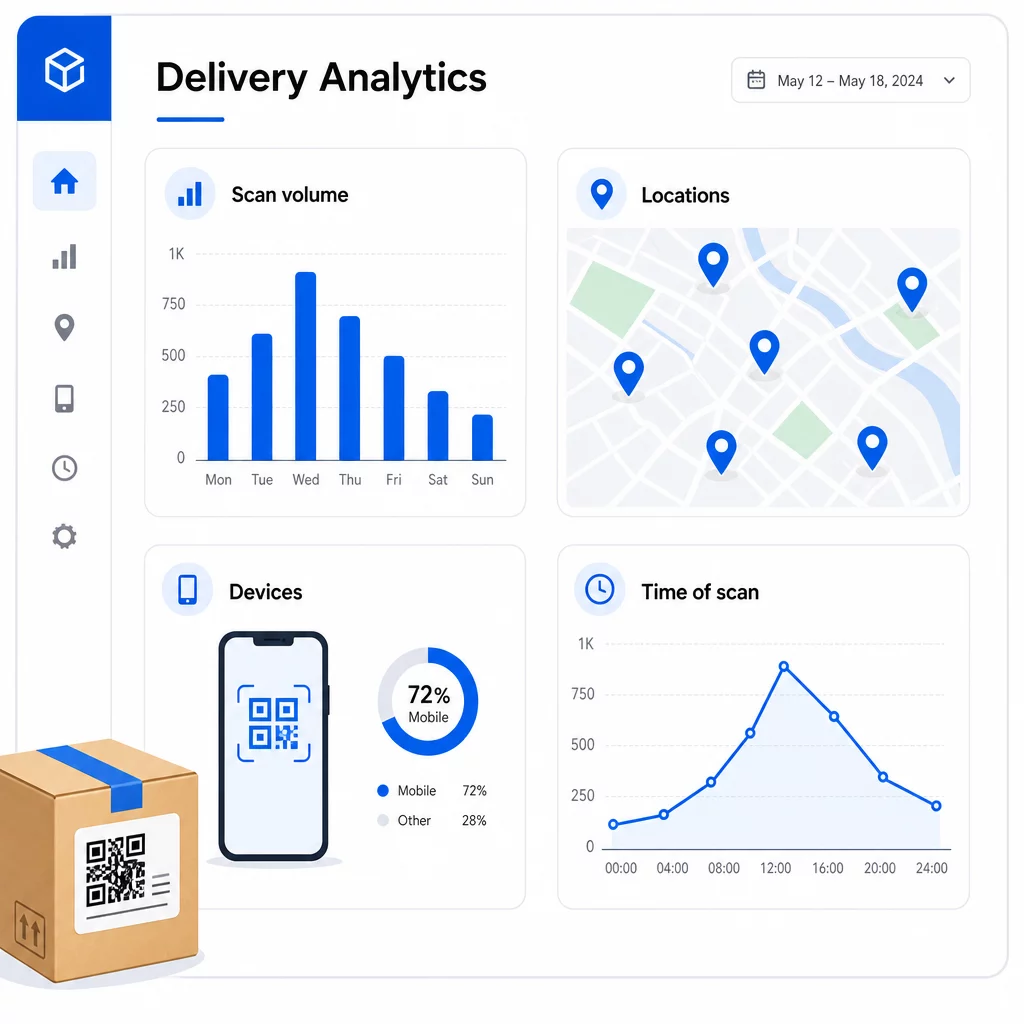
Đối với các doanh nghiệp thương mại điện tử đang vận hành nhiều SKU hoặc khu vực giao hàng, Theo dõi mã QR cho phép bạn so sánh hiệu suất giữa các chiến dịch và tối ưu hóa giao tiếp hậu cần của mình dựa trên dữ liệu thực tế thay vì các giả định. Bạn có thể khám phá cách các thương hiệu đã áp dụng dữ liệu này trong các nghiên cứu điển hình về mã QR chuyển đổi thương mại điện tử.
Câu hỏi thường gặp
Mã QR trên nhãn vận chuyển cung cấp cho nhân viên giao hàng quyền truy cập tức thì vào thông tin người nhận, hướng dẫn giao hàng và cập nhật lộ trình chỉ với một lần quét. Tại thời điểm giao hàng, việc quét mã sẽ ghi lại tọa độ GPS và dấu thời gian, tạo bằng chứng giao hàng có thể xác minh và tự động cập nhật trạng thái đơn hàng. Điều này loại bỏ lỗi nhập dữ liệu thủ công và cung cấp tài liệu rõ ràng để giải quyết tranh chấp giao hàng.
Mã QR tĩnh mã hóa một đích đến cố định không thể thay đổi sau khi in. Mã QR động trỏ đến một URL chuyển hướng mà bạn có thể cập nhật bất cứ lúc nào từ một bảng điều khiển trung tâm. Đối với các hoạt động giao hàng, điều này có nghĩa là bạn có thể cập nhật các liên kết theo dõi, hướng dẫn giao hàng hoặc cổng thông tin trả hàng mà không cần in lại bất kỳ nhãn nào. Mã động cũng hỗ trợ phân tích quét – bao gồm số lượng quét, vị trí, loại thiết bị và thời gian – điều mà mã tĩnh không thể cung cấp.
Mã QR cho phép trả hàng không cần in. Thay vì in nhãn tại nhà, khách hàng nhận mã QR qua email hoặc SMS và xuất trình tại điểm gửi hàng của nhà vận chuyển, nơi nhãn vật lý được tạo tự động. Điều này loại bỏ hoàn toàn yêu cầu về máy in, giảm ma sát trong quy trình trả hàng và tăng tốc độ gửi gói hàng. Các doanh nghiệp hưởng lợi từ việc cập nhật kho hàng tự động khi một yêu cầu trả hàng được khởi tạo thông qua cổng trả hàng liên kết.