Ali vaše stranke nenehno sprašujejo “Kje je moje naročilo?”, medtem ko vaša ekipa za podporo tone v zahtevah za sledenje? Vrzeli v komunikaciji glede dostave vas stanejo čas, denar in zaupanje strank. Ta vodnik pojasnjuje, kako QR kode rešujejo te težave na vsaki stopnji postopka dostave – od nalepk za pošiljanje do vračil in angažiranja po nakupu.
Katere težave pri dostavi dejansko rešujejo QR kode?
Preden raziščemo rešitve, je koristno razumeti specifične pomanjkljivosti, ki jih QR kode obravnavajo.
Pomanjkanje sledenja v realnem času je ena najpogostejših frustracij v logistiki e-trgovine. Tradicionalne 1D črtne kode shranjujejo minimalno količino podatkov in zahtevajo natančno poravnavo za skeniranje. Ko so poškodovane, lahko popolnoma preprečijo posodobitve. Raziskave kažejo, da 88% potrošnikov meni, da je sledenje dostave v realnem času ključnega pomena za pozitivno izkušnjo, vendar se mnoga podjetja še vedno zanašajo na sisteme, ki tega ne morejo zagotoviti. Brez sprotne vidljivosti se stranke počutijo zapostavljene – in njihova zaskrbljenost se neposredno kaže v vaši čakalni vrsti za podporo.
Slabi sistemi obveščanja še poslabšajo problem. Ko je komunikacija med skladišči, kurirji in strankami nedosledna, so kupci prepuščeni nejasnim časovnim oknom dostave, ki lahko trajajo več ur. Ne vedo, kdaj naj bodo doma, ali naj se obrnejo na podporo ali ali se njihovo naročilo sploh premika. IKEA je rešila različico tega problema tako, da je po registraciji vračil strankam pošiljala QR kode po e-pošti ali SMS-u, kar je osebju omogočilo obdelavo brez ročnih nadaljnjih ukrepov.
Neuspešne dostave na zadnjem kilometru predstavljajo najtveganejšo fazo poti. Napačni naslovi, zgrešeni poskusi dostave in manjkajoče dokazilo o dostavi lahko gladek postopek spremenijo v frustrirajočo preizkušnjo – in takšno, ki neposredno vpliva na odločitve o ponovnem nakupu.
Težka vračila so zadnja boleča točka, ki se vsako leto povečuje. Leta 2024 je povprečna stopnja vračil v ameriški e-trgovini dosegla 20,4%, kar predstavlja približno 362 milijard dolarjev spletnih vračil. Obdelava vračila lahko stane tri do štirikratnik zneska vračila, če upoštevate stroške pošiljanja, dela, pristojbin in izgubljene vrednosti stranke. Ko je postopek vračil nejasen ali odvisen od tiskalnika, to povzroča trenje, ki odvrača tako od vračil kot od ponovnih nakupov.
Kako QR kode omogočajo sledenje v realnem času in avtomatizirana obvestila
QR kode rešujejo vrzel pri sledenju tako, da nalepke za pošiljanje spremenijo v dinamične vire podatkov. Za razliko od tradicionalnih črtnih kod, QR kode vsebujejo podrobne informacije o sledenju, ki se posodabljajo na vsaki točki skeniranja – sprejem v skladišču, sortirni center, na poti za dostavo in končna predaja. To ustvarja neposredno povezavo v realnem času med strankami, kurirji in vašim logističnim sistemom.
Sledenje s samopostrežbo za stranke
Ko natisnete QR kodo na nalepko za pošiljanje ali jo vključite v potrditveno e-pošto, jo lahko stranke skenirajo za dostop do strani za sledenje v živo, ki prikazuje trenutno lokacijo in status njihovega paketa. Ta samopostrežni model bistveno zmanjša število zahtevkov za podporo “Kje je moje naročilo?”, saj stranke dobijo odgovor same, takoj.
Dinamične kode QR to naredijo še močnejše. Ker je ciljni URL mogoče posodobiti brez ponovnega tiskanja nalepke, stranke vedno vidijo trenutne informacije – ne glede na to, ali je paket v tranzitu, zamujen ali dostavljen. Ni vam treba ponovno izdajati nalepk, če se pot spremeni ali pride do zamude.
Ohranjajte vsako skeniranje posodobljeno brez ponovnega tiskanja Uporabi QR generator za dinamične QR kode za ustvarjanje kod za nalepke za pošiljanje, ki jih lahko kadar koli posodobite – tako stranke vedno vidijo natančen status dostave z enim samim skeniranjem.
Posodobitve, sprožene s skeniranjem, za kurirje in skladiščno osebje
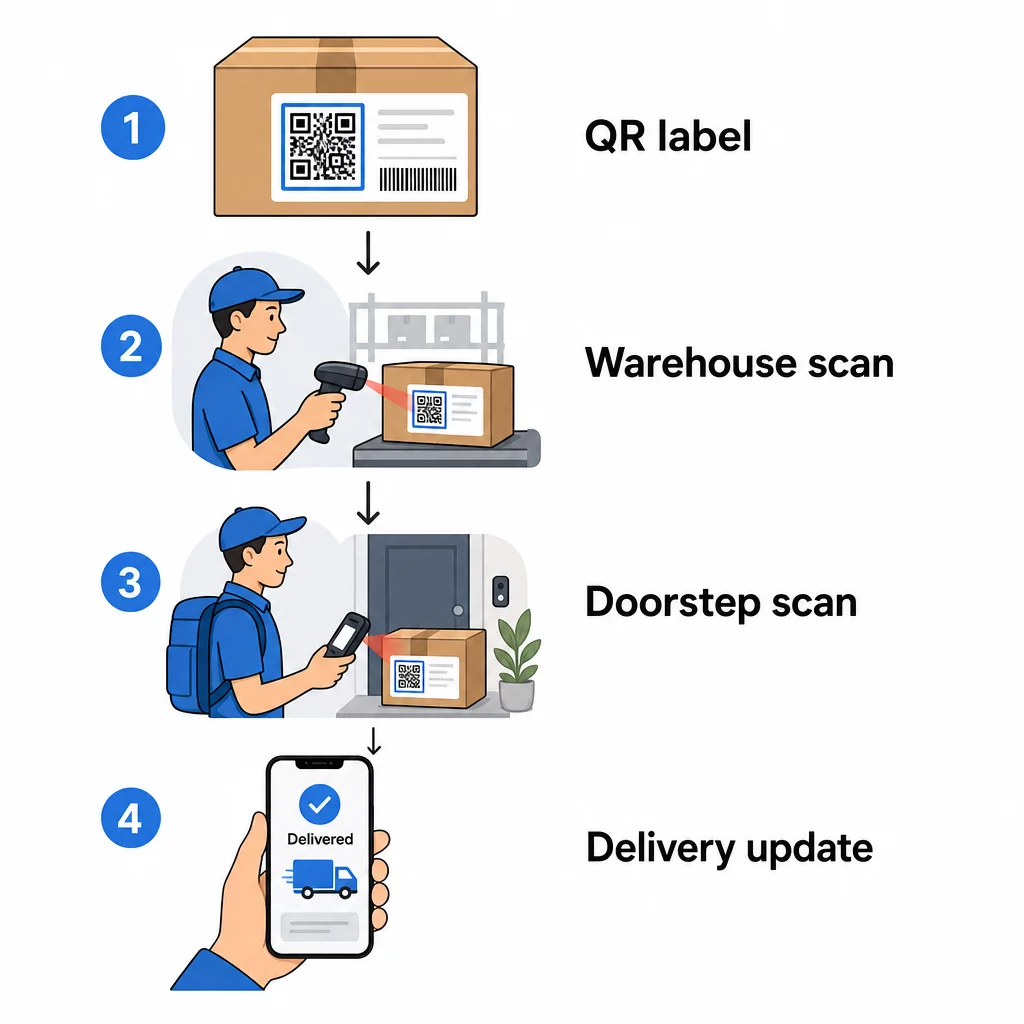
Za logistične ekipe QR kode avtomatizirajo vnos podatkov, ki upočasnjuje ročne delovne procese. Ko kurir ali skladiščnik skenira QR kodo na nalepki za pošiljanje, sistem zabeleži posodobitev z časovnim žigom – prevzeto, pakirano, odposlano, prejeto – brez ročnega vnosa. Končno skeniranje pred nakladanjem samodejno posodobi status naročila na “odposlano”.
To velja tudi v velikem obsegu. Evropsko združenje za palete (EPAL) je dodalo QR kode na svojih 650 milijonov palet, kar omogoča sledenje v realnem času in edinstveno identifikacijo za vsako enoto. Ta raven natančnosti zmanjšuje ozka grla in izboljšuje natančnost dostave pri operacijah z velikim obsegom.
Avtomatizirana obvestila o dostavi
Ko so integrirane v sisteme za sledenje, lahko vsako skeniranje QR kode sproži avtomatizirana obvestila strankam. Ko kurir skenira kodo na pragu vaše stranke, sistem zabeleži podatke GPS in časovni žig ter takoj posodobi status naročila na “Dostavljeno” v računu stranke. To potrjuje dostavo, rešuje spore in zmanjšuje povpraševanja po podpori brez potrebe po ročnem posredovanju.
Raziskave potrjujejo, kako pomembno je to: 83 % kupcev pričakuje posodobitve skozi celotno potovanje svojega naročila, in skoraj štirje od desetih kupcev pravijo, da pogoste posodobitve sledenja neposredno zmanjšujejo njihovo poprodajno anksioznost. Avtomatizacija teh posodobitev s skeniranjem QR kod pomeni, da izpolnjujete ta pričakovanja, ne da bi povečali delovno obremenitev vaše ekipe.
Uporaba QR kod v celotnem življenjskem ciklu dostave
Zmanjšanje števila zahtevkov za podporo
QR kode, nameščene na potrdilih o pošiljanju in nalepkah paketov, strankam omogočajo takojšen dostop do portala za sledenje v realnem času. Ker dinamične QR kode se posodabljajo samodejno, povezava na natisnjeni nalepki ostane uporabna tudi, ko se spremenijo dostavne poti ali pride do zamud. Za e-poslovanje to neposredno pomeni manj zahtevkov za podporo in hitrejše reševanje povpraševanj, ki pridejo.
Izboljšanje natančnosti dostave na zadnjem kilometru
Ko dostavljavci skenirajo QR kodo na nalepki za pošiljanje, takoj dostopajo do podrobnosti prejemnika, navodil za dostavo in posodobitev poti. QR kode zagotavljajo tudi brezhibno dokazilo o dostavi z zajemanjem GPS koordinat in časovnega žiga v trenutku, ko je koda skenirana na lokaciji stranke. To ustvarja jasno dokumentacijo za reševanje sporov.
Dodatna praktična prednost: QR kode vključujejo vgrajeno korekcijo napak. Tudi če je do 30 % kode fizično poškodovanega – zaradi vlage, obrabe ali ravnanja – koda ostane skenljiva. Ta odpornost je pomembna v realnih okoljih tovora in dostave na zadnjem kilometru. Več o tej zmožnosti lahko preberete v vodniku o kako QR kode izboljšujejo sledenje tovora.
Poenostavitev vračil z nalepkami QR brez tiskalnika
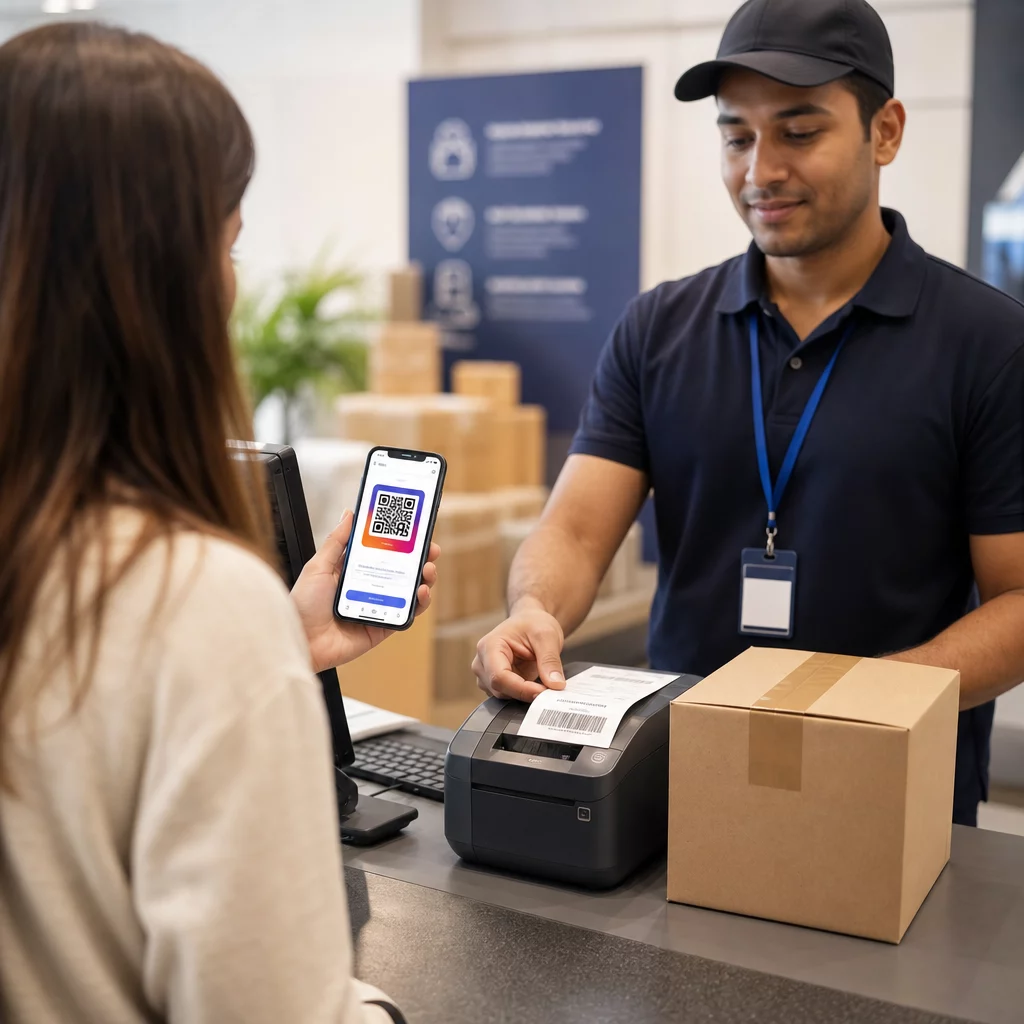
Vračila so področje, kjer imajo lahko kode QR največji operativni vpliv. Namesto da bi stranke morale tiskati nalepke, lahko podjetja pošljejo kodo QR po e-pošti ali SMS-u, ki jo stranka predloži na prevzemnem mestu, kot je pošta ali lokalni prevoznik. Prevoznik skenira kodo in na kraju samem ustvari fizično nalepko.
Ta pristop “vračila brez tiskalnika” zmanjšuje trenje na vsakem koraku. Stranke ne potrebujejo tiskalnika, ne potrebujejo ročnega vnašanja naslovov za vračilo in lahko sprožijo vračila s svojih telefonov. Podatki kažejo, da je 96% strank bolj verjetno, da bodo ponovno kupile pri blagovnih znamkah, ki olajšajo vračila, in 30% strank, ki uporabljajo brezpapirna vračila, pošljejo izdelek isti dan, ko sprožijo postopek.
Z generator QR kod povezan s predhodno izpolnjenim portalom za vračila, lahko avtomatizirate tudi posodobitve zalog v trenutku, ko je vračilo sproženo – s čimer odstranite ročno usklajevanje, ki povečuje stroške povratne logistike.
Angažiranje strank po dostavi
Dostava ne sme končati odnosa s stranko. Koda QR znotraj škatle ali natisnjena na embalaži lahko stranke usmeri na vadnice za izdelke, navodila za namestitev, navodila za nego ali obrazce za ocene. To zmanjšuje zmedo po nakupu, zmanjšuje zahteve za podporo za pogosta vprašanja in odpira kanal za stalno angažiranje.
Te kode QR na embalaži lahko uporabite tudi za deljenje ekskluzivnih kuponov ali povezav za ponovno naročanje. A kupon QR koda neposredno povezan z vložkom v paketu je preprost način za spodbujanje ponovnih nakupov brez dodatnega dosega. Za ideje o razširitvi tega pristopa, QR kodah za etikete izdelkov zajema implementacijo na vseh stičnih točkah embalaže.
Kako implementirati kode QR v vaše dostavne operacije
Najprej določite ključne stične točke
Začnite z identifikacijo vsake točke v vašem delovnem toku dostave, kjer se morajo premikati informacije – nalepke za pošiljanje, nalepke za vračila, pakirni listi in embalaža izdelkov. Vsaka od teh je potencialna lokacija za kodo QR. Nalepke za pošiljanje večkrat skenirajo skladiščno osebje, kurirji in stranke, zaradi česar so najdragocenejša lokacija. Nalepke za vračila imajo največ koristi od pristopa brez tiskalnika. Embalaža izdelkov je najprimernejša za vsebino za angažiranje po dostavi.
Za podroben pregled, kako se kode QR prilegajo v zaporedje pobiranja, pakiranja in pošiljanja, vodnik za kako kode QR poenostavijo izpolnjevanje naročil zajema vsako fazo s praktičnimi podrobnostmi.
Oblikujte kode QR za fizično vzdržljivost
Logistične QR kode se obravnavajo grobo. Pri oblikovanju kod za nalepke za pošiljanje zagotovite, da izpolnjujejo minimalne zahteve glede velikosti – vsaj 0,8 palca kvadratnega – in ohranjajo visoko kontrastno razmerje med temno kodo in svetlim ozadjem. Uporabite materiale za nalepke, odporne na toplotni prenos ali UV-žarke, ki lahko prenesejo vlago in temperaturne spremembe med prevozom. Dodajanje kratkega navodila, kot je “Skeniraj za sledenje naročilu”, odpravi morebitno dvoumnost za stranke, ki morda niso seznanjene s postopkom.
Če prehajate z tradicionalnih črtnih kod, vodnik do črtnimi kodami za pošiljanje pojasnjuje razlike med 1D in 2D formati in vam pomaga razumeti, kaj zamenjati.
Uporabite dinamične QR kode za prilagodljivost
Statične QR kode kodirajo fiksno destinacijo, ki je po tiskanju ni mogoče spremeniti. Za aplikacije dostave to povzroča težave, kadar koli se spremeni URL za sledenje, posodobijo navodila za dostavo ali spremeni portal za vračila. Dinamične kode QR to rešite tako, da kodirate kratek URL za preusmeritev, ki ga lahko kadar koli posodobite iz centralne nadzorne plošče – brez ponovnega tiskanja ene same nalepke.
Ta prilagodljivost je še posebej dragocena za podjetja z velikim obsegom nalepk. Tiskate enkrat in ohranite možnost preusmerjanja strank na trenutne, točne informacije za nedoločen čas.
Posodobite informacije o dostavi, ne da bi se dotaknili tiskalnika Vprašanje QR generator za dinamične QR kode vam omogoča urejanje ciljnega URL-ja na kateri koli natisnjeni nalepki. Zaupa mu več kot 20.000 podjetij v 110 državah – začnite z brezplačnim 14-dnevnim preizkusom, kreditna kartica ni potrebna.
Sledite uspešnosti z analitiko skeniranja
Ko so vaše kode nameščene, vam analitika skeniranja pove, kako in kje se uporabljajo. Metrike, kot so obseg skeniranja, geografska lokacija, vrsta naprave in čas skeniranja, vam pomagajo ugotoviti, kje se stranke najbolj angažirajo – in kje ne. Če QR kode na embalaži po dostavi kažejo nizke stopnje skeniranja, je to znak za prilagoditev umestitve ali dodajanje jasnejšega poziva k dejanju.
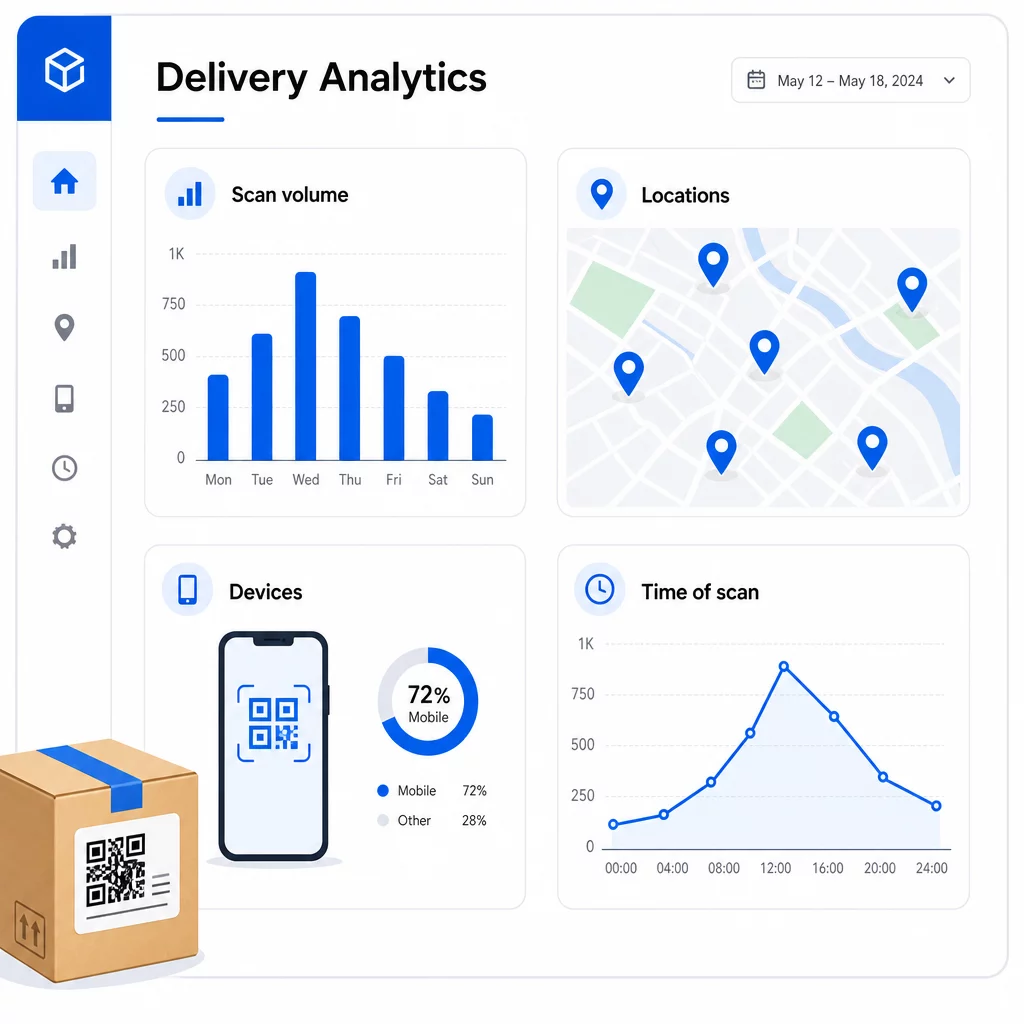
Za e-trgovinska podjetja, ki upravljajo več SKU-jev ali regij dostave, Sledenje QR kode vam omogoča primerjavo uspešnosti med kampanjami in optimizacijo vaše logistične komunikacije na podlagi resničnih podatkov in ne predpostavk. Lahko raziščete, kako so blagovne znamke uporabile te podatke v študijah primerov o QR kodah, ki preoblikujejo e-trgovino.
Pogosta vprašanja
Kode QR na nalepkah za pošiljke kurirjem omogočajo takojšen dostop do podatkov o prejemniku, navodil za dostavo in posodobitev poti z enim samim skeniranjem. V trenutku dostave skeniranje kode zabeleži GPS koordinate in časovni žig, kar ustvari preverljiv dokaz o dostavi in samodejno posodobi status naročila. To odpravlja napake pri ročnem vnosu podatkov in zagotavlja jasno dokumentacijo za reševanje sporov glede dostave.
Statične QR kode kodirajo fiksno destinacijo, ki je ni mogoče spremeniti po tiskanju. Dinamične QR kode kažejo na preusmeritveni URL, ki ga lahko kadar koli posodobite iz centralne nadzorne plošče. Za dostavne operacije to pomeni, da lahko posodobite povezave za sledenje, navodila za dostavo ali portale za vračila, ne da bi ponovno tiskali etikete. Dinamične kode podpirajo tudi analitiko skeniranja – vključno z obsegom skeniranja, lokacijo, vrsto naprave in časom – česar statične kode ne morejo zagotoviti.
Kode QR omogočajo vračila brez tiskalnika. Namesto tiskanja nalepke doma, stranke prejmejo kodo QR po e-pošti ali SMS-u in jo predložijo na prevzemnem mestu prevoznika, kjer se fizična nalepka samodejno ustvari. To popolnoma odpravi zahtevo po tiskalniku, zmanjša trenje v postopku vračil in pospeši oddajo paketa. Podjetja imajo koristi od avtomatiziranih posodobitev zalog, ko se vračilo sproži prek povezanega portala za vračila.