Mã vạch truyền thống có đang trở nên lỗi thời? Với việc ngành bán lẻ đang tích cực lên kế hoạch thay thế chúng, nhiều doanh nghiệp cần hiểu rõ những thay đổi đang diễn ra và ý nghĩa của chúng đối với hoạt động của họ. Bài viết này sẽ phân tích sự chuyển đổi từ mã vạch 1D sang mã 2D, những yếu tố thúc đẩy sự thay đổi này và tình hình hiện tại.
Câu trả lời ngắn gọn: Mã vạch chưa chết
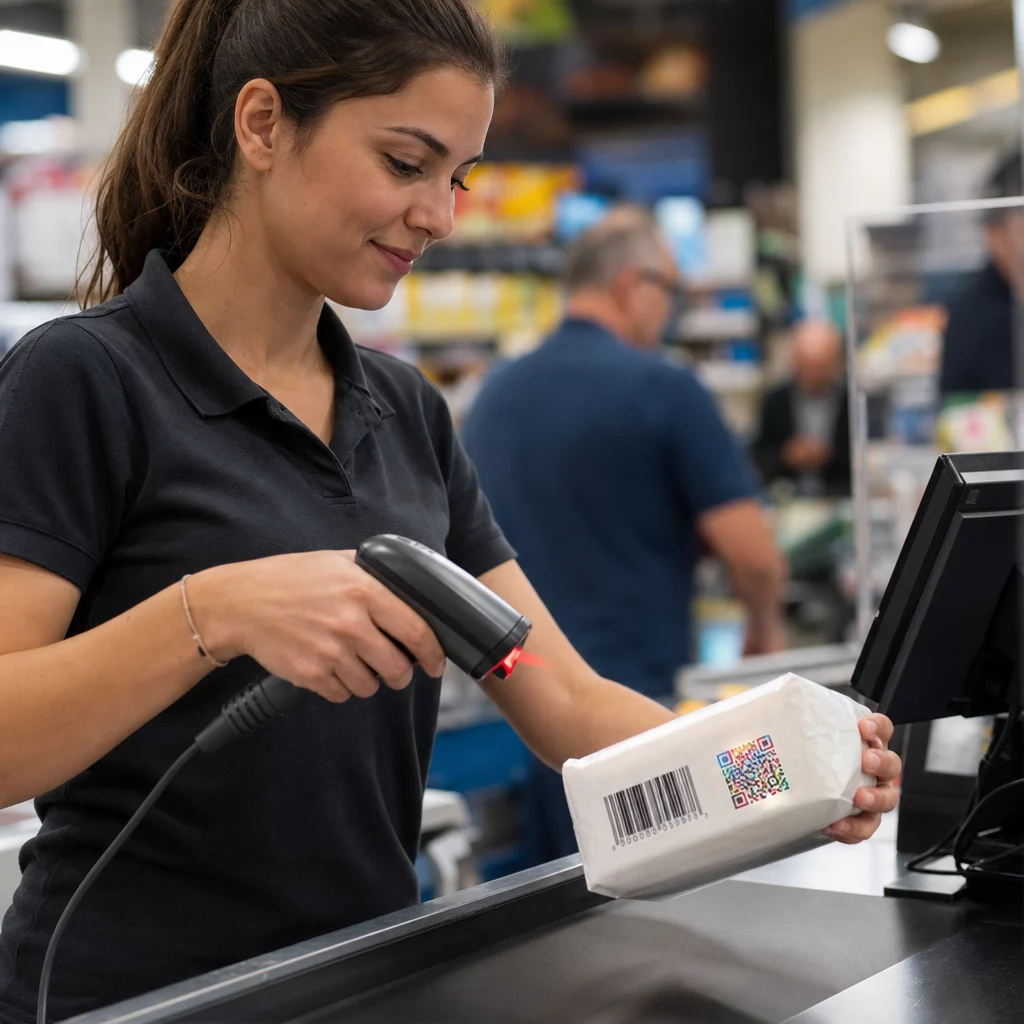
Mã vạch 1D cổ điển – loại bạn thấy trên mọi hộp ngũ cốc và sản phẩm siêu thị – đã được sử dụng từ đầu những năm 1970. Nó vẫn ăn sâu vào cơ sở hạ tầng bán lẻ và chuỗi cung ứng toàn cầu. Hàng chục tỷ sản phẩm mang mã UPC hoặc EAN, và hầu hết các hệ thống điểm bán hàng (POS) bán lẻ được xây dựng dựa trên việc quét chúng.
Nhưng “chưa chết” không có nghĩa là “sẽ tồn tại mà không thay đổi”. Ngành công nghiệp đang tích cực loại bỏ mã vạch 1D, với một thời hạn rõ ràng đang đến gần.
GS1 Sunrise 2027 là gì?
GS1 – cơ quan tiêu chuẩn quốc tế quản lý mã vạch và nhận dạng sản phẩm – đã thiết lập một sáng kiến toàn cầu có tên là Sunrise 2027. Mục tiêu rất đơn giản: đến cuối năm 2027, mọi hệ thống POS bán lẻ trên toàn thế giới phải có khả năng quét và xử lý mã vạch 2D.
GS1 US mô tả sự thay đổi này là một nỗ lực nhằm mang lại cho các nhà bán lẻ sự minh bạch hơn, khả năng truy xuất nguồn gốc mạnh mẽ hơn và dữ liệu phong phú hơn trên toàn chuỗi cung ứng. Đây không phải là một phong trào nhỏ. Theo GS1 UK, 82% nhà bán lẻ và 92% chủ sở hữu thương hiệu ủng hộ việc chuyển đổi từ mã vạch tuyến tính sang mã 2D trong vòng năm năm tới.
Trong quá trình chuyển đổi, mã vạch 1D và 2D dự kiến sẽ cùng tồn tại trên bao bì sản phẩm. Hướng dẫn của GS1 đặc biệt khuyến nghị các chủ sở hữu thương hiệu đặt mã 2D bên cạnh mã vạch tuyến tính hiện có của họ để đảm bảo một tùy chọn quét dự phòng đáng tin cậy tại các hệ thống POS chưa được nâng cấp.
Để tìm hiểu sâu hơn về cách mã QR GS1 Digital Link hoạt động trong thực tế, hãy xem cách triển khai mã QR GS1 Digital Link một cách hiệu quả.
Tại sao mã vạch 2D đang thay thế mã 1D
Hạn chế cốt lõi của mã vạch 1D truyền thống là dung lượng dữ liệu của nó. Mã UPC hoặc EAN tiêu chuẩn có thể chứa khoảng 20–25 ký tự – vừa đủ để mã hóa một số nhận dạng sản phẩm. Mọi thứ khác, chẳng hạn như giá cả, mô tả và dữ liệu tồn kho, phải được truy xuất từ một cơ sở dữ liệu được kết nối.
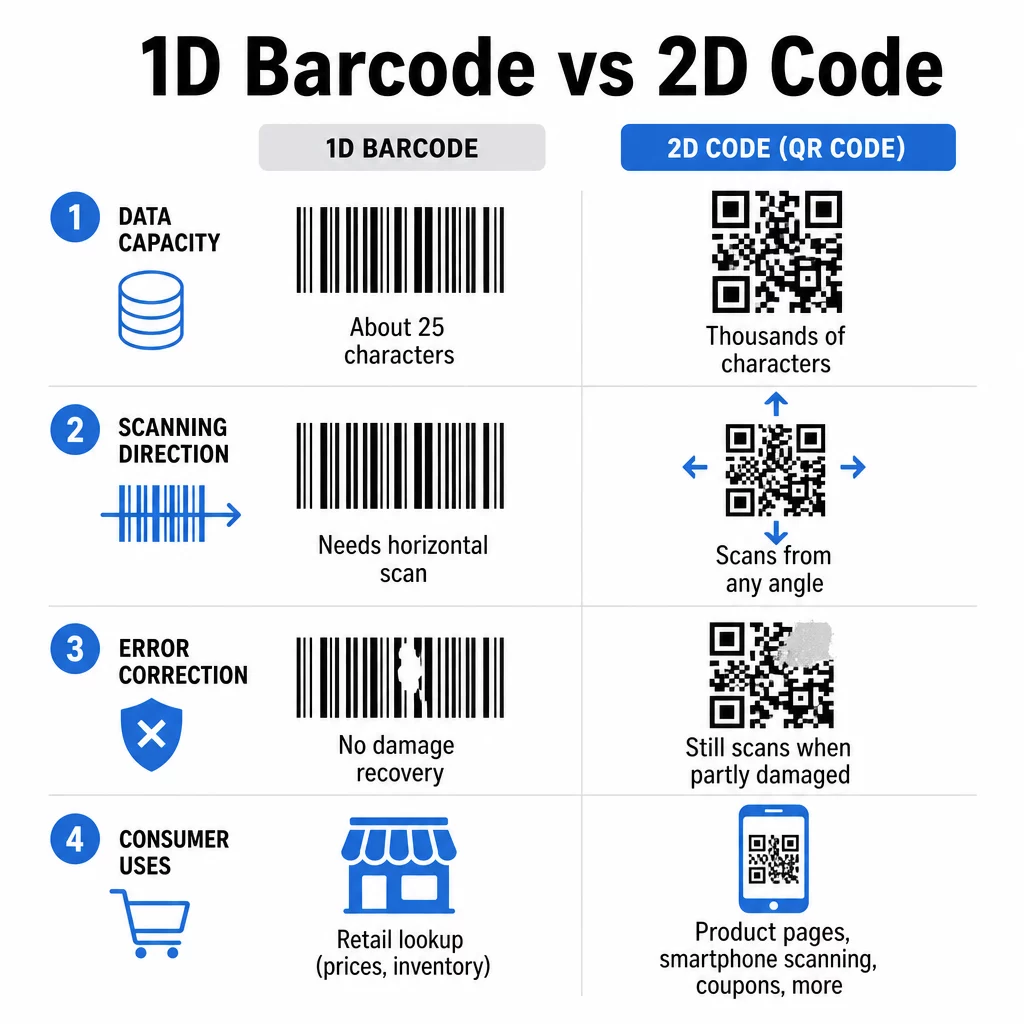
Mã vạch 2D thay đổi hoàn toàn phương trình đó. Dưới đây là những gì mã 2D có thể mã hóa trực tiếp trong chính biểu tượng:
- Số mặt hàng thương mại toàn cầu (GTIN)
- Số lô và số mẻ
- Số sê-ri
- Ngày hết hạn
- Trọng lượng và giá cả
- URL liên kết đến các trang thông tin sản phẩm
Điều này có những hệ quả thực tế trên toàn bộ chuỗi cung ứng. Bởi vì mã vạch 2D mang dữ liệu sản phẩm và sản xuất chi tiết ngay trong ký hiệu, chúng giảm sự phụ thuộc vào kết nối cơ sở dữ liệu liên tục. Điều đó giúp việc truy xuất nguồn gốc, kiểm toán và thu hồi sản phẩm nhanh hơn và đáng tin cậy hơn – bạn không cần phải tra cứu một bản ghi cơ sở dữ liệu để biết số lô hoặc ngày hết hạn của sản phẩm.
Mã vạch 2D cũng hỗ trợ quét đa hướng, nghĩa là chúng có thể được đọc từ mọi góc độ. Chúng bao gồm tính năng sửa lỗi tích hợp, vì vậy chúng vẫn có thể quét được ngay cả khi mã bị hỏng một phần hoặc được in trên các bề mặt không bằng phẳng. Một máy quét laser tiêu chuẩn chỉ có thể đọc mã vạch 1D trong một lần quét ngang duy nhất; việc đọc mã 2D yêu cầu một máy quét dựa trên hình ảnh, đây là một phần lý do tại sao việc nâng cấp hệ thống POS là một bước cần thiết trong quá trình chuyển đổi Sunrise 2027.
Các loại mã vạch 2D phổ biến
Không phải tất cả mã vạch 2D đều giống nhau. Hai định dạng được sử dụng rộng rãi nhất là mã QR và mã Data Matrix, và chúng phục vụ các mục đích khác nhau.
Mã QR được thiết kế để dễ đọc nhanh chóng và tương tác với người tiêu dùng. Chúng hỗ trợ dung lượng dữ liệu lớn và dễ dàng được quét bằng camera điện thoại thông minh, khiến chúng trở nên phổ biến cho tiếp thị, thanh toán và thông tin sản phẩm. Trong bối cảnh GS1, mã QR được hỗ trợ bởi GS1 Digital Link có thể đồng thời phục vụ thanh toán bán lẻ và tương tác với người tiêu dùng từ một mã duy nhất trên bao bì.
Mã Ma trận dữ liệu được tối ưu hóa để đánh dấu các mặt hàng nhỏ với mật độ dữ liệu rất cao. Chúng thường được sử dụng trong các ngành hàng không vũ trụ, điện tử, chăm sóc sức khỏe và dược phẩm, nơi không gian hạn chế và máy quét công nghiệp là tiêu chuẩn. Để so sánh chi tiết, hãy xem Data Matrix so với mã QR – sự khác biệt là gì.
Nơi mã vạch 1D vẫn còn hữu ích
Mặc dù mã 2D đang có đà phát triển, mã vạch truyền thống sẽ không biến mất chỉ sau một đêm. Một số thực tế thiết thực vẫn giữ chúng được sử dụng:
- Hạ tầng kế thừa: Hầu hết các hệ thống POS bán lẻ hiện nay vẫn đọc mã vạch 1D. Hạn chót Sunrise 2027 tồn tại chính xác là vì việc nâng cấp các hệ thống đó cần thời gian và đầu tư.
- Đơn giản cho các trường hợp sử dụng cơ bản: Đối với việc theo dõi tài sản nội bộ hoặc quản lý kho đơn giản mà dung lượng dữ liệu không phải là hạn chế, mã vạch 1D vẫn là một lựa chọn hiệu quả về chi phí.
- Cùng tồn tại trong giai đoạn chuyển đổi: Hướng dẫn của GS1 công nhận rõ ràng rằng đến tháng 12 năm 2027, không phải tất cả các nhà bán lẻ sẽ có thể đọc mã vạch 2D, đó là lý do tại sao việc đặt cả hai loại mã cùng nhau được khuyến nghị trong quá trình chuyển đổi.
Ba loại mã vạch được sử dụng phổ biến nhất trong bán lẻ hiện nay vẫn là UPC (chủ yếu được sử dụng ở Mỹ, Anh, Úc và New Zealand), EAN (được sử dụng ở Châu Âu và quốc tế) và ITF (được sử dụng cho vận chuyển toàn cầu trên bao bì carton, với tối đa 14 chữ số và khả năng chịu lỗi cao hơn). Chúng sẽ không biến mất ngay lập tức – chúng đang được bổ sung và cuối cùng sẽ được thay thế.
Bạn có thể tìm hiểu thêm về các loại mã vạch và cách tạo mã có thể quét được cho trường hợp sử dụng cụ thể của bạn.
Mã vạch so với Mã QR: So sánh thực tế
| TÍNH NĂNG | Mã vạch 1D (UPC/EAN) | Mã vạch 2D / Mã QR |
|---|---|---|
| Dung lượng dữ liệu | ~20–25 ký tự | Lên đến hơn 7.000 ký tự |
| Hướng quét | Một lần quét ngang | Đa hướng |
| Sửa lỗi | Không có | Có (dung sai hư hỏng lên đến ~30%) |
| Quét của người tiêu dùng | Yêu cầu máy quét chuyên dụng | Hoạt động với camera điện thoại thông minh |
| Động/có thể chỉnh sửa | KHÔNG | Có (với mã QR động) |
| Tương tác với người tiêu dùng | Giới hạn | URL, trang sản phẩm, khuyến mãi |
| Sẵn sàng cho POS (2025) | Phổ quát | Mở rộng với Sunrise 2027 |
Để biết phân tích đầy đủ về các đánh đổi, hãy xem mã vạch so với mã QR – cái nào tốt hơn cho doanh nghiệp của bạn.
Điều này có ý nghĩa gì đối với doanh nghiệp của bạn
Nếu bạn hiện đang sử dụng mã vạch 1D cho các sản phẩm bán lẻ, mốc thời gian Sunrise 2027 là rất quan trọng. Việc thêm mã 2D – cụ thể là mã QR GS1 Digital Link – cùng với mã vạch hiện có của bạn sẽ chuẩn bị bao bì của bạn cho một thế giới nơi các hệ thống POS có thể đọc và xử lý dữ liệu phong phú hơn mà mã 2D cung cấp.
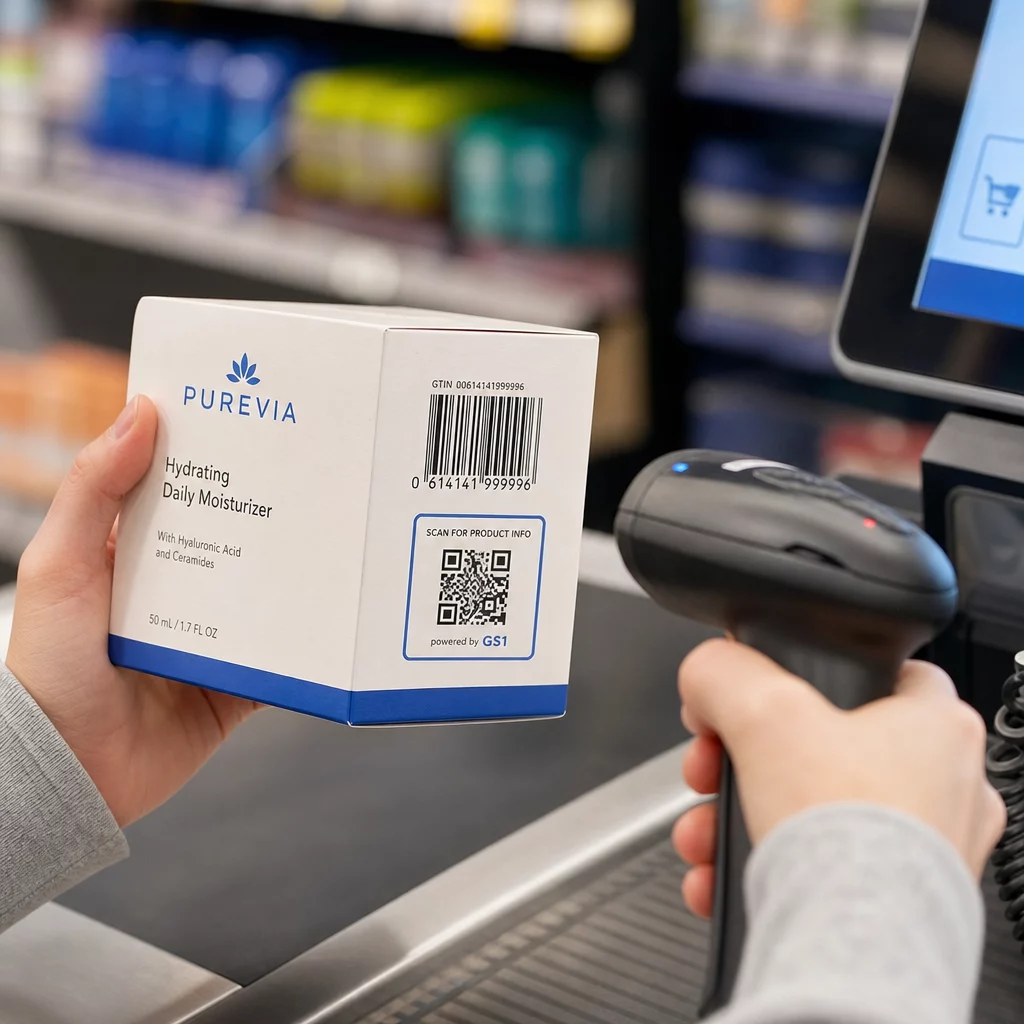
Nếu bạn đang sử dụng mã vạch để tương tác với người tiêu dùng – hướng mọi người đến các trang sản phẩm, hướng dẫn sử dụng hoặc chương trình khuyến mãi – mã QR đã là lựa chọn có khả năng hơn. Không giống như mã vạch 1D tĩnh, mã QR động cho phép bạn cập nhật URL đích sau khi in, vì vậy bạn có thể trỏ cùng một mã trên bao bì hiện có đến nội dung mới mà không cần in lại.
Mã QR trên bao bì có thể liên kết khách hàng đến thông tin dinh dưỡng, video hướng dẫn, đánh giá, chương trình khuyến mãi và các tùy chọn đăng ký. Để được hướng dẫn thực tế về vị trí và thiết kế, hãy xem cách sử dụng mã QR trên bao bì sản phẩm.
Bạn cũng có thể quét mã vạch và mã QR trực tuyến bằng cách sử dụng máy ảnh hoặc hình ảnh đã tải lên nếu bạn cần xác minh cách mã của mình được đọc trước khi in.
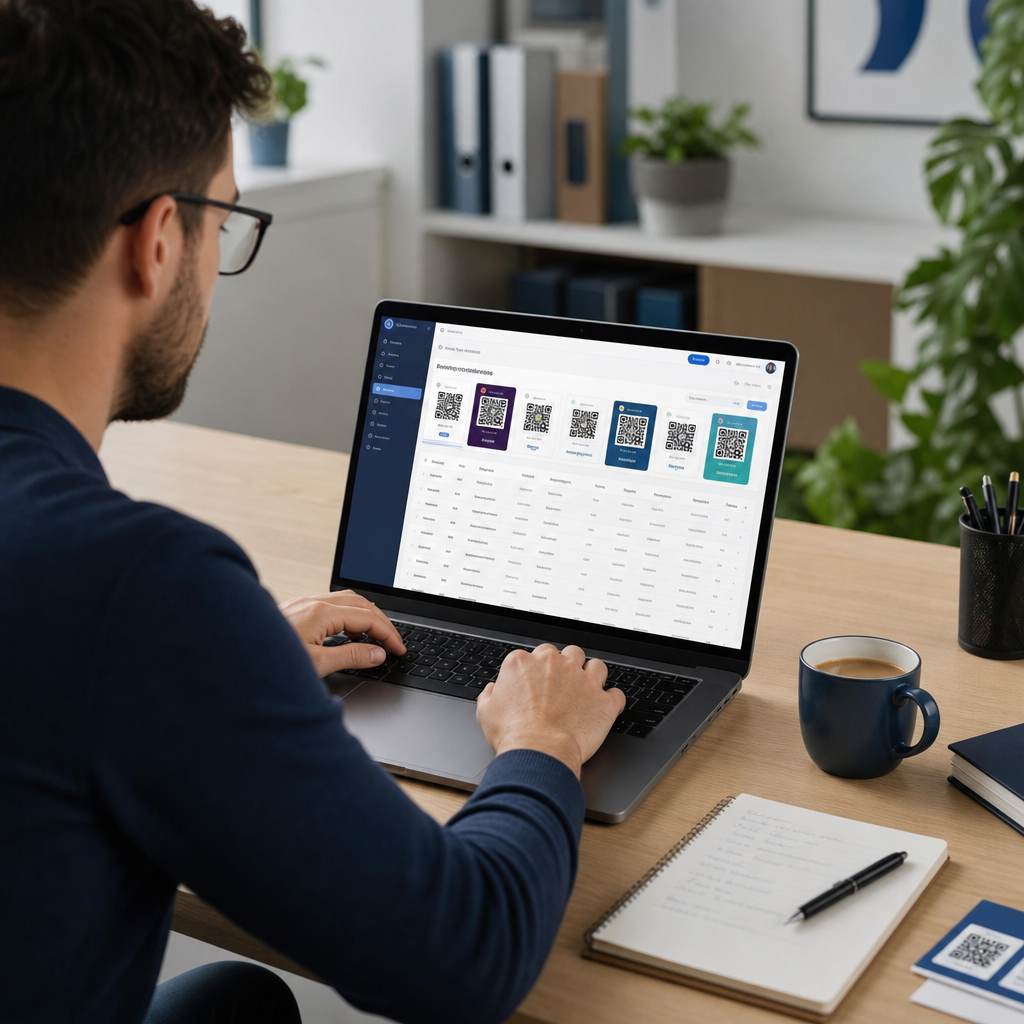
Cập nhật mã sản phẩm của bạn mà không cần in lại Nếu bạn cần trỏ bao bì hiện có đến nội dung mới, thì Tạo mã QR động cho phép bạn thay đổi đích liên kết bất cứ lúc nào và theo dõi hiệu suất quét từ một bảng điều khiển trung tâm.
Câu hỏi thường gặp
Không phải ngay lập tức. GS1 Sunrise 2027 đặt ra mục tiêu cho tất cả các hệ thống POS bán lẻ có khả năng quét mã vạch 2D, chứ không phải là thời hạn loại bỏ mã 1D. Trong giai đoạn chuyển đổi, cả hai loại mã dự kiến sẽ cùng tồn tại trên bao bì sản phẩm. Tuy nhiên, định hướng dài hạn đã rõ ràng: mã 2D sẽ trở thành tiêu chuẩn.
Vâng, khi được cấu trúc dưới dạng mã QR GS1 Digital Link, chúng có thể được quét tại điểm bán lẻ (POS) theo cách tương tự như mã vạch UPC hoặc EAN hiện nay – trích xuất GTIN để tra cứu giá – đồng thời cũng mang theo dữ liệu bổ sung như số lô và ngày hết hạn. Các nhà bán lẻ cần máy quét hình ảnh có hỗ trợ GS1 Digital Link để tận dụng điều này.
Mã QR tĩnh có đích được mã hóa vĩnh viễn – bạn không thể thay đổi nơi nó trỏ đến sau khi được tạo. Mã QR động trỏ đến một URL chuyển hướng ngắn có thể được cập nhật bất cứ lúc nào, cho phép bạn thay đổi nội dung được liên kết mà không cần in lại mã. Mã động cũng hỗ trợ theo dõi quét và phân tích.