> 바코드 > Are Barcodes Dead? The Shift from 1D to 2D Codes Explained
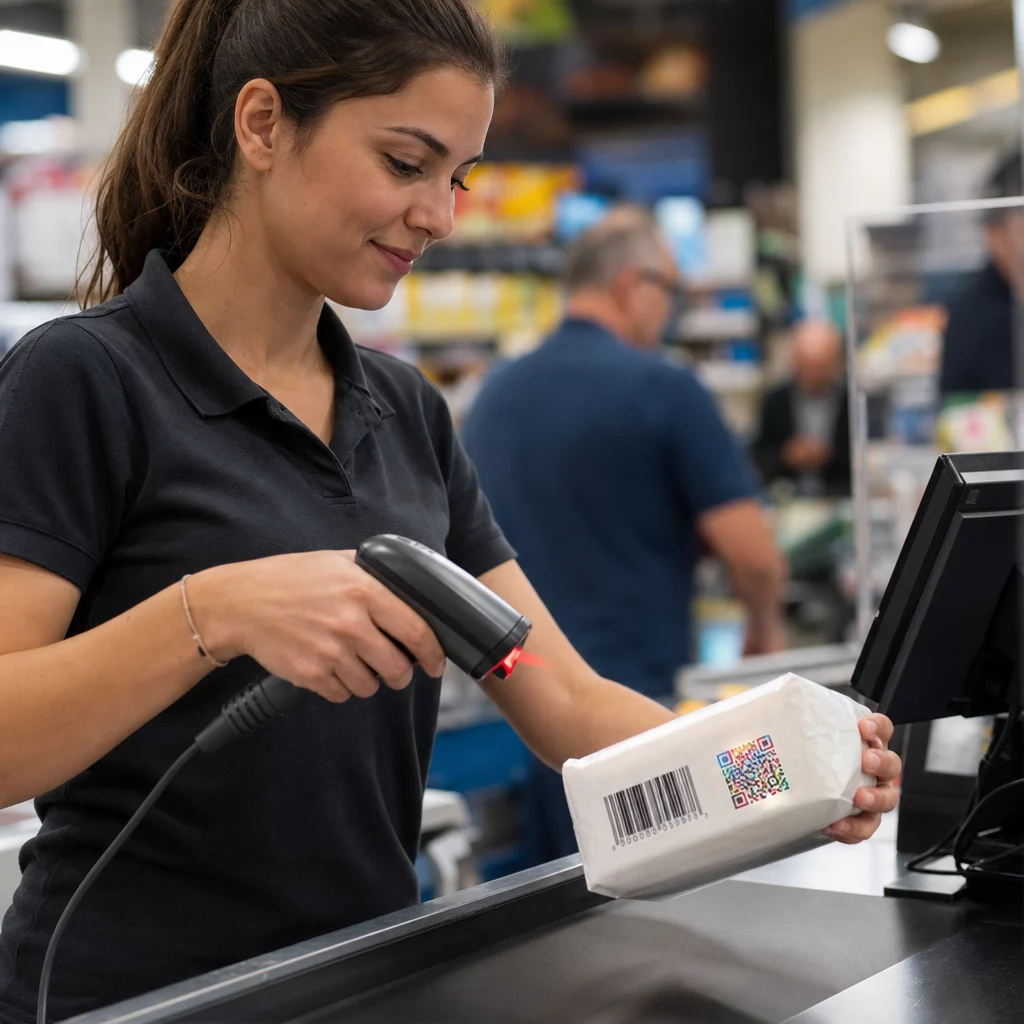
Modern barcode scanning

Are Barcodes Dead? The Shift from 1D to 2D Codes Explained

Are barcodes dead? Explore the retail shift from 1D to 2D barcodes. Learn about GS1 Sunrise 2027, why QR codes are taking over, and how it impacts your
Updated on 6월 10, 2026
목차

Are traditional barcodes becoming obsolete? With the retail industry actively planning to replace them, many businesses need to understand what’s changing and what it means for their operations. This article breaks down the shift from 1D barcodes to 2D codes, what’s driving it, and where things stand today.

The Short Answer: Barcodes Are Not Dead Yet

The classic 1D barcode – the kind you see on every cereal box and supermarket product – has been in use since the early 1970s. It remains deeply embedded in global retail and supply chain infrastructure. Tens of billions of products carry UPC or EAN codes, and most retail point-of-sale (POS) systems are built around scanning them.

But “not dead” is not the same as “here to stay unchanged.” The industry is actively moving away from 1D barcodes, with a clear deadline in sight.

What Is GS1 Sunrise 2027?

GS1 – the international standards body that governs barcodes and product identification – has established a global initiative called Sunrise 2027. The goal is straightforward: by the end of 2027, every retail POS system worldwide should be capable of scanning and processing 2D barcodes.

GS1 US describes the shift as an effort to give retailers greater transparency, stronger traceability, and richer data across the supply chain. This isn’t a fringe movement. According to GS1 UK, 82% of retailers and 92% of brand owners support transitioning from linear barcodes to 2D codes within the next five years.

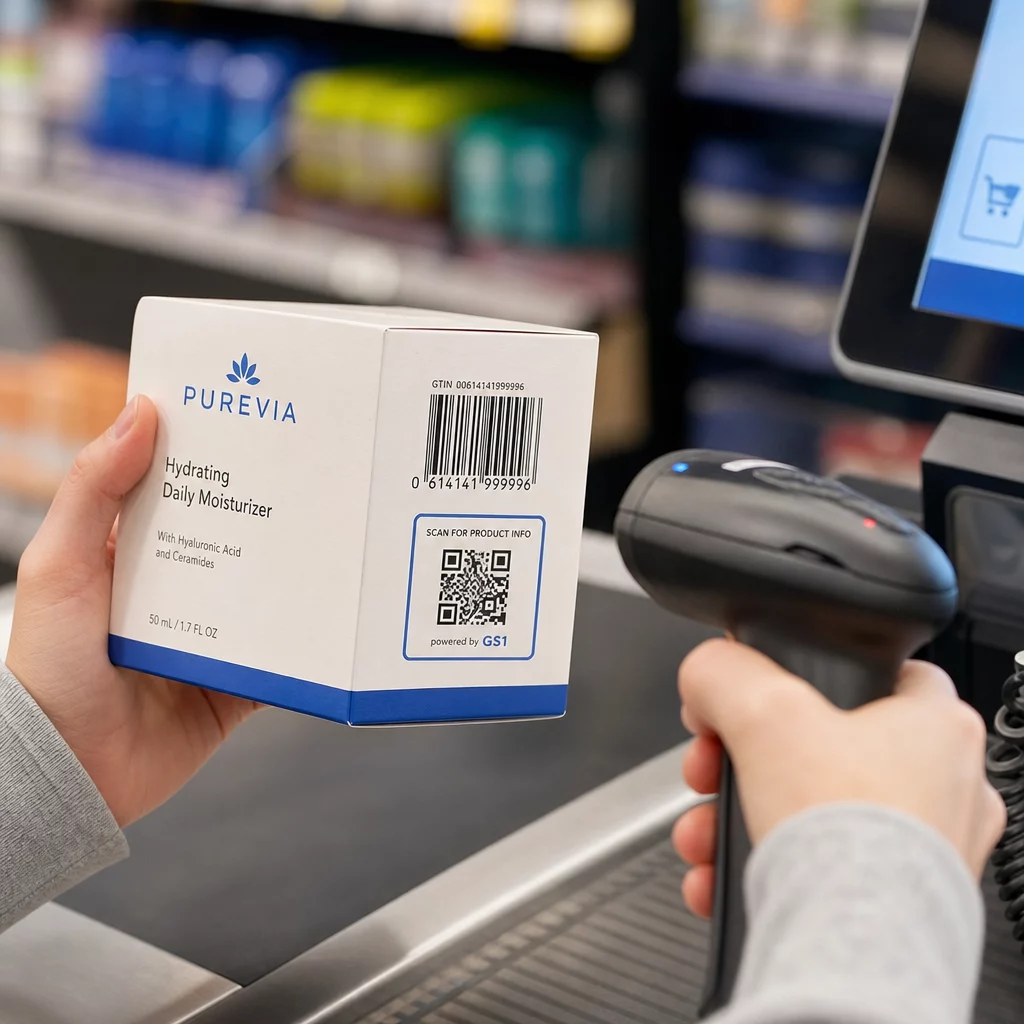
During the transition, 1D and 2D barcodes are expected to coexist on product packaging. GS1 guidance specifically recommends that brand owners place 2D codes alongside their existing linear barcodes to ensure a reliable backup scanning option at POS systems that haven’t yet been upgraded.

For a deeper look at how GS1 Digital Link QR codes work in practice, see how to implement GS1 Digital Link QR codes effectively.

Why 2D Barcodes Are Replacing 1D Codes

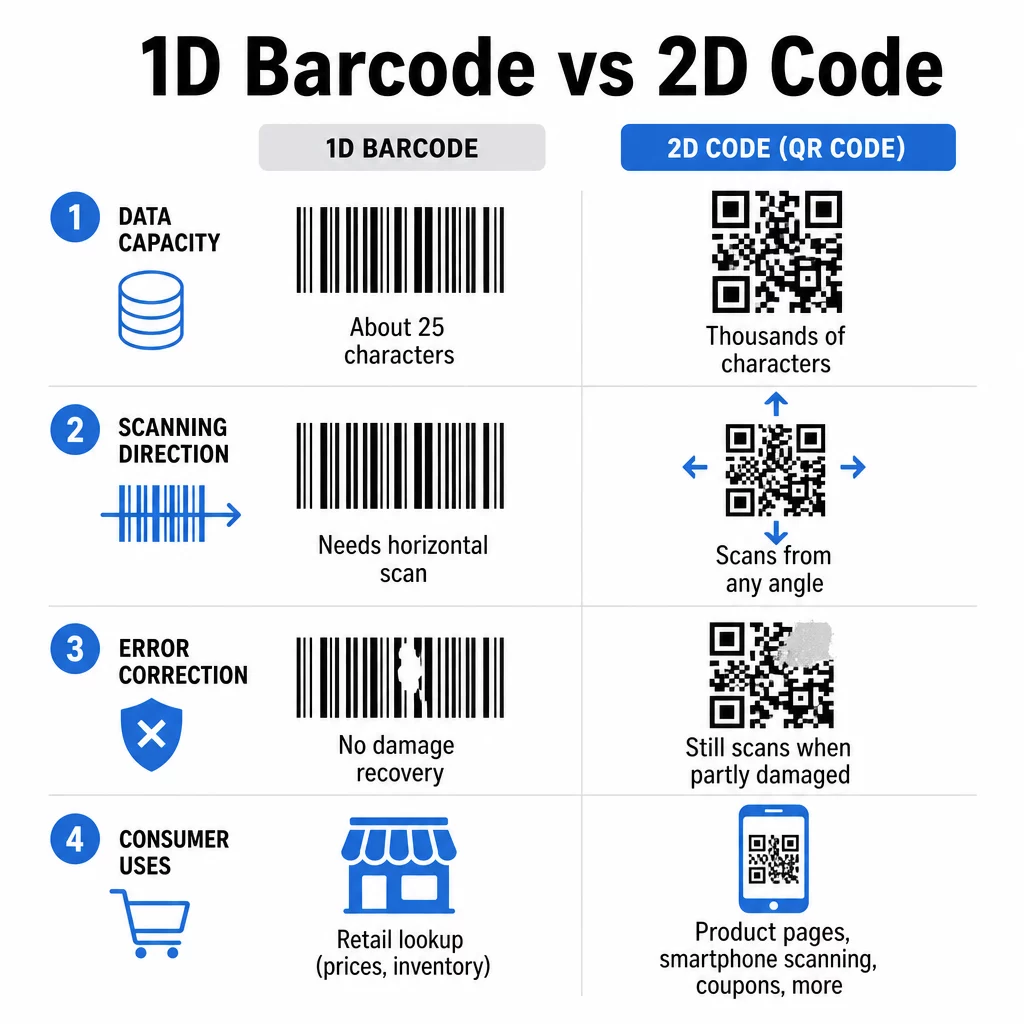
The core limitation of a traditional 1D barcode is its data capacity. A standard UPC or EAN code can hold roughly 20–25 characters – just enough to encode a product identifier number. Everything else, such as price, description, and inventory data, has to be retrieved from a connected database.

Barcode vs QR

A 2D barcode changes that equation entirely. Here’s what a 2D code can encode directly in the symbol itself:

  • Global Trade Item Number (GTIN)
  • Batch and lot numbers
  • Serial numbers
  • Expiration dates
  • Weight and price
  • URLs linking to product information pages

This has practical consequences across the entire supply chain. Because 2D barcodes carry detailed product and production data within the symbol itself, they reduce reliance on constant database connectivity. That makes traceability, auditing, and product recalls faster and more reliable – you don’t need to look up a database record to know a product’s batch number or expiration date.

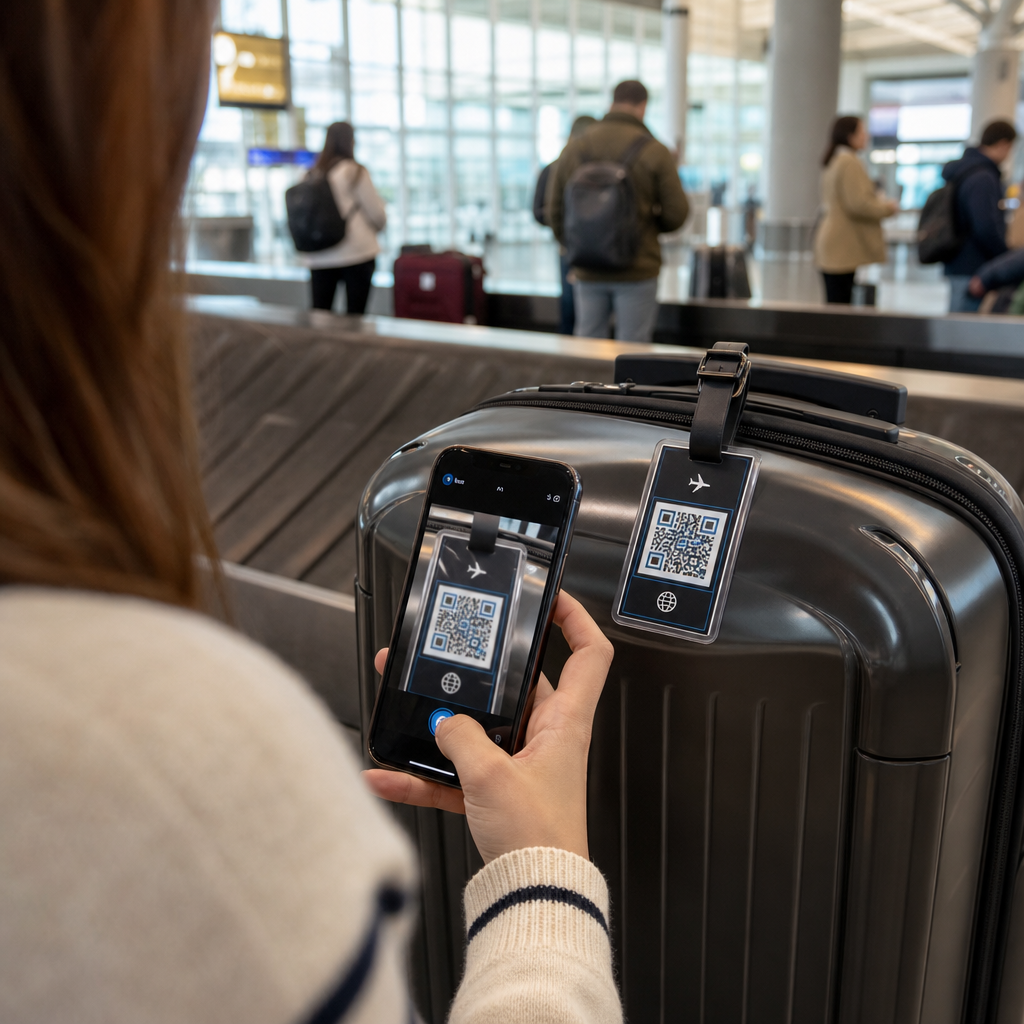
2D barcodes also support omnidirectional scanning, meaning they can be read from any angle. They include built-in error correction, so they remain scannable even if the code is partially damaged or printed on uneven surfaces. A standard laser scanner can only read 1D barcodes in a single horizontal pass; reading a 2D code requires an image-based scanner, which is part of why POS system upgrades are a necessary step in the Sunrise 2027 transition.

Common Types of 2D Barcodes

Not all 2D barcodes are the same. The two most widely used formats are QR codes and Data Matrix codes, and they serve different purposes.

QR 코드 were designed for fast readability and consumer interaction. They support large data capacity and are easily scanned by smartphone cameras, making them popular for marketing, payments, and product information. In the GS1 context, QR codes powered by GS1 Digital Link can simultaneously serve retail checkout and consumer engagement from a single code on the package.

데이터 매트릭스 코드 are optimized for small-item marking with very high data density. They’re commonly used in aerospace, electronics, healthcare, and pharmaceutical industries where space is limited and industrial scanners are the norm. For a detailed comparison, see Data Matrix vs QR Code – what’s the difference.

Where 1D Barcodes Still Make Sense

Despite the momentum behind 2D codes, traditional barcodes aren’t disappearing overnight. Several practical realities keep them in use:

  • Legacy infrastructure: Most retail POS systems today still read 1D barcodes. The Sunrise 2027 deadline exists precisely because upgrading those systems takes time and investment.
  • Simplicity for basic use cases: For internal asset tracking or simple inventory management where data capacity isn’t a constraint, 1D barcodes remain a cost-effective option.
  • Transition period coexistence: GS1 guidance explicitly acknowledges that by December 2027, not all retailers will be able to read 2D barcodes, which is why co-location of both code types is recommended during the transition.

The three barcode types most commonly used in retail today are still the UPC (used primarily in the US, UK, Australia, and New Zealand), the EAN (used in Europe and internationally), and the ITF (used for global shipping on cardboard packaging, with up to 14 numeric digits and higher error tolerance). These aren’t going away immediately – they’re being supplemented and eventually replaced.

You can learn more about barcode types and how to create scannable codes for your specific use case.

Barcodes vs. QR Codes: A Practical Comparison

기능 1D Barcode (UPC/EAN) 2D Barcode / QR Code
Data capacity ~20–25 characters Up to 7,000+ characters
Scanning direction Single horizontal pass Omnidirectional
Error correction 없음 Yes (up to ~30% damage tolerance)
Consumer scanning Requires dedicated scanner Works with smartphone cameras
Dynamic/editable 아니요 Yes (with dynamic QR codes)
Consumer engagement 제한된 URLs, product pages, promotions
POS readiness (2025) 유니버설 Expanding with Sunrise 2027

For a full breakdown of the tradeoffs, see barcode vs QR code – what’s better for your business.

What This Means for Your Business

If you’re currently using 1D barcodes for retail products, the Sunrise 2027 timeline is relevant. Adding a 2D code – specifically a GS1 Digital Link QR code – alongside your existing barcode prepares your packaging for a world where POS systems can read and process the richer data 2D codes provide.

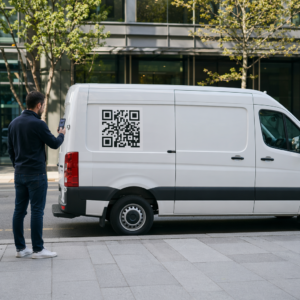
Scanning product codes

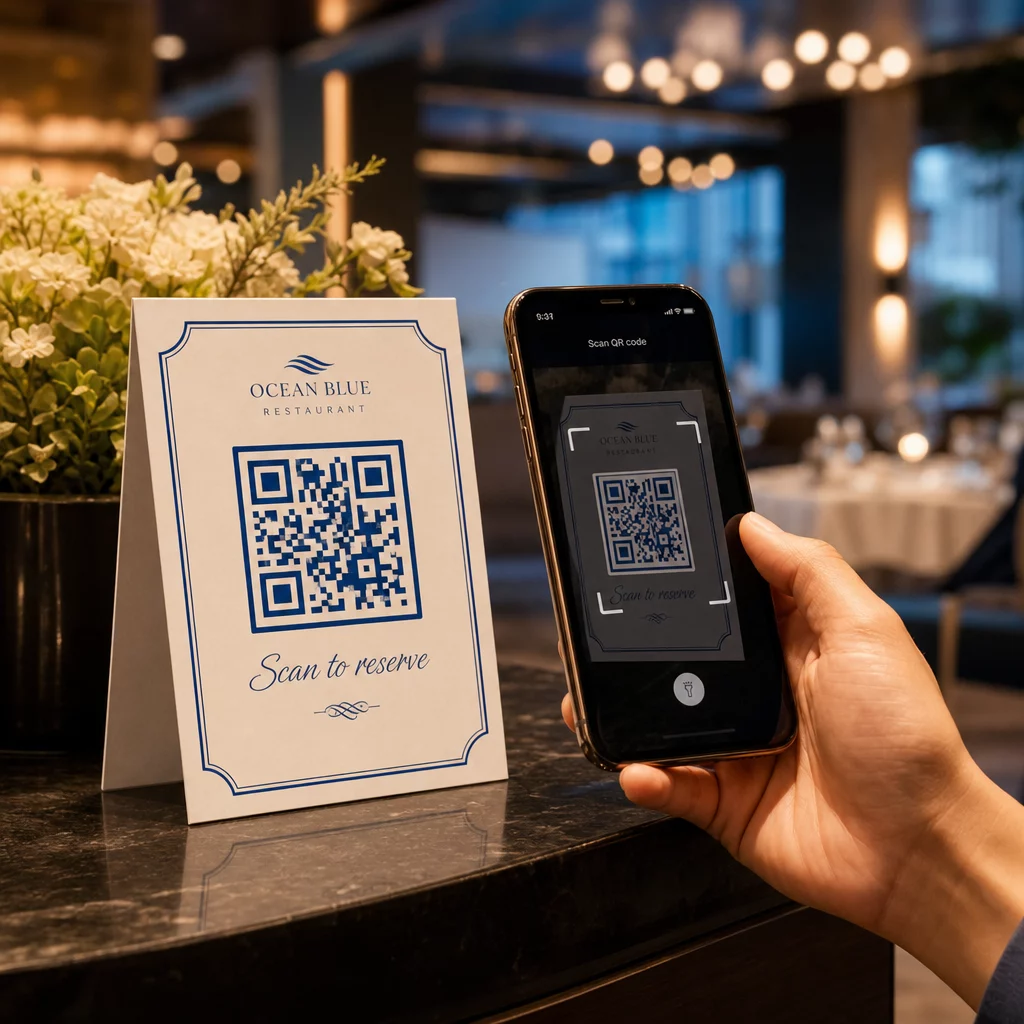
If you’re using barcodes for consumer-facing engagement – driving people to product pages, manuals, or promotions – QR codes are already the more capable option. Unlike a static 1D barcode, a dynamic QR code lets you update the destination URL after printing, so you can point the same code on existing packaging to new content without a reprint.

QR codes on packaging can link customers to nutritional information, how-to videos, reviews, promotions, and subscription options. For practical guidance on placement and design, see how to use QR codes on product packaging.

You can also scan barcodes and QR codes online using a camera or uploaded image if you need to verify how your codes read before printing.

Update Your Product Codes Without Reprinting If you need to point existing packaging to new content, the 동적 QR 코드 생성기 lets you change the linked destination at any time and track scan performance from a central dashboard.

자주 묻는 질문

Will 1D barcodes stop working after 2027?

Not immediately. GS1 Sunrise 2027 sets a target for all retail POS systems to be capable of scanning 2D barcodes, not a deadline for removing 1D codes. During the transition period, both code types are expected to coexist on product packaging. However, the long-term direction is clear: 2D codes will become the standard.

Do QR codes work as barcodes at retail checkout?

Yes, when structured as GS1 Digital Link QR codes, they can be scanned at retail POS the same way a UPC or EAN barcode is today – extracting the GTIN for price lookup – while also carrying additional data like batch numbers and expiration dates. Retailers need imaging scanners with GS1 Digital Link support to take advantage of this.

정적 QR 코드와 동적 QR 코드의 차이점은 무엇인가요?

A static QR code has its destination encoded permanently – you cannot change where it points after it’s generated. A dynamic QR code points to a short redirect URL that can be updated at any time, letting you change the linked content without reprinting the code. Dynamic codes also support scan tracking and analytics.

작성자 정보

시임 코스타비는 페이지루트의 콘텐츠 책임자입니다. 그는 페이지루트의 혁신적인 QR 코드 생성 서비스에 대한 글을 쓰고 있습니다. 5년 이상 QR 코드 분야에서 쌓아온 깊이 있는 전문 지식을 바탕으로, 시임은 이 분야의 전문가로 인정받고 있습니다. 그는 QR 기술을 활용하여 디지털 상호작용을 간소화하고 향상시키는 데 크게 기여하고 있습니다.

범주
에 대해 자세히 알아보기

온라인으로 QR 코드를 생성해야하는 경우 QR 코드 만들기 무료로 여기!
Pageloot는 #1 Go-To 솔루션 QR 코드를 만들고 스캔합니다.

BC-008

블로그-바코드

20,000개 이상의 브랜드로부터 신뢰를 받아 더 많은 매출, 리뷰, 팔로워를 확보했습니다.

클라이언트 로고
최고 브랜드의 신뢰
5 중 4.8 평가

4.86 / 5 별점

휴고 로랑
휴고 로랑
레스토랑 주인
가장 쉽고 안정적인 QR 코드 생성기. PDF 파일을 즉시 업로드할 수 있습니다. 이제 레스토랑 메뉴가 디지털화되었습니다.
루카스 얀센
루카스 얀센
부동산 개발사
이것은 훌륭한 도구이며 QR 코드를 사용하면 원하는 곳으로 이동할 수 있습니다. 우리는 위치 QR 코드만 사용하지만 유용한 기능이 너무 많습니다.
엠마 모레티
엠마 모레티
소매 제품
사용하기 쉽고 빠릅니다. 그것은 훌륭하게 작동하고 완벽한 이미지를 생성하므로 직원들이 내 vCard를 다운로드할 수 있습니다.
휴고 로랑
휴고 로랑
레스토랑 주인
가장 쉽고 안정적인 QR 코드 생성기. PDF 파일을 즉시 업로드할 수 있습니다. 이제 레스토랑 메뉴가 디지털화되었습니다.
루카스 얀센
루카스 얀센
부동산 개발사
이것은 훌륭한 도구이며 QR 코드를 사용하면 원하는 곳으로 이동할 수 있습니다. 우리는 위치 QR 코드만 사용하지만 유용한 기능이 너무 많습니다.
엠마 모레티
엠마 모레티
소매 제품
사용하기 쉽고 빠릅니다. 그것은 훌륭하게 작동하고 완벽한 이미지를 생성하므로 직원들이 내 vCard를 다운로드할 수 있습니다.
더 많은 QR 코드보기
무엇이든 디지털 경험으로 전환하세요 3분 이내에.

14일 무료 체험.

신용카드는 필요 없습니다.

첫 구매 시 30% 할인

코드를 사용하세요:

MP3 파일 공유

PDF QR 코드를 생성하려면 가입하세요

필요한 모든 것을 업로드하고 표시합니다.

  • 오디오 파일
  • 팟캐스트
  • 음악

가입 시 14일 무료 체험.
체험 기간 후 QR 코드 만료.

오디오 mp3 QR 코드를 생성하려면 가입하세요

프레임으로 더 많은 스캔 확보

QR 코드에 더 많은 프레임을 추가하려면 가입하세요

클릭 유도 문안 프레임은 고객이 QR 코드와 쉽게 상호 작용할 수 있도록 도와줍니다. 사용해 보세요!

가입 시 14일 무료 체험.
체험 기간 후 QR 코드 만료.

QR 코드에 더 많은 프레임을 추가하려면 가입하세요

도형으로 더 많은 스타일 추가

더 많은 도형을 만들려면 가입하세요

QR 코드는 정사각형일 필요가 없습니다. 브랜드 이미지에 맞게 전환해 보세요.

가입 시 14일 무료 체험.
체험 기간 후 QR 코드 만료.

더 많은 도형을 만들려면 가입하세요

QR 코드에 로고 추가

QR 코드에 로고를 추가하려면 가입하세요

로고와 브랜드를 추가하여 QR 코드를 돋보이게 만드세요.

가입 시 14일 무료 체험.
체험 기간 후 QR 코드 만료.

QR 코드에 로고를 추가하려면 가입하세요

스마트 앱 스토어 리디렉션

앱 스토어 QR 코드를 생성하려면 가입하세요

스마트 앱 스토어 QR 코드에 앱 링크를 추가하세요. 사용자는 장치에 따라 리디렉션됩니다.

가입 시 14일 무료 체험.
체험 기간 후 QR 코드 만료.

앱 스토어 QR 코드를 생성하려면 가입하세요

QR 코드에 이미지 업로드

이미지 QR 코드를 생성하려면 가입하세요

이미지를 쉽게 공유하세요. 몇 초 안에 동적으로 이미지를 변경하십시오.

가입 시 14일 무료 체험.
체험 기간 후 QR 코드 만료.

이미지 QR 코드를 생성하려면 가입하세요

PDF 파일 공유

PDF QR 코드를 생성하려면 가입하세요

필요한 모든 것을 업로드하고 표시합니다.

  • 메뉴 및 가격표
  • 명령
  • 모든 문서

가입 시 14일 무료 체험.
체험 기간 후 QR 코드 만료.

PDF QR 코드를 생성하려면 가입하세요

인쇄 없이 나중에 편집

다시 인쇄하지 않고 QR 코드를 편집하려면 가입하세요

동적 QR 코드를 사용하면 새 QR 코드를 인쇄하지 않고도 QR 코드의 내용을 변경할 수 있습니다.

가입 시 14일 무료 체험.
체험 기간 후 QR 코드 만료.

다시 인쇄하지 않고 QR 코드를 편집하려면 가입하세요

언제? 어디서? QR 코드 스캔 추적

QR 코드를 추적하려면 가입하세요

어떤 QR 코드가 가장 많이 스캔되고 무엇이 고객을 가장 흥분시키는지 알아보십시오.

가입 시 14일 무료 체험.
체험 기간 후 QR 코드 만료.

QR 코드를 추적하려면 가입하세요

인쇄 준비 파일 제공

PDF 및 SVG와 같은 벡터 QR 코드를 생성하려면 가입하세요.

.EPS, .PDF, .SVG

HD 해상도로 QR 코드를 다운로드하고 싶으신가요? 인쇄할 준비가 된 벡터 또는 픽셀 형식을 가져옵니다.

가입 시 14일 무료 체험.
체험 기간 후 QR 코드 만료.

PDF 및 SVG와 같은 벡터 QR 코드를 생성하려면 가입하세요.

기다리세요. 귀하의 QR 코드는 로드 중... 로드 중...

나만의 것으로 만들기

나중을 위해 QR 코드를 저장하려면 가입하세요.

다양한 색상, 로고 및 클릭 유도문안 프레임으로 멋진 QR 코드를 만들어 더 많은 스캔을 받으세요.

가입 시 14일 무료 체험.
체험 기간 후 QR 코드 만료.

나중을 위해 QR 코드를 저장하려면 가입하세요.