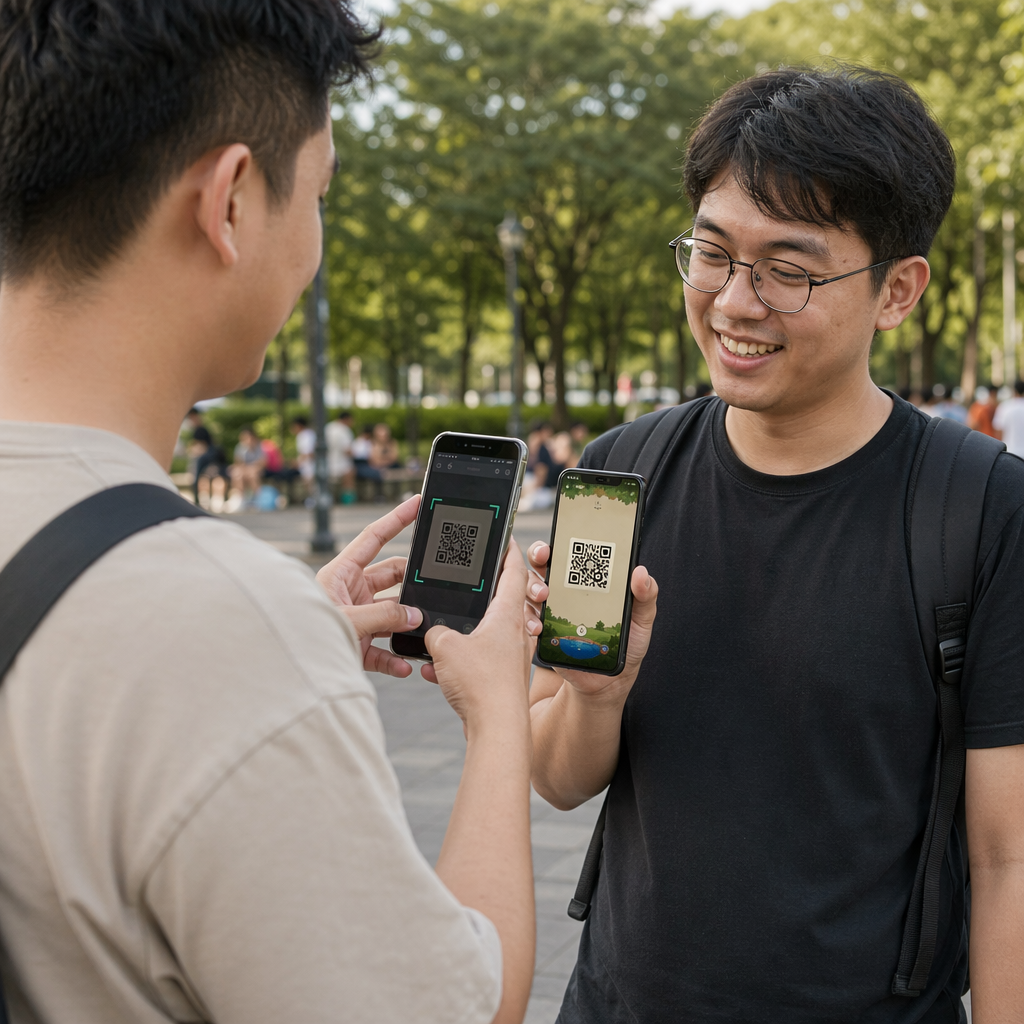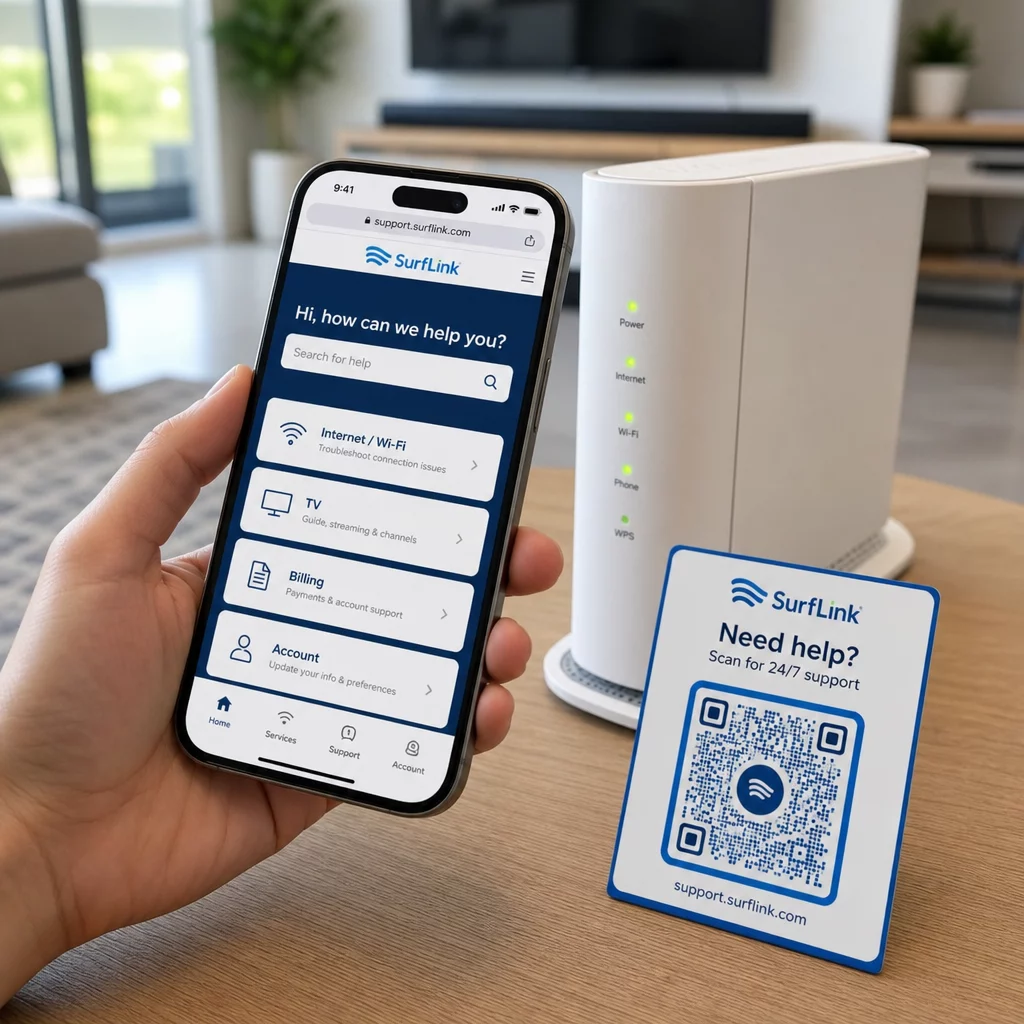
QR codes are used worldwide, with adoption influenced by local needs and technologies. By 2026, 2.2 billion people – nearly 29% of smartphone users – actively use QR codes. Key highlights:
- China: Leads globally with 95% adoption. QR codes dominate payments (85% of mobile transactions) and are widely used in transportation, healthcare, and public services.
- インド: A rising leader, driven by UPI そして Bharat QR. QR codes are transforming payments, with 657.9 million in use by FY2025, especially in smaller cities.
- United States: Tops in scan volume (43.9% globally). QR codes are common in marketing, retail, healthcare, and restaurants.
- France: Strong in healthcare and transportation. Initiatives like digital medicine leaflets and QR-based transit systems drive usage.
- Germany: Fast-growing in Europe, with payments leading adoption. QR codes are expanding in retail, public services, and e-commerce.
- ブラジル: PIX payment system drives adoption, with 75% of adults using QR codes. Popular in retail, transportation, and public services.
Globally, QR codes are reshaping payments, marketing, and everyday services, but challenges like security risks and regional interoperability persist. Understanding QRコードのプライバシーリスク is essential as adoption grows.
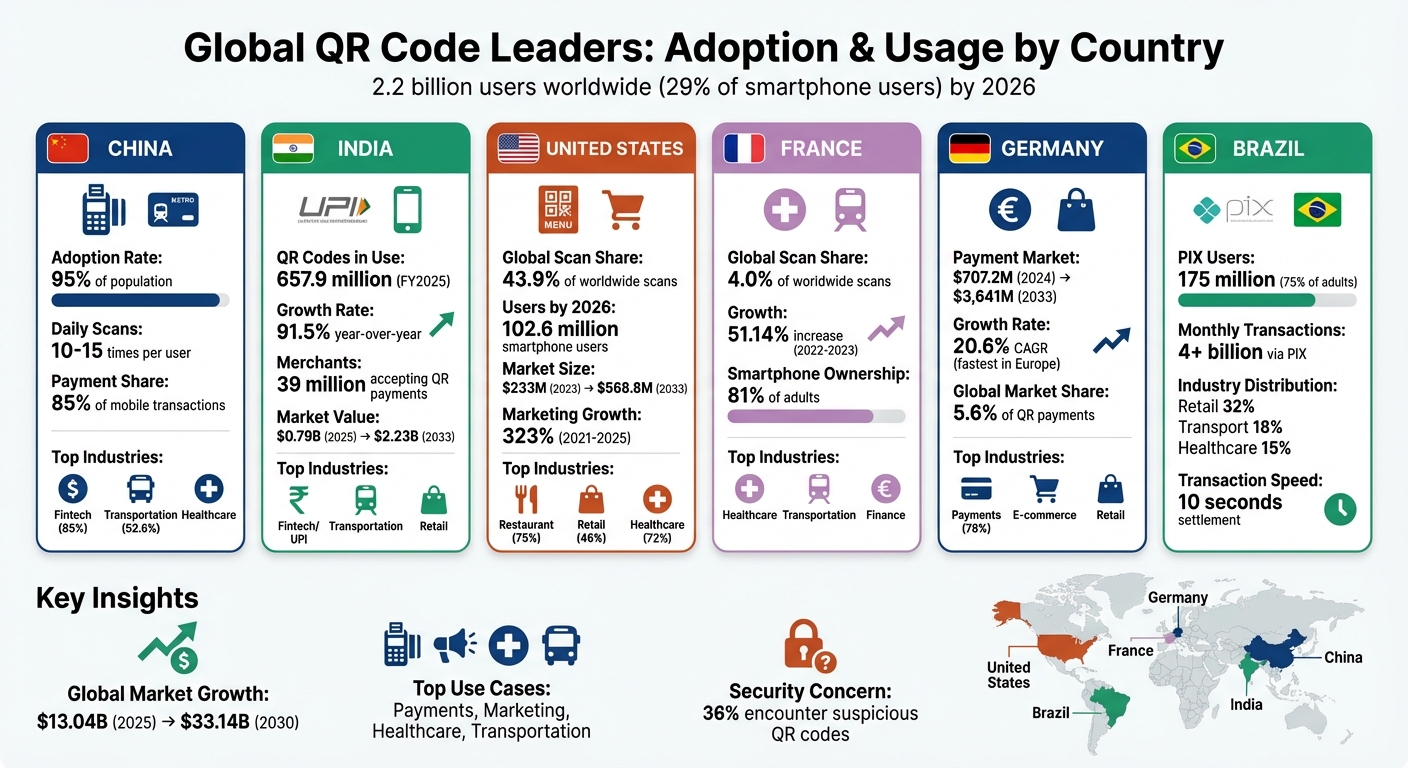
Global QR Code Adoption by Country: Usage Statistics and Key Industries
1. China
Adoption Rate
China leads the world in QR code usage, with an impressive 95% of the population actively engaging with this technology. On average, Chinese users scan QR codes 10–15 times daily. This widespread adoption is deeply rooted in China’s mobile-first digital ecosystem, where QR codes have become a seamless part of everyday life.
WeChat, one of China’s most popular apps, played a key role in normalizing QR code usage. With 93% of the population using WeChat’s scanning feature, over a billion users have integrated this habit into their routines. As highlighted by the Payment & Clearing Association of China:
QRコード決済のアクセシビリティ is a key factor in why scanning is the most frequently used payment method for 95.7 percent of Chinese mobile payment users.
This statistic illustrates how deeply embedded QR codes are in China’s payment systems.
Top Industries
The fintech and payments sector is where QR codes truly shine in China. In 2022, QR code transactions made up 85% of all mobile payments in the country. Their affordability and ease of use have allowed even small businesses and street vendors to accept digital payments without needing expensive equipment. This has also extended to informal sectors like street vendors and charities, enabling them to accept electronic donations.
Transportation is another major area of adoption. Over half of users – 52.6% – use QR codes to pay for bus and metro fares. Beyond payments, QR codes facilitate bike-sharing, provide real-time transit updates, and simplify access to public transportation networks. In healthcare and public administration, QR codes are used for patient identification, health tracking, and accessing government services. For instance, in September 2022, Shanghai introduced standardized QR codes on business licenses for all 3.2 million market entities in the city. Scanning these codes gives instant access to vital information like registration details, permits, and regulatory statuses.
Notable Growth and Statistics
WeChat’s scanner stands out for its exceptional recognition capabilities. Another example of QR code innovation is Shanghai’s waste sorting system, launched in 2019. This system uses QR-coded trash bags to track waste across four categories. By 2021, the city had redirected 6.46 million metric tons of waste to recycling and organic processing, a dramatic increase from 1.68 million metric tons in 2017. These advancements highlight the potential for QR codes to drive meaningful change across various sectors.
Unique Use Cases
China has also developed some truly creative QR code applications. In April 2021, video-streaming platform Bilibili used 1,500 drones to create a massive, scannable QR code in the Shanghai skyline. This spectacle celebrated the anniversary of the game "Princess Connect! Re: Dive" and directed viewers to the game’s download page when scanned.
Another standout example comes from Xilinshui, Hebei, where a 744-foot QR code was created using 130,000 juniper trees. This "forest" QR code, visible from the air, links to the village’s tourism account when scanned.
On a more practical level, hospitals and police stations have adopted QR codes as identity badges for patients with Alzheimer’s or dementia. These codes provide instant access to emergency contact details and medical histories, offering a vital safety mechanism for at-risk individuals.
sbb-itb-74874c9
2. India
Adoption Rate
India is at the forefront of global QR code adoption, with projections showing 657.9 million QR codes in use by the end of FY2024–25. This represents a staggering 91.5% year-over-year growth. A significant driver behind this surge is the Unified Payments Interface (UPI), which allows seamless cross-app QR code scanning. Spearheaded by the National Payments Corporation of India, Bharat QR – the first interoperable QR code solution globally – has played a pivotal role in making digital payments more accessible.
Interestingly, 75% of new QR code installations are happening in Tier 2 and Tier 3 cities, showcasing how adoption has spread far beyond major urban centers. Currently, about 50% of scan-and-pay users reside in smaller towns and cities. This shift underscores India’s transformation into a "scan-first" economy, with a focus on financial inclusion across diverse economic regions.
Top Industries
The rapid adoption of QR codes is reshaping several industries across India. Fintech and payments lead the way, with over 9 million merchants now accepting QR-based payments. Digital payment volumes have grown by 42% year-over-year and are expected to hit $10 trillion by 2026. PhonePe reported in February 2024 that it had onboarded 39 million merchants, with 90% of new additions coming from smaller towns. The average transaction size has dropped to Rs 1,262 (around $15), reflecting the use of QR codes for everyday purchases like tea or vegetables.
Transportation has also embraced QR codes. In April 2024, Paytm partnered with the Delhi and Mumbai Metro Rail Corporations to introduce QR-based ticketing at over 20 metro stations, enabling commuters to scan dynamic QR codes at entry gates for quick access. Similarly, retail and hospitality have benefited significantly. Anjan Chatterjee, Managing Director of Speciality Restaurants, shared:
The QR code arrangement has smoothened operations; ordering food and making payment are very easy now. We are making eating out risk-free.
Premium retailers are also leveraging QR codes for product authentication and traceability. For instance, Welspun uses them on Egyptian cotton textiles to verify authenticity, while Nature’s Basket enables customers to trace produce back to individual farms.
Notable Growth and Statistics
India’s QR code payments market was valued at $0.79 billion in FY2025 and is projected to grow to $2.23 billion by FY2033と共に、 13.87% CAGR. In Q3 2025 alone, UPI transaction volumes hit 59.33 billion, marking a 33.5% increase compared to Q3 2024. Notably, 74% of users reported that frictionless QR-based UPI payments have encouraged them to spend more .
To enhance security and combat fraud, merchants are increasingly adopting SmartSpeakers – IoT devices that audibly confirm successful QR payments. In May 2025, PhonePe launched a 4G-enabled SmartSpeaker designed and manufactured in India, offering faster and more reliable payment confirmations. QR codes are also being used in education, with institutions like Jadavpur University embedding them on degree certificates to store encrypted data, such as registration numbers and grades, to prevent forgery.
Unique Use Cases
India has found innovative ways to use QR codes beyond payments. In Bengaluru, road signs now feature QR codes that provide real-time infrastructure updates, improving transparency. At traffic signals in some cities, QR codes allow users to notify nearby ambulance services of their real-time location during emergencies.
The government is also integrating QR codes into utility payments, covering taxes, electricity bills, and municipal services. As Devendra Chawla, Managing Director and CEO of Spencer’s Retail, explained:
QR codes provide [consumers] with information about the entire value chain that back-of-the-pack can’t.
This widespread adoption highlights how India is weaving QR code technology into nearly every aspect of daily life.
3. United States
Adoption Rate
The United States leads the world in QR code usage, making up 43.9% of all global scans in 2023. This shift reflects a growing trend, with 59% of Americans now viewing QR codes as a permanent part of daily life. By 2026, an estimated 102.6 million U.S. smartphone users – about one in three Americans – are expected to engage with QR codes.
Currently, 81.6% of Americans own a mobile device, and an impressive 95% know how to scan a QR code. Among different age groups, those aged 33–46 make up the largest segment, accounting for 41% of total usage. Meanwhile, 57% of Americans aged 18–34 frequently interact with QR codes.
Top Industries
High adoption rates have spurred innovations across multiple industries. The restaurant and hospitality sectors lead the way, with 75% of businesses implementing QR codes. This trend gained traction during the pandemic, as contactless digital menus became the norm. For example, Tim Hortons integrated a "scan and pay" feature into its app, allowing customers to complete transactions and earn rewards with a single QR scan.
Retail and e-commerce are not far behind, with 46% of businesses using QR codes and 92% of Consumer Packaged Goods (CPG) brands incorporating them into product packaging. The GS1 US "Sunrise 2027" initiative is also pushing for the replacement of traditional 1D barcodes with 2D barcodes, a move backed by 82% of retailers and 92% of brand owners. Healthcare has embraced QR codes too, with 72% of institutions either using or planning to use them for tasks like patient intake and lab sample tracking.
Notable Growth and Statistics
The U.S. QR code market, valued at $233 million in 2023, is projected to grow to $568.8 million by 2033, with a CAGR of 5.4%. Marketing applications have seen extraordinary growth, with QR code usage surging 323% between 2021 and 2025. Wave Connect, for instance, reported a 400% increase in QR-based contact sharing, now serving over 150,000 professionals. As Wave Connect founder George El-Hage succinctly put it:
QR codes aren’t a trend anymore. They’re infrastructure.
Dynamic QR codes dominate the market, holding a 64.92% share. Their popularity stems from the flexibility they offer – businesses can update destination URLs without reprinting materials. Consumer engagement is also strong: 79% of U.S. shoppers are more likely to buy a product if its packaging includes a scannable QR code with extra information. On average, QR code scans achieve a conversion rate of 15% to 20%, depending on placement and context. This growth is paving the way for new, creative uses across industries.
Unique Use Cases
QR codes have moved beyond payments and menus, with American organizations finding inventive ways to use them. In April 2022, NASA celebrated Earth Day by creating an interactive map with 17 QR codes. Each code linked to videos and resources highlighting climate impact. Kellogg’s has also embraced this technology for accessibility, adding QR codes to packaging that direct users to an app offering audio descriptions of ingredients and allergen information. Additionally, 20% of CPG brands now use QR codes to promote eco-friendly initiatives.
These examples show how QR codes are helping businesses connect with customers in meaningful ways. They’re especially effective for engaging younger audiences – 99% of advertising professionals believe QR codes are essential for reaching Gen Z. To address growing concerns about QRコードフィッシング, new tools have been introduced to preview destination URLs before a scan, helping to rebuild consumer trust.
4. France
Adoption Rate
France is third globally in QR code adoption, accounting for 4.0% of worldwide scans and showcasing a 51.14% increase in activity between 2022 and 2023. This progress is supported by an impressive 81% smartphone ownership among adults. Initiatives like the government’s TousAntiCovid app have further propelled adoption, positioning France ahead of many European nations. This strong digital foundation has opened doors for advancements in sectors like healthcare, transportation, and finance.
Top Industries
において ヘルスケア, the National Agency for the Safety of Medicines (ANSM) has introduced QR codes to replace paper leaflets for about 100 drugs and 450 hospital medications. This trial, which began in October 2024, includes widely used medicines such as paracetamol, vaccines, and statins. By scanning these codes, patients can access the Données Publique des Médicaments database for real-time updates on safety and dosage instructions.
において transportation, operators like SNCF そして RATP have incorporated QR codes into digital ticketing systems, station access, and real-time transit updates. Meanwhile, the financial sector utilizes QR codes for secure mobile banking authentication. Retailers in France have also embraced QR codes for contactless product ordering, delivery tracking, and loyalty program integration.
Notable Growth and Statistics
France’s adoption of QR codes is part of a broader European trend, driven by initiatives like the EU’s Digital Product Passport and GS1デジタルリンク standards, which are fueling market growth. Europe’s QR code market is valued at $2.3 billion. Across the continent, 66% of smartphone users have scanned a QR code at least once, with 40% scanning weekly. France’s performance stands out, reflecting its advanced digital infrastructure and supportive government policies.
Unique Use Cases
France is creatively using QR codes to improve services and promote sustainability. A standout example is the healthcare trial replacing paper leaflets with QR codes, aiming to reduce waste and provide instant access to updated medical information. Critics, like UFC-Que-Choisir, emphasize the importance of keeping digital tools optional:
Digital technology must remain an additional, complementary tool, and never an imposed substitute. – UFC-Que-Choisir
While concerns about accessibility exist, this initiative highlights how France is blending modern technology with user-friendly solutions. By prioritizing both innovation and inclusivity, France offers a roadmap for other nations exploring similar digital transformations.
5. Germany
Adoption Rate
Germany has emerged as a key player in the global shift toward QR code-based solutions, following the trends seen in China, India, and the United States. It ranks among Europe’s top three leaders in QR code adoption, reflecting its growing importance in this space. In 2024, Germany’s QR code payment market generated $707.2 million and is forecasted to soar to $3,641.0 million by 2033, with a compound annual growth rate (CAGR) of 20.6%. This makes Germany the fastest-growing QR code payment market in Europe. Beyond payments, the broader QR code market in Germany was valued at $51.4 million in 2023 and is expected to reach $124 million by 2033. This expansion is fueled by applications across government, business, entertainment, and personal use, supported by initiatives like the EU’s Digital Product Passport.
Top Industries
Payments dominate the QR code landscape in Germany, with solutions like static and dynamic codes contributing to 78.01% of revenue in 2024. The country is steadily moving away from its cash-heavy traditions, embracing QR-based digital transactions in sectors like retail and hospitality. QR codes are also making significant inroads in e-commerce, e-ticketing, and public services, including healthcare and government utilities.
Retailers and e-commerce platforms are increasingly adopting the GS1 Digital Link standard, which allows a single QR code to handle both point-of-sale transactions and consumer engagement. This dual functionality cuts costs and streamlines supply chain operations. Meanwhile, the manufacturing sector is gearing up for the Digital Product Passport initiative, which will require QR codes on batteries starting in 2026, eventually expanding to 30 product categories by 2030.
Notable Growth and Statistics
As of 2024, Germany holds a 5.6% share of the global QR code payment market. For comparison, France and the United Kingdom account for 6.4% and 3.6% of global scan volumes, respectively. Germany’s strong industrial base and regulatory measures have solidified its position in Europe’s QR code ecosystem. However, security remains a concern, with 36% of German users reporting instances of scanning QR codes that led to suspicious or unexpected websites. This highlights the importance of GDPRへの準拠 and user education.
Unique Use Cases
Germany has found creative ways to use QR codes beyond traditional payment systems. One standout example is the "Gaffen Tötet" (Gawking Kills) campaign by Johanniter-Unfall-Hilfe. Large QR codes were placed on emergency vehicles to discourage bystanders from filming accident scenes. Scanning these codes triggers warnings about the illegality of such actions, helping to educate the public and promote emergency protocols.
During the COVID-19 pandemic, Germany’s Corona-Warn-App utilized QR codes for digital vaccine certificates. These QR codes were essential for accessing restaurants, events, and travel, introducing millions of Germans to QR code technology. This initiative not only accelerated adoption but also laid the groundwork for broader applications in payments and retail. These innovative efforts highlight Germany’s growing influence within Europe’s QR code ecosystem.
6. Brazil
Adoption Rate
Brazil has embraced QR code technology at lightning speed, largely thanks to PIX, the country’s instant-payment system introduced by the Central Bank in 2020. By 2026, PIX had amassed an impressive 175 million users – 160 million individuals and 15 million businesses – covering roughly 75% of Brazil’s adult population. This phenomenal growth has placed Brazil at the forefront of account-to-account payment systems globally, with PIX often compared to other major payment innovations worldwide.
By mid-2025, PIX was handling over 4 billion transactions each month, tallying up to more than 45 billion transactions annually. Its rapid rise, from launch to billions of transactions in under two years, remains unmatched. In fact, by 2026, Latin America, led by Brazil, had surpassed Europe in QR code adoption rates. These achievements highlight how QR codes are reshaping industries across Brazil.
Top Industries
QR code usage in Brazil spans a variety of sectors, with retail leading the way, accounting for 32% of QR transactions. Transportation follows at 18%, healthcare at 15%, and hospitality at 12%. For businesses, PIX offers lower transaction fees, typically between 0.5% and 1.5%, making it a more affordable option compared to traditional credit card fees. The system relies on the BR Code standard, ensuring compatibility across all Brazilian banking apps. Static QR codes are ideal for small vendors and fixed-price goods, while ダイナミックQRコード cater to e-commerce and detailed invoicing. This versatility has been a game-changer for financial inclusion, allowing micro-merchants to accept digital payments without needing expensive card terminals.
Notable Growth and Statistics
PIX continues to push boundaries in payment technology. Transactions settle in real time – usually within 10 seconds – and are free for individual users. For merchants, the system eliminates chargeback risks with its irrevocable transactions. In 2025, new features like Contactless PIX for tap-to-pay and PIX Automatico for recurring payments expanded its functionality even further. By September 2025, partnerships with platforms like AEON Pay introduced cryptocurrency payments, allowing users to pay with currencies like USDT or USDC, which are instantly converted to Brazilian reais for merchants.
Unique Use Cases
Brazil has found creative ways to integrate QR codes into everyday life. In Rio de Janeiro, for instance, traditional mosaic tiles at tourist hotspots like Arpoador – a popular boulder near Ipanema Beach – feature QR codes that provide historical insights when scanned. Street vendors benefit from static QR codes, which let them accept digital payments without investing in expensive hardware. Public services have also adopted QR codes on utility bills and government forms, enabling instant payments. These innovative applications showcase Brazil’s leadership in weaving QR code technology into the fabric of daily life.
長所と短所
QR codes offer a mix of benefits and challenges, with their impact varying across regions. For businesses, understanding these dynamics is key to creating strategies that work well for specific markets.
One clear benefit is アクセシビリティ. QR codes don’t require expensive or specialized hardware, making them a great option for small businesses. This is especially true in places like India and Brazil, where the ease of adoption has helped expand financial access in underserved areas. On top of that, businesses gain access to valuable customer data and enjoy strong user engagement. Marketing campaigns using QR codes have shown impressive results in driving interactions.
On the flip side, security risks remain a major hurdle. Around 36% of QR code deployments encounter issues like phishing and malicious redirects. Unlike encrypted methods such as NFC, standard QR codes lack built-in security, making them more vulnerable to cyber threats. Another challenge is consumer education – 55% of businesses report that many customers don’t fully understand how QR codes work.
Other obstacles include oversaturation そして physical limitations. Some businesses worry that QR codes are becoming too common, reducing their effectiveness. Deployment can also fail due to poor placement, such as in areas with bad lighting, incorrect sizing, or exposure to environmental damage like dust and scratches. Printed QR codes, for instance, don’t hold up well in harsh conditions compared to sturdier technologies like RFID.
Regional differences add complexity. 国境を越えた相互運用性 is limited – payment systems like PIX, UPI, and WeChat Pay often don’t work together, forcing global companies to maintain separate systems. In Europe, GDPR regulations require clear consent for data collection, which limits the tracking capabilities that make dynamic QR codes so useful in other regions. Emerging markets face additional barriers, such as outdated smartphones and slow internet speeds, which make lighter, simpler landing pages a necessity. These regional variations reflect the broader patterns of QR code use.
Here’s a quick look at the key pros and cons of QR code adoption:
| 長所 | 短所 |
|---|---|
| No special hardware needed | Security risks like phishing and malicious links |
| Helps collect valuable data (95% of businesses) | Many consumers (55%) don’t fully understand them |
| High engagement (37% click-through rate) | Oversaturation concerns (47% of businesses) |
| Low setup costs for merchants | Poor physical placement causes failures (21%) |
| Offers real-time tracking and analytics | Limited cross-border payment compatibility |
| Connects physical products to digital content | Easily damaged by dust or scratches |
These points highlight the need to adapt QR code strategies to fit regional requirements and overcome specific challenges.
結論
QR codes have become a cornerstone of modern digital infrastructure, with the market expected to grow from $13.04 billion in 2025 to $33.14 billion by 2030. As George El-Hage from Wave Connect aptly puts it:
QR codes aren’t a trend anymore. They’re infrastructure.
This growth reflects their widespread adoption across industries and regions. For example, Brazil’s PIX system supports 175 million users, while India’s UPI recorded a staggering 14.96 billion QR-based transactions in December 2024 alone. These examples highlight the versatility of QR codes in transforming global markets.
Regional variations reveal unique opportunities for businesses. In Asia-Pacific and Latin America, QR codes are reshaping payment systems, often replacing traditional card networks. Meanwhile, the United States leads in marketing applications, accounting for 43.9% of global QR code scans. スターバックス exemplifies this trend, with 50% of its transactions in 2023 processed via QR codes. In Europe, regulatory initiatives like the Digital Product Passport are driving adoption, mandating QR codes on batteries by 2026 and soon after on textiles. From seamless payment solutions to interactive marketing, these regional trends showcase the diverse potential of QR codes.
For businesses looking to capitalize on these trends, strategy is key. Use dynamic QR codes for real-time updates, ensure a minimum size of 0.8 x 0.8 inches for reliable scanning, and include logos to increase user trust by up to 80%. In Asia and Latin America, payment integration should be a priority, while in Western markets, focus on privacy-conscious and engaging marketing campaigns.
The numbers speak for themselves: 2.2 billion users, a 57% year-over-year increase in scans, and $3 trillion in annual payment volume projected by 2026. Whether for menus, packaging, or payments, aligning strategies with local expectations and prioritizing security – especially against threats like 5. クイッシング – will be critical for success. QR codes are no longer just a tool; they are shaping the future of how businesses connect with their audiences worldwide.
よくある質問
Why do some countries rely on QR codes more than others?
Countries vary in their reliance on QR codes, influenced by factors like technology, regulations, and how open people are to digital tools. Take Japan, China, and India, for instance – these nations have embraced QR codes in everyday life, using them for payments, public transportation, and contactless transactions. On the other hand, areas with less developed digital systems or tighter regulations, such as certain parts of Europe, tend to adopt QR codes more cautiously, focusing on specific industries like retail or healthcare.
What’s the safest way to scan a QR code and avoid scams?
To keep yourself safe while scanning QR codes, stick to codes from trusted and verified sources. Watch out for any that look tampered with, like stickers placed over original signs. Be especially wary of QR codes directing you to payment links on unfamiliar websites.
Remember, 決して share sensitive details like one-time passcodes or full card information unless you’re absolutely sure the request is legitimate. Always double-check the source of the QR code and avoid scanning them in places or situations that feel suspicious.
Should I use static or dynamic QR codes for my business?
When deciding between 静的 そして ダイナミックQRコード, it’s all about what you need them for. 静的QRコード are permanent and can’t be changed once created. They’re perfect for straightforward, one-time uses like sharing contact information or a fixed URL.
On the other hand, ダイナミックQRコード are much more adaptable. You can edit the content they link to even after they’re created, and they also let you track scans with analytics. This makes them a better choice for marketing campaigns, evolving content, or situations where you need insights into user engagement.
関連ブログ記事