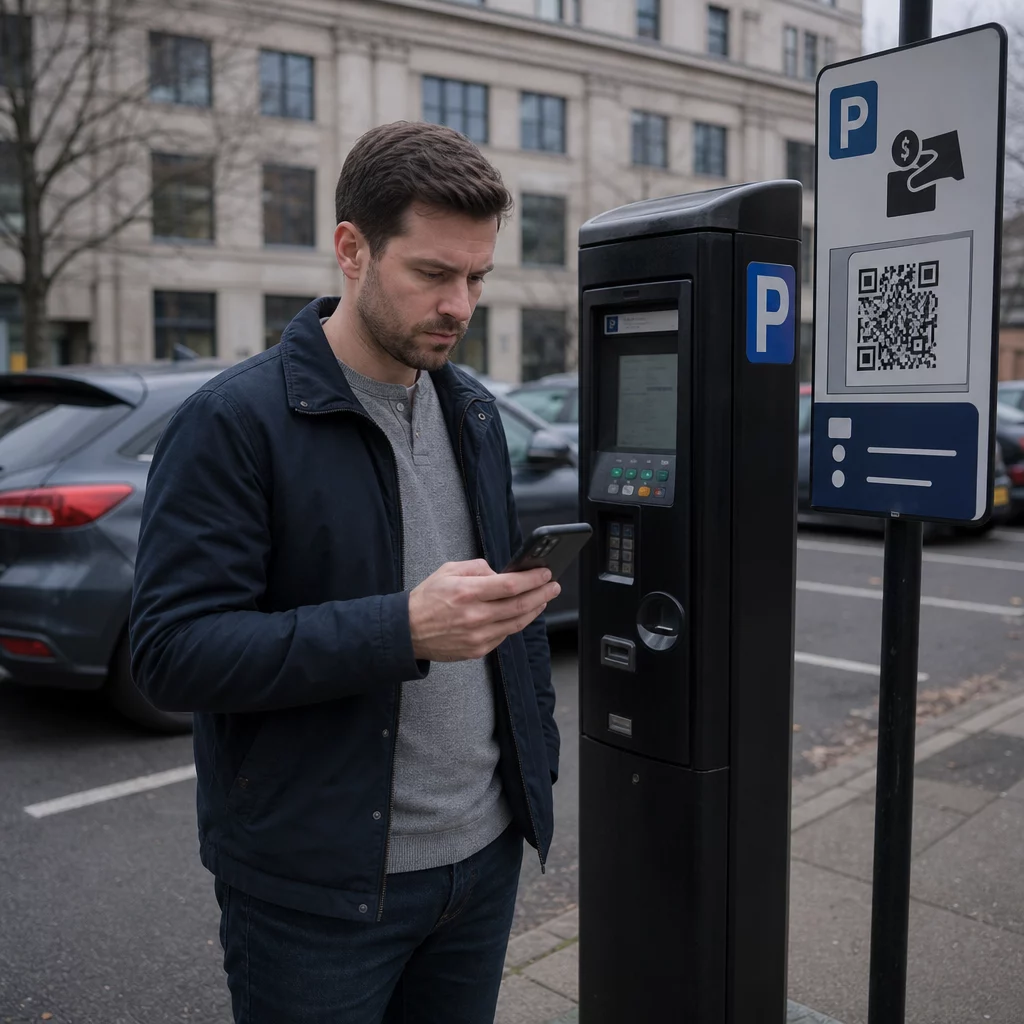
Είστε σίγουροι ότι ο κωδικός QR στο παρκόμετρο είναι νόμιμος; Ψεύτικα αυτοκόλλητα κωδικών QR που τοποθετούνται σε μηχανήματα στάθμευσης και πινακίδες κλέβουν στοιχεία καρτών από χιλιάδες οδηγούς στο Ηνωμένο Βασίλειο – και οι απάτες εξαπλώνονται γρήγορα. Αυτός ο οδηγός εξηγεί ακριβώς πώς λειτουργούν αυτές οι απάτες, ποια προειδοποιητικά σημάδια πρέπει να αναζητήσετε και τα πρακτικά βήματα που μπορείτε να ακολουθήσετε για να προστατευτείτε.
Πώς λειτουργεί η απάτη με τον κωδικό QR στάθμευσης στο Ηνωμένο Βασίλειο
Η τεχνική απάτης είναι γνωστή ως “quishing” – μια σύνθετη λέξη από το QR code και το phishing. Οι εγκληματίες εκτυπώνουν ψεύτικα αυτοκόλλητα κωδικών QR και τα τοποθετούν απευθείας πάνω ή δίπλα σε νόμιμες πινακίδες σε μηχανήματα έκδοσης εισιτηρίων στάθμευσης, μπάρες χώρων στάθμευσης και πινακίδες πληρωμής. Σύμφωνα με έρευνα του Freedom of Information, 123 από τις 373 τοπικές αρχές του Ηνωμένου Βασιλείου ανέφεραν ότι οι χώροι στάθμευσής τους είχαν στοχοποιηθεί μέσα σε ένα μόνο έτος, με το Δημοτικό Συμβούλιο του Σέφιλντ μόνο να αναφέρει ότι και τα 370 μηχανήματα έκδοσης εισιτηρίων στάθμευσης είχαν επηρεαστεί.
Όταν ένας οδηγός σαρώνει τον ψεύτικο κωδικό, ανακατευθύνεται σε έναν πειστικό αλλά δόλιο ιστότοπο που μιμείται μια πραγματική πλατφόρμα πληρωμής στάθμευσης. Ο ιστότοπος συνήθως εμφανίζει οικεία επωνυμία – λογότυπα, χρώματα και διατάξεις αντιγραμμένα από νόμιμες υπηρεσίες όπως το PayByPhone – για να δημιουργήσει μια ψευδαίσθηση αυθεντικότητας. Μόλις τα θύματα εισάγουν τα στοιχεία της κάρτας πληρωμής τους, οι εγκληματίες καταγράφουν αυτές τις πληροφορίες και τις χρησιμοποιούν για να πραγματοποιήσουν μη εξουσιοδοτημένες αναλήψεις.
Η απάτη δεν σταματά σε μία μόνο κλεμμένη πληρωμή. Οι αναφορές περιγράφουν ένα επαναλαμβανόμενο μοτίβο στο οποίο μια αρχική μικρή χρέωση “στάθμευσης” ακολουθείται από μεγαλύτερες επαναλαμβανόμενες αναλήψεις που χρεώνονται ως ψεύτικες διαδικτυακές συνδρομές. Η Action Fraud έλαβε σχεδόν 800 αναφορές απάτης με QR τους 12 μήνες έως τον Απρίλιο του 2025, με συνολικές απώλειες περίπου 3,5 εκατομμυρίων λιρών.
Οι οδηγοί αντιμετωπίζουν διπλό κίνδυνο: όχι μόνο τα οικονομικά τους στοιχεία παραδίδονται απευθείας στους απατεώνες, αλλά επειδή δεν έχουν πληρώσει μέσω επίσημων καναλιών, ενδέχεται επίσης να λάβουν μια νόμιμη Ειδοποίηση Επιβολής Ποινής για μη πληρωμή.
Ποιες περιοχές και τοποθεσίες έχουν στοχοποιηθεί
Απάτες με κωδικούς QR στάθμευσης έχουν αναφερθεί σε πόλεις και κωμοπόλεις σε όλο το Ηνωμένο Βασίλειο, συμπεριλαμβανομένων της Υόρκης, του Βασιλικού Δήμου του Κένσινγκτον και Τσέλσι του Λονδίνου, της περιοχής West Bay του Ντόρσετ και πολλών άλλων. Το Δημοτικό Συμβούλιο της Πόλης της Υόρκης επιβεβαίωσε ότι επηρεάστηκαν πολλοί χώροι στάθμευσης – μεταξύ αυτών οι Castle, Nunnery Lane, St George’s Field, Bootham Row, Monk Bar, Marygate, Union Terrace και Bishopthorpe Road, με ορισμένα θύματα να αναφέρουν ατομικές απώλειες έως και 400 λίρες.
Πέρα από τους δημοτικούς χώρους στάθμευσης, οι απατεώνες έχουν επίσης στοχοποιήσει πάνω από 20 χώρους στάθμευσης νοσοκομείων στο Ηνωμένο Βασίλειο. Οπουδήποτε οι οδηγοί αντιμετωπίζουν πίεση χρόνου και βασίζονται σε γρήγορες μεθόδους πληρωμής θεωρείται πιθανός στόχος.
Προειδοποιητικά σημάδια ενός ψεύτικου κωδικού QR στάθμευσης
Το να γνωρίζετε τι να αναζητήσετε είναι η πρώτη σας γραμμή άμυνας. Προσέξτε αυτά τα προειδοποιητικά σημάδια πριν σαρώσετε οτιδήποτε:
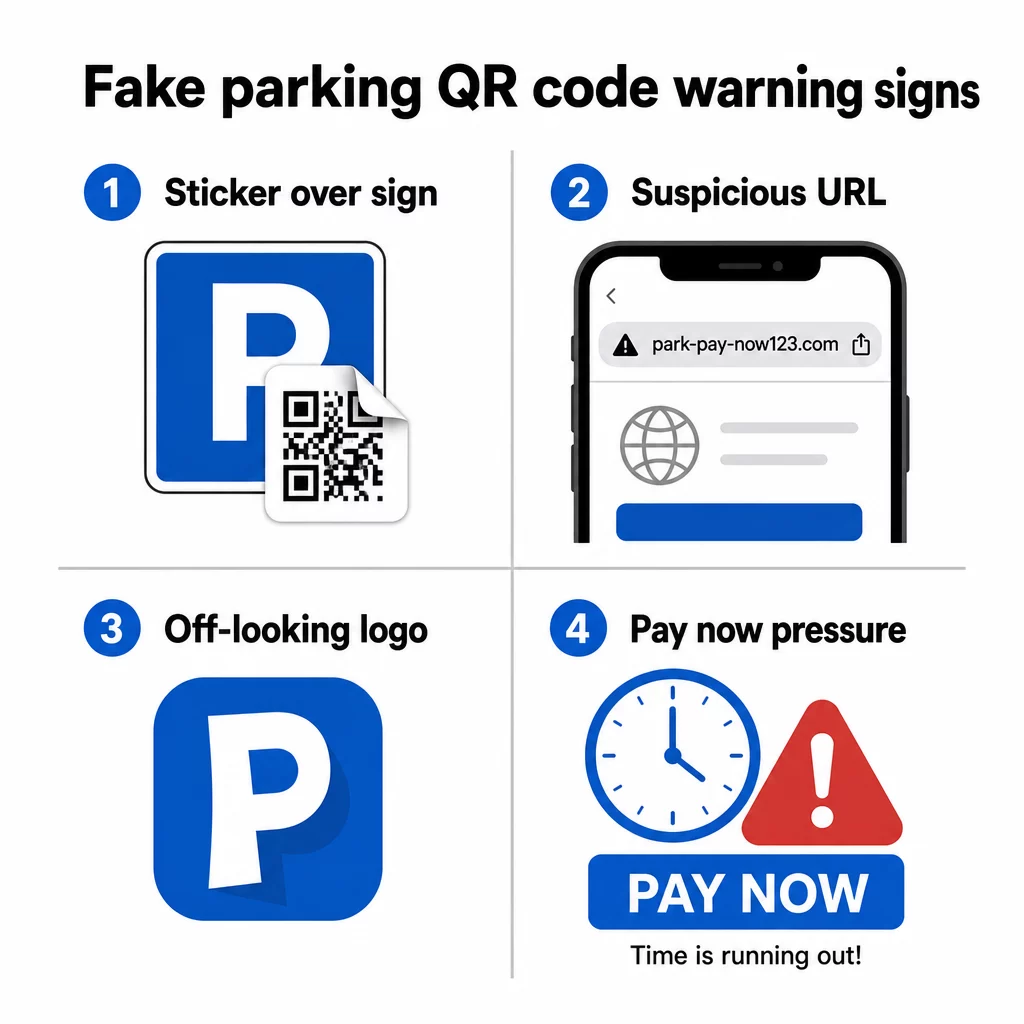
- Ένα αυτοκόλλητο κωδικού QR τοποθετημένο πάνω από υπάρχουσα σήμανση – οι νόμιμοι φορείς εκμετάλλευσης χώρων στάθμευσης εγκαθιστούν τη σήμανση επαγγελματικά· ένα επικαλυπτόμενο αυτοκόλλητο είναι ισχυρή ένδειξη παραποίησης
- Κωδικοί QR σε συμβούλια ή φορείς που δεν τους χρησιμοποιούν – Το Συμβούλιο του Κένσινγκτον και Τσέλσι, το Συμβούλιο του Ντόρσετ και πολλά άλλα έχουν δηλώσει ρητά ότι τα συστήματα στάθμευσής τους δεν χρησιμοποιούν καθόλου κωδικούς QR. Οποιοσδήποτε κωδικός QR σε αυτές τις τοποθεσίες οδηγεί σε απατεώνες.
- Λογότυπα που φαίνονται ελαφρώς διαφορετικά – τα δόλια αυτοκόλλητα συχνά αντιγράφουν την επωνυμία υπηρεσιών όπως το PayByPhone, αλλά η ποιότητα εκτύπωσης ή οι αναλογίες του λογότυπου μπορεί να είναι ασυνεπείς
- Μια διεύθυνση URL που δεν ταιριάζει με την επίσημη υπηρεσία – πριν ανοίξετε οποιονδήποτε σύνδεσμο, κάντε προεπισκόπηση της διεύθυνσης προορισμού. Οι νόμιμες υπηρεσίες στάθμευσης χρησιμοποιούν αναγνωρίσιμους, επίσημους τομείς (και οι επίσημες σελίδες των συμβουλίων περιέχουν πάντα “gov.uk”)
- Αιτήματα πληρωμής μέσω άγνωστης ιστοσελίδας – εάν ο ιστότοπος στον οποίο καταλήγετε ζητά στοιχεία κάρτας αλλά η διεύθυνση URL δεν ταιριάζει με την εφαρμογή ή την υπηρεσία που περιμένατε, κλείστε τον αμέσως
Ο John Wilmot, διευθύνων σύμβουλος της ιστοσελίδας σύγκρισης μισθώσεων αυτοκινήτων LeaseLoco, το έθεσε απλά: “Πολλές από αυτές τις απάτες θα σας παροτρύνουν να πληρώσετε γρήγορα ένα τέλος για να αποφύγετε μεγαλύτερα πρόστιμα. Όταν βλέπουμε κάτι τέτοιο, συχνά βιαζόμαστε να ολοκληρώσουμε την πληρωμή αντί να σταματήσουμε και να ελέγξουμε τη νομιμότητα του μηνύματος ή της επιστολής.”
Αυτή η επείγουσα ανάγκη είναι κατασκευασμένη. Αρκούν 30 δευτερόλεπτα ελέγχου πριν σαρώσετε για να αποφύγετε τις περισσότερες από αυτές τις επιθέσεις.
Πώς να πληρώσετε για τη στάθμευση με ασφάλεια
Η ασφαλέστερη προσέγγιση είναι να αποφεύγετε εντελώς τη σάρωση κωδικών QR σε μηχανήματα στάθμευσης, και πολλά συμβούλια του Ηνωμένου Βασιλείου και οργανώσεις καταναλωτών συνιστούν πλέον ακριβώς αυτό.
- Κατεβάστε την επίσημη εφαρμογή στάθμευσης πριν τη χρειαστείτε – εφαρμογές όπως το RingGo και το PayByPhone είναι η προβλεπόμενη μέθοδος πληρωμής για τα περισσότερα πάρκινγκ του Ηνωμένου Βασιλείου. Ρυθμίστε τις στο σπίτι ώστε να μην βιάζεστε στο μηχάνημα.
- Πληρώστε μέσω τηλεφώνου, μηνύματος ή PayPoint – τα περισσότερα συμβούλια προσφέρουν πολλαπλές επιλογές πληρωμής. Χρησιμοποιήστε μια επίσημη μέθοδο που δεν απαιτεί σάρωση κωδικού επί τόπου.
- Πληκτρολογήστε τη διεύθυνση URL απευθείας – αν ένας ιστότοπος πληρωμών είναι τυπωμένος στην πινακίδα ως κείμενο, πληκτρολογήστε τον στον περιηγητή σας χειροκίνητα αντί να βασίζεστε σε έναν κωδικό QR για να σας ανακατευθύνει
- Ελέγξτε για φυσική παραποίηση – περάστε το δάχτυλό σας πάνω από την πινακίδα· μια ανασηκωμένη άκρη αυτοκόλλητου είναι σημάδι ότι κάτι έχει τοποθετηθεί πάνω από την αρχική επιφάνεια
- Προεπισκόπηση της διεύθυνσης URL πριν την ακολουθήσετε – η ενσωματωμένη εφαρμογή κάμερας του τηλεφώνου σας θα σας δείξει τη διεύθυνση προορισμού πριν την ανοίξετε· αν κάτι φαίνεται ύποπτο, μην προχωρήσετε
- Χρησιμοποιήστε την ενσωματωμένη κάμερα του τηλεφώνου σας αντί για μια εφαρμογή σάρωσης τρίτου μέρους – ξεχωριστές εφαρμογές σάρωσης κωδικών QR μπορούν να αυξήσουν τον κίνδυνο κακόβουλου λογισμικού ή παραπλανητικών ανακατευθύνσεων
Σαρώστε κωδικούς QR με μεγαλύτερη ασφάλεια Δεν είστε σίγουροι αν ένας κωδικός QR είναι νόμιμος πριν τον σαρώσετε; Χρησιμοποιήστε το δωρεάν online σαρωτή κωδικών QR για να αποκωδικοποιήσετε έναν κωδικό από μια ανεβασμένη εικόνα και να ελέγξετε τη διεύθυνση URL προορισμού πριν την επισκεφτείτε.
Τι να κάνετε αν έχετε ήδη σαρώσει έναν ψεύτικο κωδικό
Αν εισαγάγατε στοιχεία κάρτας σε έναν ιστότοπο που προσπελάστηκε μέσω ενός ύποπτου κωδικού QR, ενεργήστε γρήγορα:
- Επικοινωνήστε αμέσως με την τράπεζά σας – αναφέρετε τη συναλλαγή ως απάτη και ζητήστε νέα κάρτα· οι περισσότερες τράπεζες του Ηνωμένου Βασιλείου θα επιστρέψουν μη εξουσιοδοτημένες πληρωμές όταν αναφερθούν άμεσα
- Αναφέρετε στην Action Fraud – η εθνική υπηρεσία αναφοράς απάτης του Ηνωμένου Βασιλείου (actionfraud.police.uk) χειρίζεται απάτες με κωδικούς QR και ηλεκτρονικές πληρωμές
- Αναφορά στο Εθνικό Κέντρο Κυβερνοασφάλειας – ύποπτες ιστοσελίδες απάτης μπορούν να αναφερθούν στο report.ncsc.gov.uk
- Ενημερώστε τον δήμο ή τον διαχειριστή στάθμευσης – ενημερώστε τον τοπικό σας δήμο ώστε να αφαιρέσουν τα ψεύτικα αυτοκόλλητα και να προειδοποιήσουν άλλους οδηγούς· θα πρέπει επίσης να το αναφέρετε στην αστυνομία
- Ελέγξτε τις κινήσεις σας – παρακολουθήστε τον λογαριασμό σας τις επόμενες εβδομάδες για τυχόν επαναλαμβανόμενες χρεώσεις από άγνωστες υπηρεσίες συνδρομής
Η απάτη με το ψεύτικο μήνυμα κλήσης στάθμευσης
Μια σχετική απάτη περιλαμβάνει μηνύματα κειμένου ή email που ισχυρίζονται ότι οι οδηγοί έχουν λάβει μια απλήρωτη κλήση στάθμευσης, με έναν σύνδεσμο ή κωδικό QR που οδηγεί σε έναν ψεύτικο ιστότοπο πληρωμής. Το Δημοτικό Συμβούλιο του Rugby έχει προειδοποιήσει τους κατοίκους για μηνύματα αυτού του είδους, τα οποία μιμούνται επίσημες κυβερνητικές επικοινωνίες αλλά φιλοξενούνται σε άσχετους τομείς.
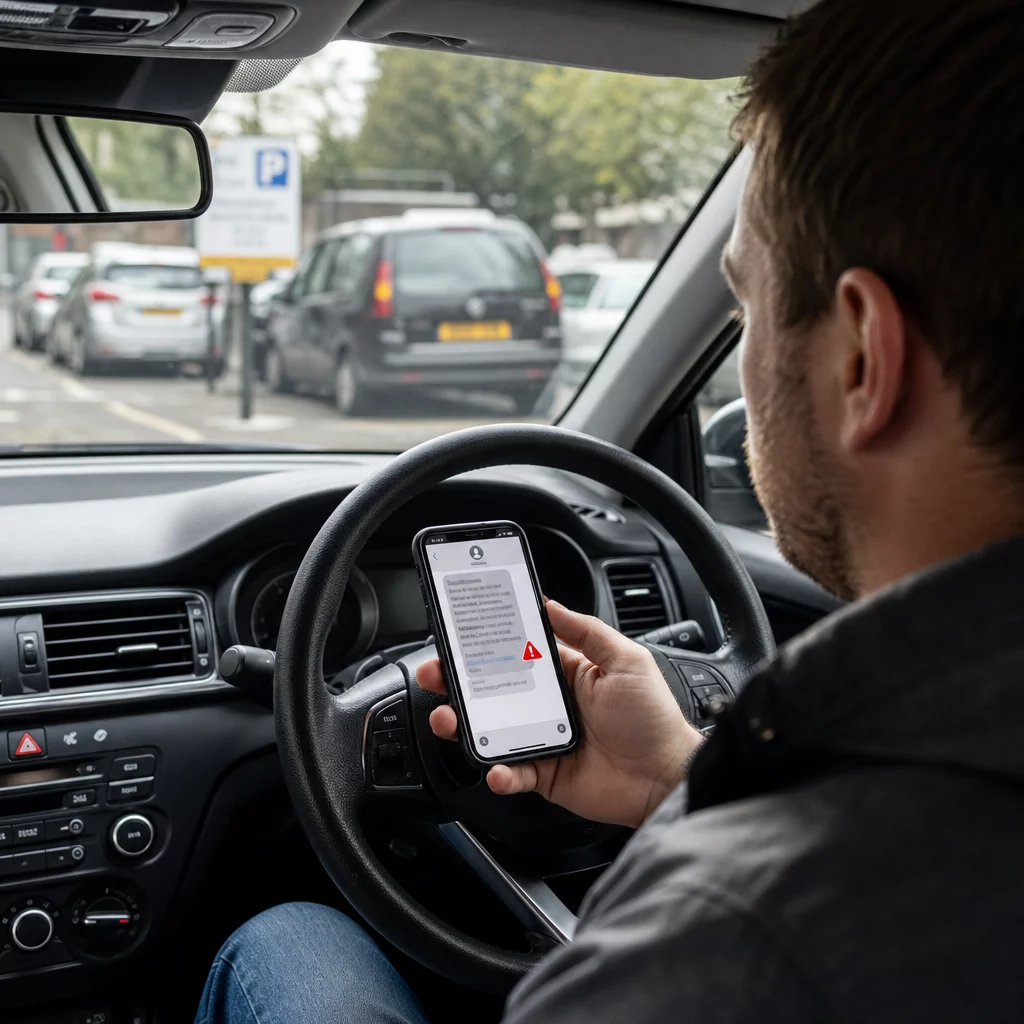
Το Δημοτικό Συμβούλιο της Πόλης της Υόρκης και άλλες αρχές έχουν επιβεβαιώσει ότι οι νόμιμες Ειδοποιήσεις Επιβολής Ποινής είναι ποτέ δεν εκδίδονται μέσω μηνύματος κειμένου. Οι επίσημες ΕΕΠ είτε επικολλώνται στο όχημα, είτε παραδίδονται στον οδηγό αυτοπροσώπως, είτε αποστέλλονται ταχυδρομικώς στον εγγεγραμμένο ιδιοκτήτη του οχήματος. Οποιοδήποτε μήνυμα απαιτεί άμεση πληρωμή κλήσης στάθμευσης θα πρέπει να αντιμετωπίζεται ως δόλιο έως ότου επαληθευτεί μέσω επίσημων καναλιών. Εάν έχετε αμφιβολίες, επικοινωνήστε απευθείας με το τμήμα στάθμευσης του τοπικού σας δήμου χρησιμοποιώντας τον αριθμό που αναγράφεται στην επίσημη ιστοσελίδα τους.
Γιατί αυτές οι απάτες είναι δύσκολο να εντοπιστούν
Ένα μέρος αυτού που καθιστά την απάτη με κωδικούς QR στάθμευσης τόσο αποτελεσματική είναι ότι οι κίνδυνοι πληρωμής με κωδικό QR δεν είναι εμφανείς με την πρώτη ματιά. Σε αντίθεση με ένα ύποπτο email όπου μπορείτε να τοποθετήσετε τον κέρσορα πάνω από έναν σύνδεσμο, ένας κωδικός QR δεν σας δίνει ορατές πληροφορίες για τον προορισμό του παρά μόνο αφού τον σαρώσετε. Έρευνα που αναφέρεται από την Pageloot δείχνει ότι σχεδόν το 21% όλων των σαρωμένων κωδικών QR είναι κακόβουλοι, και το quishing αποτελούσε το 51% όλων των επιθέσεων phishing το 2023.
Οι απατεώνες εκμεταλλεύονται αυτή την αδιαφάνεια σκόπιμα. Οι κλωνοποιημένοι ιστότοποι που δημιουργούν είναι συχνά οπτικά πανομοιότυποι με νόμιμες υπηρεσίες, με τη μόνη διαφορά να είναι το όνομα τομέα – κάτι που οι περισσότεροι άνθρωποι δεν ελέγχουν προσεκτικά όταν βιάζονται να πληρώσουν για τη στάθμευση πριν τελειώσει ο χρόνος τους.
Κατανόηση τους κινδύνους απορρήτου των κωδικών QR πιο γενικά μπορεί να σας βοηθήσει να αναπτύξετε καλύτερες συνήθειες σάρωσης σε καθημερινές καταστάσεις, όχι μόνο σε μηχανήματα στάθμευσης.
Τι κάνουν διαφορετικά οι νόμιμες επιχειρήσεις
Αξίζει να κατανοήσετε πώς μοιάζουν οι αξιόπιστες εφαρμογές κωδικών QR, ώστε να μπορείτε να εντοπίσετε την αντίθεση όταν κάτι δεν πάει καλά. Οι νόμιμες επιχειρήσεις και οι δήμοι που χρησιμοποιούν κωδικούς QR για πληρωμές ή πληροφορίες:
- Χρησιμοποιούν επαγγελματικά τυπωμένες πινακίδες, όχι αυτοκόλλητα που εφαρμόζονται με το χέρι
- Συνδέονται με τομείς που ταιριάζουν με τον επίσημο ιστότοπό τους ή με έναν γνωστό, επώνυμο πάροχο πληρωμών
- Δεν σας πιέζουν να σαρώσετε έναν κωδικό QR ως τη μοναδική επιλογή πληρωμής
- Παρέχουν σαφώς ορατές εναλλακτικές μεθόδους πληρωμής παράλληλα με οποιονδήποτε κωδικό QR
Οι οργανισμοί που αναπτύσσουν κωδικούς QR υπεύθυνα χρησιμοποιούν επίσης δυναμικοί κωδικοί QR αντί για στατικούς. Οι δυναμικοί κωδικοί μπορούν να ενημερωθούν, να παρακολουθούνται για ασυνήθιστη δραστηριότητα και να απενεργοποιηθούν αμέσως εάν εντοπιστεί παραβίαση – κάτι που οι στατικοί κωδικοί αυτοκόλλητων δεν μπορούν να κάνουν. Εάν είστε επιχείρηση που αναπτύσσει κωδικούς QR σε δημόσιους χώρους, η κατανόηση βέλτιστων πρακτικών για την ασφάλεια των κωδικών QR είναι απαραίτητη για την προστασία των πελατών σας.
Προστατέψτε τους πελάτες της επιχείρησής σας από απάτες με QR Εάν η επιχείρησή σας χρησιμοποιεί κωδικούς QR σε πινακίδες, μενού ή σημεία πληρωμής, οι δυναμικοί κωδικοί σάς επιτρέπουν να παρακολουθείτε τη δραστηριότητα σάρωσης και να απενεργοποιείτε άμεσα τους παραβιασμένους κωδικούς. Μάθετε περισσότερα σχετικά με πώς να προστατεύσετε την επιχείρησή σας από απάτες με κωδικούς QR και εξερευνήστε το Γεννήτρια κωδικών QR Pageloot για να δημιουργήσετε ασφαλείς, ανιχνεύσιμους κωδικούς που οι πελάτες σας μπορούν να εμπιστευτούν.
Παραμένοντας Ασφαλείς στο Μηχάνημα Στάθμευσης
Ο βασικός κανόνας είναι απλός: μη σαρώνετε κωδικούς QR σε μηχανήματα στάθμευσης. Χρησιμοποιήστε την επίσημη εφαρμογή, καλέστε τον αριθμό στην πινακίδα, ή πληρώστε σε ένα PayPoint. Εάν σαρώνετε έναν κωδικό οπουδήποτε δημόσια, πάντα να προεπισκοπείτε τη διεύθυνση URL προορισμού στην κάμερα του τηλεφώνου σας πριν πατήσετε για να προχωρήσετε, ελέγξτε για φυσική παραποίηση, και εμπιστευτείτε το ένστικτό σας αν κάτι φαίνεται λάθος.
Αφιερώνοντας λίγο χρόνο για να επαληθεύσετε πριν πληρώσετε μπορεί να αποτρέψει απώλειες που, σε ορισμένες περιπτώσεις, έχουν φτάσει εκατοντάδες λίρες – και να προστατεύσει τα στοιχεία της κάρτας σας από το να χρησιμοποιηθούν σε επαναλαμβανόμενες δόλιες χρεώσεις πολύ μετά το αρχικό περιστατικό.
Συχνές ερωτήσεις
Αναζητήστε αυτοκόλλητα που φαίνεται να έχουν τοποθετηθεί πάνω από υπάρχουσες πινακίδες, λογότυπα με κακή ευθυγράμμιση ή χαμηλής ποιότητας εκτύπωση, και οποιονδήποτε κωδικό που εμφανίζεται σε εξοπλισμό που ανήκει σε δήμο ή φορέα που δεν χρησιμοποιεί επίσημα κωδικούς QR για πληρωμή. Πριν σαρώσετε οτιδήποτε, χρησιμοποιήστε την εγγενή κάμερα του τηλεφώνου σας για να προεπισκοπήσετε τη διεύθυνση URL προορισμού – εάν η διεύθυνση δεν ταιριάζει με την επίσημη υπηρεσία στάθμευσης, μην προχωρήσετε.
Επικοινωνήστε αμέσως με την τράπεζά σας για να αναφέρετε απάτη και να ζητήσετε αντικατάσταση κάρτας. Υποβάλετε αναφορά στην Action Fraud (actionfraud.police.uk) και αναφέρετε τον ιστότοπο απάτης στο Εθνικό Κέντρο Κυβερνοασφάλειας στη διεύθυνση report.ncsc.gov.uk. Επίσης, ενημερώστε τον τοπικό σας δήμο ώστε να αφαιρεθεί το ψεύτικο αυτοκόλλητο. Παρακολουθήστε στενά τις κινήσεις του τραπεζικού σας λογαριασμού τις επόμενες εβδομάδες για τυχόν απροσδόκητες χρεώσεις συνδρομών.
Η ασφαλέστερη προσέγγιση που συνιστάται από πολλούς δήμους του Ηνωμένου Βασιλείου και οργανώσεις καταναλωτών είναι να αποφεύγετε εντελώς τη χρήση κωδικών QR σε μηχανήματα στάθμευσης και αντ' αυτού να πληρώνετε μέσω της επίσημης εφαρμογής στάθμευσης, τηλεφώνου ή υπηρεσίας πληρωμής με μήνυμα. Εάν χρησιμοποιήσετε έναν κωδικό QR, να επαληθεύετε πάντα τη διεύθυνση URL προορισμού πριν ολοκληρώσετε οποιαδήποτε πληρωμή, και να ελέγχετε προσεκτικά την σήμανση για σημάδια παραποίησης.