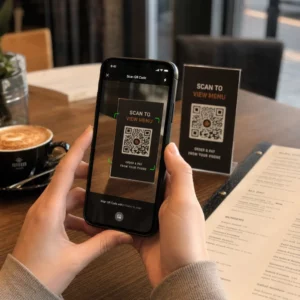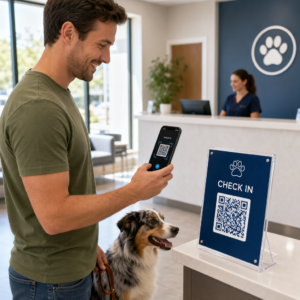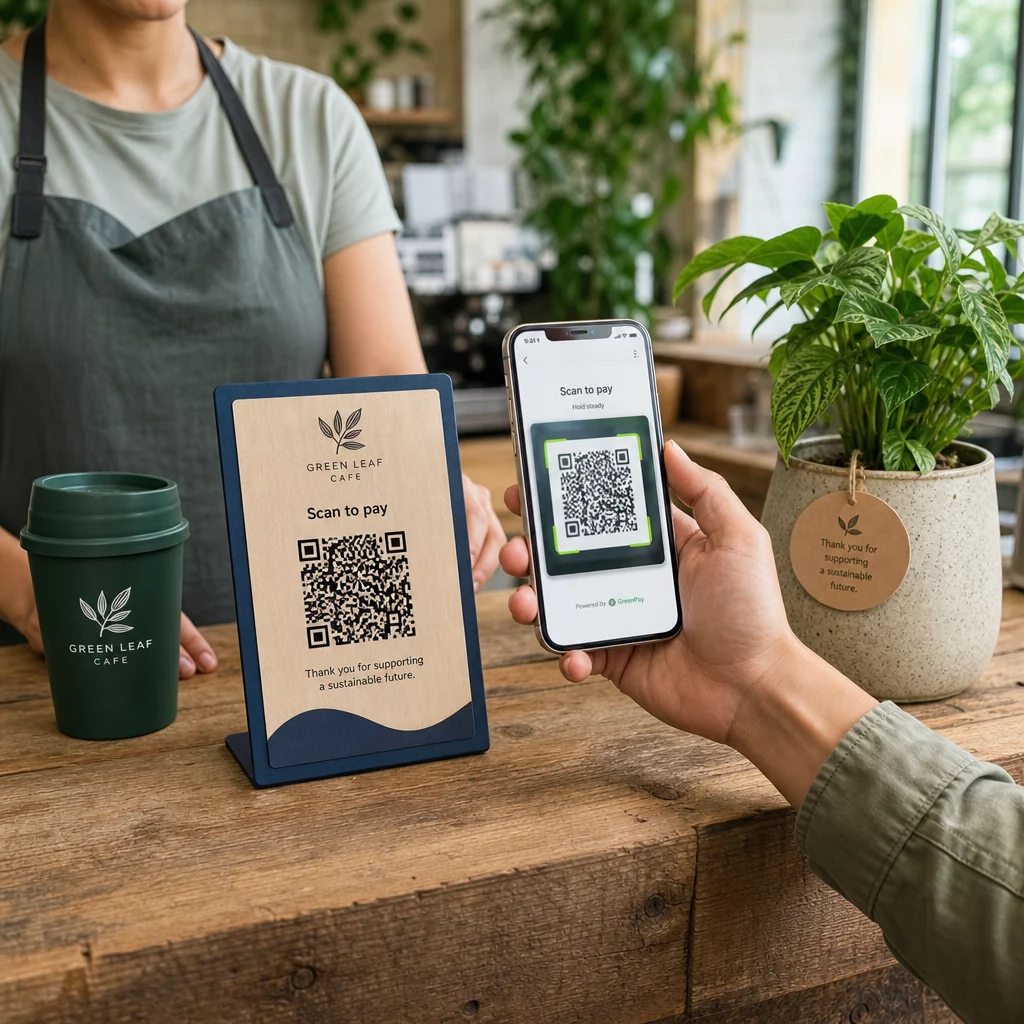
Arbeiten Ihre Zahlungsprozesse stillschweigend gegen Ihre Nachhaltigkeitsziele? Papierrechnungen, gedruckte Speisekarten und die Infrastruktur für Plastikkarten summieren sich zu einem erheblichen ökologischen Fußabdruck – einem, der zunehmend im Widerspruch zu dem steht, was umweltbewusste Kunden erwarten. Dieser Leitfaden erklärt, wie QR-Code-Zahlungen umweltfreundlichen Unternehmen helfen, physischen Abfall zu reduzieren, den Ressourcenverbrauch zu senken und ihr Kassenerlebnis an ihre Umweltwerte anzupassen.
Die Umweltkosten traditioneller Zahlungssysteme
Bevor wir die Lösung erkunden, ist es hilfreich, das Ausmaß des Problems zu verstehen. In den Vereinigten Staaten verbraucht allein die Produktion von Papierrechnungen jährlich über drei Millionen Bäume und fast neun Milliarden Gallonen Wasser, erzeugt fast 300 Millionen Pfund Festmüll und verursacht Treibhausgasemissionen, die jährlich über 400.000 Autos auf der Straße entsprechen.
Das Problem geht über das Volumen hinaus. Schätzungsweise 93 % der Papierrechnungen sind mit Bisphenol-A (BPA) oder Bisphenol-S (BPS) beschichtet – endokrin wirksamen Chemikalien, die diese Belege auch nicht recycelbar machen. Sie landen direkt auf der Mülldeponie.
Physische Bargeld- und Karteninfrastruktur verursachen weitere Kosten. Geldautomaten laufen kontinuierlich, der Transport von Bargeld erzeugt Logistikemissionen, und Plastikzahlungskarten tragen erdölbasierten Abfall zum Abfallstrom bei. QR-Code-Zahlungen adressieren all diese Druckpunkte in einem einzigen Schritt.
Wie QR-Code-Zahlungen Papier- und Materialabfall reduzieren
Wenn ein Kunde einen QR-Code zum Bezahlen scannt, erfolgt die Transaktion vollständig auf seinem Smartphone. Es muss kein Beleg gedruckt werden. Es muss keine Plastikkarte durchgezogen werden. Es ist kein spezielles Kassenterminal erforderlich.
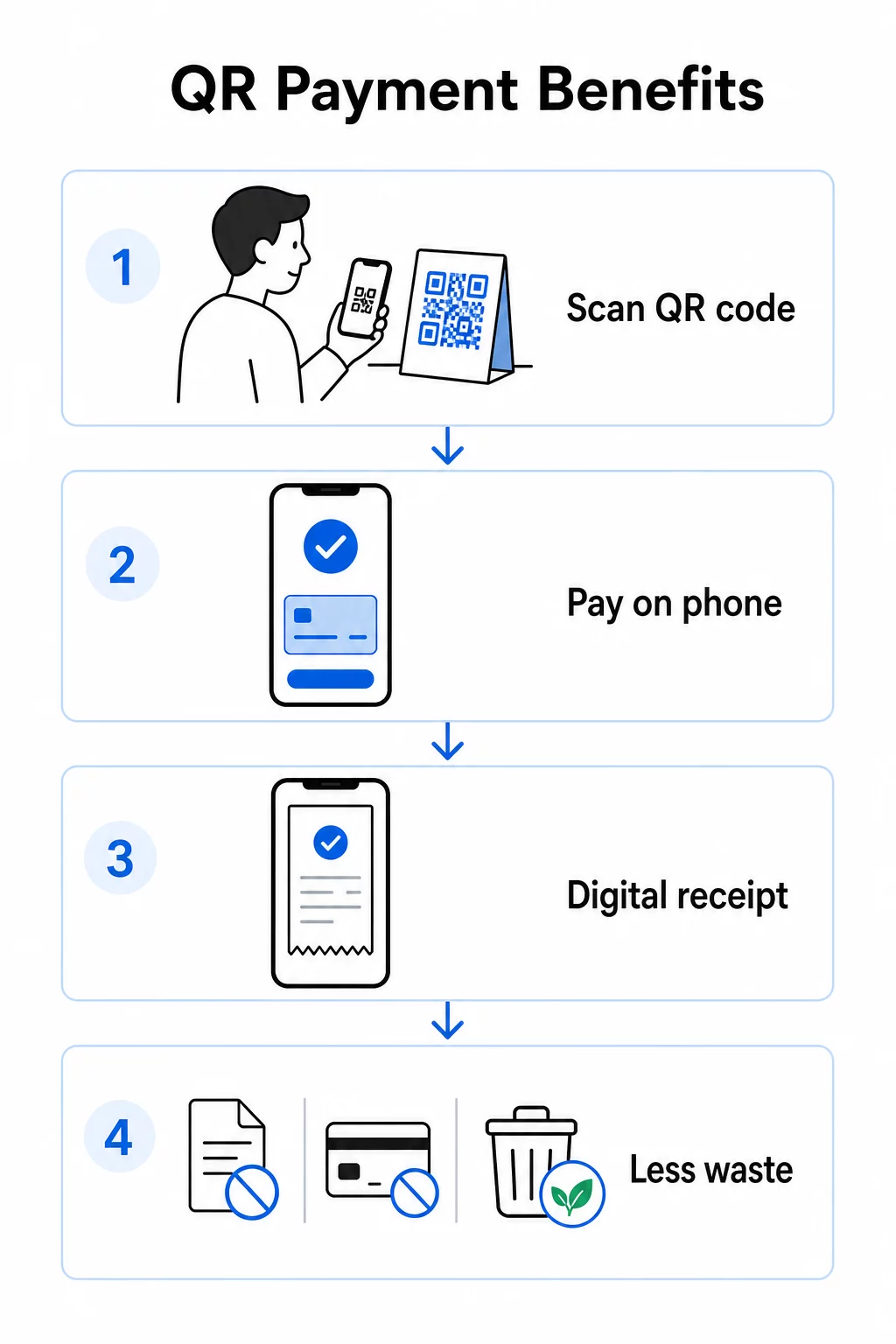
Dies ist an mehreren Berührungspunkten relevant:
- Quittungen – Digitale Transaktionsaufzeichnungen ersetzen BPA-beschichtetes Thermopapier und eliminieren sowohl den Abfall als auch die damit verbundene Gesundheitsgefährdung für Kassierer und Kunden.
- Speisekarten – Restaurants, die auf digitale QR-Code-Speisekarten umstellen, können Preise oder saisonale Artikel sofort aktualisieren, ohne neu drucken zu müssen. Ein Restaurant reduzierte den Papierverbrauch allein durch diese Umstellung um über 90 %.
- Werbematerialien – QR-Codes auf Beschilderungen oder Verpackungen können auf digitale Angebote, Tutorials oder Produktdetails verlinken, ohne dass bei jeder Inhaltsänderung neue Druckläufe erforderlich sind.
- Plastikkarten – Smartphone-basierte QR-Zahlungen reduzieren die Nachfrage nach Einweg-Plastikzahlungskarten, die typischerweise nicht recycelbar sind.
Das Ergebnis ist ein Zahlungssystem, das am Transaktionspunkt praktisch keinen Verbrauchsmüll erzeugt.
Bereit, Zahlungen ohne Papierkram zu akzeptieren? Erstellen Sie in wenigen Minuten einen gebrandeten, nachverfolgbaren Zahlungs-QR-Code mit dem PayPal QR-Code Generator und beginnen Sie noch heute, Papierrechnungen durch digitale Transaktionen zu ersetzen.
Statische vs. dynamische QR-Codes: Was ist das Richtige für umweltfreundliche Unternehmen?
Nicht alle QR-Codes bieten den gleichen Umweltvorteil. Das Verständnis des Unterschieds zwischen statischen und dynamischen Codes hilft Ihnen, das richtige Werkzeug zu wählen.
EIN statischer QR-Code speichert seine Ziel-URL dauerhaft im Code selbst. Wenn sich Ihr Zahlungslink oder Ihre Menü-URL ändert, müssen Sie den Code neu generieren und drucken. Für Unternehmen, die gerade erst mit QR-Zahlungen beginnen, sind statische Codes ein kostenloser, risikoarmer Einstiegspunkt – aber jedes Update erfordert neue Materialien.
EIN dynamischer QR-Code, speichert im Gegensatz dazu eine Weiterleitungs-URL, die Sie kontrollieren. Sie können den verknüpften Inhalt oder das Ziel jederzeit aktualisieren, selbst nachdem der Code gedruckt und verteilt wurde. Hier liegt der eigentliche Umweltvorteil: Ein gedruckter Code auf einem Tisch, einem Fenster oder einer Verpackung kann Ihrem Unternehmen unbegrenzt dienen, selbst wenn sich Aktionen ändern, Zahlungsanbieter wechseln oder Menüs weiterentwickeln.
Speziell für umweltfreundliche Unternehmen bedeuten dynamische Codes:
- Weniger Neudrucke bei Inhaltsänderungen
- Längere Nutzungsdauer für jedes gedruckte Material, das einen QR-Code trägt
- Reduzierte Kosten für Tinte, Papier und Design im Laufe der Zeit
Einen Code behalten, alles aktualisieren Mit Pageloots Dynamischer QR-Code Generator, können Sie ändern, wohin Ihr QR-Code zeigt, ohne ihn jemals neu drucken zu müssen – das reduziert Abfall und hält Ihre Zahlungsströme aktuell.
QR-Analysen nutzen, um Abfall weiter zu reduzieren
Dynamische QR-Codes bieten auch etwas, das statische Codes nicht bieten können: Tracking-Daten. QR-Code Analyse sagen Ihnen, wo Codes gescannt werden, wie oft, zu welchen Zeiten und auf welchen Geräten.
Für ein umweltbewusstes Unternehmen sind diese Daten praktisch nützlich. Wenn Analysen zeigen, dass ein QR-Code, der in Ihrem Schaufenster platziert ist, fast keine Scans erhält, während der an Ihrer Kasse Hunderte erhält, können Sie die Schaufensterbeschilderung vollständig eliminieren. Sie hören auf, Materialien zu drucken, die keine Leistung erbringen.
Dieser Ansatz gilt auch für Werbekampagnen. Anstatt große Druckauflagen zu starten und auf Ergebnisse zu hoffen, ermöglichen Ihnen QR-Analysen, das Engagement bei einem kleinen ersten Durchlauf zu messen und das zu skalieren, was funktioniert – wodurch der Abfall reduziert wird, der mit spekulativem Printmarketing verbunden ist.
Eliminierung von gedruckten Materialien über den Beleg hinaus
Der Nachhaltigkeitsaspekt von QR-Code-Zahlungen geht weit über den Ersatz von Belegen hinaus. Im Einzelhandel und in der Gastronomie nutzen Unternehmen QR-Codes, um ganze Kategorien von gedrucktem Material zu eliminieren.
Digitale Speisekarten und Produktinformationen
Restaurants, die QR-Code-Speisekarten verwenden, vermeiden die laufenden Kosten und den Abfall durch das Nachdrucken laminierter oder Papierspeisekarten jedes Mal, wenn sich Preise ändern oder Artikel wechseln. Ein einziger QR-Code auf einem Tischaufsteller verlinkt zu einer Live-Digital-Speisekarte, die in Echtzeit aktualisiert werden kann. Dieselbe Logik gilt für Einzelhändler: QR-Codes in Regalen oder auf Verpackungen können Produktdetails, die Herkunft der Zutaten oder Pflegehinweise anzeigen, ohne Einleger oder Anhänger zu drucken.
Marken wie Patagonia und Another Tomorrow haben diesen Ansatz übernommen und verwenden QR-Codes auf Produktetiketten, um Informationen zur Lieferkette, Umweltauswirkungsdaten und Recyclinganweisungen zu teilen – wodurch sperrige Papierbroschüren durch einen Scan ersetzt werden.
Digitale Gutscheine und Aktionen
Gedruckte Gutscheine werden in großen Mengen verteilt, von einem Bruchteil der Empfänger eingelöst und vom Rest weggeworfen. QR-verknüpfte digitale Gutscheine eliminieren die physische Verteilung vollständig. Sie können ohne neue Druckläufe aktualisiert, verfolgt und rotiert werden, und sie liefern Einlösungsdaten, die Papiergutscheine nicht bieten können.
Loyalitätsprogramme
Papier-Kundenkarten sind leicht zu verlieren und teuer in der Herstellung. Die Verknüpfung von QR-Code-Zahlungen mit einem digitalen Treueprogramm hält alles auf dem Telefon des Kunden, entfernt einen weiteren gedruckten Artikel aus dem Umlauf und liefert Unternehmen bessere Daten zum Kaufverhalten.
Vergleich von druckbasierten und QR-basierten Systemen
| FUNKTION | Traditionelle Drucksysteme | QR-basierte digitale Systeme |
|---|---|---|
| Wiederkehrende Kosten | Papier, Tinte, Design, Vertrieb | Geringe Abonnementkosten, minimaler Nachdruck |
| Flexibilität | Statisch; Aktualisierungen erfordern vollständige Nachdrucke | Dynamisch; Inhalte werden sofort aktualisiert |
| Materialverschwendung | Erhebliche Papier- und Tintenverschwendung | Nahezu keine Papierverschwendung bei der Transaktion |
| ANALYSE | Schwierig, das Engagement zu messen | Echtzeitdaten zu Scans, Standort, Gerät |
| Belegmaterialien | BPA-beschichtetes Thermopapier | Nur digital; kein physisches Material |
So starten Sie die Implementierung von QR-Zahlungen in einem umweltfreundlichen Unternehmen
Die Umstellung auf QR-basierte Zahlungen erfordert keine vollständige Überarbeitung der Infrastruktur. Hier ist ein praktischer Weg nach vorn:
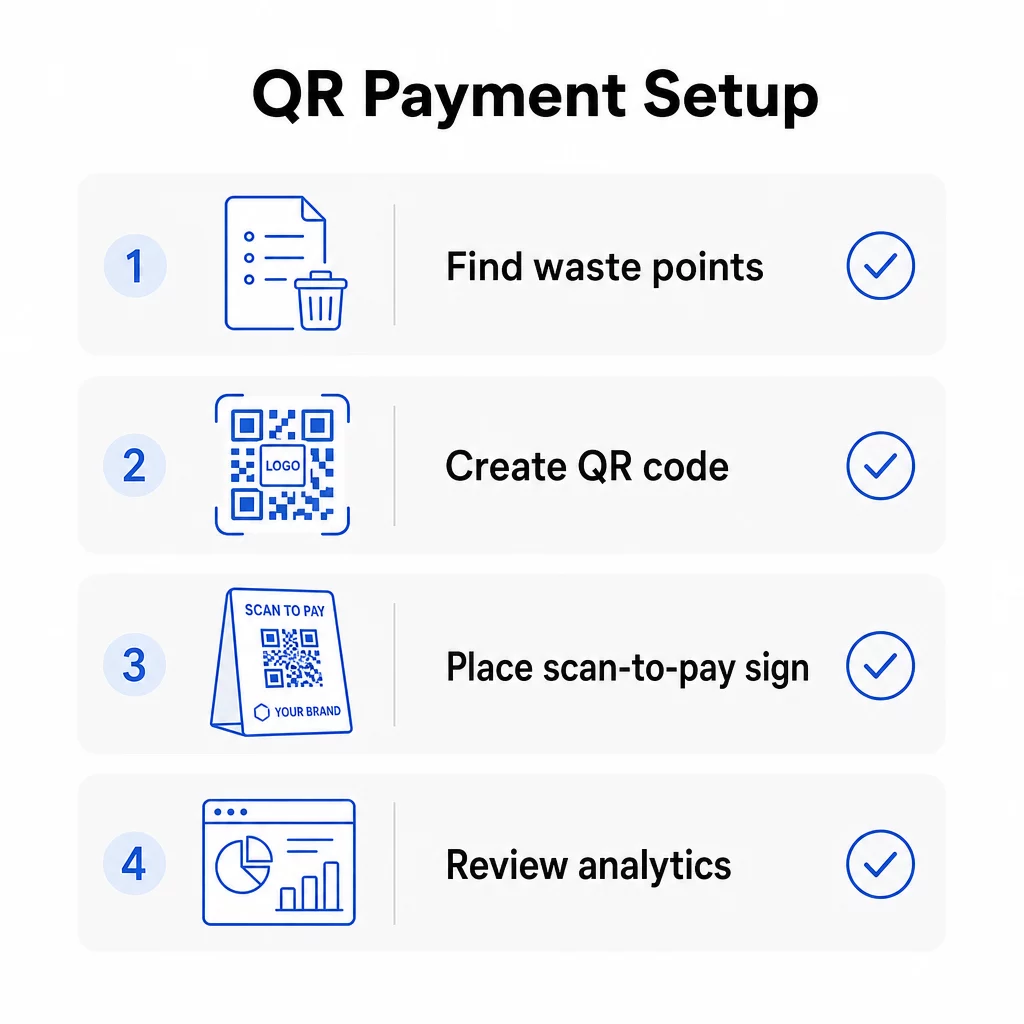
- Identifizieren Sie Ihre Berührungspunkte mit dem höchsten Abfallaufkommen. Belege, Speisekarten und Werbeflyer sind typischerweise die größten Quellen für Druckabfälle. Beginnen Sie dort.
- Beginnen Sie mit einem kostenlosen statischen QR-Code für einen festen Zahlungslink über einen Anbieter wie PayPal oder Stripe. So können Sie den Workflow mit Kunden testen, bevor Sie sich für einen kostenpflichtigen Plan entscheiden.
- Auf dynamische QR-Codes upgraden sobald Sie bereit sind, Echtzeit-Updates und Analysen hinzuzufügen. Tools wie die von Pageloot QR-Code-Generator unterstützen dynamische Codes mit integriertem Tracking.
- Codes für Klarheit anpassen. Fügen Sie Ihr Logo, Ihre Markenfarben und einen Call-to-Action-Rahmen wie “Scannen zum Bezahlen” oder “Scannen für Menü” hinzu. Marken-Codes werden häufiger gescannt und sind schwerer zu fälschen.
- Analysen zur Optimierung der Platzierung nutzen. Überprüfen Sie regelmäßig die Scan-Daten, um zu verstehen, welche physischen Kontaktpunkte funktionieren und welche nicht, und eliminieren Sie letztere.
- Wenn das Drucken unvermeidlich ist, verwenden Sie dynamische QR-Codes, damit der zugrunde liegende Inhalt ohne Neudruck geändert werden kann, wählen Sie recycelte Materialien und stellen Sie sicher, dass der Code mindestens 2 × 2 cm groß und kontrastreich gedruckt wird, um eine zuverlässige Scannbarkeit zu gewährleisten.
Für Unternehmen im Bereich Gastronomie und Hotellerie bietet der Leitfaden für QR-Code-Lösungen für kleine Unternehmen praktische Einrichtungsschritte für gängige Anwendungsfälle. Sie können auch erkunden, wie QR-Code-Zahlungen Sicherheit und Transaktionsgeschwindigkeit verbessern , um zu verstehen, wie diese Systeme Kundendaten schützen, ohne teure Hardware zu benötigen.
Die Zahlungsinfrastruktur an Ihre Markenwerte anpassen
Für umweltfreundliche Unternehmen ist das Zahlungserlebnis ein Markenkontaktpunkt. Die Wahl von kontaktlosen, papierlosen QR-Zahlungen signalisiert Ihr Engagement für Nachhaltigkeit im Moment der Transaktion – nicht nur in Marketingtexten. Kunden, denen Umweltverantwortung wichtig ist, bemerken diese Details, und Studien zeigen durchweg, dass ein wachsender Anteil der Verbraucher Nachhaltigkeit in ihre Kaufentscheidungen einbezieht.
Nachhaltigkeit im QR-Code-Marketing untersucht diese Ausrichtung genauer und behandelt, wie umweltbewusste Marken dynamische Codes nutzen, um Abfall in ihrem gesamten Marketing-Fußabdruck zu reduzieren – nicht nur an der Kasse.
QR-Zahlungen unterstützen auch die Art von Transparenz, die nachhaltigkeitsorientierte Kunden schätzen. Indem Sie QR-Codes mit Beschaffungsdaten, Recyclinganweisungen oder Umweltverträglichkeitsberichten verknüpfen – wie es Patagonia und andere Marken tun –, verwandeln Sie eine Zahlungs- oder Produktinteraktion in eine Gelegenheit, Ihre Nachhaltigkeitsgeschichte zu erzählen, ohne ein Wort davon zu drucken.
Die praktischen Schritte sind unkompliziert: Identifizieren Sie, wo Ihr Unternehmen im Zahlungs- und Marketingfluss den meisten Papier- und Plastikmüll produziert, ersetzen Sie diese Kontaktpunkte durch QR-basierte digitale Alternativen, verwenden Sie dynamische Codes, um die Lebensdauer von gedrucktem Material zu verlängern, das Sie produzieren, und verfolgen Sie die Leistung, um das zu eliminieren, was nicht funktioniert. Diese Kombination reduziert Ihren Ressourcenverbrauch, senkt die Betriebskosten und schafft die Art von Markenglaubwürdigkeit, die bei umweltbewussten Kunden Anklang findet.
Häufig gestellte Fragen
Die Reduzierung ist real und messbar. Papierbelege allein verbrauchen jährlich in den USA Millionen von Bäumen und Milliarden Gallonen Wasser, und die überwiegende Mehrheit ist mit BPA oder BPS beschichtet, was sie nicht recycelbar macht. Der Umstieg auf digitale Belege per QR-Code eliminiert diesen Abfall am Transaktionspunkt. Die Ausweitung von QR-Codes auf Speisekarten, Werbeaktionen und Treueprogramme entfernt zusätzliche gedruckte Materialien aus dem Umlauf. Der Nutzen vervielfacht sich, wenn Unternehmen dynamische QR-Codes verwenden, die ohne Neudruck aktualisiert werden können – was die Lebensdauer jedes physischen Materials verlängert, das den Code trägt.
Ein statischer QR-Code enthält eine feste URL oder einen Zahlungslink, der nach der Generierung des Codes nicht mehr geändert werden kann. Wenn sich Ihre Zahlungsdetails oder verknüpften Inhalte ändern, müssen Sie einen neuen Code erstellen und neu drucken. Ein dynamischer QR-Code speichert eine Weiterleitung, die Sie über eine Verwaltungsplattform steuern, sodass Sie die Ziel-URL jederzeit aktualisieren können, ohne den physischen Code zu ändern oder neu zu drucken. Für umweltfreundliche Unternehmen sind dynamische Codes die bessere Wahl, da sie den Austausch physischer Materialien drastisch reduzieren.
Der einfachste Ausgangspunkt ist die Generierung eines kostenlosen statischen QR-Codes, der mit einer Zahlungsseite eines Anbieters wie PayPal oder Stripe verknüpft ist. Dies erfordert keine spezielle Hardware – Kunden scannen mit ihrer Telefonkamera, werden zu einer Kassenseite weitergeleitet, und die Zahlung wird vom Anbieter abgewickelt. Sobald Sie mit dem Workflow vertraut sind, bietet ein Upgrade auf einen dynamischen QR-Code-Plan Echtzeit-Inhaltsbearbeitung und -Analysen, typischerweise für eine geringe monatliche Abonnementgebühr. Der QR-Code-Generator von Pageloot bietet beide Optionen und unterstützt die Anpassung mit Ihrem Logo und Ihren Markenfarben.