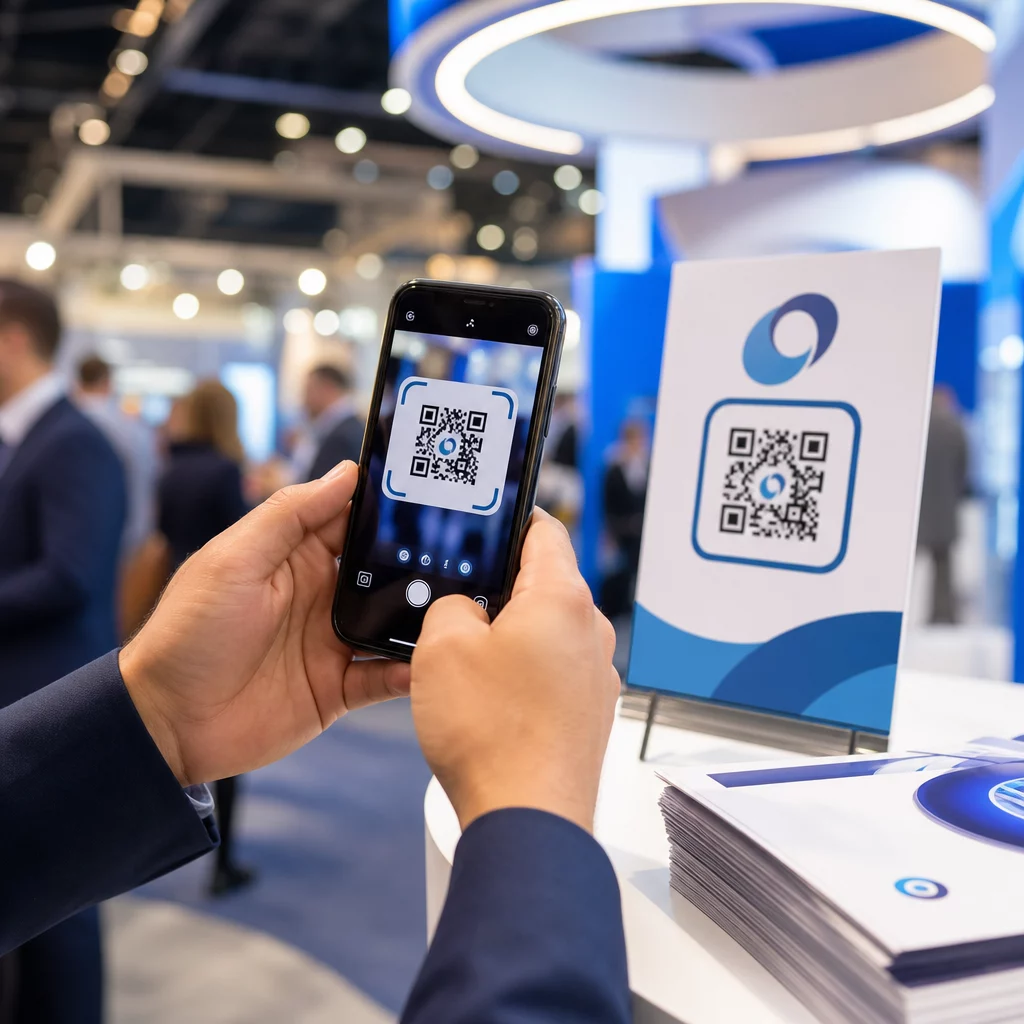
Reduziert der Umstieg auf QR-Codes tatsächlich den ökologischen Fußabdruck Ihres Marketings, oder ist es nur getarntes Greenwashing? Die Druckproduktion verursacht echte Ressourcenkosten – Papier, Tinte, Energie und Transport – und unnötige Nachdrucke verstärken diese Auswirkungen. Dieser Artikel erläutert, wie QR-Codes wirklich umweltfreundlichere Kampagnen unterstützen können, woher die tatsächlichen Einsparungen kommen und was vor dem Umstieg zu beachten ist.
Wie Druckmaterialien Marketingabfälle verursachen
Bevor man QR-Codes als Lösung bewertet, hilft es, das Problem zu verstehen. Gedruckte Marketingmaterialien – Broschüren, Speisekarten, Produktbeilagen, Veranstaltungsflyer und Beschilderungen – erfordern Papier, Tinte und Energie für die Produktion, Logistik für den Vertrieb und Abfallentsorgung, sobald sie entsorgt werden.
Die Papierindustrie ist nicht durchweg schädlich. Die American Forest & Paper Association berichtet, dass US-amerikanische Zellstoff- und Papierfabriken die kombinierten Scope-1- und Scope-2-Emissionen zwischen 2005 und 2022 um 36% reduziert haben und dass jährlich mehr als 1 Milliarde Bäume in den USA nachgepflanzt werden. Allerdings weisen der WWF und andere Umweltorganisationen darauf hin, dass globale Zellstoff- und Papierlieferketten weiterhin Treiber der Entwaldung in Regionen mit schwächerem Landesschutz sind. Mehrere Nachhaltigkeitsquellen stimmen in einem Punkt überein: Die Reduzierung der ursprünglich gedruckten Papiermenge ist der effektivste Schritt.
Genau hier schaffen QR-Codes direkten Mehrwert. Sie eliminieren den Druck nicht vollständig, aber sie reduzieren drastisch die Notwendigkeit des Nachdrucks – eine der größten Quellen vermeidbaren Abfalls im Marketing.
Das Umweltargument für dynamische QR-Codes
Der Umweltnutzen von QR-Codes ist nicht der Technologie selbst inhärent – er hängt davon ab, wie wie Sie sie verwenden. Ein statischer QR-Code, der auf einem Flyer gedruckt ist, der veraltet und entsorgt und neu gedruckt werden muss, bietet einen begrenzten Nachhaltigkeitsnutzen. Der wesentliche Gewinn kommt von dynamische QR-Codes, die den physischen Code von den Inhalten trennen, die er liefert.
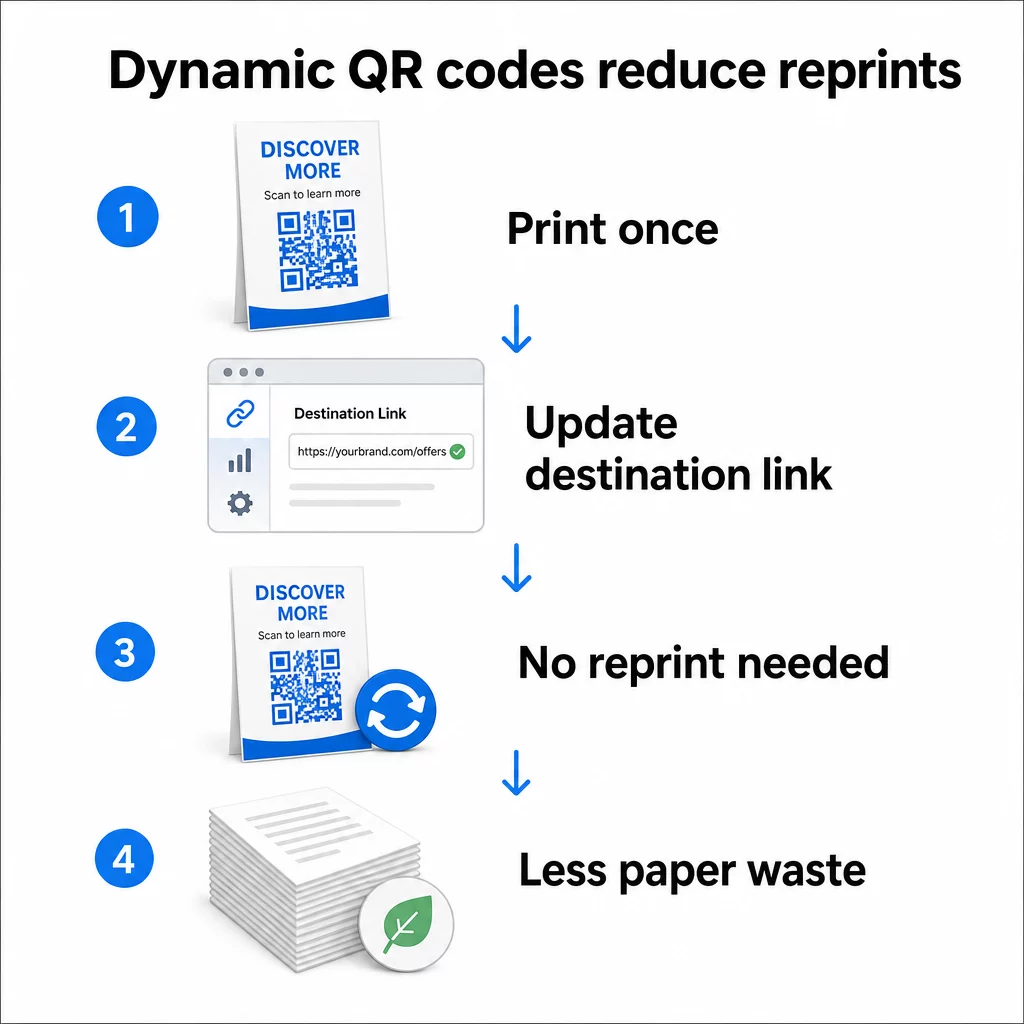
Mit einem dynamischer QR-Code, der gedruckte Code verweist auf einen Weiterleitungslink. Wenn Sie das Ziel aktualisieren müssen – einen Menüpreis ändern, einen Veranstaltungsplan aktualisieren oder eine Aktion auffrischen – ändern Sie den Link in Ihrem Dashboard. Das gedruckte Material bleibt im Umlauf. Nichts landet auf der Mülldeponie.
Diese einzige Funktion behebt die häufigste Ursache für Druckabfälle im Marketing: Informationen, die sich schneller ändern als die Materialien, auf denen sie gedruckt sind.
Praxisbeispiele veranschaulichen das Ausmaß des potenziellen Einflusses:
- Patagonia ersetzte gedruckte Pflegehinweise und Produktbeilagen durch QR-Codes auf ihren Verpackungen und sparte so schätzungsweise 100.000 Pfund Papier jährlich, während Kunden weiterhin vollen Zugriff auf Produktinformationen hatten.
- Marriott Aruba ersetzte gedruckte Speisekarten durch QR-Codes und sparte so etwa $150.000 an Druckkosten – eine Zahl, die sowohl Materialeinsparungen als auch reduzierte Nachdruckzyklen widerspiegelt.
- Tata Power in Indien integrierte QR-Codes in Stromrechnungen, um digitale Zahlungen zu ermöglichen, wodurch Papierabfall reduziert und der Bedarf an physischer Zahlungsinfrastruktur verringert wurde.
Dies sind keine hypothetischen Effizienzen. Sie stellen dokumentierte Entscheidungen realer Organisationen dar, ihren materiellen Fußabdruck mithilfe von QR-Codes zu reduzieren.
Nachdrucke reduzieren, nicht nur Papier Möchten Sie Ihre Marketinginhalte aktualisieren, ohne ein einziges gedrucktes Exemplar wegzuwerfen? Der Dynamischer QR-Code Generator ermöglicht es Ihnen, Ziele jederzeit zu ändern – kein Nachdruck erforderlich.
Wo QR-Codes physische Materialien ersetzen
QR-Codes können gedruckte Materialien in einer Vielzahl von Marketing- und operativen Kontexten ersetzen. Je häufiger ein Inhalt geändert wird, desto größer ist der Nachhaltigkeitsvorteil, ihn dynamisch zu verknüpfen, anstatt ihn neu zu drucken.
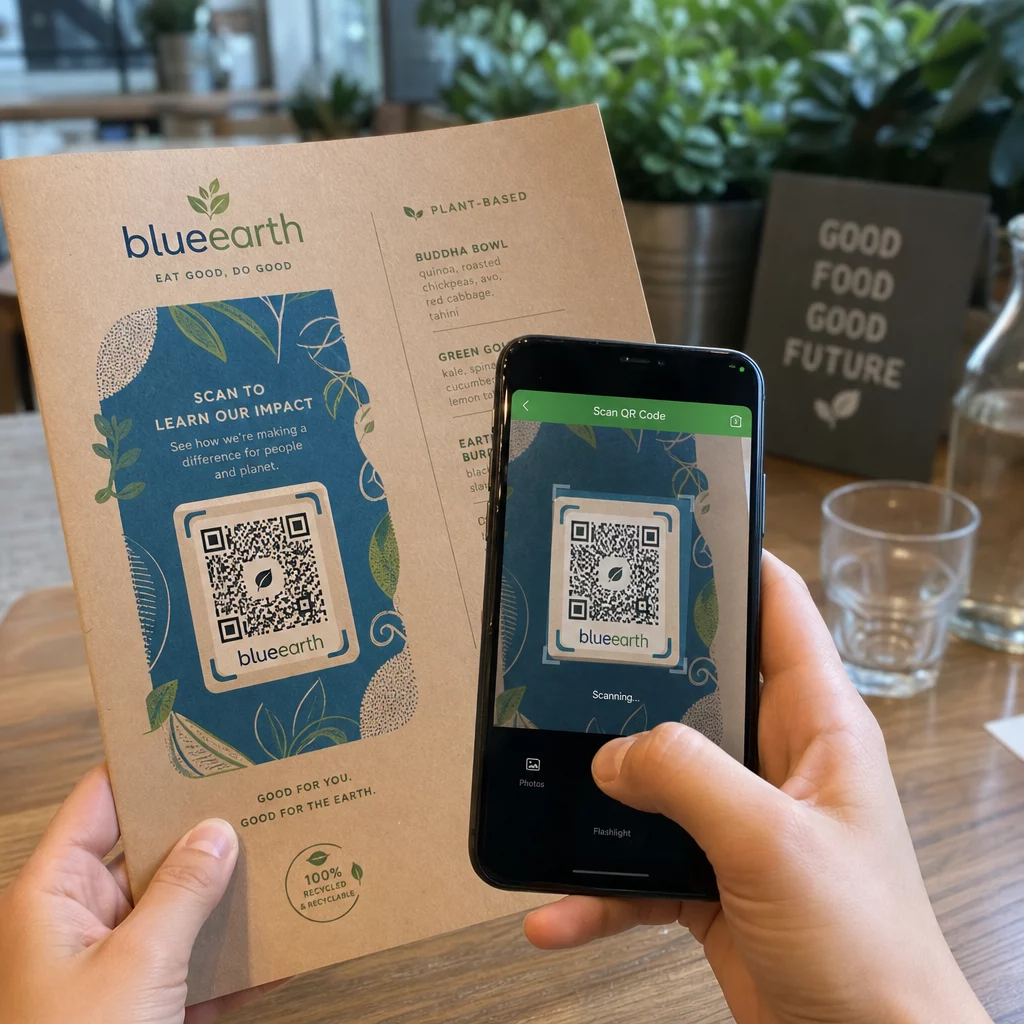
Häufige Anwendungen umfassen:
- Speisekarten für Restaurants – Tagesangebote, Preisänderungen und saisonale Artikel können sofort aktualisiert werden, ohne physische Speisekarten neu drucken zu müssen
- Produktverpackungen – Anleitungen, Garantieinformationen und Nachhaltigkeitsangaben können auf digitale Seiten verlinken statt auf gedruckte Beilagen; ein PDF QR-Code macht es einfach, die vollständige Dokumentation zu teilen, ohne eine gedruckte Kopie beizulegen
- Veranstaltungsmaterialien – Zeitpläne, Sprecherbiografien und Lagepläne können digital abgerufen werden, wodurch das Volumen gedruckter Veranstaltungsprogramme reduziert wird
- Visitenkarten – Ein QR-Code, der auf ein digitales Profil oder eine vCard verlinkt, macht einen Neudruck überflüssig, wenn sich Kontaktdaten ändern
- Produktetiketten und Verpackungen – Marken wie Hala Tree Coffee haben QR-Codes auf kompostierbaren Verpackungen verwendet, um Herkunftsgeschichten und Zertifizierungen zu teilen, wodurch gedruckte Beilagen vollständig ersetzt wurden
Die Marken, die nachhaltigen QR-Code-Druck verwenden verfolgen eine gemeinsame Strategie: Sie verwenden umweltfreundliche Materialien für die physische Druckkomponente und verlassen sich auf dynamische QR-Codes, um alle Inhalte zu verwalten, die möglicherweise aktualisiert werden müssen.
Wie QR-Codes transparentes Nachhaltigkeitsmarketing unterstützen
Über die Abfallreduzierung hinaus bieten QR-Codes Marken einen praktischen Kanal, um ihre Umweltverpflichtungen zu kommunizieren. Der Platz auf der Verpackung ist begrenzt, aber ein QR-Code kann verlinken zu:
- Seiten zur Transparenz der Lieferkette
- Updates zu CO2-Kompensationsprogrammen
- Anweisungen zu Recycling- und Rücknahmeprogrammen
- Umweltverträglichkeitsberichte
Dieser Ansatz kommt bei Verbrauchern gut an, die Spezifisches statt allgemeiner grüner Behauptungen wünschen. Er ermöglicht es auch, dass diese Informationen aktuell bleiben – ein Update eines CO2-Kompensationsprojekts oder ein neuer Recyclingpartner kann sofort in dem widergespiegelt werden, was Kunden beim Scannen sehen, ohne dass ein Neudruck erforderlich ist.
Für Unternehmen, die ihr physisches Marketing mit digitalem Storytelling verbinden möchten, ist dies eines der klarsten Beispiele für wie QR-Codes Print- und digitales Marketing verbinden auf eine Weise, die echten Mehrwert schafft.
Statische vs. Dynamische QR-Codes: Was ist die umweltfreundlichere Wahl?
Nicht alle QR-Codes bieten die gleichen Umweltvorteile. Das Verständnis des Unterschieds ist wichtig, bevor Sie sich für eine Strategie entscheiden.
| Aspekt | Dynamische QR-Codes | Statische QR-Codes |
|---|---|---|
| Inhaltsaktualisierungen | Ziel jederzeit ohne Neudruck ändern | Bei Erstellung festgelegt; erfordert Neudruck zur Änderung |
| Neudruckabfall | Minimal – Materialien bleiben länger in Gebrauch | Höher – veraltete Codes erfordern neue Druckläufe |
| ANALYSE | Vollständige Scan-Verfolgung, Standort, Gerätedaten | Keine |
| Langfristige Kosten | Niedriger aufgrund von reduziertem Nachdruck | Höher für häufig wechselnde Inhalte |
| Am besten für | Kampagnen, Menüs, Verpackungen, Veranstaltungen | Permanente Informationen wie WLAN-Zugangsdaten |
Für die meisten auf Nachhaltigkeit ausgerichteten Marketing-Anwendungsfälle sind dynamische QR-Codes die bessere Wahl. Statische Codes dienen weiterhin einem Zweck für wirklich permanente Informationen – WLAN-Zugang, eine feste Website-URL oder eine stabile Kontaktseite – wo ein Nachdruck ohnehin nie erforderlich wäre. Für eine vollständige Aufschlüsselung der Kompromisse siehe die Vergleich von statischen vs. dynamischen QR-Codes.
Die Entscheidung sollte darauf basieren, wie oft sich der zugrunde liegende Inhalt ändert. Wenn die Antwort “regelmäßig” lautet, ist dynamisch die nachhaltige Option. Wenn die Antwort “nie” lautet, funktioniert statisch gut.
Messung der Auswirkungen Ihrer QR-Code-Kampagnen
Ein unterschätzter Nachhaltigkeitsvorteil von QR-Codes ist, dass sie die Notwendigkeit gedruckter Feedback-Tools eliminieren. Umfragen, Antwortkarten und Methoden zur Zielgruppenverfolgung, die zuvor Papier erforderten, können durch Scan-Analysen ersetzt werden.
Dynamische QR-Codes liefern Echtzeitdaten zu Scan-Volumen, geografischem Standort, Gerätetyp und Zeitpunkt des Engagements. Dies unterstützt bessere Kampagnenentscheidungen – indem es Ihnen hilft zu verstehen, welche gedruckten Materialien tatsächlich Engagement fördern und welche reduziert oder eliminiert werden können. Die Reduzierung von schlecht performenden Druckauflagen ist selbst eine Strategie zur Abfallreduzierung.
Sie können QR-Codes in Printmedien um den Offline-ROI mit der gleichen Präzision wie digitale Kampagnen zu verfolgen und Ressourcen von Materialien abzuziehen, die nicht konvertieren.
Was zu beachten ist
QR-Codes sind kein vollständiger Ersatz für alle gedruckten Materialien, und ihr Umweltnutzen hängt von einer durchdachten Implementierung ab. Einige praktische Überlegungen:
- Der physische Druck zählt immer noch – Die Wahl von recyceltem oder FSC-zertifiziertem Papier und umweltfreundlichen Tinten für die Materialien, die gedruckt werden, verstärkt den Nutzen der Verwendung dynamischer QR-Codes
- Platzierung beeinflusst Langlebigkeit – Ein QR-Code, der auf einer langlebigen Verpackung oder einem wiederverwendbaren Schild platziert ist, hat eine längere Nutzungsdauer als einer auf einem Einweg-Flyer; gestalten Sie für die längstmögliche Materiallebensdauer
- Dynamische Codes benötigen eine Plattform – Im Gegensatz zu statischen Codes verweisen dynamische QR-Codes auf eine gehostete Weiterleitungs-URL, daher benötigen Sie eine zuverlässige Plattform, um sie aktiv und aktuell zu halten
- Inhaltsrelevanz verlängert die Materiallebensdauer – Die Möglichkeit, das Ziel eines QR-Codes zu aktualisieren, bedeutet, dass ein gedrucktes Stück von vor sechs Monaten Kunden immer noch zu Ihrem aktuellen Angebot leiten kann; dies ist eine der direktesten Möglichkeiten, wie QR-Codes Abfall reduzieren
Häufig gestellte Fragen
QR-Codes reduzieren Papierverschwendung hauptsächlich, indem sie die Notwendigkeit eliminieren, Materialien neu zu drucken, wenn sich Inhalte ändern. Ein dynamischer QR-Code ermöglicht es Ihnen, die Ziel-URL zu aktualisieren, ohne das gedruckte Stück anzufassen, was die Nutzungsdauer physischer Materialien direkt verlängert und die Häufigkeit von Druckläufen reduziert. Der Nutzen ist real, aber proportional dazu, wie oft Ihr Inhalt sonst ein Neudrucken erfordern würde.
Ein statischer QR-Code kodiert ein festes Ziel, das nach dem Drucken nicht geändert werden kann. Wenn sich der Inhalt, auf den er verweist, ändert, müssen Sie neu drucken. Ein dynamischer QR-Code verwendet einen Weiterleitungslink, den Sie jederzeit über ein Dashboard aktualisieren können – so bleibt der physische Ausdruck gültig, selbst wenn sich der dahinterliegende Inhalt ändert. Für jeden Anwendungsfall, bei dem sich Informationen im Laufe der Zeit entwickeln, sind dynamische Codes die umweltfreundlichere Wahl.
Ja. QR-Codes auf Verpackungen oder gedruckten Materialien können direkt zu Nachhaltigkeitsberichten, Recyclinganweisungen, Seiten zur Transparenz der Lieferkette oder Details zu Rücknahmeprogrammen verlinken. Da das Ziel mit dynamischen Codes aktualisierbar ist, können diese Informationen immer Ihre aktuellen Verpflichtungen widerspiegeln und nicht das, was zum Zeitpunkt des Drucks korrekt war – was es zu einem glaubwürdigen Werkzeug für eine transparente Nachhaltigkeitskommunikation macht.