Fressen langsame Kassiervorgänge und steigende Bearbeitungsgebühren die Margen Ihres Restaurants auf? Jede zusätzliche Minute, die ein Tisch ungenutzt bleibt, kostet Umsatz, und jeder unnötige Gang des Servicepersonals schmälert die Effizienz der Mitarbeiter. QR-Code-Zahlungen lösen beide Probleme direkt – sie beschleunigen das Erlebnis am Ende des Essens und reduzieren gleichzeitig die betriebliche Reibung, die Gäste und Personal gleichermaßen frustriert.
Zahlungsherausforderungen, denen Restaurants heute begegnen
Bevor wir Lösungen erkunden, ist es hilfreich, genau zu verstehen, wo traditionelle Zahlungssysteme versagen.
Langsamer Kassiervorgang und reduzierte Tischrotation
Der typische Zahlungsprozess ist ein echter Zeitfresser. Servicekräfte pendeln hin und her – bringen Rechnungen, kehren mit Kartenlesegeräten zurück und schließen Zahlungen ab – während die Stoßzeiten für das Abendessen verstreichen. Die traditionelle Zahlungsabwicklung beansprucht typischerweise 10–15 Minuten pro Tisch, ein Zeitfenster, das sich während eines geschäftigen Betriebs schnell summiert.
Das Teilen von Rechnungen verschlimmert die Situation. Eine Gruppe von acht Gästen, die separate Rechnungen wünschen, bedeutet, dass das Personal wertvolle Zeit damit verbringt, mehrere Zahlungen manuell zu berechnen und zu verarbeiten. Diese Verzögerungen begrenzen die Anzahl der Gruppen, die Sie während der Stoßzeiten bedienen können, und reduzieren direkt den Umsatz.
Hygienebedenken bei gemeinsam genutzten Zahlungsgeräten
Kartenlesegeräte, Stifte und Bargeld wechseln während einer Schicht wiederholt die Hände, oft ohne Desinfektion zwischen den Anwendungen. Auch wenn die Beschränkungen aus der Pandemiezeit gelockert wurden, bleiben viele Gäste vorsichtig bei gemeinsam genutzten Oberflächen. Zahlungsoptionen, die den physischen Kontakt minimieren, entsprechen diesen Erwartungen besser – traditionelle Methoden hingegen nicht.
Hohe Bearbeitungsgebühren und verzögerte Abrechnungen
Kartenzahlungen sind mit Bearbeitungsgebühren verbunden, die die ohnehin schon geringen Gewinnmargen schmälern. Kartennetzwerke erhalten einen Anteil an jeder Transaktion, und diese Kosten summieren sich über ein Jahr erheblich. Hinzu kommt, dass Abrechnungsverzögerungen bedeuten, dass Zahlungen Tage dauern können, bis sie Ihr Konto erreichen – was den Zahlungsabwicklern im Wesentlichen ein zinsloses Darlehen gewährt, während Sie sofortige Ausgaben wie Löhne und Lieferantenkosten decken.
Wie QR-Code-Zahlungen diese Probleme lösen
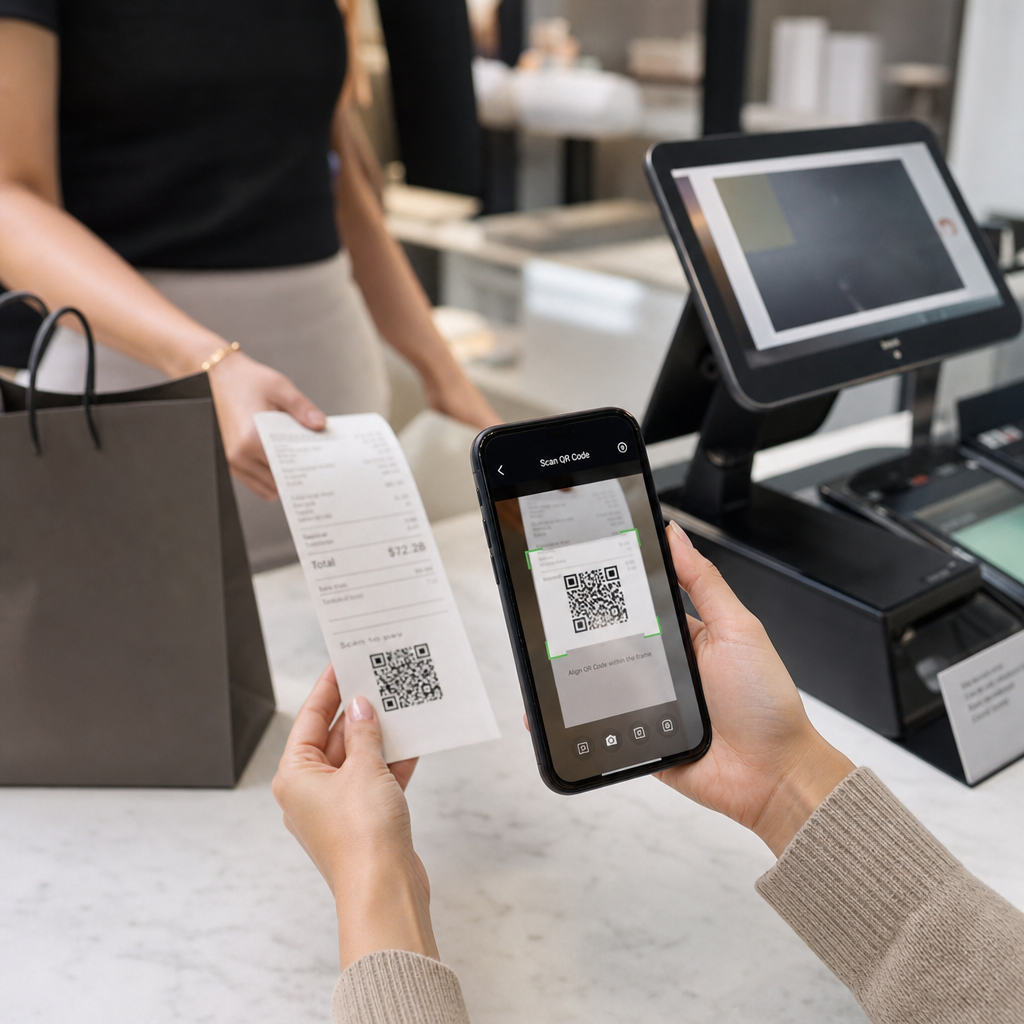
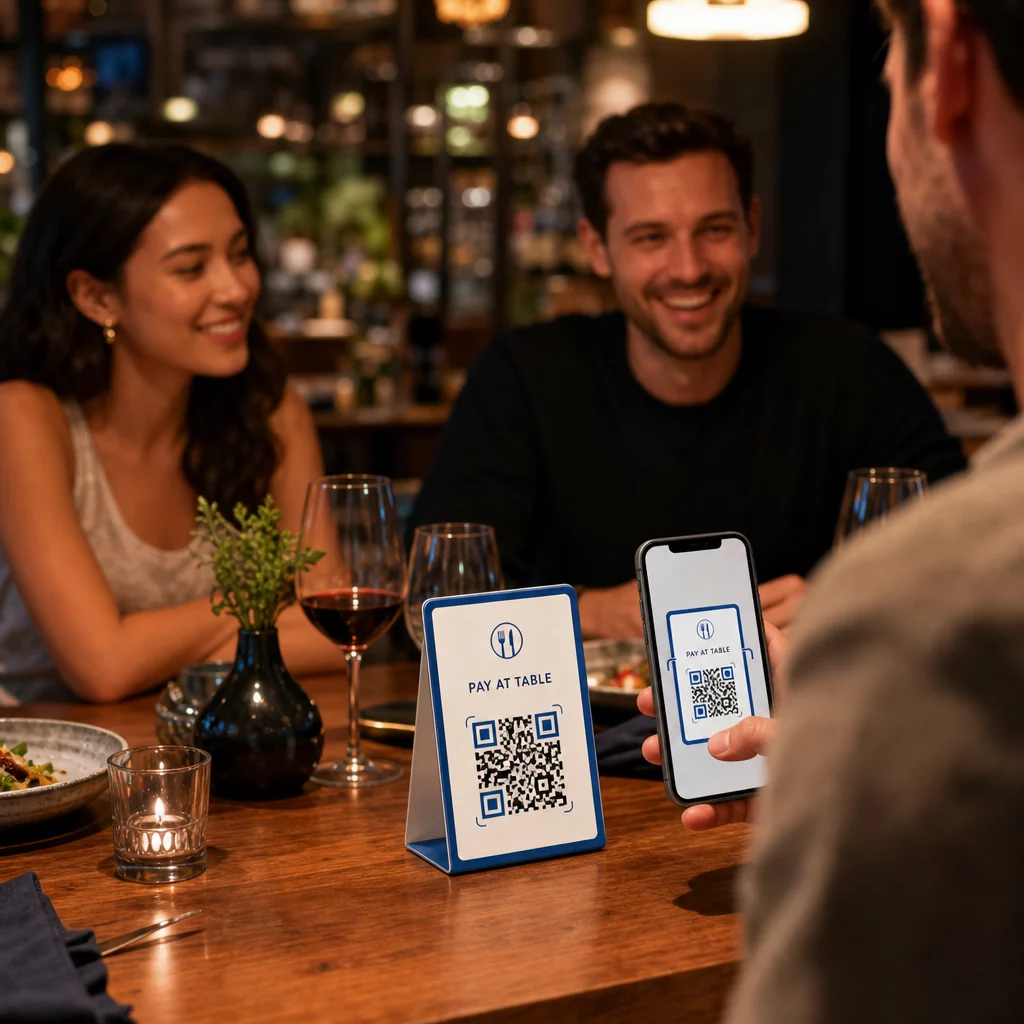
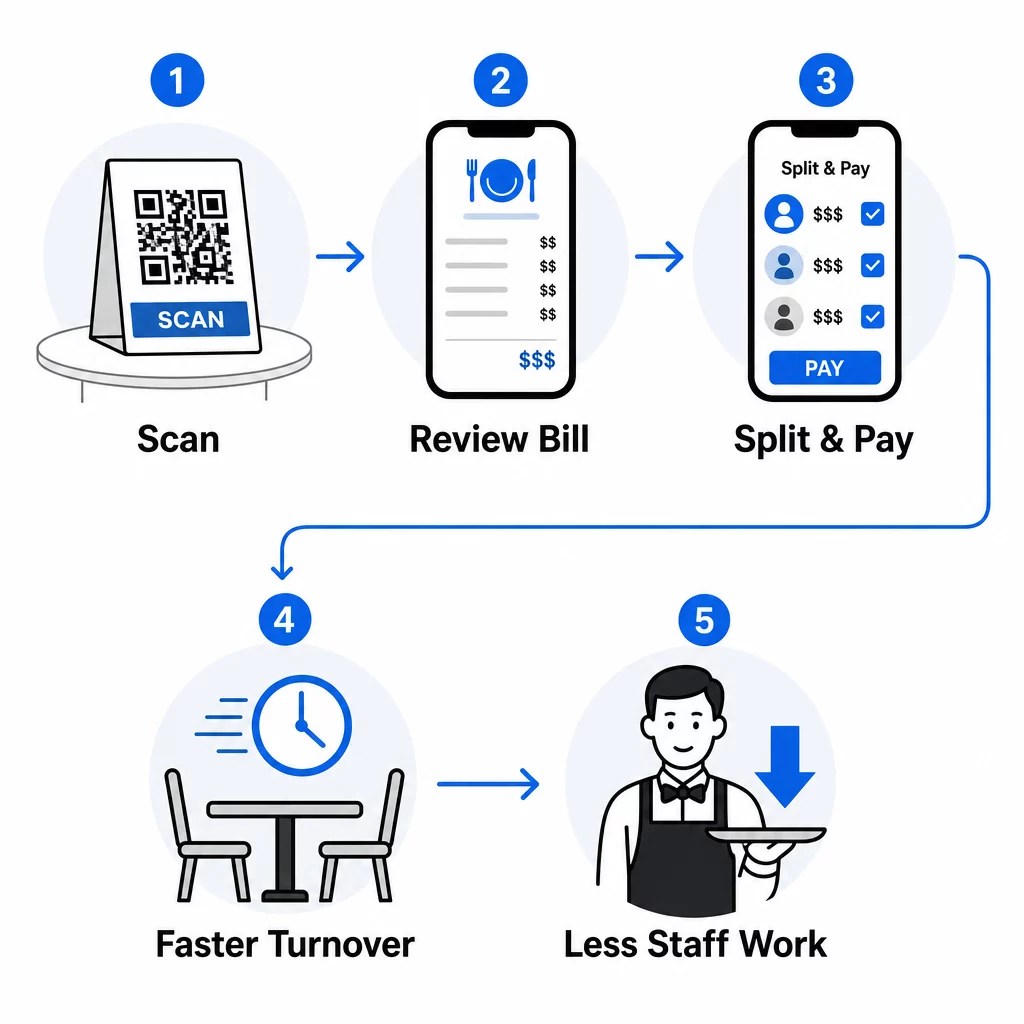
QR-Code-Zahlungen ermöglichen es Gästen, den gesamten Kassiervorgang von ihrem eigenen Smartphone aus abzuwickeln – einen Code am Tisch scannen, eine detaillierte Rechnung überprüfen, bei Bedarf Kosten aufteilen und bezahlen – alles ohne auf eine Servicekraft warten zu müssen. Was früher 10–15 Minuten dauerte, kann jetzt in weniger als einer Minute geschehen. Diese Umstellung hat messbare Auswirkungen auf die Tischrotation, die Arbeitsbelastung des Personals und den Cashflow.
Schnellere Tischrotation
Wenn Gäste sofort bezahlen können, wenn sie bereit sind, gehen sie früher. Restaurants, die QR-Code-Zahlungen verwenden, berichten, dass Gäste die Tische 4 bis über 15 Minuten früher verlassen, als wenn sie eine Servicekraft direkt mit Karte bezahlen würden. Diese Zeitersparnis macht Tische für neue Gruppen frei, was besonders wertvoll während eines geschäftigen Freitag- oder Samstagabends ist.
Ein Restaurantbesitzer berichtete, dass nach der Einführung der QR-Code-Bestellung die Arbeitskosten um 15 % sanken und 56 % der Bestellungen über den QR-Kanal eingingen. Eine separate Umfrage unter Restaurants, die eine QR-Bestellplattform nutzen, ergab eine 4 %ige Zunahme der Anzahl der Rechnungen und eine 3 %ige Zunahme der durchschnittlichen Rechnungsbeträge – was darauf hindeutet, dass Geschwindigkeit und Bequemlichkeit sowohl den Umsatz als auch die Effizienz steigern können.
Optimieren Sie den Zahlungsfluss Ihres Restaurants Möchten Sie QR-Code-Zahlungen einrichten, die nahtlos mit Ihrer bestehenden Speisekarte und Ihrem Branding funktionieren? Entdecken Sie QR-Code-Lösungen, die für Restaurants entwickelt wurden um zu sehen, wie Pageloot Gastronomiebetrieben hilft, physische Tische mit digitalen Kassenlösungen zu verbinden.
Reduzierte Arbeitsbelastung des Personals
Mit QR-Zahlungen verbringen Kellner deutlich weniger Zeit damit, zum Terminal hin und her zu laufen, um Rechnungen zu teilen oder eine Karte zu holen. Diese Zeit fließt zurück in den Kundenservice – Fragen beantworten, Getränke nachfüllen und mehr Tische betreuen, ohne sich überfordert zu fühlen. Restaurants, die die Zahlungsabwicklungszeit reduzieren, entlasten das Personal, um während derselben Schicht mehr Gäste zu bedienen, ohne zusätzliches Personal einstellen zu müssen.
Die QR-Code-Bestellsystem Ansatz erweitert dies noch weiter: Wenn Gäste mit einem einzigen Scan stöbern, bestellen und bezahlen können, verkürzt sich der gesamte Transaktionszyklus dramatisch.
Kontaktloses und hygienisches Bezahlen
Da die gesamte Transaktion auf dem persönlichen Gerät des Kunden stattfindet, machen QR-Zahlungen gemeinsame Kartenleser, Stifte und gedruckte Belege überflüssig. Gäste nutzen vertraute Apps – sei es eine mobile Geldbörse, PayPal oder ihre Banking-App – um die Zahlung abzuschließen, was auch ihr Vertrauen in die Sicherheit der Transaktion erhöht.
Niedrigere Kosten und schnellere Abrechnungen
Restaurants müssen nicht mehr in Kartenleser investieren oder regelmäßig Speisekarten neu drucken, wenn sie auf digitale Lösungen umsteigen. Transaktionsgebühren sind oft niedriger, da QR-Zahlungen traditionelle Kartennetzwerke umgehen können. Viele QR-Zahlungssysteme bieten auch sofortige oder taggleiche Abrechnungen an, was den Cashflow stabilisiert und es einfacher macht, die täglichen Betriebskosten zu decken, ohne tagelang auf die Freigabe von Geldern warten zu müssen.
Mittelgroße Restaurants können jährlich rund 5.000 € sparen, indem sie von Papier auf digitale Speisekarten allein – noch bevor reduzierte Terminalkosten oder niedrigere Bearbeitungsgebühren berücksichtigt werden.
Wesentliche Vorteile für den Restaurantbetrieb
Verbessertes Kundenerlebnis
Für Gäste bedeuten QR-Code-Zahlungen Schnelligkeit und Kontrolle. Anstatt einen Kellner herbeiwinken oder auf ein Kartenlesegerät warten zu müssen, begleichen Gäste ihre Rechnung, wenn sie bereit sind. Die kontaktlose Natur eliminiert gemeinsame Berührungspunkte, und das Teilen der Rechnung wird unkompliziert – jede Person scannt denselben Code, wählt ihre Artikel aus und bezahlt ihren Anteil ohne manuelle Berechnung durch das Personal.
Laut einer Studie aus dem Jahr 2021 bevorzugten 37 % der Gäste Restaurants, die digitale Speisekarten über QR-Codes anbieten, gegenüber traditionellen Papierspeisekarten – eine Präferenz, die nur noch zugenommen hat, da kontaktlose Erlebnisse zu Standarderwartungen statt zu Neuheiten geworden sind.
Bessere betriebliche Effizienz
Durch die Automatisierung der Zahlungserfassung entlasten QR-Systeme Ihr Team, damit es sich auf die Gastfreundschaft konzentrieren kann. Kellner interagieren mit den Gästen, anstatt Kartenlesegeräte hin und her zu tragen, und die Küche erhält klarere, schnellere Signale über den Tischstatus. Während des Stoßbetriebs macht diese Effizienz den Unterschied zwischen einem reibungslosen und einem chaotischen Ablauf aus.
Plattformen wie Pageloot ermöglichen es Restaurants, Zahlungs-QR-Codes direkt in ihre digitale Speisekarten, sodass der Bestell- und Bezahlvorgang mit einem einzigen Scan abläuft. Für einen genaueren Blick auf Sicherheit und Verarbeitungsgeschwindigkeit von QR-Code-Zahlungen, verwendet die zugrunde liegende Technologie Verschlüsselung und Tokenisierung, um Transaktionen so sicher wie herkömmliche Kartenzahlungen zu halten.
Analysen für fundierte Entscheidungen
Ein unterschätzter Vorteil von QR-Zahlungen sind die Transaktionsdaten, die sie automatisch generieren. Restaurants erhalten Echtzeit-Einblicke in Stoßzeiten, meistverkaufte Gerichte, durchschnittliche Rechnungsbeträge und demografische Trends – ohne manuelle Nachverfolgung oder Schätzungen.
Diese Daten unterstützen intelligentere Entscheidungen: Wenn eine bestimmte Vorspeise an Freitagabenden regelmäßig ausverkauft ist, können Manager den Lagerbestand und die Personalplanung entsprechend anpassen. Sie ermöglichen auch personalisiertes Marketing und Treueprogramme, da Bestellgewohnheiten und Besuchshäufigkeit gezielte Aktionen oder Rabatte auf Lieblingsgerichte beeinflussen können.
Die Plattform von Pageloot umfasst Scan-Analysen neben der QR-Code-Verwaltung und bietet Restaurants einen zentralisierten Überblick darüber, wie Kunden mit Speisekarten, Zahlungscodes und Werbematerialien interagieren. Sie können die gesamte Palette der für Restaurantmenüs geeigneten QR-Code-Typen , um zu verstehen, welche Formate für verschiedene Teile des Essenserlebnisses am besten geeignet sind.
Einrichtung von QR-Code-Zahlungen in Ihrem Restaurant
Warum dynamische QR-Codes am besten funktionieren
Dynamische QR-Codes sind für Restaurantumgebungen praktischer als statische. Statische Codes fixieren eine feste URL oder ein Ziel; dynamische Codes können in Echtzeit aktualisiert werden, ohne neu gedruckt werden zu müssen. Das bedeutet, Sie können eine verknüpfte Speisekarte ändern, einen Zahlungsfluss aktualisieren oder eine saisonale Aktion austauschen, ohne physische Materialien auf jedem Tisch ersetzen zu müssen.
Dynamische Codes unterstützen auch mehrere Zahlungsoptionen – Kredit- und Debitkarten, digitale Geldbörsen wie Apple Pay und Google Pay und Plattformen wie PayPal – damit Gäste so bezahlen können, wie sie es bevorzugen. Sie können die PayPal QR-Code Generator verwenden, um schnell einen Zahlungslink einzurichten, oder die umfassendere QR-Code-Generator verwenden, um alle Codes Ihres Restaurants von einem einzigen Dashboard aus zu verwalten.
Für Anleitungen zu Best Practices für die Barrierefreiheit von QR-Code-Zahlungen – einschließlich Größe, Kontrast, Platzierungshöhe und alternativen Zahlungsoptionen – decken die Ressourcen von Pageloot die praktischen Details ab, die sicherstellen, dass alle Gäste sie bequem nutzen können.
Platzierung für maximale Wirkung
Wo Sie Ihre QR-Codes platzieren, ist wichtig. Die effektivsten Platzierungen sind:
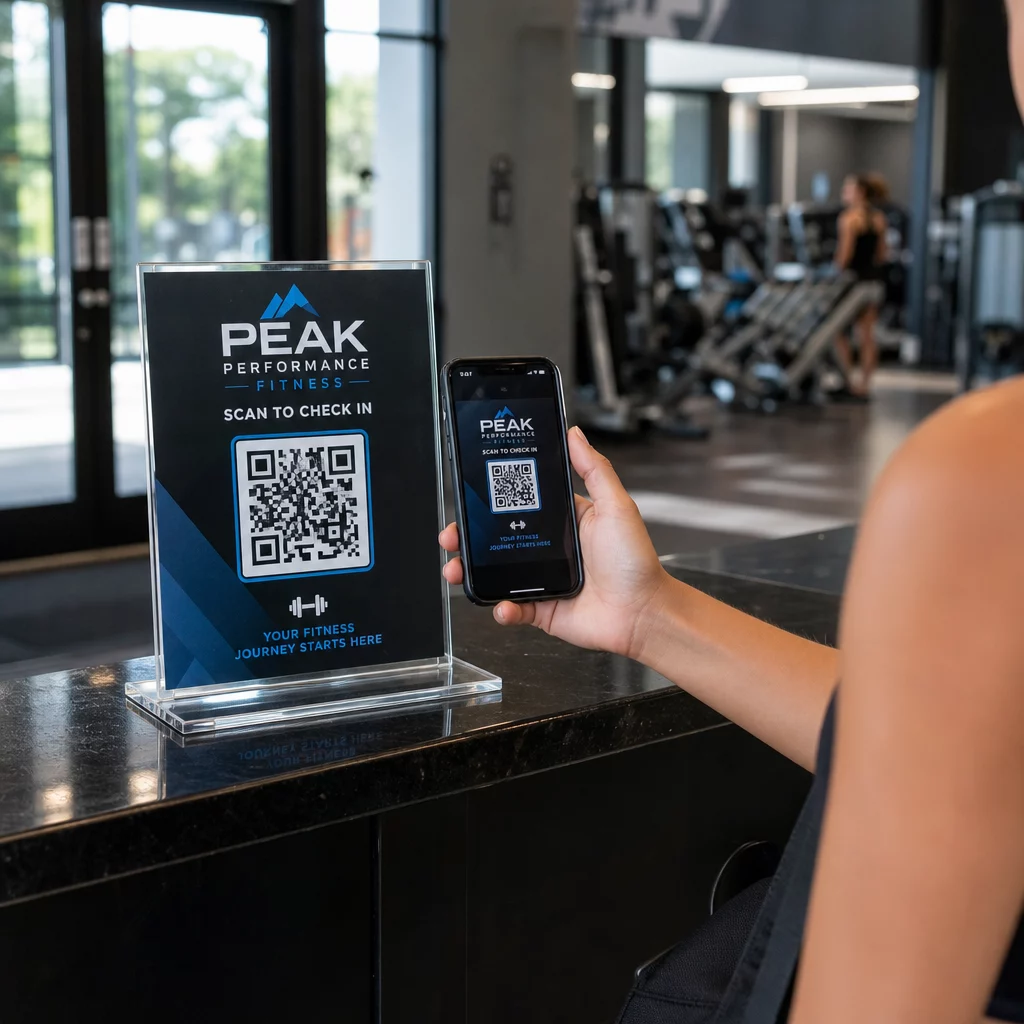
- Tischoberflächen – deutlich gekennzeichnet, damit Gäste scannen können, ohne das Personal fragen zu müssen
- Tischaufsteller oder Ständer – sichtbar, sobald die Gäste Platz nehmen
- Eingangs- und Wartebereiche – nützlich für Aktionscodes oder Treueprogramm-Anmeldungen
- Verpackungen zum Mitnehmen – erweitert die QR-Interaktion über den Speisesaal hinaus
Speziell für Menüs ist die Menü QR-Code erstellen ermöglicht Restaurants, ein PDF hochzuladen oder ein interaktives digitales Menü zu erstellen, dann einen gebrandeten Code zu generieren, der bereit ist, auf jede Oberfläche gedruckt zu werden.
QR-Codes zu einem Teil Ihrer Marke machen
Ein einfacher schwarz-weißer QR-Code funktioniert, aber ein gebrandeter schafft Vertrauen. Das Hinzufügen Ihres Logos, Ihrer Markenfarben und eines klaren Call-to-Action-Rahmens sagt den Gästen, dass sie einen offiziellen Restaurantcode scannen und nicht etwas Unbekanntes. Die Anpassungstools von Pageloot ermöglichen es Ihnen, das QR-Code-Design an Ihre bestehende visuelle Identität anzupassen – konsistent über Speisekarten, Tischaufsteller und Werbematerialien hinweg.
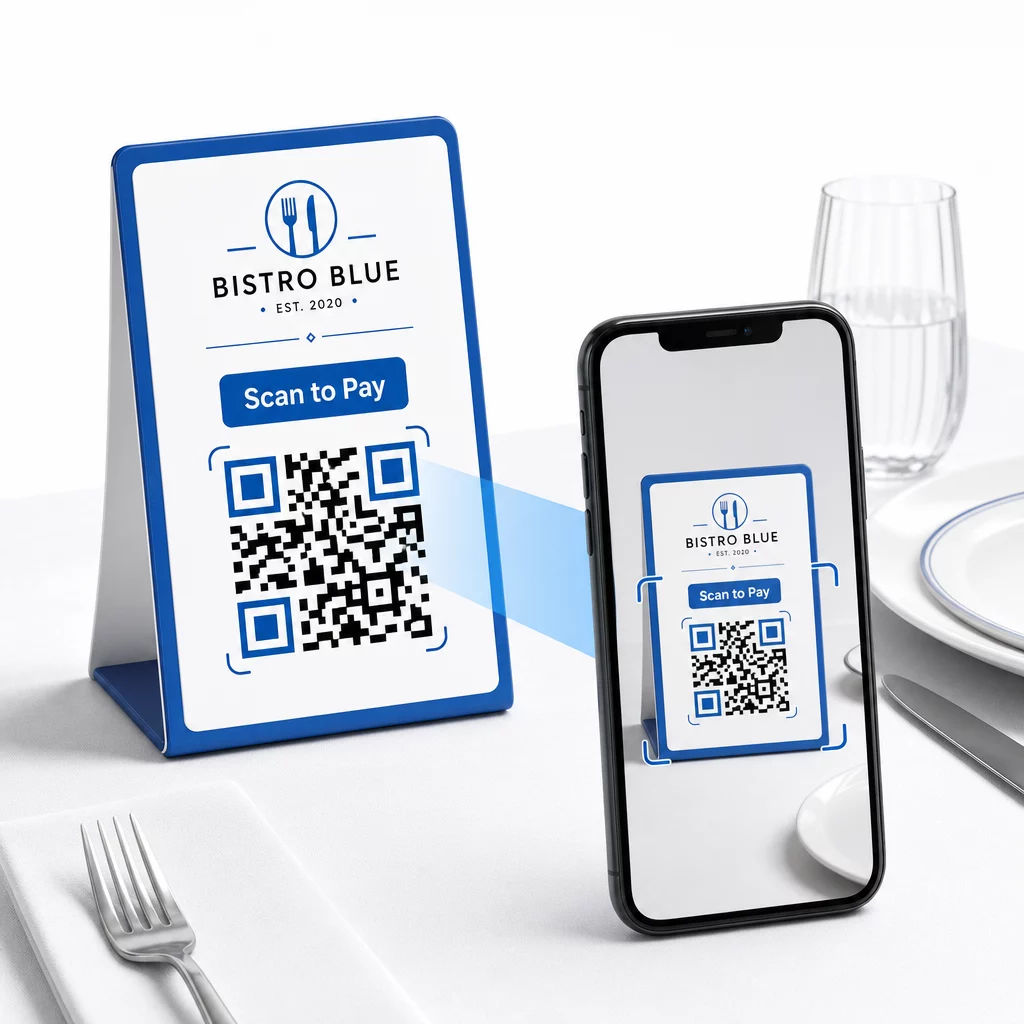
Für einen umfassenderen Blick darauf, wie QR-Codes die Zahlungserfahrung branchenübergreifend, oder wie Restaurants speziell vom gesamten QR-Code-Ökosystem, profitieren, bieten diese Ressourcen einen praktischen Kontext für die Planung Ihrer Einführung.
Häufig gestellte Fragen
QR-Code-Zahlungen eliminieren das Hin und Her zwischen Servicepersonal und Tischen beim Bezahlen. Gäste scannen, überprüfen ihre Rechnung und bezahlen von ihrem eigenen Gerät aus – wodurch der typische 10- bis 15-minütige Zahlungsvorgang auf unter eine Minute verkürzt wird. Diese Zeitersparnis macht Tische schneller frei, lässt das Servicepersonal sich auf die Gastfreundschaft statt auf die Zahlungslogistik konzentrieren und ermöglicht es dem Restaurant, in Stoßzeiten mehr Gäste zu platzieren.
Ja, auf verschiedene Weisen. Restaurants eliminieren oder reduzieren die Abhängigkeit von Kartenlesegeräten und gedruckten Speisekarten, wodurch sowohl Geräte- als auch Druckkosten gesenkt werden. Digitale Speisekarten können sofort ohne Neudruck aktualisiert werden – eine erhebliche Einsparung über die Zeit. Transaktionsgebühren sind oft niedriger, da QR-Zahlungen traditionelle Kartennetzwerke umgehen können, und schnellere Abrechnungen verbessern den Cashflow im Vergleich zu mehrtägigen Bearbeitungsverzögerungen.
QR-Zahlungssysteme erfassen automatisch Transaktionsdetails, die Muster aufzeigen – Stoßzeiten, meistverkaufte Gerichte, durchschnittliche Rechnungsbeträge und wie oft einzelne Kunden zu Besuch kommen. Manager können diese Daten nutzen, um die Personalplanung anzupassen, die Bestandsbestellung zu optimieren und gezielte Werbeaktionen oder Treueprogramme zu erstellen. Plattformen wie Pageloot bieten auch Scan-Analysen, damit Restaurants die Interaktion über Menüs und Zahlungscodes hinweg von einem einzigen Dashboard aus verfolgen können.