Da li znate koje fizičke lokacije zapravo podstiču skeniranje vaših QR kodova – a koje su mrtav teret? Bez podataka na nivou lokacije, nagađate. Ovaj vodič objašnjava kako analitika pokretana veštačkom inteligencijom meri angažovanje QR kodova po geografiji i kako možete koristiti te uvide za poboljšanje performansi kampanje.
Zašto su podaci o lokaciji važni za kampanje sa QR kodovima
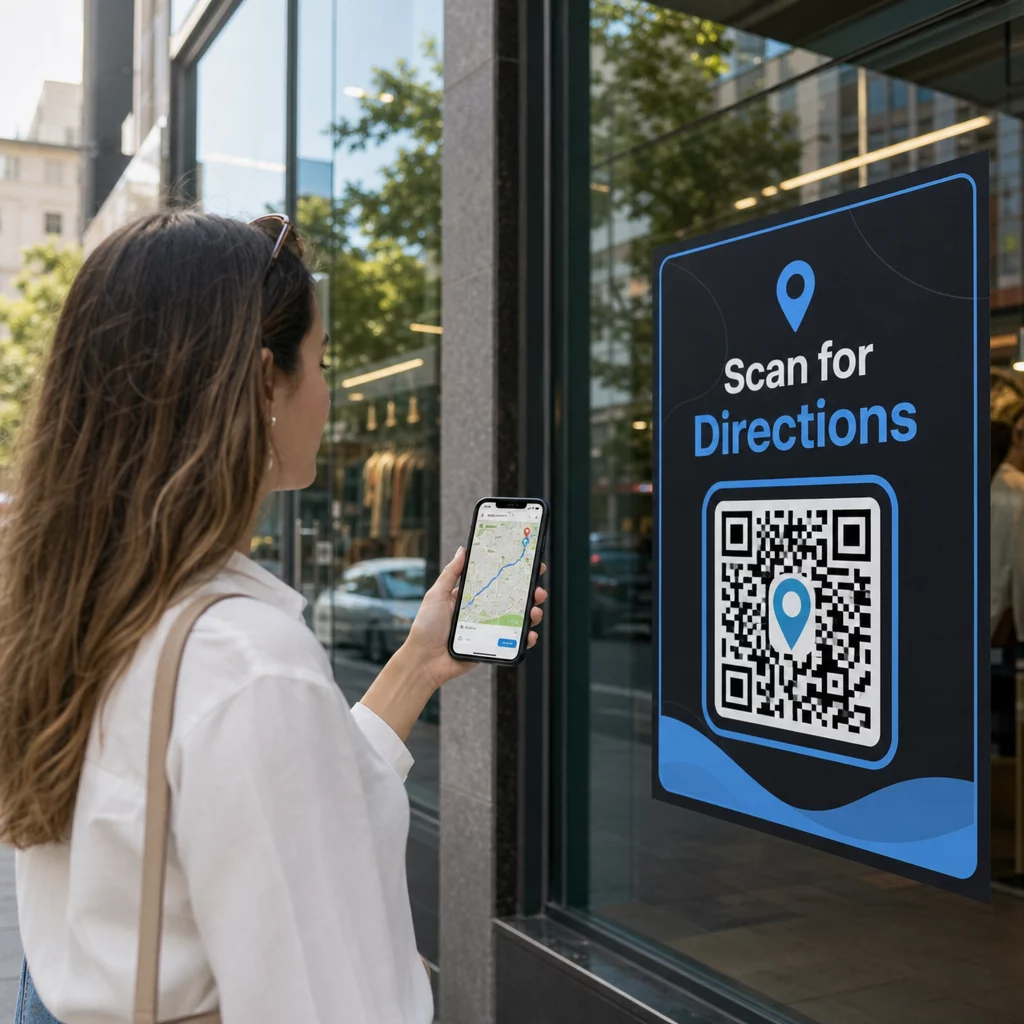
QR kodovi se pojavljuju na posterima, ambalaži, signalizaciji, menijima i materijalima za događaje. Svako postavljanje postoji u drugačijem fizičkom okruženju sa drugačijom publikom. Bez podataka na nivou lokacije, možete videti da je kampanja dobila 500 skeniranja – ali ne možete reći da li su ona došla sa vašeg izloga, vaše reklame u javnom prevozu ili štanda na sajmu.
Praćenje lokacije odgovara na to pitanje. Ono vam govori koja postavljanja funkcionišu, kada generišu najviše aktivnosti i kako se angažovanje razlikuje po regionima ili mestima. Te informacije direktno doprinose pametnijim odlukama o tome gde postaviti kodove, koji sadržaj prikazati i kada pokrenuti promocije.
Prema projekcijama eMarketera, očekivalo se da će broj korisnika pametnih telefona u SAD-u koji skeniraju QR kodove porasti sa 83,4 miliona u 2022. na 99,5 miliona do 2025. godine – čineći precizno praćenje sve važnijim kako se publika širi.
Kako funkcioniše praćenje lokacije QR kodova
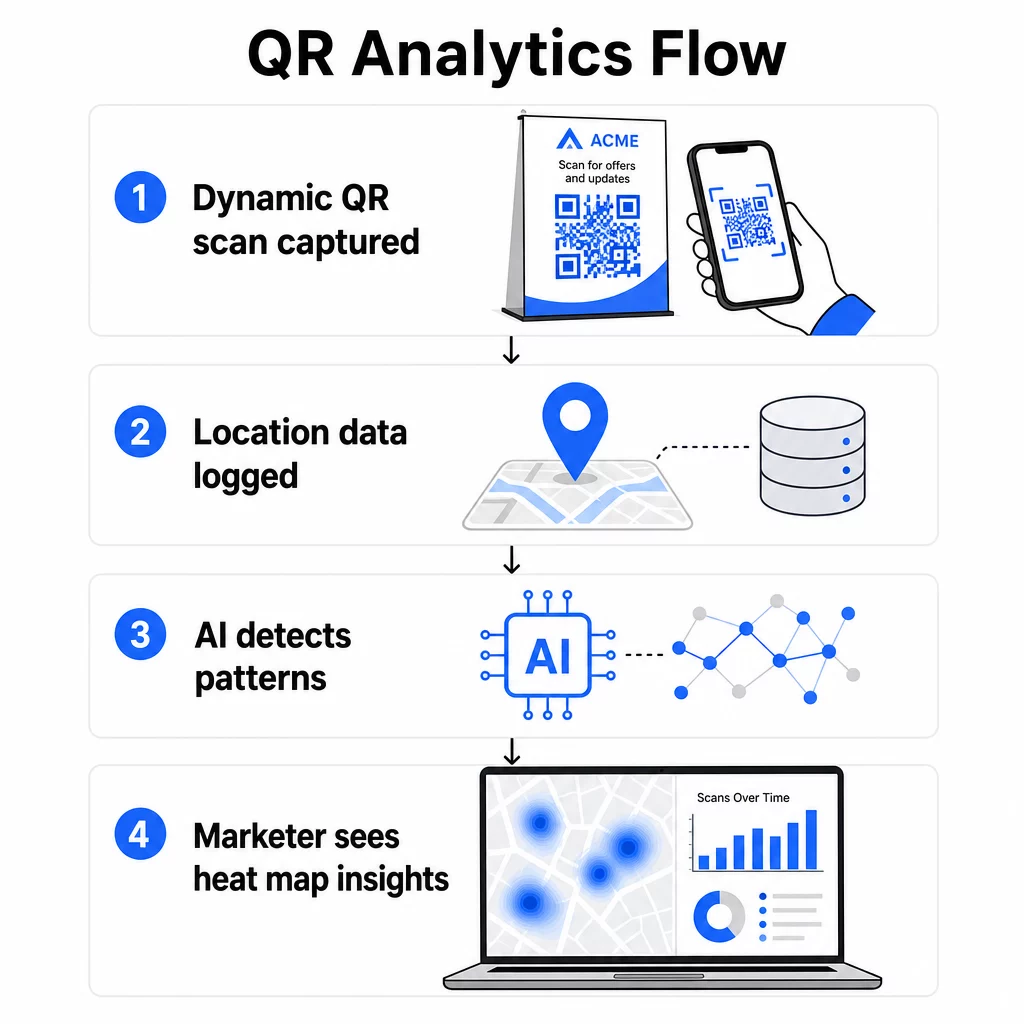
Praćenje lokacije je moguće samo uz dinamički QR kodovi. Za razliku od statičkih kodova, koji kodiraju fiksnu destinaciju i ne beleže ništa, dinamički QR kodovi usmeravaju svako skeniranje kroz posrednički server za praćenje. Taj server beleži podatke o događaju skeniranja – uključujući vreme, tip uređaja i lokaciju – pre nego što preusmeri korisnika na konačnu URL adresu.
Više o celokupnoj mehanici možete saznati u vodiču za kako funkcionišu praćenje i analitika QR kodova.
Postoje dve primarne metode koje platforme koriste za određivanje mesta skeniranja:
Praćenje lokacije zasnovano na IP adresi određuje grad i državu na osnovu IP adrese mreže na koju je povezan uređaj za skeniranje. Ovaj pristup funkcioniše automatski bez potrebe za saglasnošću korisnika i efikasan je za analizu na regionalnom nivou. Međutim, preciznost je ograničena – obično oko 50–70% na nivou grada – a nedoslednosti se mogu javiti kada je uređaj povezan na mobilnu mrežu registrovanu u drugom regionu.
Praćenje lokacije zasnovano na GPS-u prikuplja tačne koordinate uređaja za skeniranje. Ova metoda je daleko preciznija, tačna do nekoliko metara, ali zahteva od korisnika da eksplicitno odobri dozvolu za lokaciju putem upita u pretraživaču. To je pravi izbor za kampanje gde su precizni podaci o postavljanju važni, kao što su praćenje velikih lokacija ili geofencirane promocije.
Za većinu kampanja, praćenje zasnovano na IP adresi pruža dovoljan regionalni uvid. Praćenje zasnovano na GPS-u je rezervisano za slučajeve upotrebe gde su potrebne tačne koordinate – i gde imate jasan mehanizam za pristanak.
Počnite da pratite skeniranja po lokaciji Želite da znate gde vaše kampanje generišu angažovanje? Koristite Dinamički QR kod generator da kreirate kodove koji se mogu pratiti i pregledate podatke o skeniranju po zemlji, gradu i mestu postavljanja – sve sa jedne kontrolne table.
Koji podaci se prikupljaju pri svakom skeniranju
Svako skeniranje dinamičkog QR koda generiše skup podataka. Zajedno, oni grade detaljnu sliku angažovanja koja daleko prevazilazi jednostavno brojanje skeniranja. Ključne metrike koje se prate uključuju:
- Geografska lokacija – zemlja, region i grad izvedeni iz IP adrese, ili precizne GPS koordinate kada je dat pristanak
- Vremenska oznaka – tačan datum i vreme, omogućavajući analizu perioda najvećeg angažovanja tokom dana i sati
- Tip uređaja i operativni sistem – iOS naspram Androida, mobilni naspram desktopa, specifični modeli uređaja i tip pretraživača
- Tip mreže – mobilna mreža naspram Wi-Fi-ja, što može ukazati na to da li su korisnici stacionarni ili u pokretu
- Učestalost skeniranja – ukupan broj skeniranja naspram jedinstvenih skeniranja, razlikujući ponovljeno angažovanje od prvih interakcija
Ponašanje nakon skeniranja – sesije, stopa napuštanja stranice, vreme provedeno na stranici, konverzije – takođe se može pratiti kada se QR kodovi kombinuju sa UTM parametrima za Google Analytics. Ovo zatvara krug između fizičkog skeniranja i onoga što se dešava na vašoj odredišnoj stranici.
Kako AI obrađuje podatke o lokaciji u uvide
Sirovi podaci o skeniranju postaju upotrebljivi kroz analizu vođenu veštačkom inteligencijom. Umesto da zahtevaju od marketara da ručno pretražuju logove skeniranja, AI modeli automatski obrađuju velike količine podataka povezanih sa lokacijom i otkrivaju obrasce koje bi inače bilo teško detektovati.
Geografske toplotne mape
Toplotne mape prevode obim skeniranja u vizuelne prikaze gustine angažovanja na različitim lokacijama. Područja visoke aktivnosti su odmah vidljiva, što olakšava identifikaciju koji plasmani nadmašuju druge. Trgovac sa QR kodovima na više lokacija prodavnica, na primer, može na prvi pogled videti da li vodeća lokacija nadmašuje regionalne prodavnice – ili da li određeni plasman u prodavnici dosledno generiše više skeniranja od drugih.
Ovaj pristup možete detaljnije istražiti u vodiču za praćenje angažovanja QR kodova pomoću toplotnih mapa.
Prepoznavanje vremenskih obrazaca
AI identifikuje kada se skeniranja grupišu po dobu dana, danu u nedelji ili sezonskom periodu. Kafić bi mogao otkriti da jutarnja skeniranja pretežno dolaze od stalnih kupaca, dok popodnevna skeniranja privlače nove posetioce. Muzej bi mogao otkriti da se QR kodovi na ulaznim tačkama intenzivno koriste u prvih 30 minuta otvaranja. Ovi obrasci direktno informišu kada pokrenuti vremenski osetljive promocije i kako rasporediti osoblje na lokacijama tokom perioda visokog angažovanja.
Prediktivno modelovanje
AI modeli obučeni na istorijskim podacima o skeniranju mogu predvideti buduće trendove angažovanja po lokaciji. Ovo omogućava proaktivna prilagođavanja kampanje – preusmeravanje budžeta ka lokacijama sa visokim performansama pre sezonskog pika, ili identifikovanje mesta gde angažovanje opada pre nego što to utiče na ukupne rezultate kampanje.
Poređenje među lokacijama
Kada se kampanja prostire na više fizičkih lokacija, AI omogućava direktno poređenje performansi između mesta. Marketeri mogu identifikovati koji regioni, formati prodavnica ili tipovi plasmana dosledno nadmašuju druge i replicirati te uslove drugde.
Analitika pokretana veštačkom inteligencijom naspram tradicionalnih metoda
Praktična razlika između praćenja vođenog veštačkom inteligencijom i starijih ručnih metoda postaje jasna kada ih uporedite jednu pored druge.
| FUNKCIJA | Analitika pokretana veštačkom inteligencijom | Традиционалне методе |
|---|---|---|
| Brzina prikupljanja podataka | Obrada u realnom vremenu | Ručni unos sa satima ili danima kašnjenja |
| Tačnost lokacije | GPS i IP mapiranje | Opšte procene ili ručno beleženje |
| Prepoznavanje obrazaca | Automatsko otkrivanje trendova i anomalija | Ručna analiza koja zahteva značajno vreme |
| Prediktivne sposobnosti | Prognoze na osnovu istorijskih podataka | Ograničeno na izveštavanje o prošlim događajima |
| Analiza više lokacija | Poređenje u realnom vremenu između lokacija | Zahteva odvojene sisteme po lokaciji |
| Mapiranje korisničkog putovanja | Prati ceo put od skeniranja do konverzije | Fragmentirano sa nedostajućim dodirnim tačkama |
Tradicionalne metode – osnovni brojači skeniranja, ručne ankete, evidencije u tabelama – oduzimaju mnogo vremena i pružaju ograničen uvid. Platforme zasnovane na veštačkoj inteligenciji automatski obrađuju hiljade tačaka podataka, pružajući potpuniju sliku bez ručnog rada.
Podešavanje kampanja QR kodova zasnovanih na lokaciji
Osnova svake kampanje zasnovane na lokaciji je dinamički QR kod. Pageloot-ov generator QR kodova omogućava vam da kreirate kodove sa prilagođenim brendiranjem – vašim logotipom, bojama brenda i šablonima dizajna – dok istovremeno omogućava potpuno praćenje analitike od trenutka kada ih postavite.
Jednom kreirani, dinamički QR kodovi mogu imati svoju odredišnu URL adresu ažuriranu u bilo kom trenutku bez ponovnog štampanja materijala. Ovo je posebno vredno za kampanje koje se razvijaju tokom vremena, omogućavajući vam da prebacite sezonsku promociju, testirate novu odredišnu stranicu ili preusmerite saobraćaj na ažurirani sadržaj bez zamene fizičkih natpisa.
Тхе analitičku kontrolnu tablu pruža centralizovan pregled svih podataka o skeniranju: ukupan broj skeniranja tokom vremena, geografske podele po zemlji i gradu, distribuciju tipova uređaja i poređenja na nivou postavljanja. Filteri po datumu, lokaciji ili tipu kampanje omogućavaju vam da detaljno istražite podatke koji su najvažniji za datu odluku.
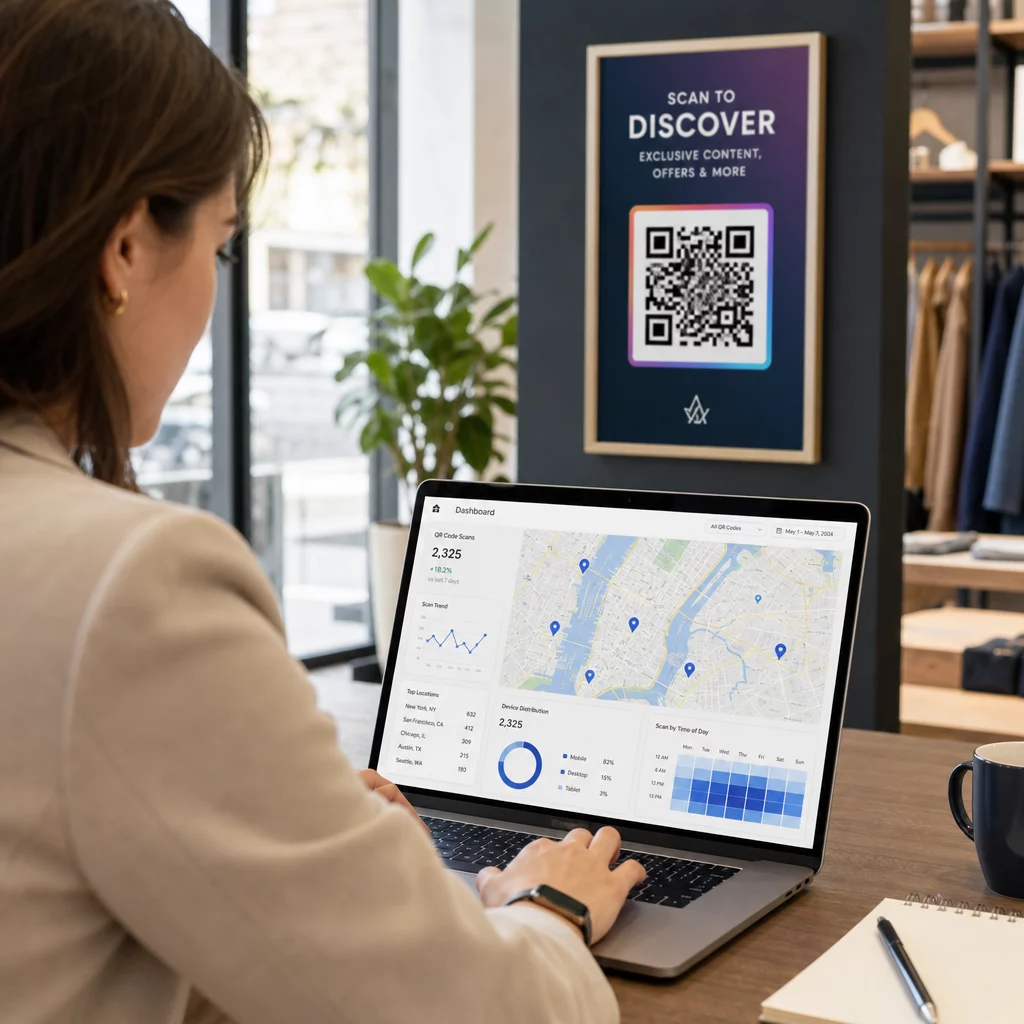
Za više informacija o konfigurisanju vaše kontrolne table i podešavanju parametara praćenja, pogledajte vodič za analitičke kontrolne table QR kodova.
Praktične primene po industriji
Praćenje QR kodova svesnih lokacije ima konkretne primene u nizu industrija:
- Малопродаја – Identifikujte koja mesta u prodavnici (ulaz, kabina za probu, kasa) generišu najviše skeniranja i koristite te podatke za tempiranje promocija ili prilagođavanje osoblja. Kodovi specifični za lokaciju mogu isporučiti različite ponude u zavisnosti od toga gde u prodavnici kupac skenira.
- Događaji i konferencije – Pratite korišćenje ulaznih tačaka, pratite kretanje gužve kroz sale za sesije i prikupljajte podatke o prisustvu bez ručnih procesa prijave.
- Здравствена нега – Postavite QR kodove na ulazima odeljenja kako biste pratili protok pacijenata i identifikovali uska grla u navigaciji unutar objekta.
- Хоспиталити – Pratite koji stolovi, lokacije ili tačke kontakta sa gostima generišu najviše digitalnog angažmana, a zatim koristite te podatke za optimizaciju postavljanja menija ili promotivnih materijala.
- образовање – Koristite QR kodove širom kampusa za navigaciju, pristup resursima i praćenje prisustva, pri čemu podaci o lokaciji otkrivaju koja područja beleže najveći angažman.
Za preduzeća sa više lokacija, analiza vođena veštačkom inteligencijom na svim lokacijama može otkriti obrasce koji ne bi bili vidljivi kada se posmatra bilo koja pojedinačna lokacija izolovano.
Privatnost i usklađenost
Podaci o lokaciji – posebno precizne GPS koordinate – klasifikovani su kao osetljivi lični podaci prema državnim zakonima o privatnosti SAD, uključujući CCPA i Zakon o zaštiti podataka potrošača Virdžinije. Ovi zakoni zahtevaju jasna obelodanjivanja o tome koji se podaci prikupljaju, kako se koriste i kako se korisnici mogu odjaviti.
Praktični koraci za usklađenost uključuju:
- Podrazumevano korišćenje praćenja zasnovanog na IP adresi, koje ne zahteva pristanak
- Dobijanje eksplicitne dozvole pretraživača pre prikupljanja GPS koordinata
- Anonimizovanje prikupljenih podataka tako da se ne mogu povezati sa pojedinačnim korisnicima
- Primena minimizacije podataka – prikupljanje samo onoga što je neophodno za cilj kampanje
- Postavljanje ograničenja zadržavanja podataka i brisanje detaljnih podataka o lokaciji nakon definisanog perioda
Pageloot podrazumevano anonimizuje podatke o skeniranju, pri čemu se detaljne informacije o lokaciji prikupljaju samo putem eksplicitnih zahteva za pristanak. Platforma je usklađena sa GDPR i CCPA okvirima usklađenosti, automatski prilagođavajući prakse prikupljanja podataka na osnovu primenljivih regionalnih zahteva.
Za detaljan pregled implementacije usklađenosti, pogledajte vodič o obezbeđivanju GDPR usklađenosti u analitici QR kodova.
Najbolje prakse za postavljanje QR kodova
Čak ni najbolja analitika ne može nadoknaditi loše fizičko postavljanje. Gde postavite QR kod određuje koje podatke o lokaciji prikupljate i koliko skeniranja zapravo generišete.
- Postavite kodove u visini očiju blizu prirodnih mesta za zaustavljanje – liftova, kasa, držača menija i informativnih kioska
- Odgovarajuće dimenzionirajte kodove: najmanje 1 × 1 inč za skeniranje iz blizine, 4 × 4 inča ili veće za skeniranje na daljinu
- Izbegavajte mesta sa jakim senkama, direktnom sunčevom svetlošću ili slabim ambijentalnim svetlom
- Uvek uključite jasan poziv na akciju (“Skenirajte za današnji meni”, “Skenirajte da proverite dostupnost”) kako bi korisnici razumeli zašto bi trebalo da skeniraju
- Za kampanje na više lokacija, dodelite zasebne parametre praćenja svakom mestu postavljanja kako bi vaša analitika mogla da razlikuje performanse po lokaciji
Dinamički kodovi olakšavaju pokretanje A/B testova na različitim lokacijama bez ponovnog štampanja. Ako video sadržaj bolje funkcioniše na jednoj lokaciji, a PDF bolje na drugoj, možete nezavisno ažurirati odredište svakog koda na osnovu onoga što podaci pokazuju.
Pogledajte koje lokacije podstiču stvarnu angažovanost Koristite Pageloot-ov funkcije analitike da uporedite performanse skeniranja na svakoj lokaciji, tipu uređaja i vremenskom periodu – i prilagodite kampanje na osnovu onoga što podaci zapravo pokazuju.
Korišćenje uvida o lokaciji za automatizaciju marketinga
Podaci o lokaciji u realnom vremenu otvaraju vrata automatizovanim kampanjama svesnim konteksta. AI može detektovati lokacije sa visokom angažovanošću i pokrenuti ciljani sadržaj za te oblasti. Kampanja sa geofencingom, na primer, može da prikazuje različit sadržaj odredišne stranice u zavisnosti od tačnog mesta skeniranja – posetilac muzeja koji skenira blizu jedne izložbe dobija informacije specifične za tu izložbu, a ne početnu stranicu muzeja.
Podaci o lokaciji se takođe integrišu sa platformama za e-poštu i CRM, omogućavajući segmentaciju publike na osnovu ponašanja pri skeniranju i geografije. Korisnici koji skeniraju na određenoj lokaciji prodavnice mogu biti dodati u relevantnu sekvencu praćenja, dok korisnici u različitim regionima mogu primati sadržaj prilagođen njihovom tržištu.
Trgovci na malo mogu koristiti prognoze obima skeniranja da bi predvideli prometne periode i shodno tome prilagodili osoblje ili zalihe. Vremenom, kombinacija istorijskih podataka o lokaciji i prediktivnog modeliranja čini kampanje sve efikasnijim – identifikujući gde treba usmeriti resurse pre početka sledećeg promotivnog ciklusa.
Za više o tome kako se AI mogućnosti primenjuju na QR kampanje uopšteno, pogledajte članak o kako AI poboljšava marketinške kampanje QR kodova.
Šta ovo znači za vaše kampanje
Praćenje QR kodova zasnovano na lokaciji pretvara nejasne brojeve skeniranja u specifične, delotvorne informacije. Možete identifikovati koja mesta podstiču najveću angažovanost, kada je vaša publika najaktivnija na svakoj lokaciji i kako shodno tome rasporediti resurse kampanje. Dinamički QR kodovi omogućavaju ovo praćenje bez ponovnog štampanja materijala, dok analitika vođena veštačkom inteligencijom otkriva obrasce koje ručne metode jednostavno ne mogu detektovati u velikom obimu.
Sledeći korak je kreiranje dinamičkih QR kodova sa omogućenim praćenjem i njihovo postavljanje na vašim lokacijama. Kako se podaci o skeniranju akumuliraju, geografski i vremenski obrasci koji se pojave pružiće vam merljivu osnovu za svaku buduću odluku o postavljanju i kampanji.
Istražite Pageloot-ov pun opseg funkcija da vidite kako kreiranje QR kodova, analitika i upravljanje kampanjama funkcionišu zajedno na jednoj platformi.
Često postavljana pitanja
Praćenje zasnovano na IP adresi određuje lokaciju skeniranja rešavanjem grada i zemlje iz mrežne IP adrese uređaja za skeniranje. Radi automatski bez saglasnosti korisnika i pogodno je za regionalnu analizu, iako je tačnost obično oko 50–70% na nivou grada. Praćenje zasnovano na GPS-u prikuplja precizne koordinate sa uređaja i tačno je unutar nekoliko metara, ali zahteva da korisnik eksplicitno odobri dozvolu za lokaciju. Praćenje zasnovano na IP adresi odgovara većini kampanja; praćenje zasnovano na GPS-u je najbolje za slučajeve upotrebe koji zahtevaju tačne podatke o lokaciji, kao što su geofencing ili analitika gužve na velikim mestima.
Da. Statički QR kodovi kodiraju fiksno odredište i ne podržavaju nikakvo praćenje. Dinamički QR kodovi usmeravaju svako skeniranje kroz server za praćenje koji beleži lokaciju, tip uređaja, vremensku oznaku i druge podatke pre preusmeravanja korisnika. Bez dinamičkog koda, podaci o skeniranju se ne beleže. Možete kreirati i upravljati dinamičkim QR kodovima sa ugrađenom analitikom koristeći Pageloot-ov generator dinamičkih QR kodova.
U Sjedinjenim Državama, precizna geolokacija se tretira kao osetljiva lična informacija prema zakonima uključujući CCPA i Zakon o zaštiti podataka potrošača Virdžinije. Preduzeća moraju pružiti jasna obaveštenja o tome koji se podaci prikupljaju, ponuditi mehanizme za odustajanje i bezbedno rukovati podacima. Praćenje zasnovano na IP adresi generalno ne zahteva pristanak; praćenje zasnovano na GPS-u zahteva. Najbolje prakse uključuju anonimizaciju prikupljenih podataka, minimiziranje onoga što prikupljate na ono što je neophodno, postavljanje ograničenja zadržavanja podataka i korišćenje platforme koja podržava okvire usklađenosti sa GDPR-om i CCPA-om. Pogledajte kompletan vodič o usklađenosti sa GDPR-om u analitici QR kodova za detalje implementacije.