QR codes are transforming how businesses track products from creation to disposal. They link physical items to digital records, providing real-time updates on sourcing, production, distribution, and recycling. This technology improves supply chain visibility, boosts efficiency, and helps meet consumer demands for transparency and accountability.
Key Highlights:
- Traceability: QR codes store data like production dates, certifications, and quality checks, accessible throughout the supply chain.
- Wydajność: Scanning QR codes simplifies inventory management, reduces errors, and streamlines logistics.
- Consumer Trust: Customers can verify product origins, access detailed information, and ensure authenticity with a quick scan.
- Sustainability: QR codes offer recycling instructions and enable tracking of products’ end-of-life processes.
With growing regulations like the EU’s Digital Product Passport (2026) and rising consumer expectations, QR codes are becoming essential for businesses to stay competitive and responsible.
How to Track Inventory and Assets with QR Codes – Inventory System and Asset Tracking Tutorial
Key benefits of QR codes for product lifecycle management
QR codes simplify every stage of product lifecycle management, making it easier to track items, improve processes, ensure product authenticity, and promote eco-friendly practices. These small codes do much more than just track items – they can help businesses work smarter and build stronger connections with customers.
Better traceability and transparency
QR codes are changing how businesses keep tabs on products by creating detailed digital records that follow each item throughout its journey. They connect everyone in the supply chain, offering real-time access to critical product details.
By generating a QR code for each batch or individual product, businesses can assign a unique digital identity that stores information like sourcing locations, production dates, certifications, and handling conditions. This makes it much easier to trace items when issues arise, saving time and effort compared to manually tracking through multiple suppliers and distributors.
For industries like pharmaceuticals, food production, and automotive manufacturing, this transparency is especially valuable. These sectors often face strict regulations, and QR codes make it simpler to provide the required product histories to regulators. For manufacturers, this is a key tool for maintaining quality standards and certifications.
QR codes also provide real-time visibility into supply chain operations. By updating as products move through different stages, they help managers quickly identify bottlenecks, delays, or quality issues, allowing them to act before small problems turn into bigger ones.
Improved inventory and logistics efficiency
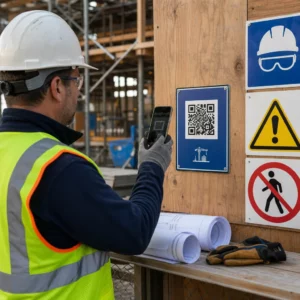
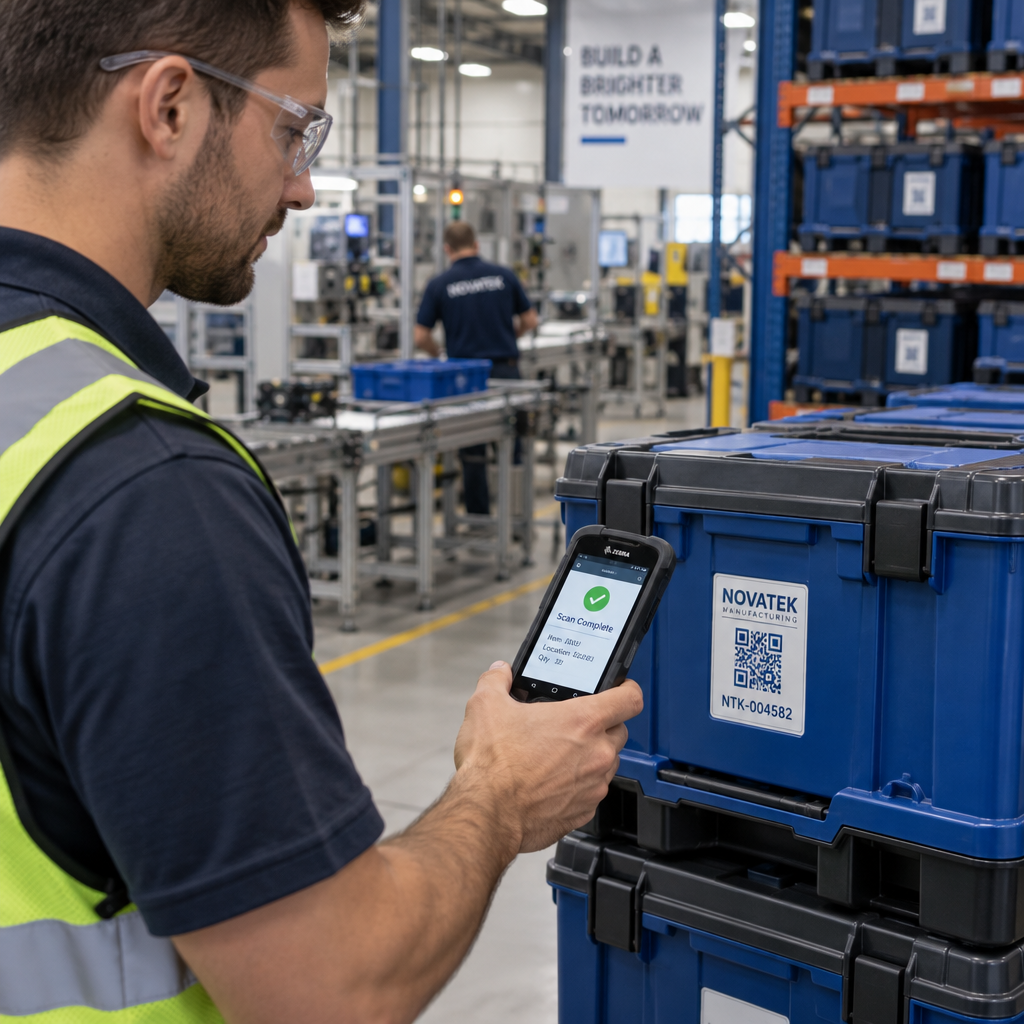
QR codes make inventory management faster and more accurate by eliminating the need for manual data entry or specialized tools. Warehouse teams can scan QR codes with a smartphone or tablet to instantly update inventory levels, check shipment contents, or review product details.
This approach saves significant time compared to traditional methods, where data often needs to be entered manually across multiple systems. A single QR code scan can automatically update inventory records, trigger reorder alerts, and even prepare shipping documents.
Dynamiczne kody QR take things a step further by allowing updates without changing the physical code. For example, shipping companies can add tracking updates, customs details, or delivery instructions to the same QR code, making logistics more flexible and efficient.
By reducing the errors associated with manual entry, QR codes also help prevent shipping mistakes and inventory mismatches. Analytics from QR code scans provide valuable insights, such as which products move the fastest, where delays occur, and where inventory processes can be improved.
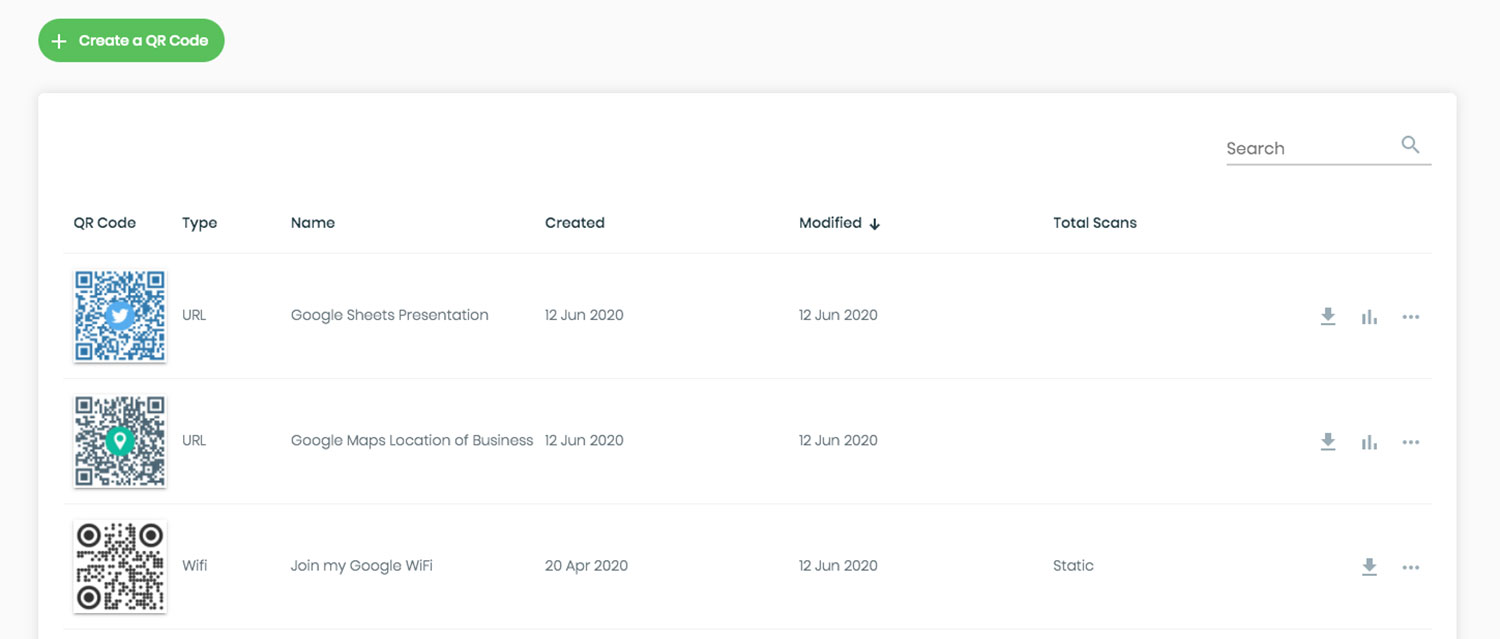
Platforms like Pageloot make these benefits more accessible. With its free QR generator that supports both static and dynamic codes, Pageloot allows businesses to update product details in real time and gain deeper insights through analytics. These tools simplify operations for both small businesses and large manufacturers, paving the way for better product authentication and sustainability practices.
Boosting product authenticity and consumer trust
Counterfeiting is a major challenge for many businesses, and QR codes offer a practical solution. When customers scan a product’s QR code, they can instantly verify its authenticity by accessing details like certifications, product origins, or direct company contact information.
Authentic QR codes are linked to verified manufacturer databases, while counterfeit codes often lead to broken links or generic web pages, making it easier for customers to recognize fake products.
Beyond combating counterfeits, QR codes help build trust by offering detailed product information without cluttering the packaging. This is particularly helpful for premium products or items that make specific quality claims.
The verification process also opens doors for direct customer engagement. Businesses can use QR codes to connect buyers with loyalty programs, exclusive content, or feedback channels, fostering relationships that go beyond the initial purchase.
Supporting sustainability initiatives
QR codes are playing a key role in promoting sustainability by helping consumers and recycling facilities manage products responsibly at the end of their lifecycle. Instead of vague disposal instructions, QR codes can provide clear recycling guidelines, return options, or refurbishment programs.
These benefits extend throughout a product’s lifecycle. QR codes can validate claims about sustainable sourcing, giving consumers the information they need to make informed choices. For businesses focused on responsible practices, this transparency can be a strong selling point.
For companies tracking their environmental impact, QR codes serve as valuable data tools. Each scan can log details like location and time, which helps calculate transportation emissions, usage patterns, and end-of-life handling.
QR codes also help reduce waste. By offering maintenance tips, troubleshooting guides, or upgrade options, they encourage customers to extend a product’s lifespan instead of replacing it prematurely. This aligns with the growing demand for sustainable consumption and appeals to environmentally conscious markets.
Additionally, QR codes support take-back programs by tracking returns and guiding products into refurbishment or recycling systems. This helps manufacturers meet end-of-life regulations and contribute to a circular economy.
Customization and Advanced Features for QR Codes
QR codes have come a long way from simple tracking tools to becoming powerful assets in product lifecycle management. By incorporating advanced customization options and robust security features, businesses can transform basic tracking into a comprehensive solution for managing products from start to finish.
Individual QR Codes for Each Product
Assigning a unique QR code to every product opens up new possibilities for precise tracking and personalized customer interactions. Each code serves as a digital fingerprint, storing detailed information like manufacturing dates, batch numbers, quality control details, and even the product’s complete history.
This level of detail is especially valuable for high-end items. For example, electronics and luxury goods manufacturers use serialized QR codes to link products to warranty details, repair records, and authenticity verification.
The real game-changer here is the granular data these codes provide. When customers scan a product’s QR code, businesses can gain insights into usage patterns, geographic distribution, and customer preferences – not just at the batch level but for individual items. This data proves invaluable for improving quality control and crafting targeted marketing strategies.
Serialized QR codes are also a lifesaver for businesses managing large inventories. During recalls or quality issues, companies can pinpoint specific products instead of withdrawing entire batches, saving money, reducing waste, and preserving customer trust.
Dynamic QR Codes for Real-Time Updates
Dynamiczne kody QR take lifecycle tracking to the next level by allowing businesses to update information without reprinting the physical codes. Unlike static codes that lock in data, dynamic codes link to web pages that can be updated as needed.
This feature is incredibly useful for keeping product information current throughout its lifecycle. From production updates to shipping details and end-of-life instructions, dynamiczne kody QR ensure customers always have access to the latest information.
Tools like dynamicznym generatorem kodów QR Pageloot make this process simple. Businesses can manage updates through an online dashboard, eliminating the need for new labels or packaging.
Dynamic codes also offer powerful analytics capabilities. They track when and where scans occur, revealing trends in customer engagement over time. These insights can guide decisions on packaging design, marketing strategies, and even product development.
Branding Through QR Code Customization
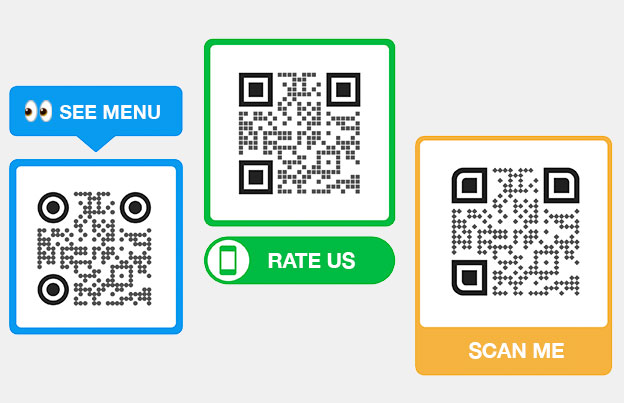
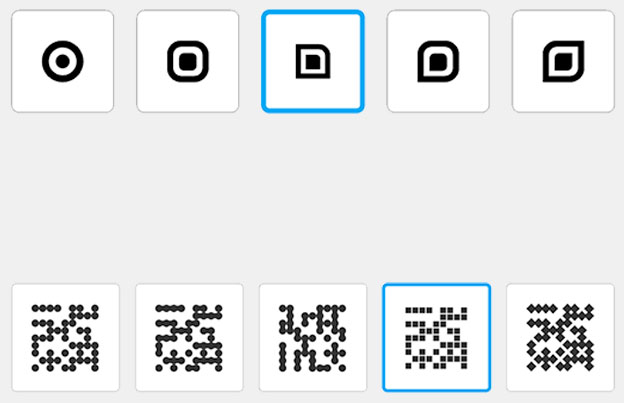
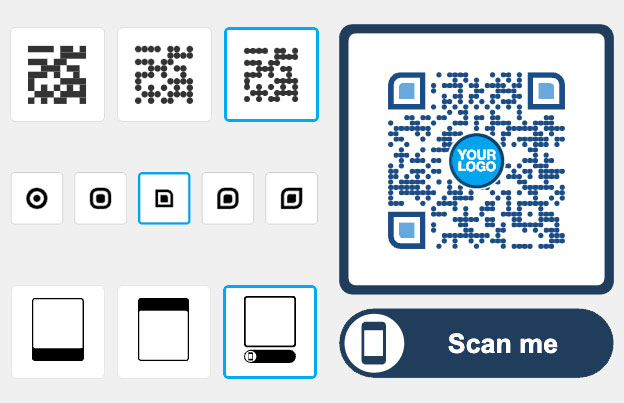
QR codes don’t have to be dull, black-and-white squares. With modern customization tools, businesses can create visually appealing codes that align seamlessly with their branding.
Options for visual customization include adding company logos, using brand colors, and incorporating design elements that complement the product packaging. The trick is ensuring the code remains functional – contrast and proper placement are critical for reliable scanning across different devices and lighting conditions.
generatora kodów QR Pageloot with logo offers a range of branding features, enabling businesses to design QR codes that feel like an integral part of their visual identity. Companies can use pre-made templates or craft unique designs tailored to specific product lines or campaigns.
Beyond aesthetics, branding extends to the user experience. Businesses can customize the landing pages linked to their QR codes, creating a seamless journey that reinforces brand messaging while providing useful product information. For instance, premium brands might opt for elegant color schemes, while eco-conscious brands could use earthy tones to emphasize sustainability.
Security and Anti-Counterfeiting Measures
Counterfeiting is a costly problem, and QR codes with advanced security features can help combat it. Encryption, tamper-proof elements, and time-sensitive authentication ensure that each scan confirms a product’s authenticity.
Authentication servers play a key role here. They validate each scan against a manufacturer’s database, providing customers with confirmation messages and detailed product information. If a counterfeit code is scanned, the system can trigger alerts or display warnings to protect consumers.
For industries like pharmaceuticals, automotive parts, or luxury goods, these security measures are non-negotiable. They safeguard brand reputation, ensure customer safety, and reduce losses from counterfeit products. The investment in secure QR code systems often pays off by boosting customer confidence and minimizing fraud.
QR codes can also integrate with other security technologies, such as RFID tags and blockchain verification, to create layered protection systems. These advanced measures make it nearly impossible for counterfeiters to replicate products, setting the stage for seamless integration into manufacturing and other industry-specific applications.
sbb-itb-74874c9
Implementation Strategies and Industry Use Cases
Building on the advantages of traceability and real-time updates, here’s a practical guide to integrating QR codes into your product lifecycle.
Step-by-Step Guide to QR Code Integration
To ensure a smooth transition, implement QR codes in phases, aligning them with your product lifecycle.
Phase One: Establish Basic Infrastructure
Start by mapping out your product journey. Identify critical touchpoints like quality control, packaging, distribution, and post-sale services where QR codes will add value. Select a reliable QR code platform that suits your volume needs. For example, Pageloot’s QR code generator offers scalability, allowing you to start small and expand as required. Set up a database structure to capture tracking information, ensuring it integrates seamlessly with existing systems like ERP software or inventory management tools.
Phase Two: Run Pilot Tests
Begin with a small-scale rollout, such as a specific product line or a single manufacturing batch. This pilot phase helps identify technical issues and provides an opportunity to train your team without disrupting operations. Test the scanning process thoroughly – evaluate performance across different lighting conditions, scanning distances, and device types to ensure reliability.
Phase Three: Full Deployment
Expand QR code integration across all product lines. Train your staff on new workflows and establish clear protocols for scanning, data entry, and troubleshooting. Dynamic QR codes are particularly useful here, as they allow real-time updates without the need to reprint labels.
Throughout the process, prioritize seamless data integration. Ensure the QR code system feeds directly into your existing business systems, avoiding isolated data silos. This may involve collaborating with your IT team or software vendors to configure API connections and synchronize data effectively.
With the implementation plan in place, let’s explore how various industries are using QR codes to address their specific challenges.
Zastosowania specyficzne dla branży
QR codes are being used across industries to tackle unique challenges and meet regulatory standards. These applications not only enhance product integrity but also align with sustainability goals.
- Pharmaceuticals: Unique QR codes ensure drug safety and authenticity, helping to combat counterfeiting and verify medication legitimacy.
- Food and Beverage: QR codes facilitate traceability, enabling quick identification of contaminated products and providing consumers with ingredient details and sustainability practices.
- Electronics: Integrated QR codes simplify warranty management by giving technicians instant access to device history and service records.
- Luxury Goods: High-end brands use QR codes to prevent counterfeiting by linking to secure authentication servers while tracking product distribution.
- Automotive Industry: QR codes streamline parts tracking and maintenance records, allowing mechanics to access manufacturing specs and service histories for accurate repairs and efficient recalls.
Beyond these specific uses, QR codes are also transforming manufacturing automation.
QR Codes and Manufacturing Automation
Modern manufacturing facilities are embedding QR codes into automated systems, creating seamless data flows from production to delivery.
- Robotic Systems: Robots use QR codes to retrieve assembly instructions, quality standards, and handling requirements instantly. This eliminates guesswork and reduces errors during production.
- Quality Control: QR codes link test results directly to individual items. Automated systems flag defective products and update tracking databases, ensuring continuous quality documentation for regulatory compliance.
- Zarządzanie zapasami: Warehouse robots scan QR codes to track item locations, monitor stock levels, and optimize storage. Dynamic QR codes enable real-time inventory updates across multiple sites, helping businesses avoid stockouts and reduce storage costs.
Integration also enhances supply chain coordination. Shipping systems scan QR codes to update delivery statuses, while receiving departments use the same codes to verify shipments and update inventory records.
For businesses looking to adopt similar automation, tools like QR codes on products offer a starting point. Begin with basic tracking features and scale up to more advanced applications as your needs grow.
Analytics, Automation, and Future Trends
QR code scan data isn’t just about tracking; it’s about making smarter decisions and uncovering new opportunities throughout a product’s lifecycle. By building on the traceability and efficiency QR codes provide, businesses can unlock valuable insights to improve operations and customer experiences.
Using Real-Time Analytics
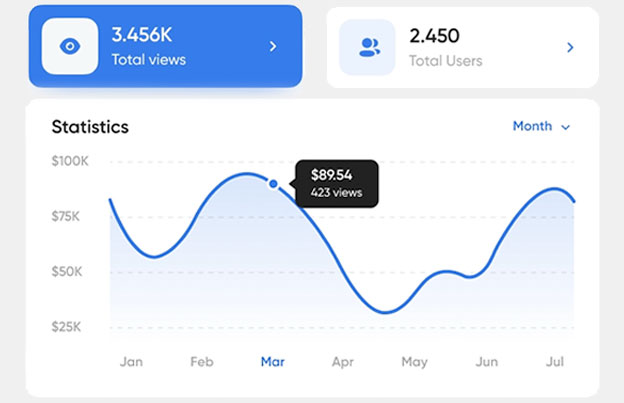
Statystyki kodów QR turn scan data into actionable insights. Each scan captures details like location, time, device type, and user behavior, creating a wealth of information for businesses to leverage.
Tracking performance is one of the most impactful uses of QR analytics. Businesses can identify which products drive the most engagement and pinpoint peak interaction times. This helps with everything from scheduling maintenance and restocking inventory to planning targeted campaigns. Geographic data also highlights regional preferences and potential supply chain issues.
Pageloot’s analytics dashboard offers real-time insights into scan patterns, user demographics, and engagement metrics. With this tool, businesses can see which QR codes perform best, identify weak points in the customer journey, and measure the success of campaigns.
Analytics also enhance quality control. For example, manufacturers can identify products with higher return rates by analyzing scan data from service centers. If warranty claims spike, analytics can quickly detect and address the root causes of manufacturing issues.
Jeśli chodzi o inventory management, scan data helps retailers predict demand trends more accurately. By analyzing how often customers interact with specific products, businesses can optimize stock levels, cut waste, and improve customer satisfaction.
For those just starting with QR code analytics, tools like Pageloot’s QR code generator make it easy to get started. These tools automatically track essential metrics, offering valuable insights without requiring complex technical setups. These insights can also feed directly into automated marketing strategies.
Integrating QR Codes with Marketing Automation
QR codes act as a bridge, connecting physical products to digital marketing campaigns. This creates personalized experiences that boost customer engagement and drive sales.
Personalized campaigns are a great example of this integration. When a customer scans a QR code, the system can trigger tailored emails, product recommendations, or special offers based on their purchase history. This approach delivers relevant content at the perfect time, increasing the likelihood of conversions.
QR codes also streamline contactless payments, allowing customers to complete purchases with a simple scan. This not only eliminates checkout lines but also captures transaction data that integrates with CRM systems, helping businesses build detailed customer profiles.
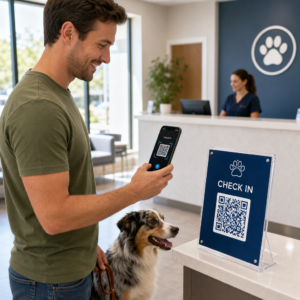
Another use case is event check-ins, where QR codes simplify attendee registration at trade shows or product launches. At the same time, they collect valuable engagement data for organizers.
Marketing automation platforms work seamlessly with QR systems to guide customer journeys. For instance, when a customer scans a code on product packaging, they can be added to an email list, sent product care tips, or offered complementary items.
Cross-channel integration takes this a step further by connecting QR code interactions with social media, email campaigns, and advertising platforms. The data gathered helps fine-tune ad targeting, create lookalike audiences, and evaluate campaign performance across various channels.
Building on these analytics and automation capabilities, QR codes are also paving the way for more sustainable business practices.
Future Directions: Circular Economy and Sustainability
QR codes are becoming vital tools for businesses aiming to adopt sustainable practices and support circular economy initiatives. These technologies help extend product lifecycles while reducing environmental impact.
End-of-life tracking is one way QR codes contribute to sustainability. By linking products to databases that track disposal methods and recycling rates, manufacturers gain insights into how their items are discarded or reused. This data can inform more sustainable design choices for future products.
Recycling optimization is another area where QR codes shine. Instead of guessing a product’s composition, recyclers can scan codes to access detailed material specifications, disassembly instructions, and separation guidelines. This makes recycling more efficient and increases the value of recovered materials.
In circular business models, QR codes help track products through multiple use cycles, such as rental, refurbishment, and resale. For instance, furniture companies can monitor the condition and history of items with each scan, ensuring accurate pricing and quality assessments for secondary markets.
Carbon footprint tracking also becomes more precise with QR data. Businesses can calculate environmental impacts by monitoring transportation routes, energy use, and material sourcing throughout a product’s lifecycle.
QR codes also play a role in consumer education. Packaging codes can link to recycling instructions, repair guides, or information about a product’s environmental impact. This transparency not only builds trust but also encourages responsible disposal habits.
Looking ahead, QR codes will likely integrate with blockchain technology for secure tracking records and use AI-driven tools to predict the best end-of-life options for products. These advancements will make circular economy practices more efficient and accessible for businesses of all sizes.
As regulations on product responsibility tighten, QR codes provide the infrastructure businesses need to comply while adopting greener, more sustainable models.
Wniosek
QR codes have become a game-changer for tracking products throughout their entire lifecycle – from manufacturing to recycling. They enhance operational efficiency, foster customer trust, and address growing demands for transparency and sustainability.
Kluczowe wnioski
Effortless traceability is now possible by linking physical products to digital records via QR codes. Each scan enhances quality monitoring, inventory management, and problem-solving. This visibility helps reduce waste, combat counterfeiting, and support smarter decision-making.
Automation simplifies inventory and quality control. Dynamic QR codes provide real-time updates, allowing businesses to instantly adjust information without reprinting labels or packaging.
Transparency strengthens customer trust. With a quick scan, consumers can verify product authenticity, access care instructions, and understand environmental impacts. This openness not only builds loyalty but also sets brands apart in competitive markets.
Sustainability becomes actionable. QR codes enable companies to track recycling rates and improve material recovery, helping them align with circular economy models and comply with stricter environmental regulations.
Beyond these advantages, QR codes also unlock personalized marketing opportunities. They connect products to digital experiences, triggering targeted campaigns, gathering customer insights, and creating meaningful interactions throughout the product journey.
These capabilities prepare businesses to thrive in a rapidly changing regulatory and consumer landscape.
Wezwanie do działania
Ready to integrate QR code tracking into your operations? Pageloot offers a complete platform to create, customize, and manage QR codes at scale. Whether you’re focused on tracking products in manufacturing or boosting customer engagement online, Pageloot’s tools are built to grow with your business.
Take the first step by starting with one product line. Use Pageloot’s QR code generator to create dynamic codes and leverage real-time analytics to refine your strategy.
Transparent, traceable supply chains are no longer optional – they’re becoming a necessity. Companies that adopt QR tracking today will be better equipped to meet future regulations, satisfy evolving customer expectations, and achieve sustainability goals. Start now and see how QR codes can revolutionize your product lifecycle management.
Często zadawane pytania
How can QR codes improve transparency and traceability in product lifecycle management?
QR codes have become a key player in improving transparency oraz traceability across a product’s entire journey. By placing QR codes on products or their packaging, businesses can give consumers instant access to detailed information – like where raw materials were sourced, how the product was made, and its distribution path. This not only promotes accountability but also helps build stronger consumer trust.
Dynamic QR codes take it a step further by enabling real-time updates and monitoring. Companies can use them to quickly address issues, fine-tune logistics, and enhance supply chain efficiency. With their ability to simplify data sharing and tracking, QR codes have become an essential tool for managing product lifecycles in today’s fast-paced world.
What makes dynamic QR codes better than static ones for updating product information?
Dynamic QR codes are a game-changer when it comes to keeping product information up to date. Unlike static QR codes, which lock in their data once created, dynamiczne kody QR let you adjust the linked content anytime – no need to reprint the code. This feature allows businesses to quickly refresh details like product descriptions, prices, or special promotions without replacing printed materials.
But that’s not all. Dynamic QR codes also offer tracking and analytics capabilities. You can gather insights like where and when scans occur, as well as how users interact with the linked content. This data is invaluable for fine-tuning marketing strategies and getting a clearer picture of customer behavior. Thanks to these features, dynamic QR codes are a perfect fit for industries that demand frequent updates or rely on detailed performance data.
How do QR codes help businesses promote sustainability and support the circular economy?
QR codes are making waves in promoting eco-conscious practices and contributing to a circular economy. By giving consumers access to detailed information – like where a product comes from, how to recycle it, or the best way to dispose of it – these codes help cut down on waste and encourage greener habits.
Beyond just informing consumers, QR codes are also the backbone of product passports. These passports track components for reuse, streamline inventory management to avoid overproduction, and even support digital tools like contactless menus, which help reduce paper waste. For businesses, adopting QR codes isn’t just practical – it’s a way to align with circular economy values and show a genuine commitment to sustainable practices.
Powiązane wpisy na blogu