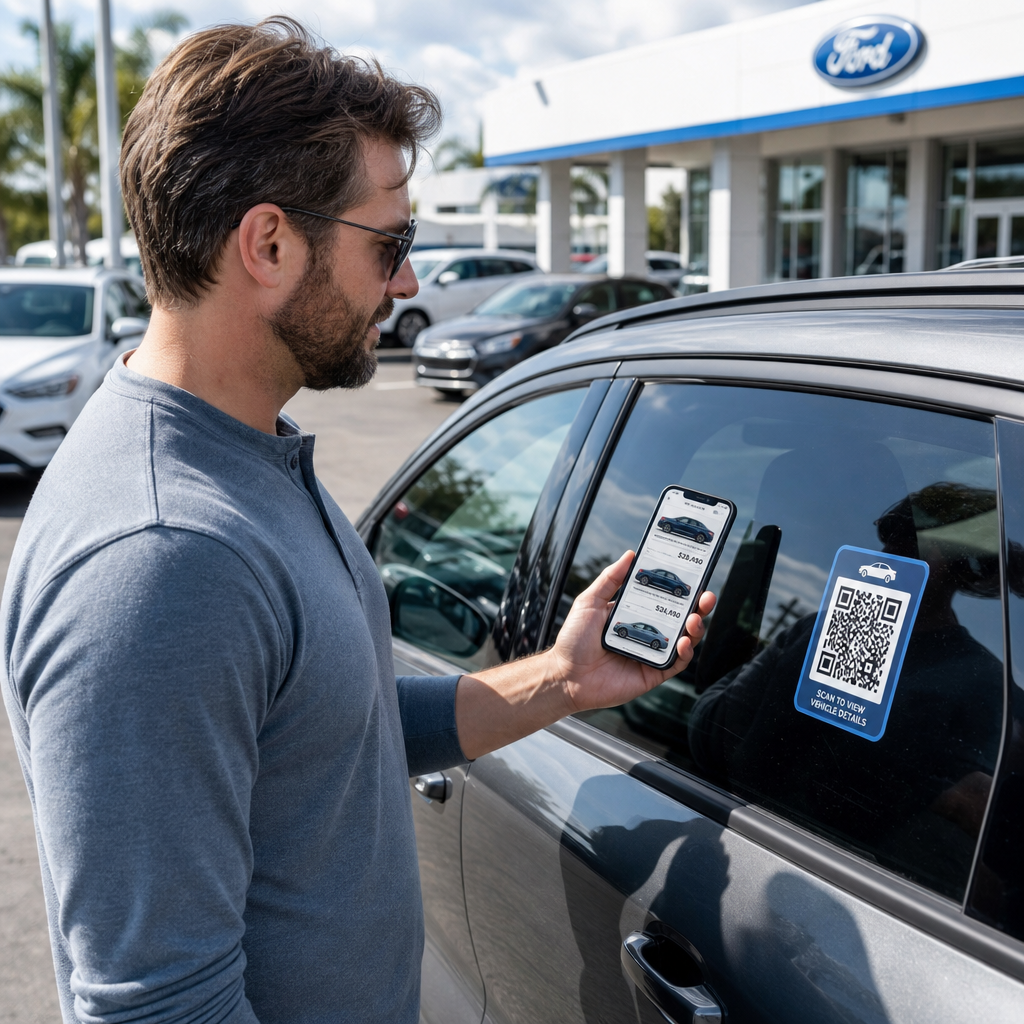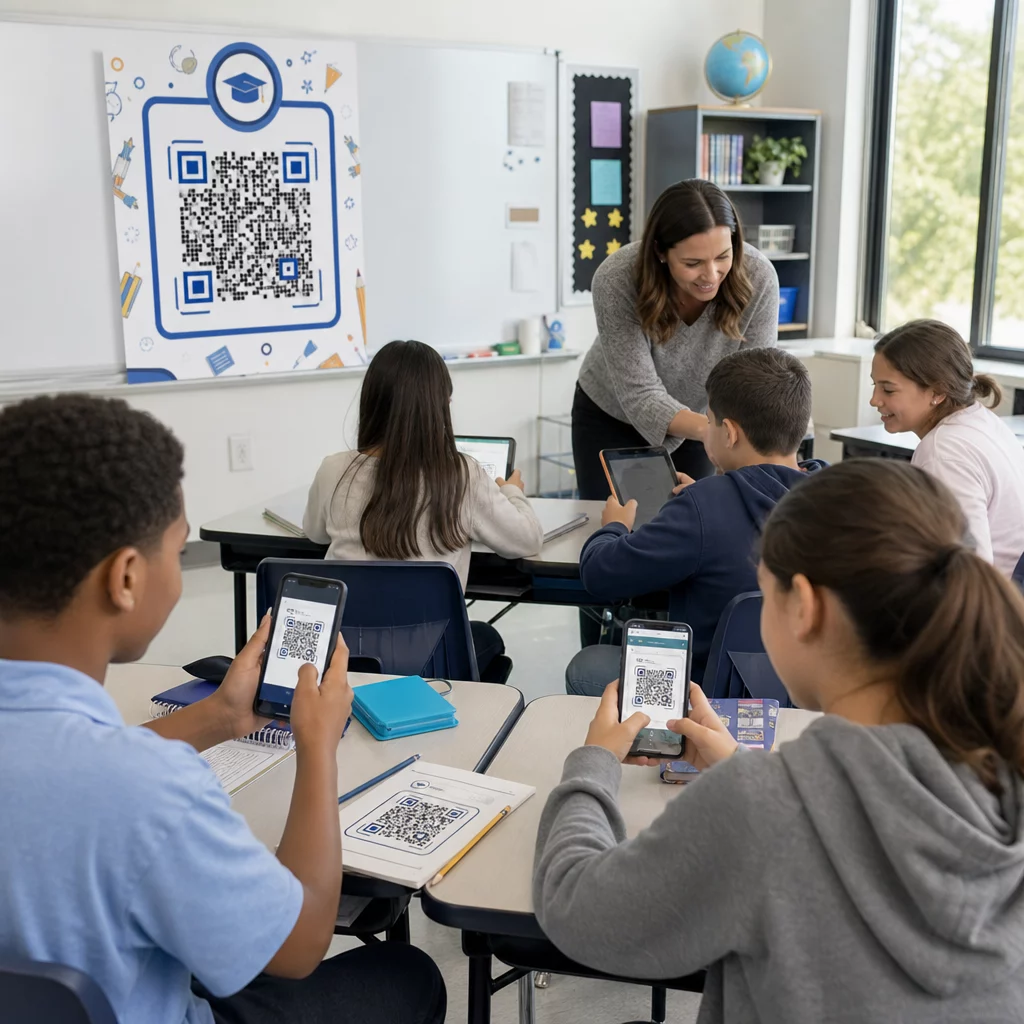
Ieškote QR kodo kampanijų idėjų, kurios iš tiesų davė rezultatų? Skirtumas tarp pamirštamo kodo, priklijuoto ant skrajutės, ir kampanijos, kuri paskatina milijonus programėlių įdiegimų, dažnai priklauso nuo strategijos, o ne nuo pačios technologijos. Šiame straipsnyje analizuojamos realios didelių prekių ženklų kampanijos, kas lėmė jų sėkmę ir kaip galite pritaikyti tą patį mąstymą savo reklamai.
Kodėl QR kodai veikia geriau nei tradiciniai reklamos formatai
Prieš pradedant nagrinėti konkrečias kampanijas, naudinga suprasti, kodėl QR kodai nuolat lenkia kitus reklamos formatus. QR kodai spausdintoje ir lauko reklamoje užtikrina vidutinį 37% paspaudimų rodiklį – žymiai didesnį nei 2–5% rodiklis, būdingas skaitmeninės vaizdinės reklamos skelbimams. Šis skirtumas egzistuoja, nes QR nuskaitymas yra aktyvus, didelės intencijos veiksmas: asmuo, kuris išsitraukia telefoną ir nuskaito, jau yra įsitraukęs, o ne pasyviai slenka pro reklamjuostę.
Šis įsitraukimas taip pat yra išmatuojamas būdais, kurių tradicinės medijos niekada negalėjo pasiūlyti. Kiekvienas nuskaitymas registruoja laiko žymę, vietą ir įrenginio tipą. Kai tai sujungsite su UTM parametrais ir realaus laiko analizės prietaisų skydeliais, reklaminis stendas ar produkto pakuotė tampa atsekamu konversijos tašku. Tyrimai rodo, kad 68% vartotojų bent kartą per pastaruosius metus naudojo QR kodą, o Z karta (83%) ir tūkstantmečio karta (81%) pirmauja diegimo srityje – todėl QR išdėstymai yra perspektyvūs masinio pasiekiamumo formatuose, tokiuose kaip televizija, pakuotės ir lauko reklama.
Vienas svarbus skirtumas formuoja kiekvieną toliau pateiktą kampaniją: dinaminiai QR kodai palyginti su statiniais. Statiniai kodai jus užrakina vienoje paskirties vietoje. Dinaminiai kodai naudoja trumpą nukreipimo URL, kurį galima atnaujinti bet kuriuo metu – net ir po spausdinimo – ir jie teikia nuskaitymo lygio analizę, kurios statiniai kodai tiesiog negali. Bet kuriai realiai reklamos kampanijai, dinaminiai QR kodai yra praktiškas pasirinkimas.
Stebėkite kiekvieną nuskaitymą iš kiekvienos vietos Norite sužinoti, kuris reklamos formatas – plakatas, pakuotė ar TV reklama – skatina didžiausią įsitraukimą? Naudokite Dinaminis QR kodo generatorius , kad sukurtumėte atsekamus kodus su išsamia analizės prietaisų skydeliu, kad galėtumėte optimizuoti savo kampaniją realiuoju laiku.
Kampanijų pavyzdžiai, verti dėmesio
„Coinbase“ šokinėjančio QR kodo „Super Bowl“ reklama
2022 m. „Coinbase“ transliavo 60 sekundžių „Super Bowl“ reklamą, kuri buvo tik šokinėjantis QR kodas juodame ekrane – be balso, be įžymybių, be produkto demonstracijos. Tai buvo tiesioginė nuoroda į ekrano užsklandų erą ir puikiai pasitarnavo kaip kultūrinis kabliukas.
Rezultatai buvo nedelsiami: per vieną minutę po reklamos pasirodymo nukreipimo puslapis sulaukė daugiau nei 20 milijonų paspaudimų, dėl ko „Coinbase“ serveriai sugedo. Programėlė pakilo į antrąją labiausiai atsisiunčiamų programėlių vietą JAV „Apple App Store“. Nukreipimo puslapis siūlė 15 USD naujiems registruotiems vartotojams, suteikdamas žiūrovams momentinę, apčiuopiamą priežastį nuskaityti.
Kodėl tai suveikė:
- Netikėtas kūrybinis formatas sukėlė smalsumą ir socialinį ažiotažą dar nepasibaigus žaidimui
- Paskata ($15 registracijos premija) suteikė didelės ketinimo žiūrovams aiškią priežastį veikti nedelsiant
- Vykdymo paprastumas reiškė, kad QR kodas buvo reklama, pašalinanti bet kokį blaškymą nuo raginimo veikti
Išvada: QR kodo suporavimas su laiko atžvilgiu jautria pinigine paskata – ypač didelio dėmesio žiniasklaidos momentu – gali paskatinti nepaprastą nuskaitymo apimtį. Nukreipimo puslapio patirtis turi būti greita, optimizuota mobiliesiems įrenginiams ir iš karto apdovanojanti.
„Burger King“ daugiaformatė QR strategija
„Burger King“ naudojo QR kodus trijuose skirtinguose formatuose, kurių kiekvienas turėjo skirtingą mechaniką:
COVID-19 pandemijos metu trijose TV reklamose buvo rodomas plaukiojantis QR kodas, kurį žiūrovai galėjo nuskaityti ir gauti kuponą nemokamam „Whopper“ su pirkiniu per „Burger King“ programėlę. Akcija buvo sąmoningai apribota iki 10 000 „Whopper“ mėsainių, o tai sukūrė trūkumą ir leido BK stebėti, kurios konkrečios TV reklamos sulaukė stipriausio atsako.
Atskiroje pašto kampanijoje, QR kodai ant tiesioginio pašto medžiagos siūlė nemokamą „Whopper“ su kiekvienu programėlės atsisiuntimu ir mobiliuoju užsakymu. Tai sukėlė tūkstančius programėlių atsisiuntimų, padidino programėlių naudojimą, išplėtė mobiliųjų kuponų prenumeratą ir suteikė vartotojų duomenų, kurie sustiprino auditorijos įžvalgas.
MTV VMA apdovanojimų metu „Burger King“ į transliavimą įterpė QR kodus, kuriuos žiūrovai galėjo nuskaityti naudodami BK programėlę, kad atrakintų papildytosios realybės patirtį su jų talismanu, taip pat pasiūlymus, įskaitant nemokamą „Whopper“ su $1 pirkiniu ir galimybę laimėti metus nemokamų „Whopper“ mėsainių ir VMA bilietų.
Kodėl tai suveikė:
- Kiekvienas formatas naudojo QR kodus skirtingam tikslui: TV reklamos matavo kanalo našumą, tiesioginis paštas skatino programėlių diegimą, o VMA kūrė interaktyvią pramogą
- „Whopper“ paskata yra visuotinai suprantama ir iš karto vertinga tikslinei auditorijai
- Pasiūlos apribojimas (10 000 „Whopper“ mėsainių) pavertė reklamos kodą žaidybine patirtimi
Išvada: QR kodai gali pasitarnauti skirtingiems strateginiams tikslams to paties prekės ženklo viduje. Kiekvienai vietai priskirkite atskirus dinaminius kodus, kad galėtumėte nepriklausomai priskirti našumą kiekvienam formatui. Tai yra geriausia praktika bet kokiai spausdintinei ar lauko reklamai.
„Heinz“ pakuočių QR kampanijos
„Heinz“ vykdė kelias QR kodų kampanijas ant kečupo butelių ir sriubos skardinių skirtingais metais, kiekviena su skirtingu mechanizmu:
Tas “Atspėk, ką mes ką tik pasodinome” loterija nukreipė butelių skenerius į mobiliojo ryšio nukreipimo puslapį su ekologine viktorina, suteikiančia galimybę laimėti 57 ekologiškus prizus – įskaitant ekologines atostogas Kosta Rikoje ir hibridinį automobilį. Už kiekvieną nuskaitymą „Heinz“ įsipareigojo pasodinti medį bendradarbiaudama su „The Nature Conservancy“. Po mėnesio kampanija sugeneravo 57 000 QR nuskaitymų (ir 57 000 pasodintų medžių) kartu su praneštu 30 % kečupo pardavimų padidėjimu.
Tas “Pasveikimo sriuba” kampanija, kurios metu QR kodai buvo patalpinti ant sriubos skardinių JK, leidžianti vartotojams nuskaityti ir siųsti suasmenintas skaitmenines “Greito pasveikimo” korteles. Rezultatas: daugiau nei 500 000 QR nuskaitymų per du mėnesius ir 12 % „Heinz“ sriubos pardavimų padidėjimas kampanijos metu.
A Veteranų dienos akcija leido restoranų klientams nuskaityti kečupo butelių kodus, kad išsiųstų asmeninį padėkos raštelį veteranams. Už kiekvieną išsiųstą padėką ir kiekvieną „Facebook“ patiktuką „Heinz“ įsipareigojo paaukoti 57 centus „Wounded Warrior Project“ fondui, iki 200 000 USD.
„Heinz“ taip pat pateikia svarbų įspėjamąjį pavyzdį: Vokietijos konkurso kampanija vyko 2012–2014 m., tačiau pasibaigus akcijai, „Heinz“ leido QR kodo paskirties domenui pasibaigti. URL buvo perimtas trečiosios šalies ir nukreiptas į netinkamą turinį – sukeldamas didelį neigiamą spaudos atgarsį.
Kodėl sėkmingos kampanijos veikė:
- Kiekviena kampanija susiejo nuskaitymą su prasmingu veiksmu (medžio sodinimu, atviruko siuntimu, veteranų palaikymu), o ne tik siūlė nuolaidą
- Tikslo siekiantys mechanizmai sukūrė uždirbtą žiniasklaidą ir socialinį dalijimąsi, viršijantį pradinį nuskaitymą
- Pakuočių išdėstymas pasiekia vartotojus didelio ketinimo momentu – jie jau turi produktą rankose
Išvada: QR kodai ant produkto pakuotės yra vienas iš didžiausią ketinimą turinčių išdėstymų. Naudokite dinaminiai QR kodai kad pasibaigus akcijai, tiksliai kontroliuotumėte, kur nukreipia kodas – niekada neleiskite, kad paskirties URL pasibaigtų spausdintoje medžiagoje.
„Taco Bell“ „Bowl Championship Series“ kampanija
„Taco Bell“ spausdino QR kodus ant tako dėžučių ir gėrimų puodelių nuo gruodžio iki vasario pradžios, susiejančius su būsimų „Bowl Championship Series“ žaidimų vaizdo peržiūromis. Nuskenavę gerbėjai gavo prieigą prie išskirtinio ESPN turinio, įskaitant užkulisių medžiagą ir žaidėjų interviu.
Kampanija sugeneravo daugiau nei 225 000 nuskaitymų, o siūlydama laiko jautrų, su sportu susijusį turinį, „Taco Bell“ pavertė pakuotes interaktyvia medija futbolo sezono piko metu.
Kodėl tai suveikė:
- Turinys buvo tikrai vertingas tikslinei auditorijai tam tikru kultūriniu momentu
- Pakuotė yra patraukli vieta – klientai jau laiko puodelį ar dėžutę
- Išskirtinumas (turinys pasiekiamas tik nuskenavus) suteikė gerbėjams priežastį įsitraukti, o ne tiesiog ieškoti to paties turinio internete
Išvada: QR kodo turinio susiejimas su kultūriniu momentu, kuris jau rūpi jūsų auditorijai – sporto sezonai, šventės, dideli renginiai – žymiai padidina suvokiamą nuskaitymo vertę.
„Max Fashion“ parduotuvės žaidybinimas
“Max Fashion”, turinti beveik 650 parduotuvių 19 šalių, turėjo didelį lankytojų srautą, tačiau atsiliko skaitmeninis įsitraukimas. Siekdami užpildyti šią spragą, jie pradėjo kampaniją „Sukite ratą“ pirkimo piko metu. Firminiai QR kodai parduotuvėje skatino klientus nuskaityti, atsisiųsti „Max Fashion“ programėlę ir sukti ratą, kad laimėtų prizų, tokių kaip 10% nuolaidos ar nemokamas pristatymas.
Norėdami tiksliai įvertinti našumą, „Max Fashion“ sukūrė 15 000 dinaminių QR kodų – po vieną kiekvienam darbuotojui – kad programėlių įdiegimus ir pajamas priskirtų individualiems kodams. Rezultatai:
- 92% programėlių atsisiuntimų padidėjimas
- 85% užsakymų, susijusių su QR kodo įsitraukimu, šuolis
- 10% sumažėjo klientų pritraukimo išlaidos
- 15% visų programėlių įdiegimų atsirado tiesiogiai iš QR kodo nuskaitymų
Esamiems programėlės naudotojams giluminis susiejimas nukreipė juos tiesiai į kampanijos turinį, nereikalaujant pakartotinio atsisiuntimo.
Kodėl tai suveikė:
- Gamifikacija (rato sukimas) privertė nuskaitymą jaustis kaip pramoga, o ne rinkodaros raginimas
- Prizų struktūra – nuolaidos ir nemokamas pristatymas – tiesiogiai atitiko tai, ko pirkėjai jau norėjo
- Unikalūs kodai kiekvienam darbuotojui sukūrė atskaitomybę ir detalius priskyrimo duomenis
Išvada: Žaidybinės paskatos sumažina psichologinį barjerą nuskaitymui. The kupono QR kodo metodas ypač gerai veikia mažmeninės prekybos aplinkoje, kur klientai jau yra nusiteikę pirkti.
„McDonald's“ lojalumo ir loterijų kampanijos
„McDonald's“ naudojo QR kodus įvairiose kampanijose, nuolat pasiekdama puikių rezultatų.
Franšizės gavėjas vykdė QR kodu pagrįstą kasdienę loteriją su kodais, patalpintais rėmėjų renginiuose, reklamoje, ant pakuočių, skrajutėse ir plakatuose. Per šešis mėnesius: 8 600 klientų dalyvavo daugiau nei 33 500 kartų (vidutiniškai 3,7 dalyvavimo vienam klientui), buvo išdalinta 16 800 prizų, daugiau nei 10 500 prizų buvo išpirkta restoranuose, o papildomi 21 000 apsilankymų restoranuose buvo sugeneruoti programėlės vartotojų, išperkančių kuponus ir renkančių lojalumo taškus.
„McDonald's“ JK “Laimingi gurkšniai” skaitmeninė patirtis suteikė klientams galimybę laimėti prizų nuskenavus QR kodą ant gėrimo puodelio – tai paskatino beveik 75% visos JK lojalumo programos vartotojų bazės įsitraukimą per ketvirtį.
Singapūre “McDonald's” ant bulvyčių pakuočių patalpino QR kodus, skirtus momentiniam žaidimui „Nuskaityk ir laimėk“, dėl ko mobiliosios programėlės atsisiuntimų skaičius išaugo 20%.
Kodėl tai suveikė:
- Kasdienės loterijos mechanizmas skatino pakartotinius apsilankymus, o ne vienkartines sąveikas.
- Pakuotės išdėstymas patraukia klientus vartojimo vietoje, kai prekės ženklo nuotaika yra teigiama
- QR nuskaitymų susiejimas su lojalumo programa sukūrė išmatuojamą grįžtamojo ryšio ciklą tarp nuskaitymo ir pakartotinio pirkimo elgesio
Išvada: QR kodai yra galingi lojalumo įrankiai, kai nuskaitymas inicijuoja nuolatinius santykius, o ne tik vienkartinį išpirkimą. Kodų susiejimas su lojalumo programa arba pakartotinio žaidimo mechanizmu didina jų vertę laikui bėgant.
Adidas sportbačių pristatymo aktyvacijos
Adidas QR kodus naudojo dviem pastebimai skirtingais būdais:
Dėl Pulseboost HD bėgimo batelių, Adidas atspausdino QR kodą ant batelio liežuvėlio, kuris nukreipė į Spotify grojaraštį, pritaikytą nuskaitytojo geografinei vietai – maža, bet įsimintina produkto detalė, sustiprinusi batelio į bėgimą orientuotą tapatybę.
Dėl Smart Claw arkados aktyvacijos sportbačių pristatymo metu vartotojai gavo unikalius QR žetonus, kad galėtų žaisti arkadinio stiliaus griebtuvo mašinos žaidimą. Vienos dienos aktyvacija sugeneravo 649 sąveikas su ilgomis eilėmis, realaus laiko auditorijos duomenų rinkimu ir išmatuojamu įsitraukimu – parodydama, kaip QR kodai gali būti fizinio patirtinio renginio pagrindas.
Snapchat kampanija pardavė Air Jordan III Tinker sportbačius išskirtinai per QR kodą, išleistą NBA „Visų žvaigždžių“ rungtynių metu. Sportbačiai pasiekė 100% turimo inventoriaus pardavimą per 23 minutes.
Kodėl tai suveikė:
- Kiekviena aktyvacija naudojo QR kodus, kad sukurtų išskirtinumą – turinį, patirtis ar produktus, prieinamus tik nuskaitymo būdu
- Spotify integracija suteikė tikrą produkto vertę, o ne tik nukreipė į pardavimo puslapį
- Trūkumas (ribotas inventorius, vienos dienos renginiai) privertė QR kodą jaustis labiau raktu, o ne rinkodaros įrankiu
Išvada: Kai nuskaitymas atrakina kažką tikrai išskirtinio – ne tik nukreipimo puslapį – konversijos rodikliai smarkiai išauga. Apsvarstykite, kas jūsų auditorijai būtų pakankamai vertinga, kad išsitrauktų telefoną.
„Capri Sun“ loterijos kampanija
„Capri Sun“ vykdė QR kodu pagrįstą loteriją, kurioje vartotojai nuskaitydavo pakuotes, kad gautų galimybę laimėti žaidimų prizą. Kampanija sugeneravo daugiau nei 579 000 nukreipimo puslapio peržiūrų ir daugiau nei 28 000 prenumeratos įrašų, užimdama vietą tarp trijų geriausių QR kodų kampanijų tarp visų „Kraft Heinz“ prekių ženklų pagal našumą.
Kodėl tai suveikė:
- Prizas (susijęs su žaidimais) buvo tiesiogiai susijęs su pagrindine „Capri Sun“ demografine grupe
- Dalyvavimo mechanizmas (nuskaityti, kad dalyvautumėte) turėjo minimalią trintį – vienas nuskaitymas, vienas įrašas
- Prenumeratos įrašai išplėtė kampanijos vertę už pradinės sąveikos ribų
Išvada: Auditorijai pritaikyti prizai žymiai pagerina konversijos rodiklius. A QR kodas, susietas su loterijos nukreipimo puslapiu yra efektyviausias, kai prizas atrodo pritaikytas žmonėms, kurie greičiausiai laiko produktą.
Kas bendro šioms kampanijoms
Peržiūrint visus šiuos pavyzdžius, nuosekliai išryškėja keletas dėsningumų:
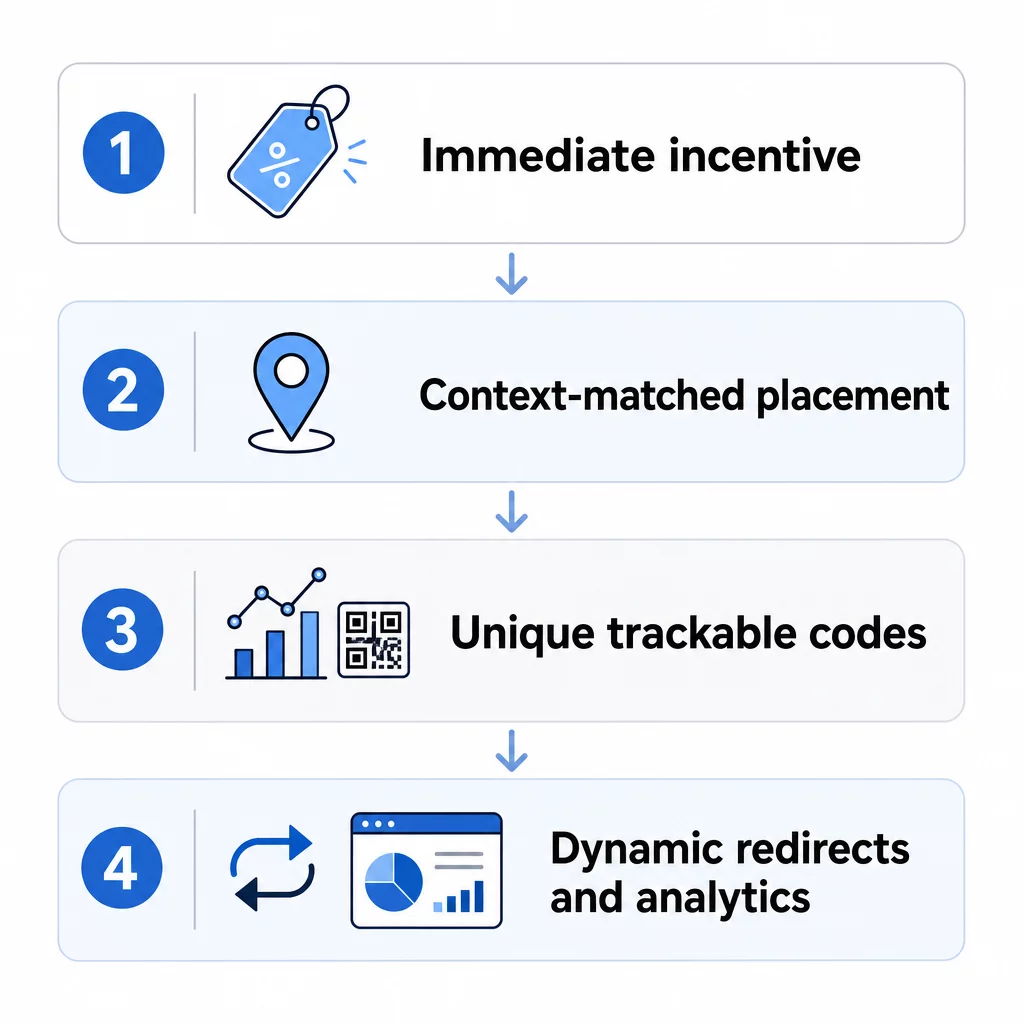
- Paskata yra tiesioginė ir konkreti. Neaiškūs pažadai (“sužinokite daugiau”) yra mažiau veiksmingi, palyginti su apčiuopiamais pasiūlymais (nemokamas produktas, išskirtinis turinys, dalyvavimas konkurse, nuolaida).
- Paskirties vieta atitinka auditorijos kontekstą. Pakuočių nuskaitymai vyksta vartojimo metu. Renginių aktyvacijos vyksta didžiausio jaudulio metu. TV reklamos veikia, kai yra susietos su priežastimi veikti šiuo metu.
- Kiekviena vieta turi savo sekamąjį kodą. Prekės ženklai, kurie tiksliai matavo našumą – pavyzdžiui, „Max Fashion“ 15 000 kodų vienam darbuotojui – galėjo priskirti rezultatus ir optimizuoti.
- Dinaminiai kodai buvo pagrindas. Galimybė atnaujinti paskirties vietas, vykdyti analizę ir išvengti pasibaigusių nuorodų nėra pasirenkama jokiai kelių savaičių kampanijai.
Geriausiai vietos nustatymo praktikai įvairiuose formatuose – reklaminiuose stenduose, spaudoje, pakuotėse ir skaitmeniniuose ekranuose – QR kodų išdėstymo rinkodaroje vadovas apima dydžio nustatymą, akių lygio taisykles ir tai, kaip struktūrizuoti raginimus veikti kiekvienam formatui.
Pagrindinės strategijos jūsų QR kodo reklamos kampanijai
Kiekvieną kodą susiekite su aiškiu raginimu veikti
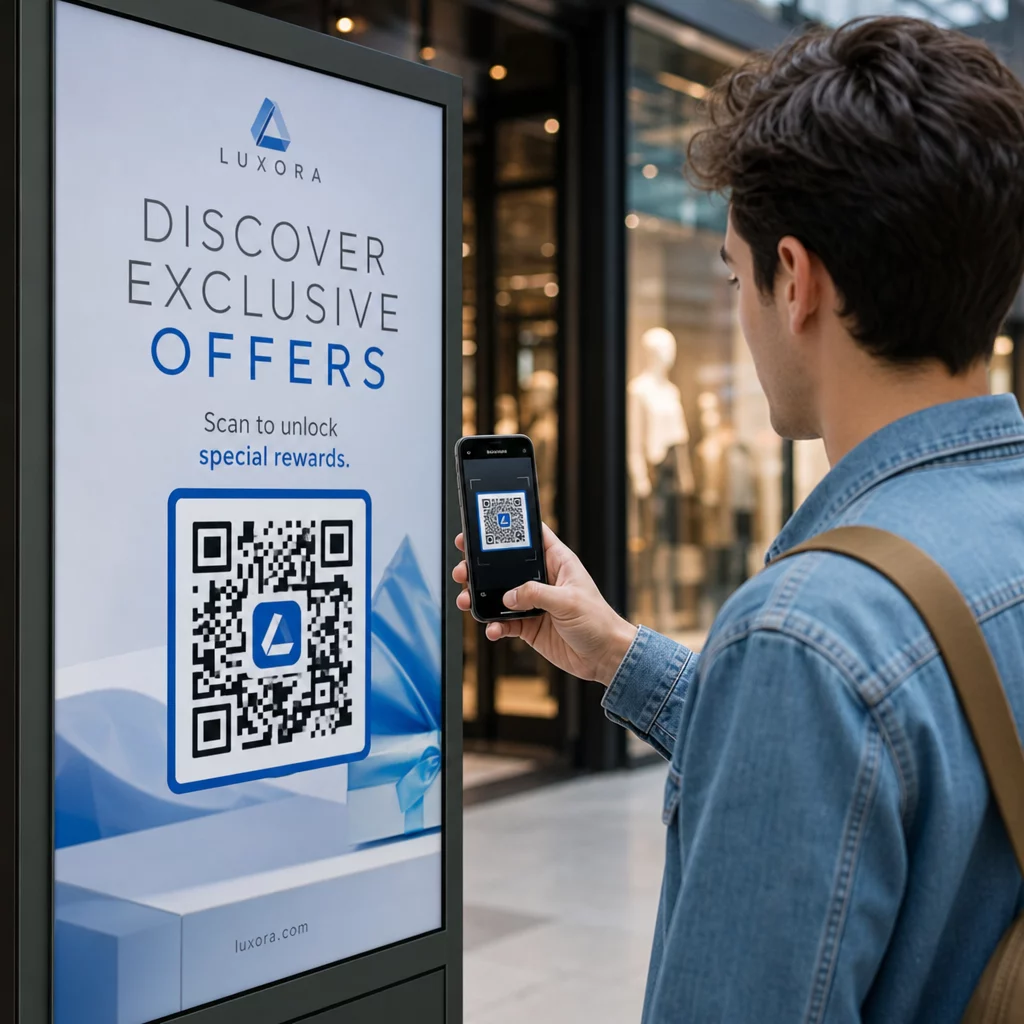
Vieno QR kodo nepakanka. “Nuskaitykite, kad gautumėte 20% nuolaidą”, “Nuskaitykite, kad įeitumėte” arba “Nuskaitykite, kad žiūrėtumėte” pranoksta paprastą kodą be konteksto. Kvietimas veikti (CTA) turėtų nurodyti naudą, o ne tik veiksmą. Dėl reklaminių stendų ir didelio formato vietų, įtraukite trumpą URL kaip atsarginę kopiją vartotojams, kuriems sunku nuskaityti iš toli.
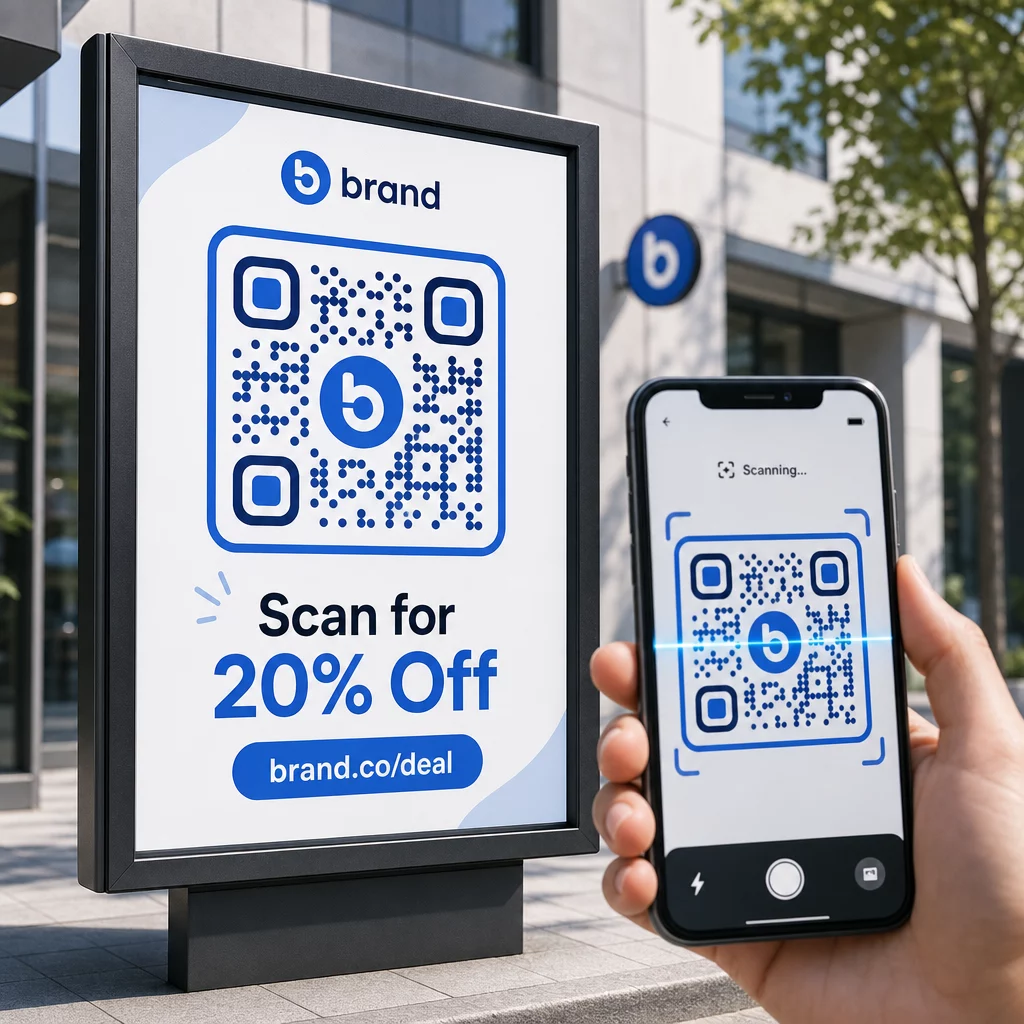
Kurkite kodus, atspindinčius jūsų prekės ženklą
Bendriniai juodai balti kodai susilieja su fonu. Prekės ženklo QR kodai su logotipais gali padidinti nuskaitymo rodiklius 50–200%, palyginti su neprekės ženklo versijomis. QR kodo generatorius su logotipu leidžia įtraukti prekės ženklo spalvas, pasirinktinius pikselių raštus ir centrinius logotipus, išlaikant nuskaitymo galimybę. Žr. realius prekės ženklo QR kodo pavyzdžius dizaino įkvėpimui.
Kiekvienai vietai naudokite atskirus kodus
Tas pats kodo naudojimas ant pakuotės, parduotuvės plakato ir spausdintos reklamos nieko nepasako apie tai, kuri vieta davė rezultatų. Kiekvienam formatui priskirkite unikalius dinaminius kodus ir stebėkite juos nepriklausomai. Tai yra viena iš rečiausiai naudojamų praktikų QR reklamoje ir viena vertingiausių kampanijos našumo optimizavimui.
Pasirinkite tinkamą QR kodo tipą savo kampanijos tikslui
Ne kiekvienai kampanijai reikalingas tas pats kodo tipas. Loterijos dalyvavimas, programėlės atsisiuntimas, sekimas socialiniuose tinkluose ir kupono išpirkimas – visa tai naudinga naudojant skirtingas konfigūracijas. Šis vadovas, kaip pasirinkti tinkamą QR kodą savo kampanijai paaiškina dinaminio ir statinio kodo skirtumus bei kaip pritaikyti kodo tipą kampanijos tikslui. Konkrečiai socialinės žiniasklaidos kampanijoms, geriausia QR kodo praktika socialinėms platformoms apima dizaino ir raginimo veikti (CTA) aspektus.
Sukurkite savo kampanijos kodus vienoje vietoje Kurkite firminius, sekamus QR kodus kiekvienai reklamos vietai – pakuotėms, plakatams, spaudai, televizijai ir kt. – naudodami „Pageloot“ QR kodų generatorius. Atnaujinkite paskirties vietas, stebėkite nuskaitymo duomenis ir valdykite visus savo kodus iš vienos valdymo pulto.
Dažniausiai užduodami klausimai
Naudokite dinaminį QR kodą, kai jūsų kampanija trunka ilgiau nei kelias dienas, apima kelias vietas arba gali prireikti atnaujinti jos paskirties vietą po spausdinimo. Dinaminiai kodai leidžia bet kuriuo metu pakeisti susietą URL adresą neperspausdinant medžiagos, ir jie suteikia nuskaitymo lygio analizę – įskaitant laiką, vietą ir įrenginio tipą – ko negali pasiūlyti statiniai kodai. Bet kokio masto reklamos kampanijoms dinaminiai kodai yra praktinis standartas.
Dinaminiai QR kodai seka bendrą nuskaitymų skaičių, unikalius nuskaitymus, laiko žymas, geografines vietas, įrenginių tipus (iOS vs. Android) ir naršyklės nuostatas. Kai sujungiami su UTM parametrais, šie duomenys integruojasi su įrankiais, tokiais kaip „Google Analytics“, suteikdami jums išsamų vaizdą, kaip vartotojai pereina nuo fizinės reklamos prie skaitmeninės konversijos. Tai leidžia jums priskirti našumą konkrečioms vietoms, laiko intervalams ir auditorijos segmentams.
Padėkite kodą akių lygyje (maždaug 3,5–5,5 pėdų nuo žemės), dydį pritaikykite pagal žiūrėjimo atstumą (įprasta taisyklė yra vienas colio kodo plotis dešimčiai colių skenavimo atstumo) ir visada įtraukite konkretų raginimą veikti (CTA), kuriame nurodoma skenavimo nauda. Naudokite firminį, didelio kontrasto dizainą, kad kodas būtų vizualiai išskirtinis. Didelio formato išdėstymui atsisiųskite savo kodą kaip SVG failą, kad išvengtumėte pikselizacijos, ir išbandykite skenavimą įvairiomis apšvietimo sąlygomis prieš pradedant kampaniją.