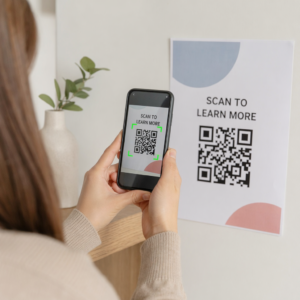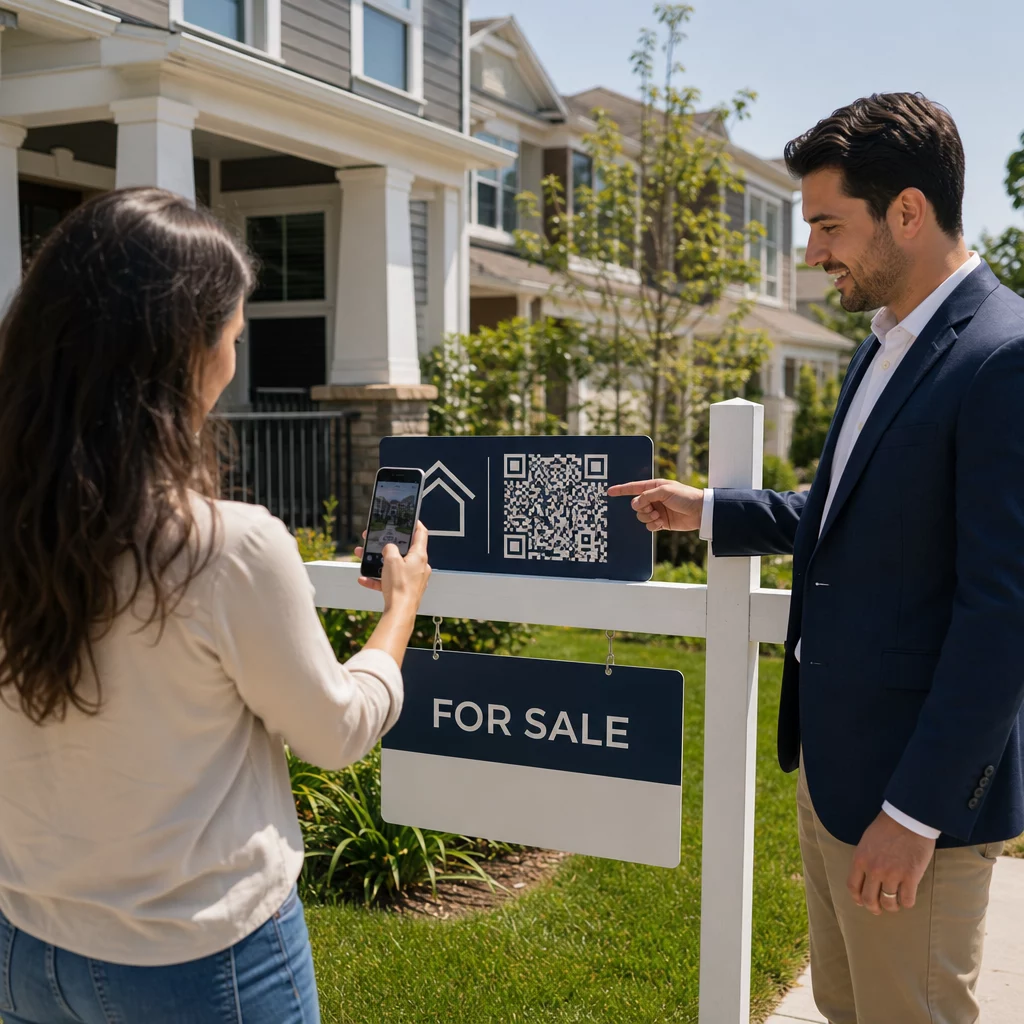
Bạn đang cố gắng biến các biển báo “Chủ nhà tự bán” thành một nguồn khách hàng tiềm năng đáng tin cậy? Hầu hết các đại lý hoàn toàn bỏ qua chủ nhà FSBO, hoặc chỉ liên hệ một lần rồi thôi. Hướng dẫn này chỉ cho bạn cách xây dựng một kênh bán hàng hoàn chỉnh được hỗ trợ bởi mã QR – từ biển báo sân vườn đến theo dõi tự động – giúp chuyển đổi lưu lượng truy cập FSBO thành các cuộc trò chuyện về niêm yết.
Tại sao người bán FSBO đáng để bạn chú ý
Thị trường Chủ nhà tự bán đang thu hẹp, và điều đó có lợi cho bạn. Theo Hồ sơ Người mua và Người bán nhà năm 2025 của Hiệp hội Môi giới Bất động sản Quốc gia (National Association of REALTORS®), các giao dịch FSBO đã đạt mức thấp kỷ lục chỉ 5% tổng số giao dịch nhà ở – giảm từ 21% vào năm 1985. Trong khi đó, kỷ lục 91% người bán đã làm việc với một đại lý.
Điều đáng nói hơn là khoảng cách về giá: nhà FSBO được bán với giá trung bình 360.000 đô la so với 425.000 đô la cho các giao dịch có sự hỗ trợ của đại lý. Sự khác biệt 18% đó là yếu tố khởi đầu cuộc trò chuyện mạnh mẽ nhất của bạn.
Người bán FSBO không kháng cự các đại lý – nhiều người chỉ đơn giản là đang cố gắng tiết kiệm tiền và chưa thấy lý do thuyết phục để thuê một người. Công việc của bạn là làm cho lý do đó trở nên rõ ràng, dễ tiếp cận và tức thì. Mã QR giúp bạn làm chính xác điều đó.
Mã QR phù hợp với kênh FSBO như thế nào
Kênh FSBO là một chuỗi mục tiêu được thiết kế để thu hút các chủ nhà đang bán mà không cần đại lý, cung cấp cho họ giá trị thực và định vị bạn là chuyên gia mà họ cần. Mã QR đóng vai trò là điểm vào – cầu nối giữa một biển báo hoặc tờ rơi vật lý và hệ thống thu thập khách hàng tiềm năng kỹ thuật số của bạn.
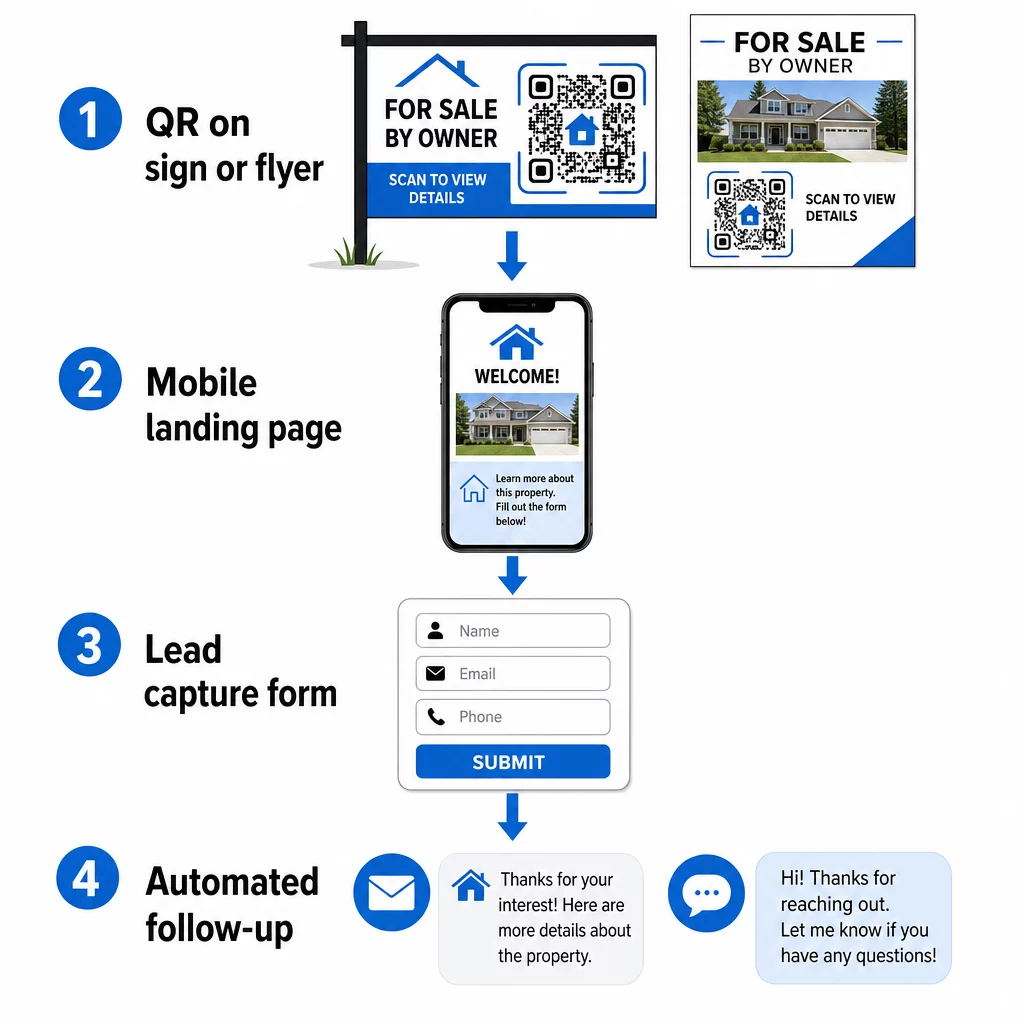
Kênh bán hàng trải qua ba giai đoạn:
- Khám phá: Một chủ nhà nhìn thấy mã QR của bạn trên biển báo sân vườn, móc treo cửa hoặc bưu thiếp và quét nó
- Tương tác: Lượt quét dẫn đến một trang đích với một ưu đãi hấp dẫn – một hướng dẫn miễn phí cho người bán, ước tính giá trị nhà hoặc công cụ tính toán tiết kiệm
- Theo dõi: Tin nhắn tự động nuôi dưỡng khách hàng tiềm năng cho đến khi họ sẵn sàng trò chuyện
Mã QR giúp quá trình này liền mạch vì 100% người mua sử dụng internet tại một thời điểm nào đó trong quá trình tìm kiếm nhà của họ, và 76% sử dụng thiết bị di động. Việc quét là một hành động tự nhiên, ít ma sát đối với bất kỳ ai đang cầm điện thoại của họ.
Biến mỗi lượt quét thành một khách hàng tiềm năng có thể theo dõi Sử dụng Tạo mã QR động để tạo mã QR có thương hiệu, có thể theo dõi cho các chiến dịch FSBO của bạn và theo dõi tài liệu nào thúc đẩy tương tác nhiều nhất.
Thiết lập Trang đích FSBO của bạn
Trước khi bạn in một mã QR nào, bạn cần một điểm đến đáng để quét. Trang đích của bạn đảm nhận phần việc nặng nhọc – nó thu hút khách hàng tiềm năng và mang lại giá trị bạn đã hứa.
Một trang đích FSBO có tỷ lệ chuyển đổi cao nên bao gồm:
- Một tiêu đề nói trực tiếp đến tình huống của người bán (ví dụ: “Bạn đang nghĩ đến việc tự bán nhà? Đây là những gì hầu hết người bán FSBO bỏ lỡ”)
- Một ưu đãi duy nhất, cụ thể: một hướng dẫn dành cho người bán có thể tải xuống, một định giá nhà miễn phí hoặc một công cụ tính toán tiết kiệm hoa hồng
- Một biểu mẫu thu thập khách hàng tiềm năng ngắn yêu cầu tên, email, số điện thoại và địa chỉ tài sản
- Bằng chứng xã hội như lời chứng thực của khách hàng hoặc một nghiên cứu điển hình ngắn gọn
Giữ trang tập trung. Một ưu đãi, một biểu mẫu, một hành động. Mỗi tùy chọn bổ sung làm giảm tỷ lệ chuyển đổi.
Đối với bản thân biểu mẫu, một Mã QR của Google Form cho phép bạn nhúng một biểu mẫu nhập liệu đơn giản mà dữ liệu được đưa trực tiếp vào bảng tính, giúp dễ dàng quản lý khách hàng tiềm năng mà không cần thiết lập CRM phức tạp. Nếu bạn muốn trải nghiệm chuyên nghiệp hơn, hãy sử dụng một trang đích đa liên kết cho phép bạn trình bày nhiều tài nguyên – hướng dẫn dành cho người bán của bạn, một chuyến tham quan ảo về một tài sản mới được niêm yết và danh thiếp của bạn – tất cả chỉ từ một lần quét.
Để chia sẻ thông tin liên hệ của bạn trực tiếp, một vCard mã QR cho phép người bán lưu tên, số điện thoại và email của bạn vào danh bạ của họ ngay lập tức, mà không cần gõ một ký tự nào.
Đặt mã QR ở nơi người bán FSBO nhìn thấy chúng
Vị trí đặt quyết định liệu mã QR của bạn có được quét hay bị bỏ qua. Mục tiêu là tiếp cận người bán FSBO ở nơi họ đang ở – trong khu phố của họ, tự mình xử lý việc tiếp thị.
Biển sân vườn và biển phụ: Đặt mã QR trên biển phụ gắn vào các danh sách của bạn gần các bất động sản FSBO đang hoạt động. Biển phụ có thể ghi: “Tò mò muốn biết căn nhà này bán nhanh thế nào? Quét để tìm hiểu.” Cách tiếp cận này hiệu quả vì người qua đường, bao gồm cả những người bán FSBO lân cận, sẽ nhìn thấy nó. Mã QR trên biển báo nên được in trên vật liệu chống chịu thời tiết, có kích thước tối thiểu 1 inch x 1 inch để quét ở cự ly gần và đặt ngang tầm mắt. Đối với biển báo ngoài trời được nhìn từ xa hơn, hãy nhắm đến kích thước 40 cm trở lên.
Móc treo cửa và thư trực tiếp: Treo móc treo cửa tại các bất động sản mà bạn biết có danh sách FSBO đang hoạt động. Một móc treo được thiết kế tốt với mã QR và lời kêu gọi hành động rõ ràng – “Quét để xem những ngôi nhà giống nhà bạn thực sự đã bán được bao nhiêu trong tháng này” – tạo ra sự liên quan tức thì. Để được hướng dẫn về kích thước in, hãy xem lại kích thước mã QR cho các vật liệu in khác nhau để đảm bảo mã của bạn vẫn có thể quét được.
Biển báo trên xe: Nếu bạn thường xuyên lái xe qua các khu phố, một nam châm hoặc decal mã QR trên xe của bạn sẽ biến mọi khoảnh khắc đỗ xe thành một ấn tượng thụ động. Tìm hiểu thêm về việc sử dụng mã QR trên xe để có được sự tiếp xúc liên tục như thế này.
Bưu thiếp và tờ rơi: Các thư gửi trực tiếp có mục tiêu đến các địa chỉ FSBO đã biết hoạt động tốt khi kết hợp với một ưu đãi cụ thể, có thời hạn. Sử dụng một mã QR URL liên kết đến một trang đích chuyên dụng cho chiến dịch đó.
Luôn kết hợp mã QR của bạn với một lời kêu gọi hành động rõ ràng. “Quét để xem nhà hàng xóm của bạn đã bán được bao nhiêu” luôn hiệu quả hơn một câu “Quét tại đây” chung chung. Để được hướng dẫn chi tiết về vị trí đặt trên tất cả các tài liệu, hãy xem phần hướng dẫn tối ưu về vị trí đặt mã QR trong marketing.
Cập nhật ưu đãi của bạn mà không cần in lại Mã QR động cho phép bạn thay đổi URL đích sau khi biển hiệu của bạn đã được in. Sử dụng Tạo mã QR động để giữ cho chiến dịch của bạn luôn mới mẻ mà không tốn chi phí in lại.
Giúp mã QR của bạn luôn có thể quét được mọi lúc
Một mã QR không quét được còn tệ hơn không có mã QR nào – nó cho thấy sự thiếu chuyên nghiệp. Hãy tuân thủ các nguyên tắc thiết kế cơ bản sau trước khi bạn in bất cứ thứ gì:
- Sử dụng mã QR tối trên nền sáng; duy trì độ tương phản màu sắc mạnh
- Bao gồm một vùng yên tĩnh (lề trống) ít nhất bốn mô-đun xung quanh tất cả các cạnh của mã
- Kiểm tra mã trên nhiều thiết bị và trong các điều kiện ánh sáng khác nhau trước khi quyết định in hàng loạt
- Đối với các vị trí ngoài trời, hãy kiểm tra vào các thời điểm khác nhau trong ngày để tính đến độ chói và bóng tối
- Sử dụng mã QR động để bạn có thể cập nhật đích đến nếu có điều gì thay đổi – không cần in lại
Để có danh sách kiểm tra đầy đủ, hãy xem các phương pháp hay nhất để đọc mã QR và các ví dụ về mã QR có thương hiệu để lấy cảm hứng về thiết kế giúp củng cố niềm tin.
Chuỗi theo dõi chuyển đổi khách hàng tiềm năng
Tốc độ quan trọng hơn trong việc theo dõi khách hàng tiềm năng bất động sản so với hầu hết các biến số khác. Nghiên cứu được trích dẫn trong nhiều nghiên cứu bán hàng cho thấy rằng việc liên hệ với một khách hàng tiềm năng mới trong vòng năm phút làm tăng đáng kể tỷ lệ chuyển đổi so với việc chờ đợi ngay cả 30 phút. Nếu việc theo dõi bị trì hoãn quá một giờ, nhiều khách hàng tiềm năng đến đã chuyển sang nơi khác.
Chuỗi theo dõi của bạn nên được tự động hóa nếu có thể, nhưng mang tính cá nhân về giọng điệu:
- Ngay sau khi biểu mẫu được gửi: Gửi email hoặc tin nhắn tự động cung cấp tài nguyên đã hứa (hướng dẫn người bán, định giá, v.v.) và giới thiệu bản thân một cách ngắn gọn
- Trong vòng 24 giờ: Một tin nhắn theo dõi cá nhân đề cập đến tình huống cụ thể của họ – địa chỉ tài sản họ đã cung cấp hoặc tài nguyên họ đã tải xuống
- Ngày 3, 7 và 14: Các tin nhắn ngắn gọn, định hướng giá trị nhằm giải quyết các vấn đề thường gặp của FSBO: độ chính xác về giá, khả năng tiếp cận người mua, sự phức tạp trong đàm phán và quản lý hợp đồng
Các nền tảng như GoHighLevel cho phép bạn xây dựng các chiến dịch nhỏ giọt tự động gửi các tin nhắn này, được kích hoạt bởi việc gửi biểu mẫu trên trang đích của bạn. Bạn có thể kết nối quy trình làm việc quét-đến-biểu mẫu bằng cách sử dụng Tự động hóa quy trình làm việc quét mã QR các nguyên tắc để đảm bảo mọi khách hàng tiềm năng đều tham gia vào chuỗi của bạn mà không cần can thiệp thủ công.
Lưu ý về tuân thủ SMS: Nếu chuỗi theo dõi của bạn bao gồm tin nhắn văn bản, luật pháp Hoa Kỳ yêu cầu sự đồng ý bằng văn bản rõ ràng trước từ người nhận trước khi bạn gửi bất kỳ tin nhắn tiếp thị tự động nào. Theo Đạo luật Bảo vệ Người tiêu dùng Điện thoại (TCPA), sự đồng ý này phải rõ ràng, khẳng định và tách biệt với các lựa chọn tham gia khác. Biểu mẫu trên trang đích của bạn là nơi thích hợp để thu thập sự đồng ý này – hãy bao gồm ngôn ngữ rõ ràng giải thích rằng bằng cách gửi biểu mẫu, khách hàng tiềm năng đồng ý nhận tin nhắn tiếp thị tự động từ đại lý của bạn. Mỗi tin nhắn phải xác định rõ ràng người gửi và bao gồm tùy chọn từ chối (chẳng hạn như “Trả lời DỪNG để hủy đăng ký”). Tin nhắn tiếp thị thường bị giới hạn từ 8 giờ sáng đến 9 giờ tối theo múi giờ địa phương của người nhận theo quy định liên bang, với một số tiểu bang áp dụng các khung thời gian nghiêm ngặt hơn. Các hình phạt cho việc không tuân thủ có thể lên tới 1.500 đô la cho mỗi vi phạm cố ý.
Các Kịch Bản Khởi Đầu Cuộc Trò Chuyện Thực Sự
Khi một khách hàng tiềm năng tương tác – bằng cách gọi điện, trả lời tin nhắn hoặc đặt lịch tư vấn – kịch bản của bạn sẽ quyết định liệu bạn có giành được danh sách hay không. Các kịch bản hiệu quả nhất tuân theo một cấu trúc đơn giản: đồng cảm trước, giá trị thứ hai, câu hỏi thứ ba.
Mở đầu (qua điện thoại hoặc trực tiếp):
“Chào [Tên], tôi là [Tên của bạn] – bạn đã quét một trong các mã QR của tôi và tải xuống hướng dẫn người bán. Tôi muốn liên hệ trực tiếp và xem bạn có bất kỳ câu hỏi nào về dữ liệu định giá trong đó không.”
Cách tiếp cận này không đe dọa vì khách hàng tiềm năng đã chủ động liên hệ bằng cách quét. Bạn đang theo dõi hành động của họ, chứ không phải gọi điện lạnh.
Giải quyết sự phản đối cốt lõi:
Hầu hết người bán FSBO nói rằng họ chọn cách tự làm để tránh trả hoa hồng. Hãy thừa nhận điều đó trực tiếp:
“Tôi hoàn toàn hiểu mong muốn giữ lại nhiều vốn chủ sở hữu hơn của bạn – điều đó hoàn toàn hợp lý. Điều tôi nhận thấy là hầu hết người bán trong tình huống của bạn thực sự thu về nhiều tiền hơn sau khi trừ phí khi họ làm việc với một đại lý, vì sự khác biệt về giá bán cuối cùng. Dữ liệu tôi chia sẻ trong hướng dẫn đó thực sự cho thấy khoảng cách 18% về giá trung bình. Liệu một cuộc trò chuyện 20 phút để tính toán các con số cụ thể của bạn có đáng không?”
Các câu hỏi khám phá mở:
- “Bạn đã rao bán căn nhà này được bao lâu rồi?”
- “Thử thách lớn nhất mà bạn gặp phải là gì?”
- “Bạn đã có nhiều buổi xem nhà chưa, và chúng diễn ra như thế nào?”
Những câu hỏi này làm sáng tỏ các vấn đề mà giải pháp của bạn có thể giải quyết – tiếp cận người mua hạn chế, không chắc chắn về giá cả, hoặc khó khăn trong việc quản lý đàm phán.
Xử lý các phản đối một cách tự tin:
Nếu người bán hỏi tại sao họ cần bạn khi họ có thể tự đăng tin trên Zillow:
“Bạn hoàn toàn có thể làm điều đó, và một số người bán làm khá tốt. Giá trị tôi mang lại là giúp ngôi nhà của bạn tiếp cận những người mua đã được thẩm định trước và đang tích cực làm việc với các đại lý – đó là khoảng 91% thị trường hiện nay. Tôi cũng có thể xử lý phần đàm phán và hợp đồng để không có gì bị đổ bể khi chốt giao dịch.”
Sử dụng các nghiên cứu điển hình thực tế khi có thể. Một kết quả cụ thể (“một khách hàng nhận được hai đề nghị cạnh tranh trong vòng hai tuần và bán được với giá cao hơn 86.000 đô la so với giá chào bán ban đầu của họ”) thuyết phục hơn nhiều so với một tuyên bố chung chung.
Xây dựng mạng lưới giới thiệu xung quanh việc tiếp cận FSBO
Các đối tác chiến lược mở rộng phạm vi tiếp cận của bạn mà không tốn thêm chi phí quảng cáo. Các chuyên gia thường xuyên tương tác với chủ nhà đang trong quá trình chuyển đổi là nguồn giới thiệu tự nhiên:
- Môi giới thế chấp: Các buổi hội thảo chung về tài chính người mua mang lại cho bạn cơ hội tiếp cận chung với cả người mua và người bán có động lực
- Chuyên gia nhà ở cho người cao tuổi: Người cao tuổi bán nhà gia đình để chuyển đến các cộng đồng hưu trí thường cần một giới thiệu đại lý đáng tin cậy; những cơ sở này tương tác với nhóm nhân khẩu học đó hàng ngày
- Các công ty bảo hiểm quyền sở hữu và luật sư bất động sản: Các chuyên gia đã tham gia vào quy trình giao dịch có thể giới thiệu người bán FSBO gặp phải các vấn đề pháp lý hoặc phức tạp khi chốt giao dịch
A Mã QR PDF liên kết đến một tài nguyên đồng thương hiệu – một báo cáo thị trường chung hoặc danh sách kiểm tra dành cho người bán – là một cách dễ dàng, chuyên nghiệp để chính thức hóa các mối quan hệ đối tác này và theo dõi mức độ tương tác.
Theo dõi những gì đang hiệu quả
Một trong những lợi thế thực tế nhất của mã QR so với tiếp thị truyền thống là khả năng đo lường. Mã QR động cho phép bạn theo dõi số lượng quét, thời gian quét, loại thiết bị, hệ điều hành và vị trí người dùng gần đúng. Dữ liệu này cho bạn biết tài liệu nào đang tạo ra sự quan tâm và tài liệu nào đang bị bỏ qua.
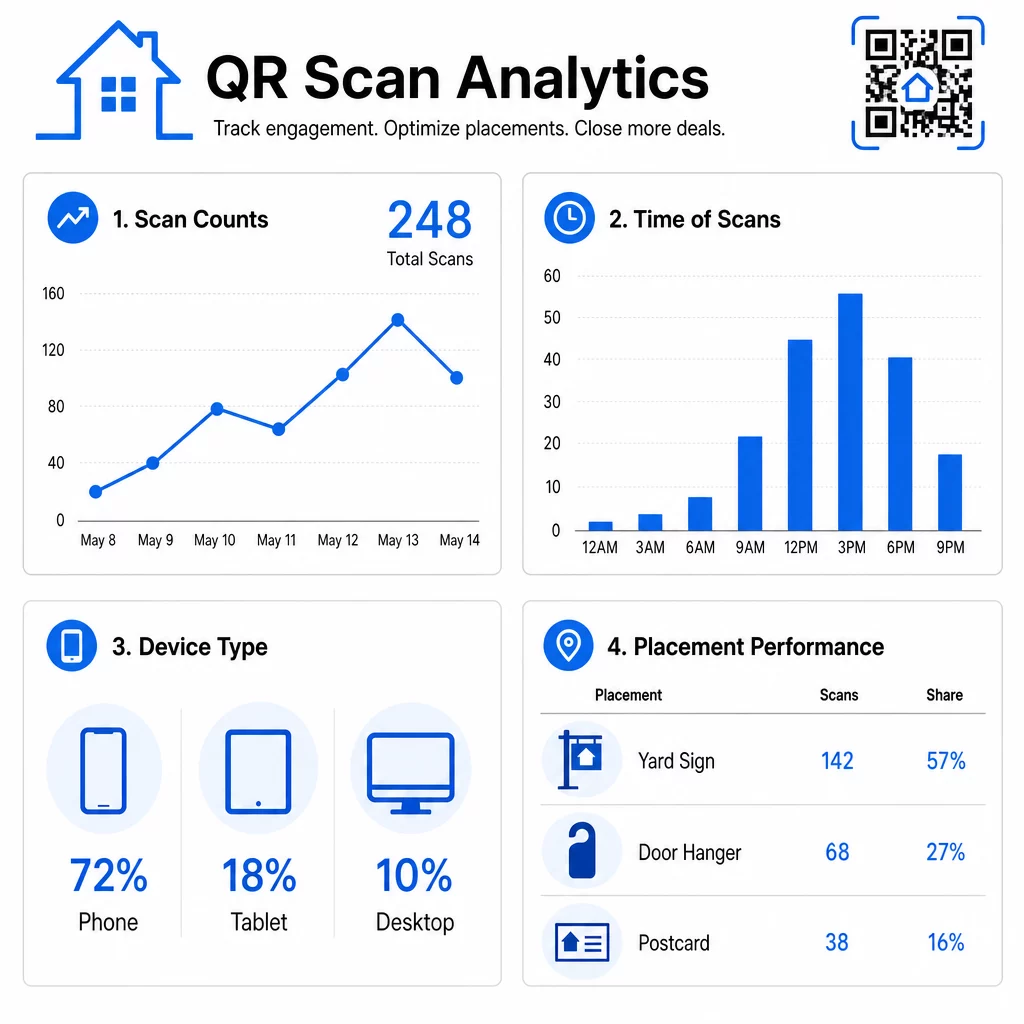
Sử dụng phân tích quét của bạn để trả lời:
- Vị trí nào (biển sân vườn, tờ rơi treo cửa, bưu thiếp) thúc đẩy nhiều lượt quét nhất?
- Hầu hết các lượt quét diễn ra vào thời điểm nào trong ngày?
- Người dùng di động có thoát khỏi trang đích của bạn không, cho thấy một vấn đề về thiết kế?
Nếu một chiến dịch tạo ra lượt quét nhưng không có lượt gửi biểu mẫu, vấn đề là trang đích của bạn. Nếu lượt quét thấp, vấn đề là vị trí, lời kêu gọi hành động hoặc thiết kế mã QR. Phân tích làm cho sự khác biệt trở nên rõ ràng để bạn có thể khắc phục đúng vấn đề. Xem lại cách theo dõi lượt quét mã QR và phân tích để có một cách tiếp cận từng bước để kết nối dữ liệu quét với các chỉ số chiến dịch rộng hơn của bạn.
Đối với các chuyến tham quan tài sản ảo được liên kết từ mã QR của bạn, hãy xem cách sử dụng mã QR cho các chuyến tham quan ảo để làm cho trải nghiệm đó hấp dẫn đối với cả người mua và người bán khi đánh giá phương pháp tiếp thị của bạn. Kết hợp một mã QR được đặt đúng chỗ với một trang đích tập trung, một chuỗi theo dõi tự động tuân thủ và một kịch bản tự tin sẽ tạo ra một hệ thống có thể lặp lại để biến người bán FSBO thành khách hàng niêm yết. Công nghệ xử lý việc thu thập và nuôi dưỡng ban đầu; kịch bản của bạn xử lý cuộc trò chuyện. Bắt đầu với một khu phố, kiểm tra tài liệu của bạn, theo dõi lượt quét của bạn và tinh chỉnh dựa trên những gì dữ liệu hiển thị.
Bắt đầu xây dựng phễu FSBO của bạn ngay hôm nay Tạo mã QR có thể theo dõi, có thương hiệu cho biển hiệu, tờ rơi và thư quảng cáo của bạn với Trình tạo mã QR Pageloot – dùng thử miễn phí 14 ngày, không yêu cầu thẻ tín dụng.
Câu hỏi thường gặp
Sử dụng mã QR động thay vì mã tĩnh. Mã động cho phép bạn cập nhật URL đích sau khi in – vì vậy nếu trang đích của bạn thay đổi hoặc ưu đãi của bạn phát triển, bạn không cần phải in lại biển hiệu hoặc tờ rơi của mình. Chúng cũng theo dõi lượt quét theo thời gian, vị trí và loại thiết bị, cung cấp cho bạn dữ liệu hiệu suất để tinh chỉnh chiến dịch của mình.
Biển phụ gắn trên biển rao bán nhà gần các danh sách FSBO đang hoạt động, móc treo cửa được giao trực tiếp đến các bất động sản FSBO và bưu thiếp gửi đến các địa chỉ FSBO đã biết là ba vị trí đặt có tác động cao nhất. Trong mỗi trường hợp, hãy ghép mã QR với một lời kêu gọi hành động cụ thể, phù hợp, nói lên điều mà người bán FSBO thực sự muốn biết – nhà tương tự đã bán với giá bao nhiêu, cách định giá chính xác hoặc cách thu hút người mua đủ điều kiện.
Có, nhưng chỉ khi bạn thu thập sự đồng ý rõ ràng bằng văn bản trước. Theo Đạo luật Bảo vệ Người tiêu dùng Điện thoại (TCPA) của liên bang, bạn phải bao gồm ngôn ngữ chọn tham gia rõ ràng trên biểu mẫu thu thập khách hàng tiềm năng của mình, nêu rõ rằng khách hàng tiềm năng đồng ý nhận tin nhắn tiếp thị tự động từ đại lý của bạn. Mỗi tin nhắn phải xác định người gửi và cung cấp cơ chế từ chối dễ dàng như “Trả lời DỪNG LẠI.” Tin nhắn tiếp thị bị giới hạn từ 8 giờ sáng đến 9 giờ tối theo múi giờ địa phương của người nhận, và một số tiểu bang áp đặt các quy tắc nghiêm ngặt hơn.