Apakah promosi Black Friday Anda menjangkau pembeli yang tepat pada saat yang tepat – ataukah promosi tersebut hilang dalam kebisingan? Kampanye generik sulit untuk dikonversi ketika 57% pembeli mengatakan penawaran ritel masih terasa generik bahkan ketika merek mengklaim personalisasi. Kode QR bertarget geografis memecahkan masalah ini dengan memberikan penawaran khusus lokasi, menghubungkan papan nama fisik ke konten digital, dan memberi Anda data real-time untuk ditindaklanjuti sepanjang akhir pekan belanja.
Apa yang Sebenarnya Dilakukan Kode QR Bertarget Geografis
Kode QR bertarget geografis tidak hanya mengirim setiap pemindai ke halaman arahan yang sama. Kode ini menggunakan lokasi pemindai – yang ditentukan melalui alamat IP atau GPS – untuk menyampaikan konten yang sesuai dengan lokasi mereka. Pembeli di luar toko Anda di Chicago melihat inventaris dan penawaran lokasi tersebut. Pembeli di dekat lokasi Milwaukee pinggiran kota Anda melihat sesuatu yang berbeda, bahkan jika mereka memindai kode yang terlihat sama pada poster.
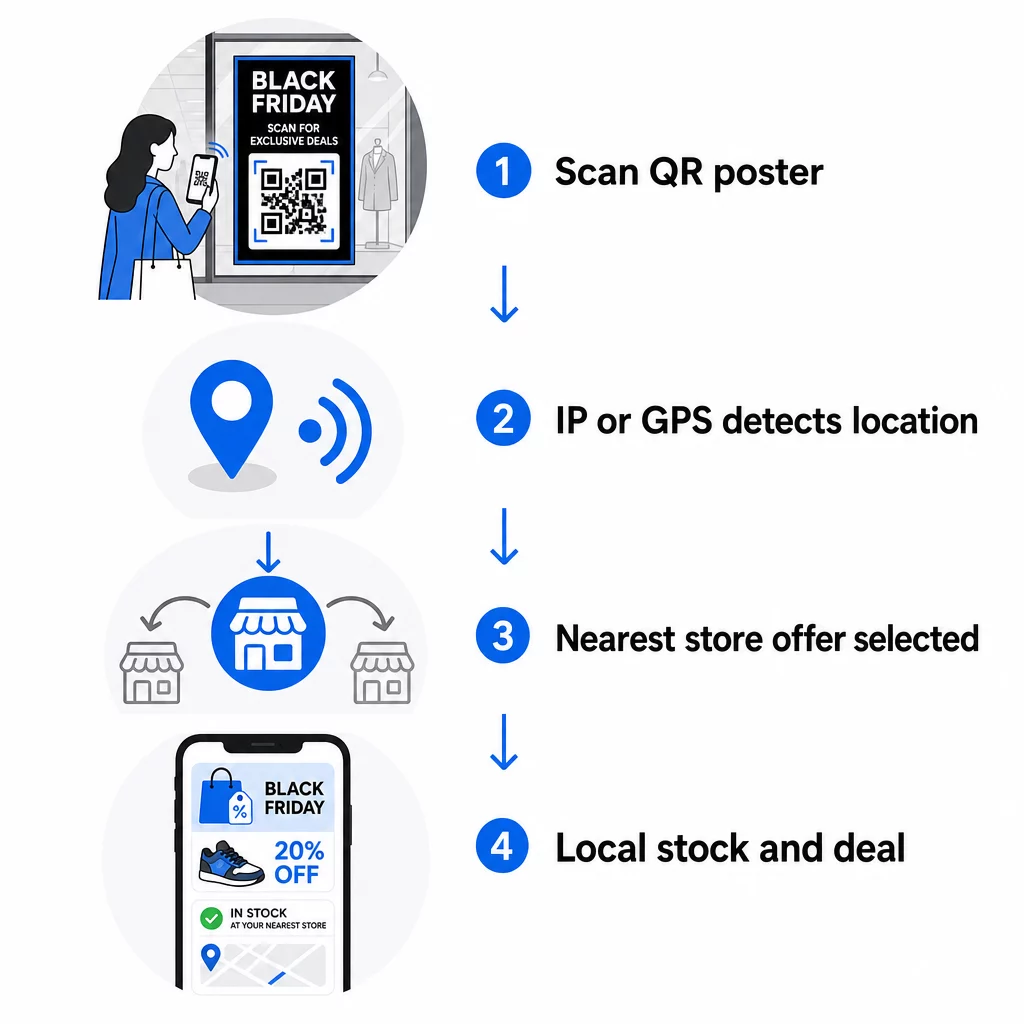
Ini berfungsi karena kode QR dinamis memindai rute melalui lapisan pengalihan sebelum mengirimkan tujuan akhir. Langkah pengalihan itulah yang memungkinkan pelacakan, pembaruan konten, dan logika berbasis lokasi – yang semuanya tidak mungkin dilakukan dengan kode QR statis.
Perbedaan praktis ini penting selama Black Friday, ketika inventaris berubah setiap jam, penawaran perlu diubah pada sore hari, dan perilaku pelanggan sangat bervariasi berdasarkan lingkungan dan toko.
Bagaimana Kode QR Bertarget Geografis Mendorong Keterlibatan Lokal
Kasus Penggunaan Khusus Lokasi untuk Black Friday
Peritel menerapkan kode QR bertarget geografis di beberapa skenario berdampak tinggi:
- Promosi khusus toko – Lokasi pusat kota menawarkan diskon 30% untuk elektronik sementara cabang pinggiran kota menjalankan penawaran beli satu gratis satu untuk barang-barang rumah tangga. Kampanye yang sama, halaman arahan yang berbeda berdasarkan kedekatan.
- Pembaruan inventaris real-time – Ketika item populer habis terjual, kode QR secara otomatis mengarahkan pembeli ke toko terdekat yang memiliki stok atau menyarankan alternatif yang sebanding, mengurangi frustrasi pelanggan.
- Integrasi pembayaran tanpa kontak – Pembeli memindai untuk menyelesaikan pembelian langsung dari ponsel mereka, sangat berguna untuk toko pop-up atau acara Black Friday di luar ruangan di mana terminal pembayaran tradisional tidak tersedia.
- Manajemen antrean virtual – Kode khusus lokasi memungkinkan pelanggan bergabung dengan daftar tunggu digital, memeriksa perkiraan waktu tunggu, atau membuka penawaran awal tanpa menimbulkan kemacetan fisik.
- Promosi yang disesuaikan dengan inventaris – Lokasi di utara menampilkan pakaian luar musim dingin sementara toko di iklim yang lebih hangat menyoroti kategori yang berbeda, menyelaraskan promosi dengan apa yang sebenarnya ada di rak.
Tempat Meletakkan Kode QR untuk Jangkauan Maksimal
Penempatan menentukan apakah kode Anda akan dipindai. Penempatan kode QR strategis dalam ritel dimulai dengan memahami di mana perhatian pembeli secara alami tertuju:
- Jendela toko dan pajangan pintu masuk – Menarik perhatian orang yang lewat sebelum mereka memutuskan untuk masuk. CTA yang jelas seperti “Pindai untuk Penawaran Hari Ini” memberi mereka alasan untuk berhenti.
- Tempat umum dengan lalu lintas tinggi – Halte bus, pintu masuk mal, dan struktur parkir di dekat lokasi Anda menempatkan promosi Anda di depan orang-orang yang sudah berada di area tersebut.
- Pajangan produk di dalam toko dan label rak – Memindai label dapat mengungkapkan ulasan pelanggan, rekomendasi bundel, atau diskon waktu terbatas khusus untuk inventaris toko tersebut.
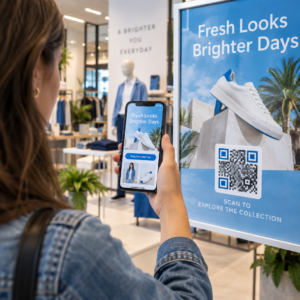
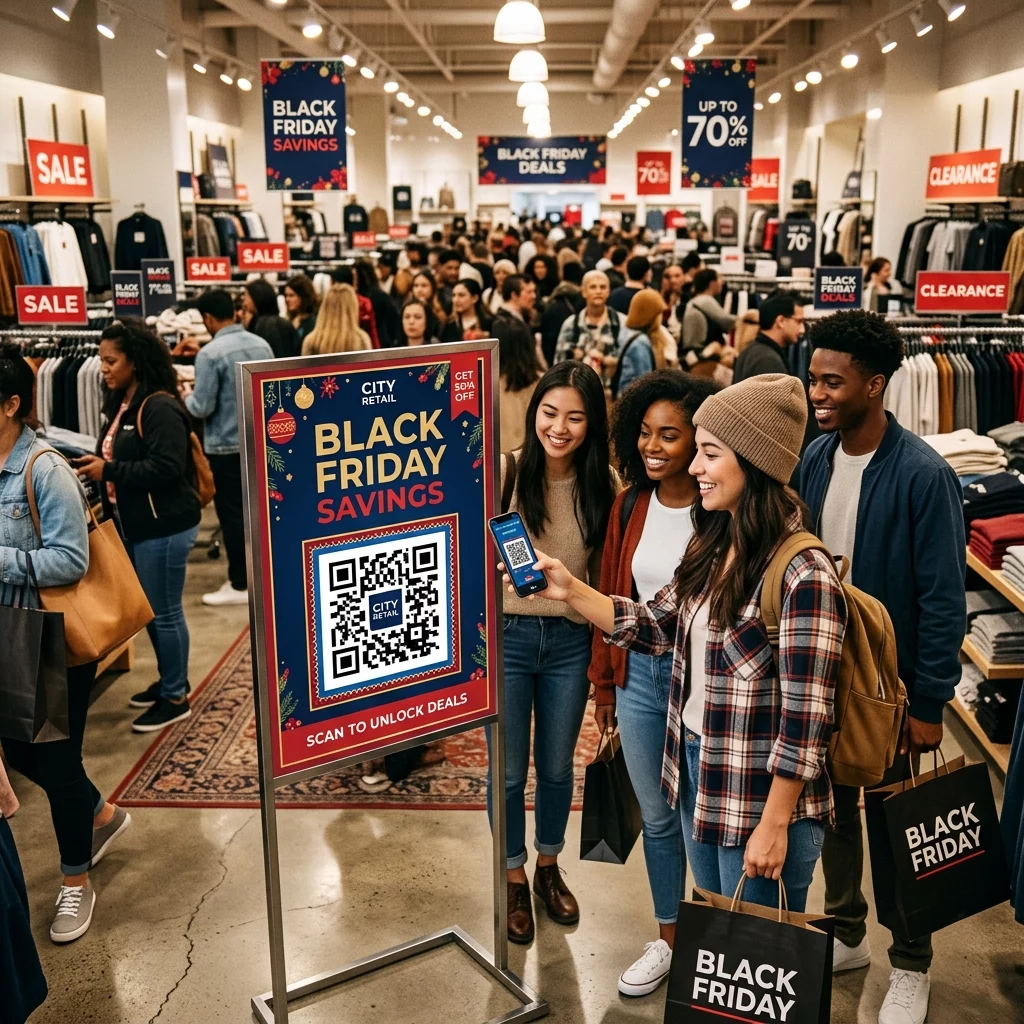
- Poster dan flyer - Kode QR pada poster menghubungkan materi cetak ke konten digital dinamis, memungkinkan Anda memperbarui penawaran tanpa mencetak ulang poster.
Memperbarui konten kode QR sepanjang hari semakin memperkuat hasil. Komuter pagi mungkin melihat promosi sarapan dari kafe terdekat; pembeli malam melihat penawaran jam buka yang diperpanjang atau peringatan inventaris kesempatan terakhir.
Personalisasi Penawaran dengan Kode QR Dinamis
Kampanye bertarget geografis yang paling efektif mengandalkan kode QR dinamis karena memungkinkan Anda mengubah konten tujuan tanpa mencetak materi baru. Fleksibilitas ini sangat penting selama Black Friday, ketika kondisi berubah lebih cepat daripada yang bisa diimbangi oleh kampanye cetak mana pun.
Personalisasi berbasis cuaca adalah salah satu contoh: pengecer dapat mempromosikan perlengkapan hujan di Seattle dan furnitur teras di Phoenix dari kampanye dasar yang sama, diperbarui secara dinamis berdasarkan kondisi lokal.
Kode dinamis juga terintegrasi dengan sistem inventaris. Jika stok menipis, kode akan mengarahkan ke alternatif atau ketersediaan toko terdekat secara otomatis. Dan karena setiap pemindaian menghasilkan data, Anda mendapatkan wawasan lokasi, jendela keterlibatan puncak, dan metrik kinerja penawaran yang dapat Anda tindak lanjuti pada hari yang sama.
Lacak Setiap Pemindaian secara Waktu Nyata Lihat dengan tepat di mana kode QR Black Friday Anda dipindai, penawaran mana yang menghasilkan konversi, dan kapan keterlibatan mencapai puncaknya. Gunakan Generator QR Code Dinamis untuk membuat kode yang dapat dilacak dan diperbarui dengan dasbor analitik lengkap.
Menyiapkan Kode QR Bertarget Geografis untuk Kampanye Black Friday
Membuat Kode QR Bermerek
Selama Black Friday, pembeli dibombardir dengan promosi dari segala arah. Kode QR bermerek – yang menggabungkan logo Anda, palet warna Black Friday, dan desain musiman – menonjol dan menandakan legitimasi. Kode yang mudah dikenali lebih mungkin dipindai daripada kotak hitam-putih generik tanpa konteks.
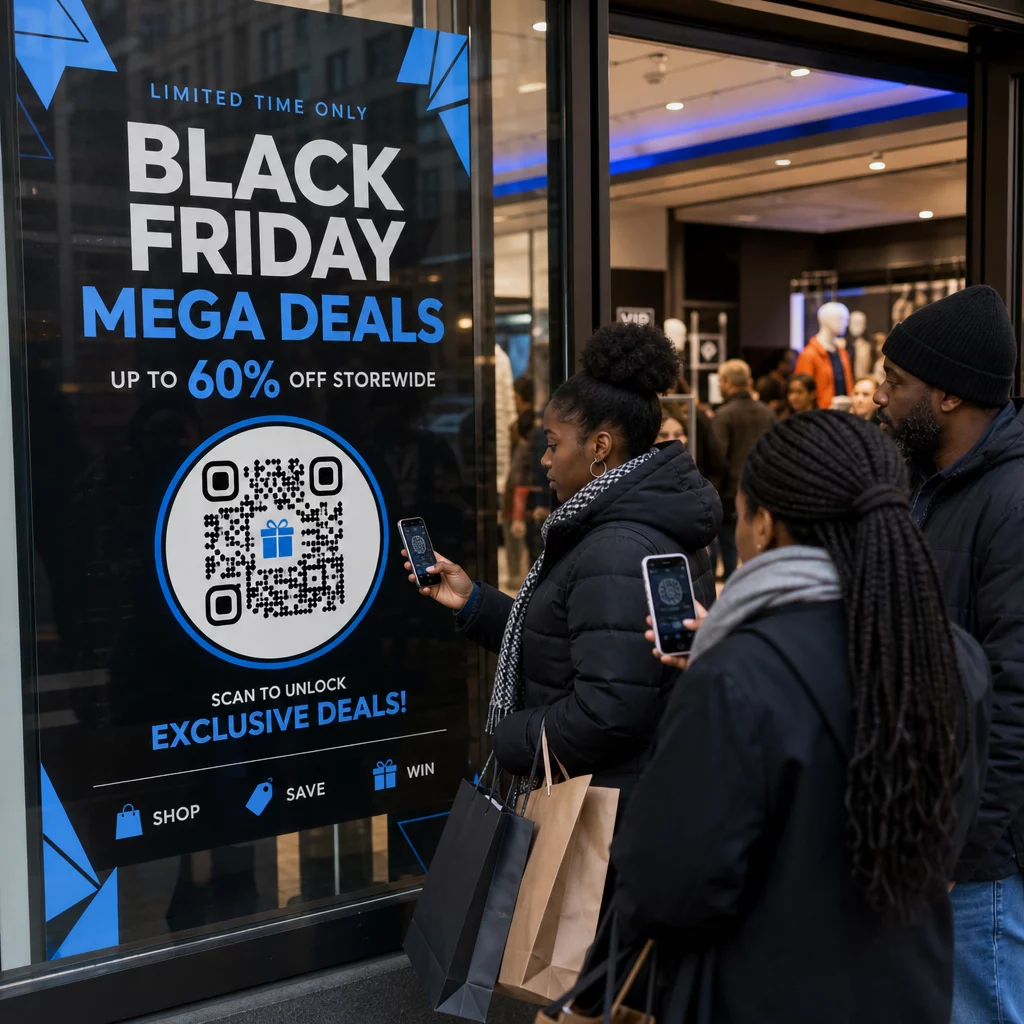
Buat templat master yang mencerminkan tema Black Friday Anda, lalu sesuaikan konten tujuan untuk setiap lokasi toko. Ini menjaga konsistensi identitas visual sambil memungkinkan setiap kode melayani audiens yang berbeda.
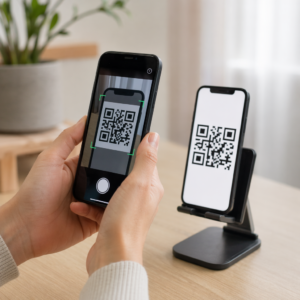
Sebelum mencetak, uji kode Anda pada setiap ukuran yang akan Anda gunakan – label produk, stiker jendela, poster, dan selebaran semuanya menyajikan kondisi pemindaian yang berbeda. Kode yang berfungsi pada poster mungkin tidak dapat dipindai dengan bersih saat diperkecil menjadi label rak.
Melacak Kinerja dengan Analitik Kode QR
Setelah kode Anda aktif, melacak pemindaian kode QR dan analitik adalah yang memisahkan kampanye berbasis data dari permainan tebak-tebakan. Metrik utama yang perlu dipantau selama Black Friday meliputi:
- Volume pemindaian berdasarkan lokasi – Toko mana yang paling banyak menarik perhatian? Penempatan mana yang berkinerja buruk?
- Waktu pemindaian – Apakah pembeli pagi hari berperilaku berbeda dengan pembeli malam hari? Apakah lonjakan keterlibatan selaras dengan periode promosi Anda?
- Tingkat konversi berdasarkan wilayah - Analisis berbasis lokasi mengungkapkan apakah wilayah atau toko tertentu memiliki tingkat konversi yang lebih baik, sehingga Anda dapat meniru apa yang berhasil.
- Penurunan perjalanan pelanggan – Di mana pembeli pergi setelah memindai? Jika volume pemindaian tinggi tetapi konversi rendah, halaman arahan – bukan kode – mungkin menjadi masalahnya.
Anda juga dapat menambahkan parameter UTM ke URL tujuan kode QR Anda untuk mendorong data pemindaian langsung ke Google Analytics 4, memberi Anda pandangan terpadu tentang bagaimana interaksi QR offline masuk ke pelaporan kampanye Anda yang lebih luas.
Pengujian A/B dan Otomatisasi untuk Black Friday
Kode QR dinamis membuka pintu untuk pengujian A/B secara real-time – sesuatu yang tidak mungkin dilakukan dengan kode statis. Anda dapat menguji dua penawaran berbeda secara bersamaan (diskon 25% untuk elektronik vs. penawaran paket) dengan menjalankan kode terpisah di area yang sama dan membandingkan tingkat konversi.
Otomatisasi membawa ini lebih jauh:
- Pergantian penawaran berbasis waktu – Pemindaian pagi menunjukkan penawaran khusus awal; pemindaian malam mempromosikan jam buka yang diperpanjang atau pengambilan hari berikutnya.
- Pengalihan yang dipicu inventaris – Ketika item populer habis terjual, kode secara otomatis mengarahkan pembeli ke alternatif yang tersedia.
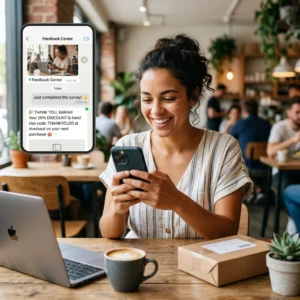
- Alur kerja tindak lanjut – Pembeli yang memindai tetapi tidak melakukan konversi dapat dimasukkan ke dalam urutan email dengan penawaran tindak lanjut, sementara mereka yang melakukan konversi menerima undangan program loyalitas.
Keamanan dan Kepatuhan untuk Kode QR Bertarget Geografis
Pencegahan Penipuan
Penipuan kode QR adalah kekhawatiran nyata, terutama selama acara belanja dengan lalu lintas tinggi ketika pembeli yang antusias memindai dengan cepat tanpa memeriksa sumbernya. Pelaku kejahatan membuat kode palsu yang mengarahkan pengguna ke situs phishing atau malware.
Pertahankan diri dari ini dengan menggunakan domain kustom bermerek di URL kode QR Anda. Tujuan seperti `yourbrand.com/blackfriday` dapat diverifikasi secara visual dengan cara yang tidak dapat dilakukan oleh string karakter acak. Pageloot mendukung domain bermerek karena alasan ini. Selain itu, gunakan HTTPS untuk semua halaman arahan, terapkan validasi waktu dan lokasi untuk membatasi di mana dan kapan kode dapat diaktifkan, dan uji halaman arahan secara teratur untuk kerentanan.
Peraturan Privasi dan Kepercayaan Konsumen
Mengumpulkan data lokasi di A.S. berarti menavigasi serangkaian kewajiban yang beragam. Tidak ada satu pun undang-undang privasi federal yang mengatur data geolokasi dalam pemasaran, sehingga kepatuhan diambil dari aturan federal sektoral, undang-undang negara bagian seperti California Consumer Privacy Act (CCPA), dan tindakan penegakan hukum FTC. FTC telah mengambil tindakan terhadap perusahaan karena mengumpulkan dan membagikan data lokasi sensitif tanpa persetujuan yang berarti.
Regulator dan panduan industri menjelaskan bahwa pemberitahuan satu kali pada saat instalasi aplikasi atau pemindaian kode tidak cukup. Persetujuan untuk pemasaran berbasis lokasi harus afirmatif, spesifik untuk penggunaan tersebut, dan dipertahankan sepanjang siklus hidup data – tidak terkubur dalam kebijakan privasi yang diperbarui.
Langkah-langkah praktis untuk kampanye bertarget geografis yang patuh:
- Jelaskan mengapa akses lokasi diminta – Beri tahu pembeli bahwa membagikan lokasi mereka membantu menampilkan item yang tersedia di toko terdekat. Kejelasan meningkatkan tingkat keikutsertaan.
- Tawarkan alternatif non-lokasi – Pembeli yang menolak berbagi lokasi tetap harus menerima nilai, seperti penawaran Black Friday umum atau pencari toko.
- Kumpulkan hanya yang Anda butuhkan – Data tingkat kota atau kode pos seringkali cukup untuk tujuan kampanye tanpa memerlukan koordinat GPS yang tepat.
- Buat pemberitahuan privasi Anda mudah ditemukan – Nyatakan dengan jelas data apa yang dikumpulkan, berapa lama data tersebut disimpan, dan bagaimana pembeli dapat memilih untuk tidak ikut serta.
Studi Kasus: Kode QR Bertarget Geografis untuk Keberhasilan Black Friday
Tantangan
Black Friday 2024 merupakan lingkungan yang sulit bagi pengecer regional. MidWest Electronics, jaringan 47 lokasi di seluruh Illinois, Wisconsin, dan Michigan, menjalankan kampanye iklan luas yang gagal memperhitungkan inventaris toko individual atau profil pelanggan lokal. Dengan 68% lalu lintas mereka berasal dari pelanggan dalam jarak 15 mil dari toko, peluang untuk keterlibatan lokal jelas – tetapi kampanye mereka tidak menangkapnya.
Solusi
MidWest Electronics bermitra dengan Pageloot untuk meluncurkan kampanye kode QR bertarget geografis untuk Black Friday 2024. Dimulai pada awal November, tim menghasilkan lebih dari 200 kode QR dinamis unik – satu per toko dan kampanye promosi. Setiap kode mengarahkan pemindai ke halaman arahan yang disesuaikan yang menampilkan inventaris lokal, perkiraan waktu tunggu, dan penawaran khusus toko.
Kode-kode tersebut ditempatkan di lokasi fisik dengan lalu lintas tinggi: pintu masuk mal, halte bus, kedai kopi lokal, selebaran, dan poster. Dasbor analitik real-time Pageloot memberikan visibilitas kepada tim pemasaran mengenai tingkat pemindaian, keterlibatan geografis, dan tren konversi sepanjang akhir pekan, memungkinkan mereka untuk menyesuaikan penawaran seiring perubahan kondisi.
Hasil
Kampanye ini menghasilkan total 34.600 pemindaian dan tingkat konversi 23%. Chicago Utara saja mencatat 2.847 pemindaian; toko-toko pinggiran kota berkisar antara 650 hingga 800 pemindaian masing-masing. Di antara pengguna yang memindai, 41% mengunjungi toko dalam waktu dua jam, dan 67% melakukan pembelian dalam waktu 24 jam. Pembaruan inventaris real-time mengurangi keluhan pelanggan tentang barang yang habis stok sebesar 78%.
Kode QR yang terhubung ke platform e-commerce untuk pengambilan di toko menghasilkan pendapatan tambahan sebesar $127.000 – peningkatan 34% dalam konversi online-ke-offline dibandingkan tahun sebelumnya.
| Metrik | Kode QR Statis (2023) | Kode QR Dinamis (2024) | Perubahan |
|---|---|---|---|
| TOTAL PEMINDAIAN | 18,200 | 34,600 | +90% |
| Tingkat Konversi | 14% | 23% | +64% |
| Keluhan Pelanggan | 156 | 34 | −78% |
| Pendapatan per Kode | $340 | $580 | +71% |
Hasilnya memvalidasi premis inti: kampanye lokal dan real-time mengungguli iklan statis yang luas selama Black Friday. MidWest Electronics kini memperluas pendekatan ini ke kampanye musiman dan program loyalitas.
Memanfaatkan Kode QR Bertarget Geografis untuk Black Friday Ini
Black Friday memberikan penghargaan kepada pengecer yang dapat memberikan penawaran yang tepat kepada pembeli yang tepat pada saat yang tepat. Kode QR bertarget geografis memungkinkan hal itu dalam skala besar – tanpa mencetak ulang materi setiap kali penawaran berubah atau suatu barang habis terjual.
Dasar-dasarnya mudah: gunakan kode dinamis sehingga Anda dapat memperbarui tujuan secara real-time, tempatkan kode di mana pelanggan target Anda sudah berada, bangun halaman arahan bermerek yang memuat dengan cepat di perangkat seluler, dan lacak kinerja berdasarkan lokasi sehingga Anda dapat mengalihkan sumber daya ke apa yang berhasil.
Untuk bisnis ritel merencanakan kampanye Black Friday, kombinasi dari kode QR kupon untuk diskon khusus lokasi, kode QR Google Maps untuk petunjuk arah toko, dan sebuah Generator QR Code Dinamis untuk manajemen kampanye mencakup seluruh perjalanan pelanggan mulai dari kesadaran hingga kunjungan ke toko.
Mulai Kampanye QR Black Friday Anda Buat kode QR bermerek dan dapat dilacak untuk setiap lokasi toko dan perbarui penawaran secara real-time tanpa mencetak ulang. Jelajahi Pageloot’s Fitur kode QR atau mulai dengan uji coba gratis 14 hari – tidak perlu kartu kredit.
Pertanyaan yang sering diajukan
Kode QR standar mengarah ke URL tetap dan tidak menyediakan data pelacakan atau lokasi. Kode QR yang ditargetkan secara geografis menggunakan teknologi pengalihan dinamis untuk menyajikan konten yang berbeda berdasarkan lokasi asal pemindaian dan mencatat data lokasi, waktu, dan perangkat untuk analisis kampanye. Anda dapat memperbarui konten tujuan kapan saja tanpa membuat atau mencetak kode baru.
Kode QR dinamis dapat mengumpulkan volume pemindaian, waktu pemindaian, jenis perangkat, dan lokasi geografis (melalui alamat IP atau GPS). Pelacakan berbasis IP bersifat perkiraan dan berfungsi tanpa persetujuan; pelacakan berbasis GPS tepat tetapi memerlukan persetujuan eksplisit dari pengguna. Peritel AS harus mematuhi undang-undang privasi negara bagian yang berlaku seperti CCPA, mendapatkan persetujuan yang jelas untuk penggunaan berbasis lokasi, menjelaskan mengapa data lokasi diminta, dan menawarkan alternatif kepada pembeli yang menolak.
Lacak volume pemindaian berdasarkan toko dan penempatan, tingkat konversi berdasarkan wilayah, dan waktu antara pemindaian dan pembelian. Gunakan parameter UTM pada URL tujuan Anda untuk menarik lalu lintas yang didorong oleh QR ke Google Analytics 4 bersama dengan data saluran Anda yang lain. Dasbor analitik Pageloot menyediakan data lokasi dan keterlibatan real-time, memungkinkan Anda untuk menyesuaikan penawaran, mengalihkan kode yang berkinerja buruk, dan mengidentifikasi lokasi toko mana yang menghasilkan pengembalian tertinggi selama kampanye.