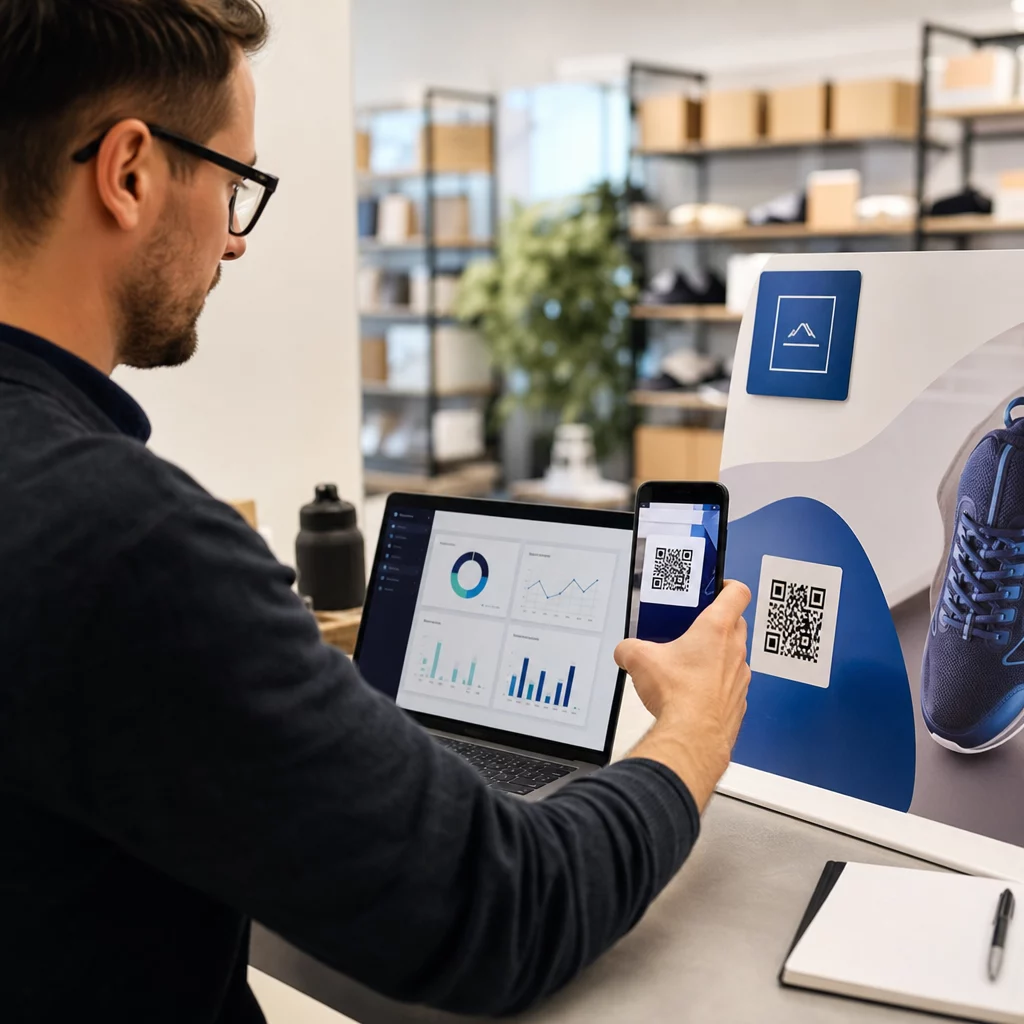
Producerer dine QR-kodekampagner resultater, eller genererer du bare koder og håber, de virker? Uden en struktureret tilgang til målsætning forbliver de fleste kampagner vage, hvilket gør det umuligt at måle fremskridt eller retfærdiggøre investering. Denne guide forklarer, hvordan man anvender SMART-rammen på QR-kode marketing, så hver kampagne har en klar retning, sporbare målinger og en defineret tidslinje.
Hvad SMART-mål betyder for QR-kodekampagner
SMART er et akronym for mål, der er Specifikke, Målbare, Opnåelige, Relevante og Tidsbestemte. Først defineret i en ledelsesartikel fra 1981 af George T. Doran, er rammen siden blevet en standard inden for marketingplanlægning, fordi den tvinger abstrakte intentioner ind i konkrete mål.
Anvendt på QR-kodekampagner lukker SMART-målsætning kløften mellem “vi ønsker mere engagement” og “vi ønsker 500 besøg på produktsider fra QR-koder på detailpakninger inden for 60 dage.” Forskellen er vigtig, fordi den anden version fortæller dig, hvad du skal bygge, hvor du skal placere det, og hvornår du skal evaluere det.
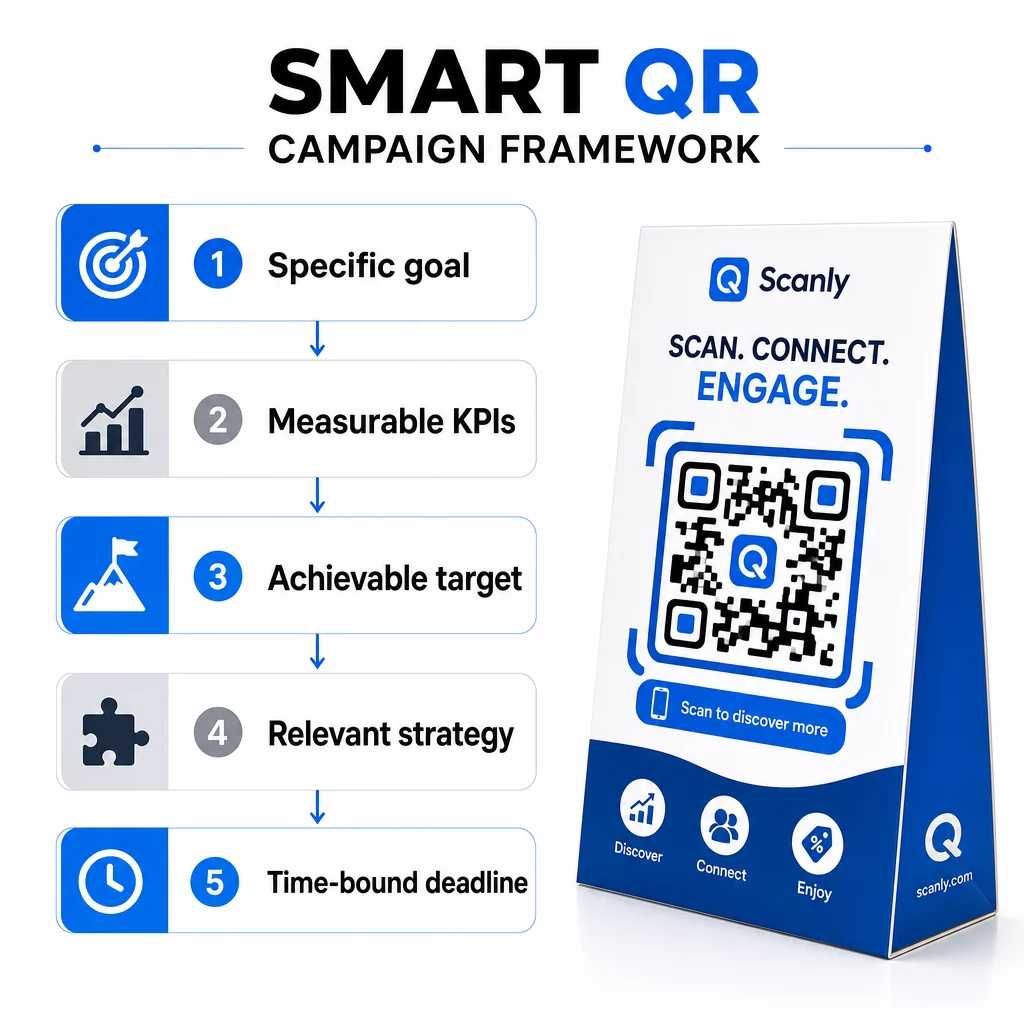
Her er, hvad hver komponent bidrager med til en QR-kampagne:
- Specifik – Definerer det præcise resultat, målgruppe og placering
- Målbar – Etablerer KPI'er, du kan spore, såsom samlede scanninger, unikke scanninger eller konverteringer
- Opnåelig – Afstemmer mål med dit budget, teamkapacitet og tekniske ressourcer
- Relevant – Forbinder kampagnen med et bredere forretnings- eller marketingmål
- Tidsbestemt – Sætter en deadline for evaluering og optimering
Afsnittene nedenfor gennemgår hvert element og viser, hvordan det anvendes i praksis.
Sådan sætter du specifikke mål for QR-kodekampagner
Specificitet besvarer to spørgsmål: hvad ønsker du skal ske, og hvorfor er det vigtigt? Uden denne klarhed er det svært at beslutte, hvor du skal placere dine koder, hvilket indhold de skal linke til, eller hvilken type QR-kode du skal bruge.
Sammenlign disse to mål:
- Vag: “Øg kundeengagementet”
- Specifik: “Øg app-downloads med 20 % i løbet af næste kvartal ved at placere QR-koder på produktemballage, der linker direkte til vores app-butiksfortegnelse”
Den anden version fortæller dig det ønskede resultat (app-downloads), målet (20 %), placeringen (produktemballage) og destinationen (app-butik). Hver af disse beslutninger udspringer naturligt af målet.
Dit specifikke mål bestemmer også den rigtige type QR-kode. Valg af den rigtige QR-kode til din kampagne afhænger af dit mål – en URL QR-kode fungerer godt til at drive webtrafik, mens en vCard QR-kode passer til netværksscenarier, og en kuponkode på et butiksvindue kan tiltrække nye kunder med et rabattilbud.
Dynamiske QR-koder er især nyttige, når dit mål involverer igangværende kampagner, fordi du kan opdatere destinationen uden at genoptrykke dine materialer. Denne fleksibilitet holder dine specifikke mål opnåelige, selv når detaljer ændrer sig midt i kampagnen.
Sådan opretter du målbare QR-kode-mål
Et målbart mål har definerede indikatorer, du kan tjekke på ethvert tidspunkt under kampagnen. For QR-kode-kampagner inkluderer kernemetrikkerne:
- SCANNINGER I ALT – Samlet interaktionsvolumen med din kode
- Unikke scanninger – Hvor mange unikke brugere der interagerede, i modsætning til gentagne scanninger fra den samme enhed
- Scanningssted – Geografiske data, der afslører, hvilke placeringer eller regioner der driver mest engagement
- Enhedstype – Hvorvidt brugere er på iOS, Android eller desktop, hvilket informerer optimering af landingssider
- Tid og dato for scanning – Identificerer, hvornår dit publikum er mest aktivt, så du kan tilpasse kampagnetidspunktet derefter
- Konverteringsrate – Procentdelen af scannere, der fuldfører den ønskede handling, såsom at udfylde en formular, foretage et køb eller downloade en app
- Adfærd efter scanning – Afvisningsprocent, tid på side og klikrater, der indikerer indholdskvalitet efter scanningen
Konverteringsraten er særligt sigende. Hvis din QR-kode modtager 400 scanninger, og 120 personer fuldfører den ønskede handling, har du en konverteringsrate på 30%. Dette tal går ud over rækkevidde for at vise den faktiske kampagneeffekt.
Tilføjelse af UTM-parametre til dine QR-kodes destinations-URL'er giver dig mulighed for at bringe disse data ind i Google Analytics, hvor du kan forbinde QR-drevet trafik til specifikke kampagner, sammenligne placeringer og analysere adfærd efter scanning i detaljer.
Spor hver scanning i realtid Pageloots QR-kode analyse-dashboard overvåger samlede scanninger, placeringer, enhedstyper og engagementstendenser, så du altid ved, hvordan din kampagne performer.
Sådan sætter du opnåelige mål
Ambitiøse mål er nyttige. Urealistiske skader troværdigheden og spilder ressourcer. Opnåelige mål er baseret på, hvad dit team, budget og værktøjer faktisk kan understøtte.
Budget påvirker direkte kampagnens omfang. Hvis ressourcerne er begrænsede, skal du koncentrere dig om placeringer med stor effekt i stedet for at distribuere QR-koder på for mange overflader. En enkelt velplaceret kode på et visitkort eller en butikshylde kan overgå et dusin dårligt placerede koder.
Teamkapacitet former, hvor kompleks din kampagne kan være. Dynamiske QR-koder kræver løbende administration – opdatering af destinationer, overvågning af analyser og justering af indhold – mens statiske koder er enklere at vedligeholde, når de er implementeret. Hvis dit team er nyt inden for QR-kampagner, er det en praktisk tilgang at starte med en eller to dynamiske koder og skalere op, efterhånden som tilliden vokser.
Tekniske muligheder bestemmer, hvilke funktioner du kan bruge effektivt. CRM-integrationer, automatiserede opfølgningsarbejdsgange og avanceret segmentering er kraftfulde værktøjer, men de kræver opsætningstid og platformskompatibilitet. Byg mål omkring, hvad din stack faktisk kan levere.
Branchebenchmarks kan forankre dine forventninger, men da standardiserede QR-kodekonverteringsrater varierer meget efter branche, placering og publikum, er den mest pålidelige benchmark din egen tidligere præstation. Hvis du kører din første kampagne, hjælper en blød lancering med begrænset distribution dig med at etablere en baseline, før du skalerer.
Sådan afstemmer du QR-kode-mål med din marketingstrategi
En QR-kodekampagne, der opererer isoleret, har tendens til at underpræstere. Når dine kampagnemål er forbundet med et bredere marketingmål – hvad enten det er leadgenerering, kundefastholdelse eller brandbevidsthed – bidrager hver scanning til noget større.
Brandkonsistens er vigtigt, når QR-koder bygger bro mellem offline og online oplevelser. Hvis en luksusforhandler placerer koder på produktemballage, skal den landingsside, som disse koder peger på, afspejle den samme premium æstetik. En manglende forbindelse mellem det fysiske berøringspunkt og den digitale destination underminerer tilliden og reducerer konverteringer.
Målgruppeafstemning former, hvor og hvordan du implementerer koder. En QR-kode til sociale medier placeret på eventmaterialer kan give stærk genklang hos et yngre publikum, mens en vCard QR-kode på et visitkort passer til professionelle netværkskontekster. At forstå dit publikums vaner hjælper dig med at matche kodetypen og placeringen til deres forventninger.
Afstemning af indholdsstrategi sikrer, at QR-koder understøtter dine redaktionelle og kampagnemål. Hvis dit fokus for et kvartal er tankelederskab, forstærker QR-koder på konferencematerialer, der linker til whitepapers eller forskningsrapporter, denne positionering. Hvis du kører en kampagneperiode, supplerer koder, der linker til eksklusive rabattilbud, kampagnetemaet.
Kortlægning af kunderejsen hjælper med at identificere det rette tidspunkt for placering af QR-koder. En QR-kode i en e-mail efter køb, der linker til en tilfredshedsundersøgelse, fanger kunderne, når oplevelsen er frisk. En på et eventbadge forbinder deltagere med sessionsressourcer på præcis det rigtige tidspunkt. Forståelse af, hvordan QR-koder passer ind i din overordnede marketingstrategi er det, der adskiller en strategisk kampagne fra en kode, der bare findes på en flyer.
Sådan gør du QR-kode-mål tidsbegrænsede
En deadline skaber en følelse af hast og definerer, hvornår du vil evaluere, om dine mål blev nået. Uden en driver kampagner uendeligt uden et klart punkt til at vurdere ydeevnen.
Strukturerede lanceringsfaser reducerer risikoen. En blød lancering med begrænset QR-kode-distribution giver dig mulighed for at teste placering, indhold og teknisk opsætning før fuld implementering. Dette er særligt værdifuldt for dynamiske QR-koder, hvor tidlig analyse kan informere justeringer, før du skalerer.
Evalueringsintervaller bør matche kampagnetypen. En kort salgsfremmende kampagne kan kræve daglig scanningsovervågning. En indsats for brandbevidsthed kan gennemgås ugentligt eller månedligt. Eventbaserede kampagner kræver ofte sporing i realtid, så du kan håndtere problemer, når de opstår.
Optimeringsvinduer skal eksplicit indbygges i din tidslinje. Hvis scanningsraterne er lavere end forventet efter to uger, skal du have tilstrækkelig tid tilbage til at teste alternative placeringer, opdatere destinations-URL'en eller revidere din opfordring til handling. Dynamiske QR-koder gør disse justeringer mulige uden genudskrivning, hvilket er en betydelig fordel, når tiden er knap.
Ydeevnemilepæle hjælper dig med at opretholde momentum på længere kampagner. At sætte kontrolpunkter ved 25%, 50% og 75% af din tidslinje skaber naturlige muligheder for at sammenligne den faktiske ydeevne med dine målbare mål og korrigere kursen før slutdatoen.
Sporing af ydeevne med QR-kodeanalyse
Analyse er det, der gør SMART-mål operationelle. Uden sporing kan du ikke bekræfte, om dine specifikke mål blev nået, vurdere, om dine benchmarks var opnåelige, eller vide, hvornår du skal optimere.
Værktøjer til sporing af QR-koder registrerer scanningsvolumen, unikke brugere, geografisk placering, enhedstype og tidspunkt for scanning – alt sammen forbundet direkte til den målbare komponent af dine mål. Tidsbaserede data er især nyttige til at forfine kampagnetiming. Hvis analyser viser, at scanninger klynger sig omkring frokosttid eller specifikke ugedage, kan du tilpasse ændringer i salgsfremmende indhold eller kampagnelanceringer til at matche disse mønstre.
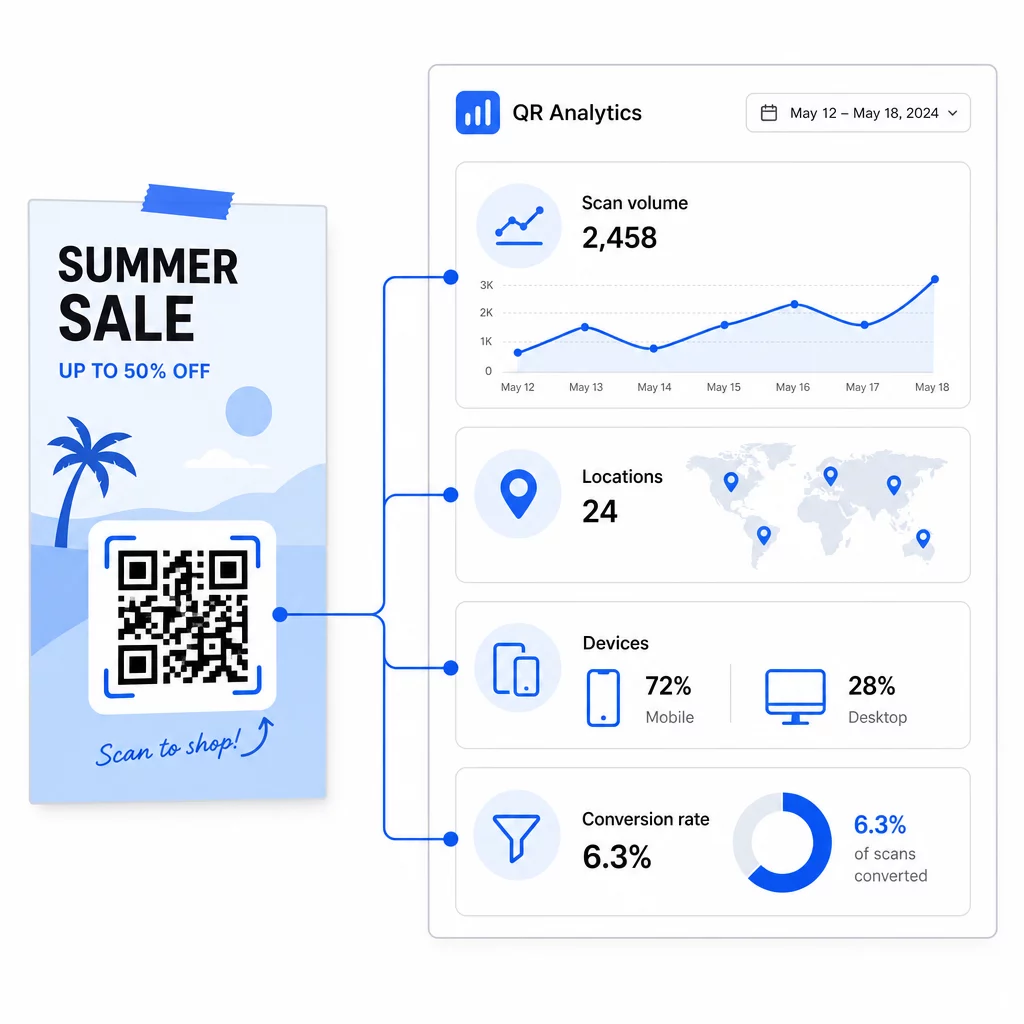
Post-scanningsadfærdsmålinger – afvisningsprocent, sider pr. session og konverteringshandlinger – afslører, hvad der sker efter scanningen. Et højt antal scanninger med en høj afvisningsprocent tyder på, at landingssiden ikke leverer det, QR-koden lovede. Det er handlingsorienteret information.
Det den ultimative guide til QR-kode analyse-dashboards dækker hvordan man opsætter sporingsparametre, konfigurerer UTM-tags og aflæser præstationsdata i Google Analytics 4. For kampagner på tværs af flere placeringer eller regioner, sporing af QR-koder efter geografisk område giver dig mulighed for at sammenligne scanningsvolumen og konverteringsrater efter by eller region og omfordele budgettet mod de bedst ydende placeringer.
Pageloots analyse-dashboard sporer alt dette i realtid og adskiller præstationsdata efter individuel QR-kode, hvilket gør det ligetil at sammenligne placeringer, identificere svage punkter og beregne ROI ved at knytte scanningsdata til specifikke forretningsresultater.
Begynd at spore dine QR-kampagner Opret sporbare dynamiske QR-koder og få adgang til scanningsdata i realtid med Pageloot QR-kodegenerator. Gratis 14-dages prøveperiode, intet kreditkort påkrævet.
Brug af dynamiske QR-koder til at forblive i overensstemmelse med dine mål
En praktisk udfordring med tidsbegrænsede kampagner er, at omstændighederne ændrer sig. En landingsside underpræsterer, et kampagnetilbud udløber, eller en begivenhed bliver omplanlagt. Med statiske QR-koder kræver enhver af disse ændringer genoptryk.
Dynamiske QR-koder løser dette ved at pege på en kort omdirigerings-URL, som du kontrollerer. Du kan opdatere destinationen, udskifte et tilbud eller omdirigere til en ny side når som helst – uden at røre den trykte kode. Dette understøtter det opnåelige aspekt af SMART-mål ved at fjerne den friktion, der typisk gør justeringer midt i kampagnen omkostningsfulde.
Dynamiske koder muliggør også A/B-test, hvor du tester én variabel ad gangen – destinations-URL, call-to-action eller landingssidedesign – og måler, hvilken version der driver bedre konverteringer. Over tid forbedrer denne iterative proces kampagnens ydeevne og opbygger et klarere billede af, hvad der virker for dit specifikke publikum.
For et struktureret overblik over, hvornår man skal bruge statiske versus dynamiske koder, er sammenligning af statiske vs. dynamiske QR-koder dækker de vigtigste afvejninger med hensyn til omkostninger, fleksibilitet og sporingskapacitet.
Beregning af ROI for QR-kodekampagner
At forbinde analyser med forretningsresultater er det sidste skridt i at få dine SMART-mål til at give pote. ROI-beregning starter med at etablere omkostningsgrundlag – design, print, platformgebyrer og personaletimer – og derefter identificere den omsætning eller værdi, der genereres fra QR-kodeinteraktioner.
Når du kan knytte scanninger til specifikke handlinger, bliver beregningen ligetil. Hvis en QR-kode på produktemballage driver garantiregistreringer, kan du kvantificere reduktionen i kundeserviceopkald. Hvis en kode på en messe udfylder dit CRM med kvalificerede leads, kan du sammenligne omkostningen pr. lead med andre anskaffelseskanaler.
Attributionsvinduer er vigtige her. Nogle brugere scanner en kode, men konverterer dage eller uger senere. Sporingsperioder skal tage højde for denne forsinkelse for at undgå at undervurdere kampagnen. Overvågning af både øjeblikkelige konverteringer og langsigtet kundelivstidsværdi giver et mere komplet billede.
Regelmæssig ROI-rapportering holder interessenter informeret og retfærdiggør fortsat investering. Månedlige opdateringer, der forbinder scanningsvolumener, konverteringsrater og omsætningsattribution tilbage til de oprindelige SMART-mål, demonstrerer kampagneværdien tydeligt og identificerer muligheder for forbedring i den næste cyklus. At sætte SMART-mål er det, der adskiller en QR-kodestrategi fra et QR-kodeeksperiment. Ved at definere specifikke resultater, etablere målbare KPI'er, opbygge realistiske mål, forbinde kampagner med bredere marketingmål og sætte klare deadlines, giver du hver scanning et formål. Par den struktur med dynamiske QR-koder og realtidsanalyse, og du har værktøjerne til at handle på, hvad dine data fortæller dig – ikke bare rapportere om det efterfølgende. Den QR-kode marketing: Tjekliste til små virksomheder er et praktisk næste skridt, hvis du ønsker en struktureret ramme for at omsætte disse principper til handling.
Ofte stillede spørgsmål
Start med at identificere det bredere marketingmål, din kampagne skal understøtte – uanset om det er leadgenerering, brandbevidsthed eller kundefastholdelse. Arbejd derefter baglæns for at definere et QR-kodemål, der bidrager direkte til dette mål. For eksempel, hvis din kvartalsvise prioritet er at erhverve nye e-mailabonnenter, kan et SMART QR-kodesmål være “generer 200 nye e-mail-tilmeldinger fra QR-koder på eventmaterialer inden for 30 dage.” Konsistens i branding og indhold mellem dine fysiske materialer og din digitale destination forstærker også alignment ved hvert berøringspunkt.
De vigtigste målinger afhænger af dit kampagnemål, men centrale KPI'er inkluderer samlede scanninger, unikke scanninger, scanningssted, enhedstype og tidspunkt for scanning. Ud over disse afslører adfærdsmålinger efter scanning – såsom konverteringsrate, afvisningsprocent og tid på siden – om din landingsside leverer det, QR-koden lovede. Tilføjelse af UTM-parametre til dine destinations-URL'er bringer alle disse data ind i Google Analytics, hvor du kan analysere dem sammen med din øvrige kanalperformance.
Dynamiske QR-koder giver dig mulighed for at opdatere destinations-URL'en uden at genoptrykke dit materiale, hvilket er afgørende for tidsbegrænsede kampagner, hvor forholdene ændrer sig. Hvis en landingsside underpræsterer, eller en kampagne udløber midt i kampagnen, kan du øjeblikkeligt omdirigere til opdateret indhold. Dynamiske koder understøtter også A/B-test ved at lade dig sammenligne destinationsvarianter og måle, hvilken der driver bedre konverteringer. Kombineret med indbygget analyse giver de dig den fleksibilitet og de data, der er nødvendige for at holde dig på sporet med målbare, opnåelige mål gennem hele kampagnens livscyklus.