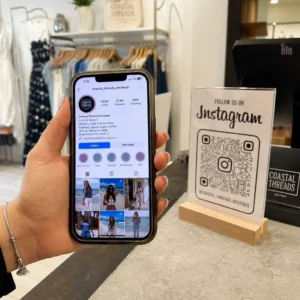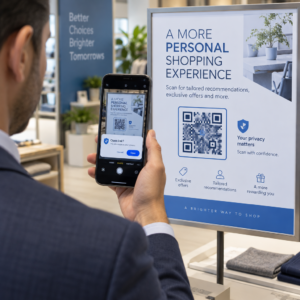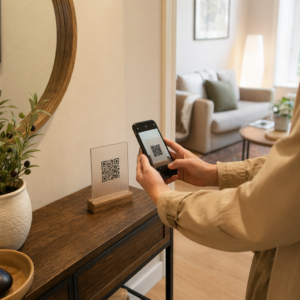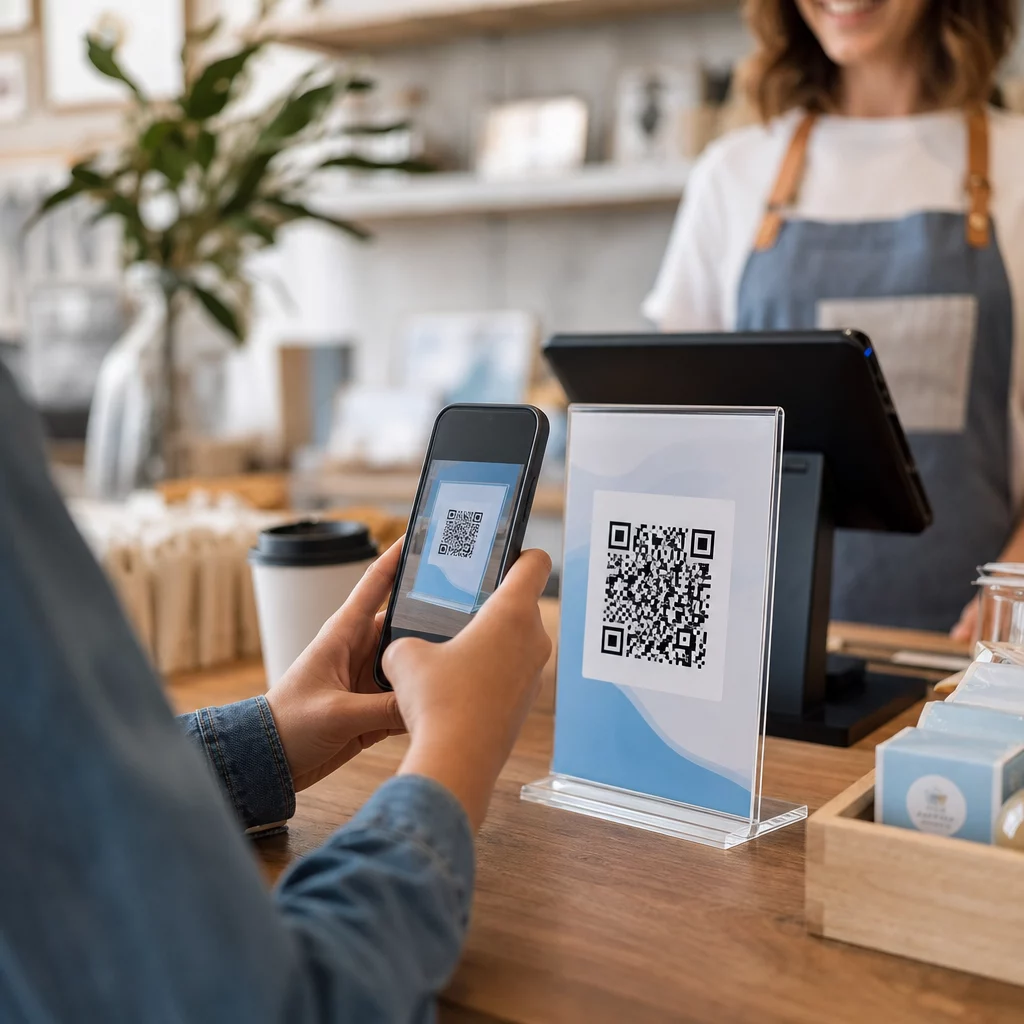
Αναζητάτε έναν τρόπο χαμηλής προσπάθειας για να συνδέσετε το φυσικό σας μάρκετινγκ με μετρήσιμα ψηφιακά αποτελέσματα; Οι περισσότερες επιχειρήσεις χάνουν δυνητικούς πελάτες ακριβώς τη στιγμή του ενδιαφέροντος – όταν κάποιος βλέπει το προϊόν, το μενού ή τη διαφήμισή σας αλλά δεν έχει εύκολο επόμενο βήμα. Οι κωδικοί QR κλείνουν αυτό το κενό άμεσα, μετατρέποντας οποιαδήποτε έντυπη επιφάνεια σε ένα διαδραστικό σημείο επαφής.
Γιατί η υιοθέτηση των κωδικών QR βρίσκεται σε ιστορικό υψηλό
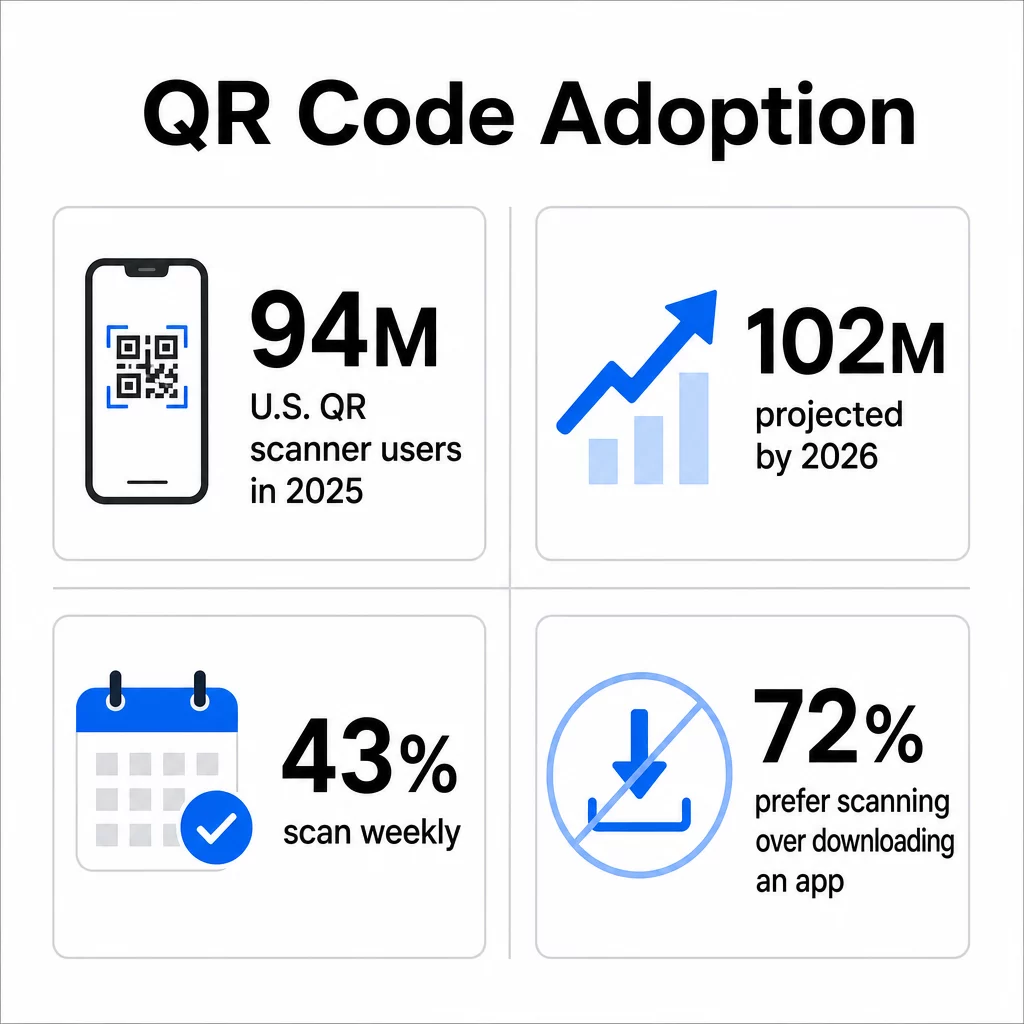
Οι κωδικοί QR δεν αποτελούν πλέον καινοτομία. Πάνω από 94 εκατομμύρια καταναλωτές στις ΗΠΑ χρησιμοποίησαν σαρωτές QR smartphone το 2025, με προβλέψεις να ξεπερνούν τα 102 εκατομμύρια έως το 2026. Εν τω μεταξύ, το 43% των χρηστών smartphone σαρώνουν τουλάχιστον έναν κωδικό QR την εβδομάδα, και το 72% προτιμούν τη σάρωση ενός κωδικού από τη λήψη μιας εφαρμογής ειδικά για την επιχείρηση.
Αυτή η αλλαγή συμπεριφοράς έχει σημασία για την επιχείρησή σας. Ένας πελάτης που σαρώνει έναν κωδικό κάνει μια ενεργή επιλογή – ένα σήμα υψηλής πρόθεσης ότι θέλει περισσότερες πληροφορίες, μια προσφορά ή έναν τρόπο να ολοκληρώσει μια συναλλαγή. Αυτή είναι μια θεμελιωδώς διαφορετική αλληλεπίδραση από κάποιον που βλέπει παθητικά μια διαφήμιση.
Η εμπιστοσύνη των καταναλωτών έχει επίσης αυξηθεί. Από το 2025, το 82% των καταναλωτών αισθάνονται άνετα να σαρώνουν κωδικούς QR από επιχειρήσεις που αναγνωρίζουν, από 53% το 2021. Η υποδομή είναι στη θέση της· το κοινό είναι έτοιμο.
Πώς οι κωδικοί QR οδηγούν στην αφοσίωση των πελατών
Το πιο άμεσο όφελος των κωδικών QR είναι η δυνατότητα να δώσετε στους πελάτες κάτι χρήσιμο τη στιγμή που το χρειάζονται – χωρίς τριβές.
Τα εστιατόρια τοποθετούν κωδικούς QR στα τραπέζια ώστε οι πελάτες να μπορούν να περιηγηθούν σε ένα ψηφιακό μενού μενού που ενημερώνεται σε πραγματικό χρόνο κάθε φορά που αλλάζει ένα πιάτο ή προστίθεται ένα εποχιακό είδος. Δεν υπάρχει επανεκτύπωση, ξεπερασμένο χαρτί και συμφόρηση προσωπικού. Μια έρευνα καταναλωτών του 2025 διαπίστωσε ότι το 57% των πελατών είχαν σαρώσει έναν κωδικό QR σε ένα εστιατόριο τον τελευταίο μήνα.
Οι λιανοπωλητές εκτυπώνουν κωδικούς στις συσκευασίες προϊόντων για να συνδέσουν τους πελάτες με βίντεο εκμάθησης, πληροφορίες προέλευσης συστατικών, κριτικές χρηστών ή εγγραφή σε πρόγραμμα επιβράβευσης – περιεχόμενο που δεν χωράει σε μια ετικέτα αλλά επηρεάζει άμεσα τις αποφάσεις αγοράς.
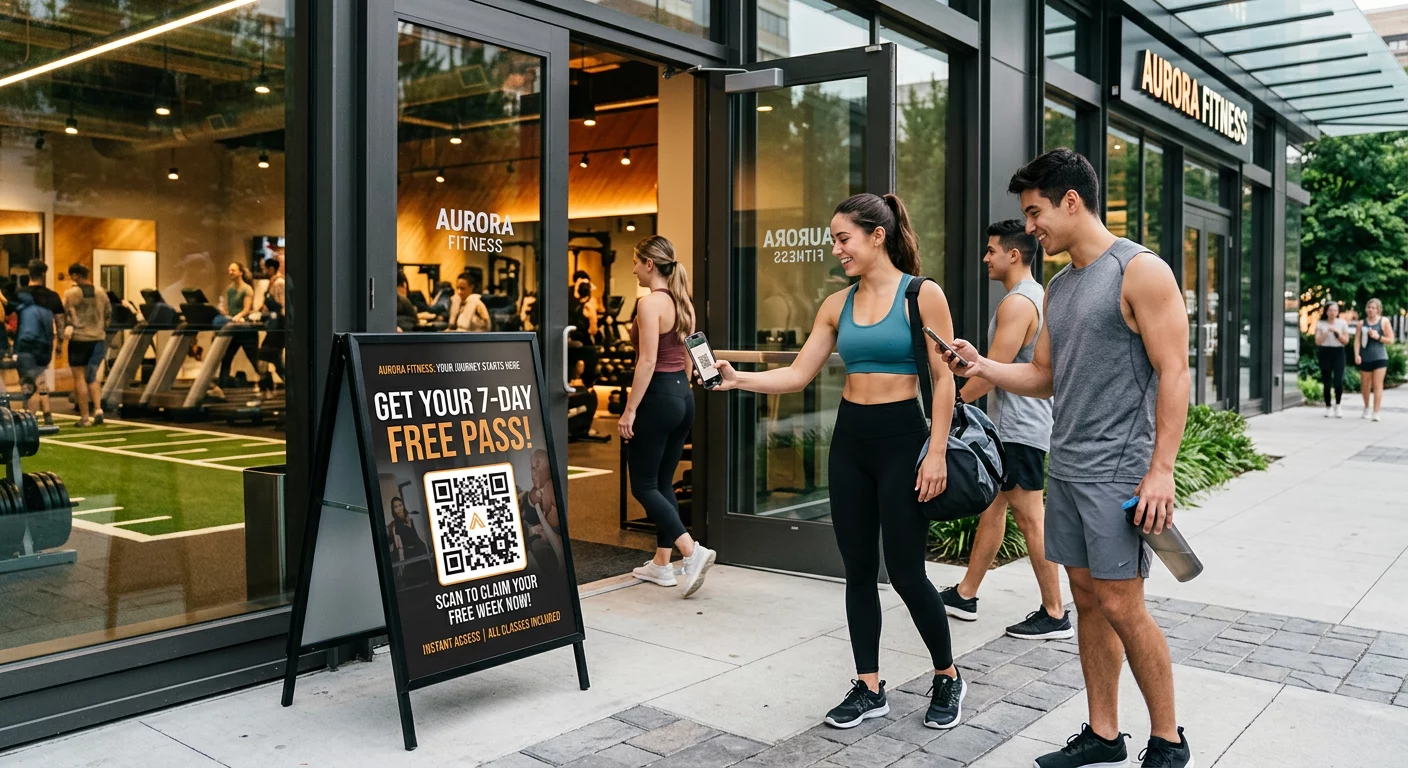
Επιχειρήσεις παροχής υπηρεσιών όπως κομμωτήρια νυχιών, συνεργεία αυτοκινήτων και γυμναστήρια χρησιμοποιούν κωδικούς QR για να επιτρέψουν στους πελάτες να κλείνουν ραντεβού, να υποβάλλουν σχόλια ή να έχουν πρόσβαση σε ιστορικά υπηρεσιών. Κάθε μία από αυτές τις αλληλεπιδράσεις μειώνει την τριβή και δημιουργεί ένα αρχείο στο οποίο μπορείτε να ενεργήσετε.
Μετατρέψτε κάθε φυσικό σημείο επαφής σε ψηφιακή αλληλεπίδραξη Είτε διαχειρίζεστε ένα καφέ, ένα κατάστημα λιανικής πώλησης ή μια επιχείρηση παροχής υπηρεσιών, οι λύσεις της Pageloot Λύσεις QR code σας βοηθούν να συνδέσετε έντυπα υλικά με ψηφιακές εμπειρίες – χωρίς να απαιτείται τεχνική ρύθμιση.
Συλλογή σχολίων πελατών χωρίς εμπόδια
Μία από τις πιο υποχρησιμοποιούμενες εφαρμογές των κωδικών QR είναι η συλλογή σχολίων. Όταν ένας πελάτης τελειώνει ένα γεύμα, ολοκληρώνει ένα ραντεβού υπηρεσίας ή λαμβάνει ένα πακέτο, η στιγμή της κορυφαίας εμπειρίας είναι η καλύτερη στιγμή για να ζητήσετε μια κριτική ή μια απάντηση σε έρευνα.
Τοποθετώντας έναν κωδικό QR σε μια απόδειξη, μια βάση τραπεζιού ή μια πινακίδα εξόδου, οι πελάτες οδηγούνται απευθείας σε μια φόρμα ή σελίδα αξιολόγησης όσο η εμπειρία τους είναι ακόμα νωπή. Ένας QR code κριτικών Google που παραπέμπει στο προφίλ της επιχείρησής σας κάνει την υποβολή μιας δημόσιας αξιολόγησης υπόθεση δευτερολέπτων. Αυτό υποστηρίζει άμεσα την κατάταξή σας στις τοπικές αναζητήσεις και δημιουργεί κοινωνική απόδειξη για τους μελλοντικούς πελάτες.
Για δομημένη ανατροφοδότηση, ένας Κωδικός QR της φόρμας Google σας επιτρέπει να συλλέγετε λεπτομερείς απαντήσεις – αξιολογήσεις ικανοποίησης προϊόντων, βαθμολογίες υπηρεσιών ή ανοιχτές προτάσεις – χωρίς να απαιτείται από τους πελάτες να αναζητήσουν έναν σύνδεσμο έρευνας. Περίπου το 95% των επιχειρήσεων που χρησιμοποιούν κωδικούς QR αναφέρουν ότι τους βοηθούν να συλλέγουν δεδομένα πρώτου μέρους που ενημερώνουν την στρατηγική μάρκετινγκ τους.
Συλλέξτε Αξιολογήσεις και Ανατροφοδότηση Αυτόματα Προσθέστε ένα QR code κριτικών Google στις αποδείξεις, τις πινακίδες ή τη συσκευασία σας και ξεκινήστε να χτίζετε την online φήμη σας από κάθε προσωπική αλληλεπίδραση.
Αποδοχή Πληρωμών Χωρίς Τερματικό
Οι κωδικοί QR προσφέρουν έναν πρακτικό τρόπο για ανέπαφες πληρωμές σε επιχειρήσεις που θέλουν να αποφύγουν την πολυπλοκότητα και το κόστος των παραδοσιακών τερματικών καρτών. Χρησιμοποιώντας μια υπηρεσία όπως το PayPal, μπορείτε να δημιουργήσετε έναν κωδικό QR πληρωμής τον οποίο οι πελάτες σαρώνουν για να ολοκληρώσουν μια συναλλαγή απευθείας από το τηλέφωνό τους.
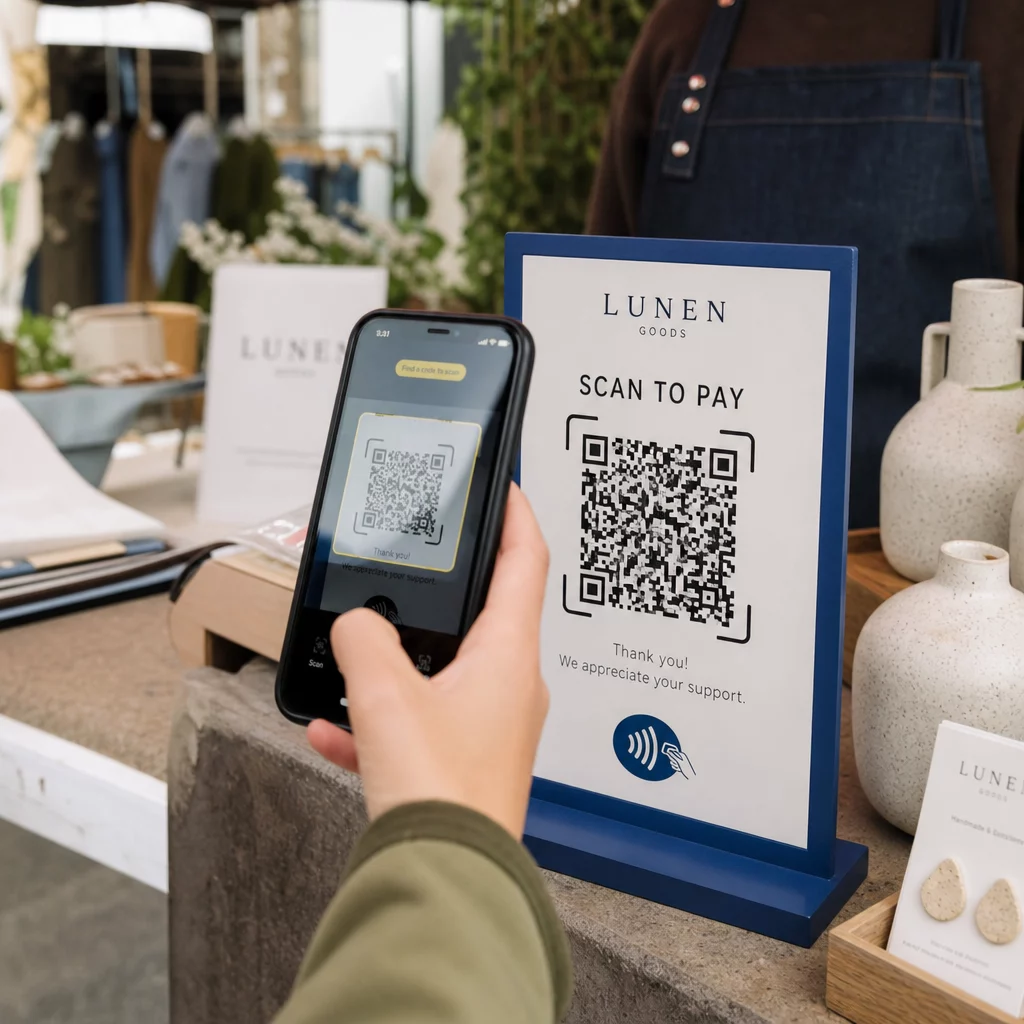
Αυτό λειτουργεί σε πάγκους αγορών, pop-up καταστήματα, παραδόσεις και οπουδήποτε αλλού ένα σταθερό τερματικό πληρωμών είναι ανέφικτο. Η εγκατάσταση διαρκεί λεπτά, δεν απαιτεί υλικό και υποστηρίζει την αυξανόμενη προσδοκία των πελατών ότι οποιαδήποτε επιχείρηση μπορεί να δεχτεί ανέπαφες πληρωμές κατόπιν ζήτησης.
Κάνοντας το Έντυπο Μάρκετινγκ Μετρήσιμο
Η έντυπη διαφήμιση είχε πάντα πρόβλημα παρακολούθησης. Ξοδεύετε χρήματα σε ένα φυλλάδιο, μια διαφημιστική πινακίδα ή μια καμπάνια άμεσης αλληλογραφίας, αλλά δεν μπορείτε να γνωρίζετε πόσοι άνθρωποι ασχολήθηκαν με αυτήν ή τι έκαναν στη συνέχεια. Οι κωδικοί QR αλλάζουν αυτή την εξίσωση εντελώς.
Όταν χρησιμοποιείτε έναν μοναδικό κωδικό QR σε κάθε στοιχείο μάρκετινγκ – έναν ξεχωριστό κωδικό στην έντυπη διαφήμισή σας, έναν διαφορετικό στο κομμάτι άμεσης αλληλογραφίας σας – μπορείτε να αποδώσετε τις σαρώσεις σε συγκεκριμένα κανάλια και δημιουργικά. Αυτά τα δεδομένα σας λένε ποια υλικά προκαλούν πραγματικά ενδιαφέρον και ποια δεν αξίζουν τον προϋπολογισμό τους.
Δυναμικοί κωδικοί QR προχωρήστε παραπέρα δρομολογώντας τις σαρώσεις μέσω μιας ανακατεύθυνσης που ελέγχετε. Μπορείτε να ενημερώσετε τη διεύθυνση URL προορισμού ανά πάσα στιγμή χωρίς να επανεκτυπώσετε τον κωδικό. Εκτελέστε μια εποχική προσφορά τον Δεκέμβριο και, στη συνέχεια, αλλάξτε τον προορισμό σε μια πώληση Ιανουαρίου τη στιγμή που τελειώνει η καμπάνια. Ο φυσικός κωδικός δεν αλλάζει ποτέ· η ψηφιακή εμπειρία αλλάζει.
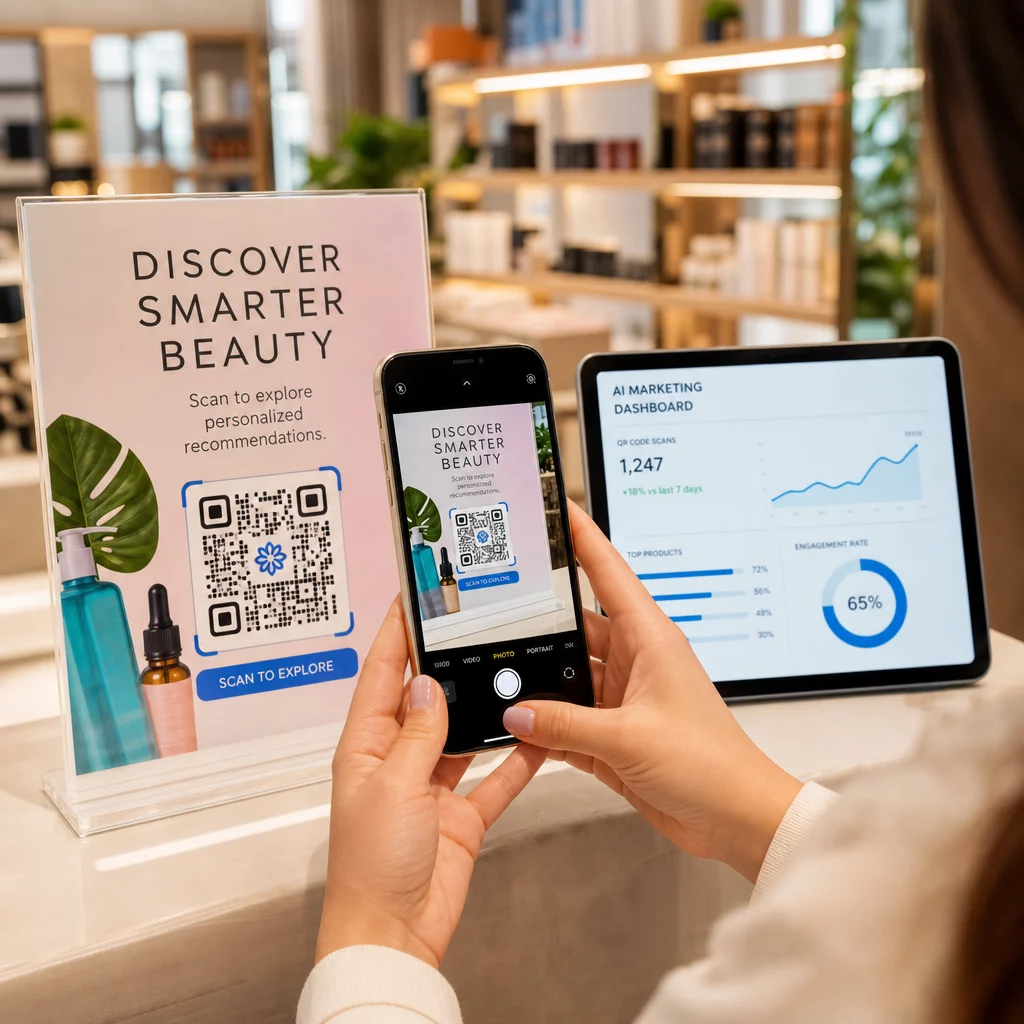
Τα αναλυτικά στοιχεία που συνοδεύουν τους δυναμικούς κωδικούς περιλαμβάνουν τον όγκο σαρώσεων, την ώρα της ημέρας, τη γεωγραφική τοποθεσία και τον τύπο συσκευής. Μπορείτε να χρησιμοποιήσετε αυτά τα δεδομένα για να προσδιορίσετε ποιες τοποθεσίες ή χρονικά παράθυρα δημιουργούν το μεγαλύτερο ενδιαφέρον και να βελτιστοποιήσετε ανάλογα.
Παρακολουθήστε κάθε καμπάνια σε πραγματικό χρόνο Χρησιμοποιήστε το Pageloot’s Δημιουργία dynamic QR code για να δημιουργήσετε κωδικούς με δυνατότητα παρακολούθησης, να ενημερώνετε προορισμούς εν κινήσει και να βλέπετε έναν πλήρη πίνακα ελέγχου απόδοσης χωρίς να ανατυπώσετε ούτε ένα υλικό.
Χρήσιμες Μετρήσεις που Αποκαλύπτουν οι Κωδικοί QR
| Μετρική | Τι σας λέει | Πώς να το εφαρμόσετε |
|---|---|---|
| Όγκος σάρωσης | Συνολική εμβέλεια καμπάνιας | Προσδιορίστε ποια υλικά αποδίδουν καλύτερα |
| Ώρα σάρωσης | Πότε οι πελάτες είναι πιο αφοσιωμένοι | Βελτιστοποιήστε τα χρονοδιαγράμματα ανάρτησης και διανομής |
| Δεδομένα τοποθεσίας | Πού συγκεντρώνεται το ενδιαφέρον | Εστιάστε τους πόρους σε περιοχές υψηλής απόδοσης |
| Τύπος συσκευής | Πώς οι πελάτες έχουν πρόσβαση στο περιεχόμενό σας | Προσαρμόστε τις σελίδες προορισμού για κινητά ή επιτραπέζιους υπολογιστές |
Μείωση Λειτουργικών Εξόδων
Πέρα από το μάρκετινγκ, οι κωδικοί QR μειώνουν το κόστος με τρόπους που συσσωρεύονται με την πάροδο του χρόνου. Τα εστιατόρια που μεταβαίνουν σε ψηφιακά μενού εξαλείφουν τα επαναλαμβανόμενα έξοδα εκτύπωσης κάθε φορά που αλλάζει το μενού. Οι επιχειρήσεις φιλοξενίας που αντικαθιστούν τα έντυπα φυλλάδια με ψηφιακούς οδηγούς συνδεδεμένους με QR εξοικονομούν χρήματα στον σχεδιασμό, τις εκτυπώσεις και τη διανομή. Ένα τεκμηριωμένο παράδειγμα: Το Marriott Aruba αντικατέστησε τα έντυπα υλικά με κωδικούς QR και εξοικονόμησε πάνω από $150.000 σε έξοδα εκτύπωσης, ενώ δημιούργησε δεκάδες χιλιάδες ψηφιακές αλληλεπιδράσεις.
Για επιχειρήσεις που διατηρούν απόθεμα σε πολλές τοποθεσίες, οι κωδικοί QR που είναι προσαρτημένοι σε αντικείμενα επιτρέπουν τη γρήγορη σάρωση κατά την παραλαβή, την αποθήκευση και την αποστολή, μειώνοντας τα σφάλματα χειροκίνητης εισαγωγής δεδομένων και διατηρώντας τα αρχεία συστήματος συγχρονισμένα με τις φυσικές καταμετρήσεις.
Βελτίωση Δικτύωσης και Συλλογής Leads
ΕΝΑ Κωδικός QR επαγγελματικής κάρτας επιτρέπει στις επαφές να αποθηκεύουν τα στοιχεία σας – όνομα, τίτλο εργασίας, εταιρεία, αριθμό τηλεφώνου, email και ιστότοπο – απευθείας στο τηλέφωνό τους μέσα σε δευτερόλεπτα. Χωρίς πληκτρολόγηση, χωρίς σφάλματα μεταγραφής και χωρίς χαμένες κάρτες.
Μπορείτε να εφαρμόσετε την ίδια λογική στο μάρκετινγκ εκδηλώσεων. Οι παρευρισκόμενοι που σαρώνουν έναν κωδικό στο περίπτερό σας ή στην σήμανση της εκδήλωσής σας μπορούν να έχουν άμεση πρόσβαση στο πρόγραμμά σας, στις πληροφορίες ομιλητών ή σε μια φόρμα συλλογής leads. Κάθε σάρωση είναι μια καταγεγραμμένη αλληλεπίδραση στην οποία μπορείτε να δώσετε συνέχεια.
Για επιχειρήσεις που εκτελούν καμπάνιες ενημερωτικών δελτίων ή διαγωνισμούς, οι κωδικοί QR σε έντυπα υλικά οδηγούν την επισκεψιμότητα σε σελίδες εγγραφής, συνδυάζοντας την εμβέλεια των offline μέσων με τη μετρησιμότητα της ψηφιακής δημιουργίας leads.
Πώς να Ξεκινήσετε
Δεν χρειάζεστε μεγάλο προϋπολογισμό ή τεχνική ομάδα για να αρχίσετε να χρησιμοποιείτε αποτελεσματικά τους κωδικούς QR. Τα πρακτικά βήματα είναι απλά:
- Προσδιορίστε ένα ή δύο σημεία επαφής όπου οι πελάτες πρέπει επί του παρόντος να κάνουν ένα επιπλέον βήμα – αναζητώντας το μενού σας, βρίσκοντας τη σελίδα κριτικών σας ή εισάγοντας ένα ποσό πληρωμής χειροκίνητα
- Δημιουργήστε έναν κωδικό QR που αφαιρεί αυτήν την τριβή χρησιμοποιώντας ένα γεννήτρια κωδικών QR
- Επιλέξτε έναν δυναμικό κωδικό εάν αναμένετε να αλλάξει ο προορισμός ή θέλετε παρακολούθηση σάρωσης
- Δοκιμάστε τον κωδικό σε πολλές συσκευές πριν την εκτύπωση ή τη δημοσίευση
- Τοποθετήστε τον εκεί όπου οι πελάτες θα τον δουν την κατάλληλη στιγμή – σε μια απόδειξη, μια βάση τραπεζιού, συσκευασία ή μια βιτρίνα καταστήματος
Για μια ευρύτερη άποψη του πώς εφαρμόζονται οι κωδικοί QR στον συγκεκριμένο κλάδο σας, εξερευνήστε το λύσεις κωδικών QR ανά κλάδο για να βρείτε περιπτώσεις χρήσης σχετικές με τον τύπο της επιχείρησής σας.
Συχνές ερωτήσεις
Όχι. Οι περισσότεροι δημιουργοί κωδικών QR, συμπεριλαμβανομένου του Pageloot, απαιτούν μόνο να επικολλήσετε μια διεύθυνση URL ή να εισαγάγετε βασικές πληροφορίες. Μπορείτε να δημιουργήσετε, να προσαρμόσετε και να κατεβάσετε έναν κωδικό μέσα σε λίγα λεπτά χωρίς καμία εμπειρία κωδικοποίησης ή σχεδιασμού.
Ένας στατικός κωδικός QR κωδικοποιεί δεδομένα απευθείας στο μοτίβο. Μόλις δημιουργηθεί, ο προορισμός δεν μπορεί να αλλάξει. Ένας δυναμικός κωδικός QR δρομολογεί τις σαρώσεις μέσω μιας διεύθυνσης URL ανακατεύθυνσης που ελέγχετε, ώστε να μπορείτε να ενημερώσετε τον προορισμό ανά πάσα στιγμή χωρίς επανεκτύπωση. Οι δυναμικοί κωδικοί υποστηρίζουν επίσης αναλύσεις σάρωσης, συμπεριλαμβανομένης της τοποθεσίας, του τύπου συσκευής και του χρόνου σάρωσης. Για τις περισσότερες επιχειρηματικές χρήσεις, οι δυναμικοί κωδικοί προσφέρουν σημαντικά μεγαλύτερη ευελιξία και αξία.
Οι κωδικοί QR είναι ιδιαίτερα πρακτικοί για μικρές επιχειρήσεις επειδή το κόστος εισόδου είναι χαμηλό. Ένας μόνο κωδικός σε μια απόδειξη ή βάση τραπεζιού μπορεί να συλλέξει κριτικές, να δεχτεί πληρωμές ή να μοιραστεί το μενού σας χωρίς καμία επένδυση σε υλικό εξοπλισμό. Ο οδηγός μάρκετινγκ κωδικών QR για μικρές επιχειρήσεις καλύπτει συγκεκριμένες τακτικές κατάλληλες για μικρότερες λειτουργίες.