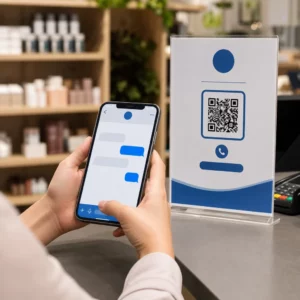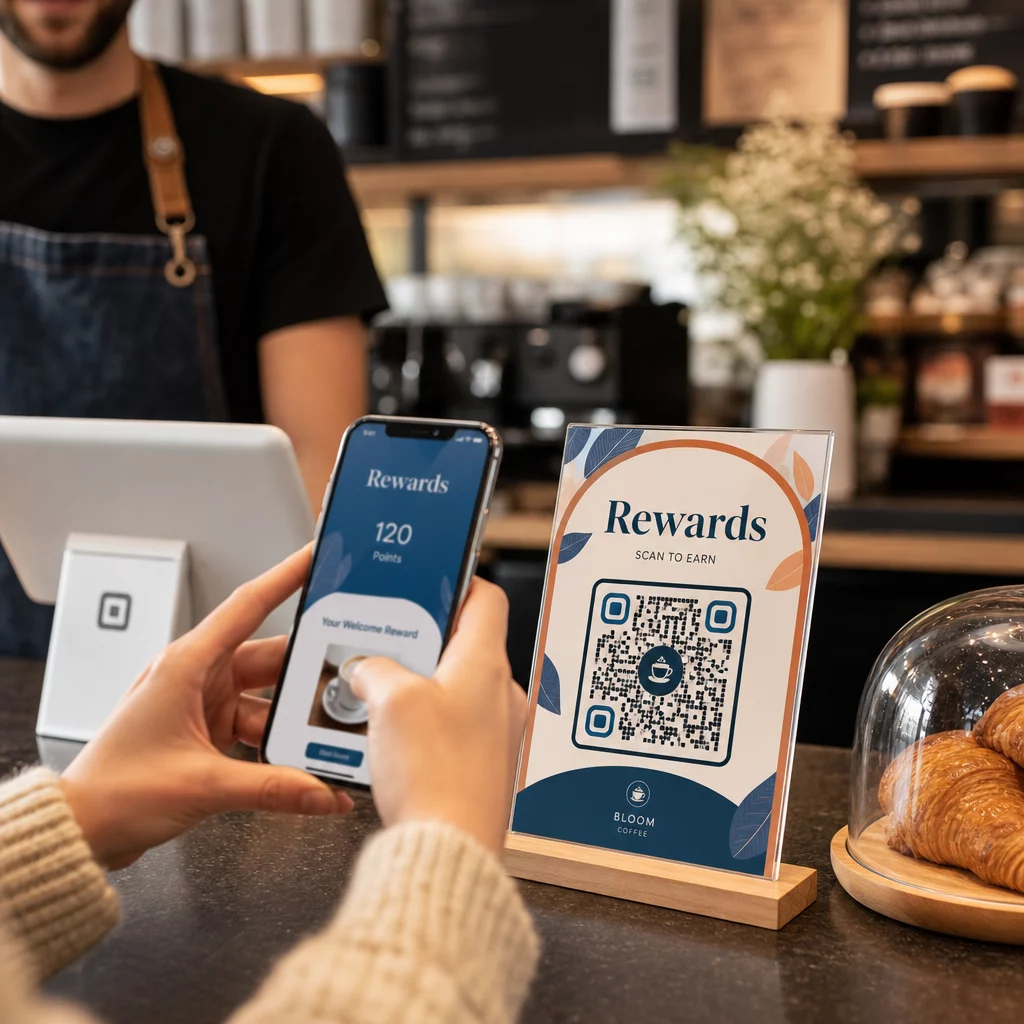
Ali se vaše nagrade za zvestobo zdijo generične? Ko vsaka stranka prejme isto ponudbo, se angažiranost zmanjša in članstva ostanejo neizkoriščena. Ta vodnik pojasnjuje, kako dinamične QR kode rešujejo ta problem z omogočanjem sledljivih, posodobljivih in resnično personaliziranih nagradnih izkušenj.
Zakaj generični programi zvestobe ne dosegajo pričakovanj
Vrzel med tem, kar stranke pričakujejo od programov zvestobe, in tem, kar večina podjetij ponuja, je širša, kot se zaveda marsikateri tržnik. Glede na nedavne raziskave 73 % potrošnikov pravi, da so personalizirane nagrade pomembna značilnost programa zvestobe – vendar le 60 % verjame, da trenutni programi ponujajo zadostno personalizacijo.
Ta vrzel ima resnične posledice. Ko se nagrade zdijo nepomembne, se stranke odmaknejo. Programi, ki obravnavajo prvega obiskovalca enako kot pogostega kupca, zamudijo priložnost za izgradnjo pristnega odnosa. Še huje, pristop "ena velikost za vse" strankam ne daje razloga, da bi vaš program raje imele pred konkurentom, ki ponuja boljšo ponudbo.
Glavno vprašanje je strukturno: tradicionalne nastavitve zvestobe – papirnate kartice za zbiranje žigov, statične kode za popust in ročno sledenje – se ne morejo prilagoditi individualnemu vedenju. Dinamične QR kode to spreminjajo.
Kaj naredi QR kodo “dinamično”
A dinamična QR koda kodira kratek preusmeritveni URL namesto fiksne destinacije. Ta preusmeritev kaže na centralni strežnik, ki ga nadzirate, kar pomeni, da lahko spremenite, kam koda pošilja uporabnike – kadar koli, brez ponovnega tiskanja fizične kode.
To se razlikuje od statične QR kode, ki trajno vgradi podatke v svoj vzorec. Ko je natisnjena, je statična koda zaklenjena. Če se ciljni URL spremeni, je koda pokvarjena. Prav tako ni mogoče slediti, kdo jo je skeniral, kdaj ali kje.
Z dinamičnimi kodami vsako skeniranje generira podatke: število skeniranj, časovni žig, geografsko lokacijo, vrsto naprave in operacijski sistem. Cilj lahko posodobite, prilagodite ponudbo ali celo onemogočite ogroženo kodo z nadzorne plošče – ne da bi se dotaknili kakršnega koli natisnjenega materiala.
Za popolno primerjavo teh dveh formatov glejte statične proti dinamičnim QR kodam: ključne razlike.
Kako dinamične QR kode omogočajo personalizirane nagrade
Tehnična prilagodljivost dinamičnih QR kod ustvarja tri različne zmožnosti, ki neposredno podpirajo personalizacijo.
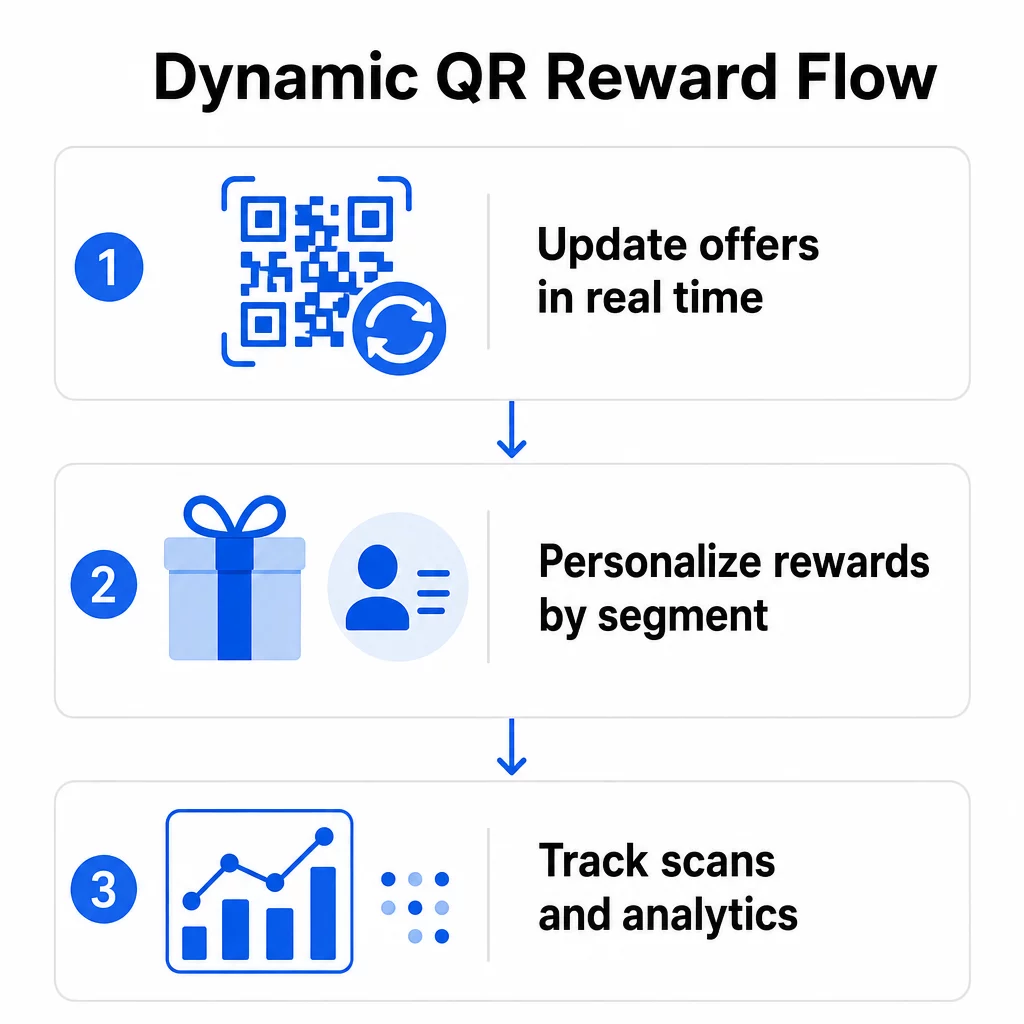
Posodobitve ponudb v realnem času
Ker je ciljni URL mogoče urejati, lahko spremenite, kaj stranka vidi, ko skenira, ne da bi izdali nove kode. QR koda, natisnjena na računu januarja, lahko februarja prikazuje promocijo za valentinovo in marca spomladansko razprodajo. Časovno omejene ponudbe, hitre ponudbe in sezonske nagrade postanejo obvladljive brez stroškov ponovnega tiskanja ali zamud pri kampanjah.
To pomeni tudi, da lahko preizkusite različne strukture nagrad. Če množitelj točk ne spodbuja ponovnih obiskov, ga zamenjajte za bon za popust in izmerite razliko – z uporabo iste kode, ki je že v obtoku.
Individualizirane uporabniške izkušnje
Dinamične kode podpirajo usmerjanje destinacije na podlagi dejavnikov, kot so lokacija, naprava ali čas dneva. V kombinaciji z vašimi podatki CRM to pomeni, da lahko različni segmenti strank prejmejo različne izkušnje iz tistega, kar se zdi ista koda.
Nov član lahko pristane na strani za uvajanje s popustom dobrodošlice. Vračajoča se stranka ob petem obisku lahko vidi ponudbo za nadgradnjo ravni. Kupec z visoko vrednostjo lahko prejme zgodnji dostop do lansiranja izdelka. Vsako izkušnjo sproži skeniranje, vendar jo oblikuje tisto, kar veste o osebi, ki skenira.
QR kode za kupone to naredijo še posebej praktično – lahko ustvarite pristajalno stran, ki prikazuje specifične ponudbe popustov, posodabljate kupone v realnem času in vključite jasen poziv k dejanju, ki stranke usmerja k njihovemu naslednjemu nakupu.
Sledenje skeniranju in vedenjska analitika
Vsako skeniranje je podatkovna točka. Sledenje QR kode zajema, kdaj in kje stranke sodelujejo z vašim programom, katere vrste nagrad ustvarijo največ skeniranj in katere lokacije ali kanali poganjajo najvišje stopnje unovčenja.
Glede na raziskavo iz leta 2025, 95 % podjetij pravi, da jim QR kode pomagajo zbirati dragocene podatke prve stranke. Ti podatki podpirajo pametnejše odločitve: katere ponudbe ponoviti, katere umakniti in kam postaviti kode za maksimalno vidljivost.
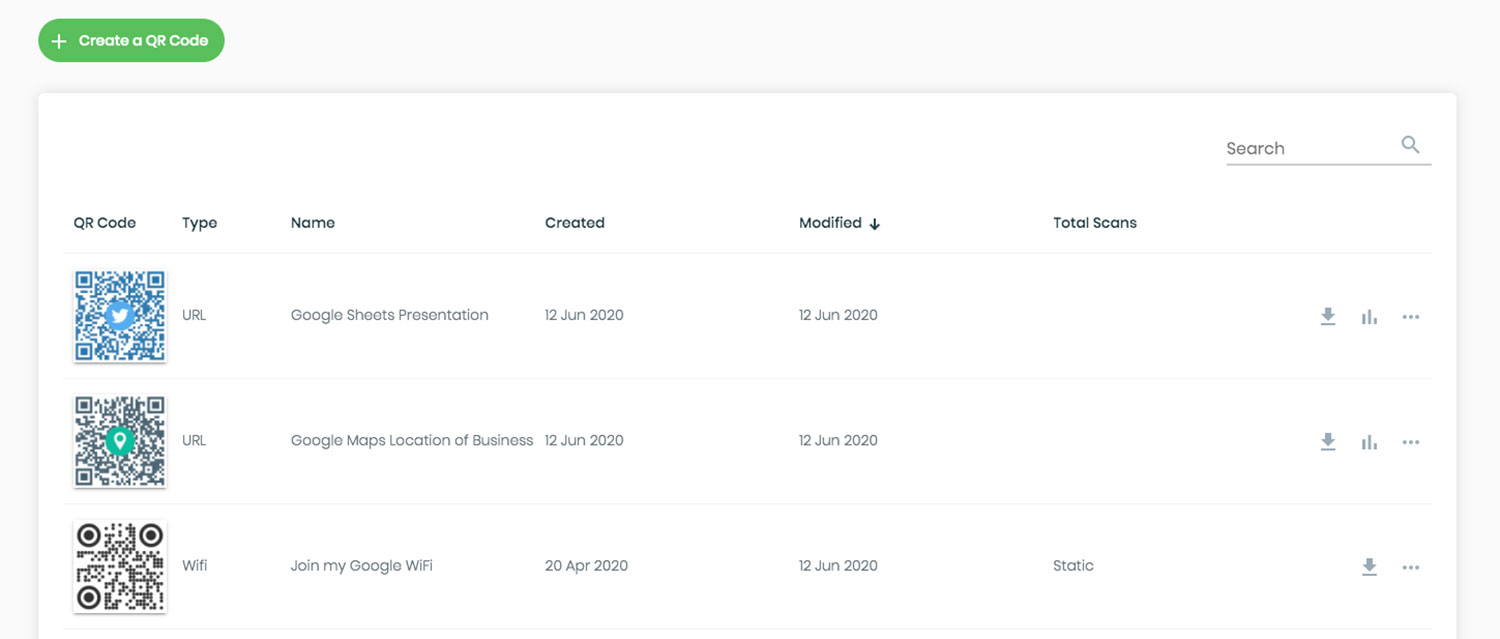
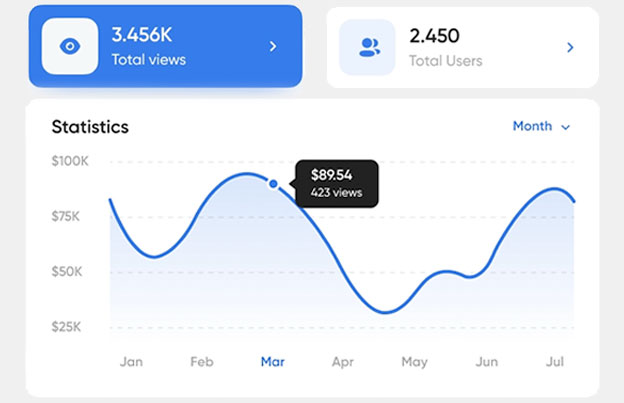
Analitična nadzorna plošča Pageloot vam omogoča spremljanje obsega skeniranj, geografske porazdelitve, razčlenitve naprav in časovnih trendov iz enega samega pogleda. Podatke o skeniranju lahko povežete tudi z Google Analytics 4 za širšo sliko o tem, kako se promet, ki ga poganjajo QR kode, obnaša po vaših digitalnih kanalih.
Sledite vsakemu skeniranju z ene nadzorne plošče Ste pripravljeni videti, katere nagrade poganjajo angažiranost? Uporabite QR generator za dinamične QR kode za ustvarjanje sledljivih, urejevalnih kod in spremljanje uspešnosti v realnem času.
Nastavitev programa zvestobe s QR kodami: Ključni koraki
Če gradite program nagrajevanja na podlagi QR kod od začetka – ali prehajate s kartičnega sistema – naslednji koraki zagotavljajo praktičen okvir. Za podroben pregled si oglejte vodnik o kako nastaviti programe zvestobe s QR kodami.
Določite svojo strukturo nagrajevanja
Preden ustvarite kakršne koli kode, se odločite, katero vedenje želite spodbuditi in katere nagrade jih bodo motivirale. Pogoste strukture vključujejo:
- Sistemi na podlagi točk: stranke zaslužijo točke za vsak porabljen dolar, ki jih lahko unovčijo za popuste ali brezplačne izdelke
- Večstopenjski programi: boljše nagrade se odklenejo, ko stranke dosežejo pragove porabe, kar dodaja občutek napredovanja
- Ekvivalenti kartic z žigi: določeno število skeniranj prinese fiksno nagrado, enostavno za sporočanje in unovčenje
- Ponudbe, vezane na dogodke: posebne nagrade, vezane na rojstne dneve, obletnice ali časovno omejene kampanje
Vsaka struktura ima različne posledice za to, kako konfigurirate destinacije svojih QR kod in kako pogosto jih boste morali posodabljati.
Ustvarite in prilagodite svoje dinamične QR kode
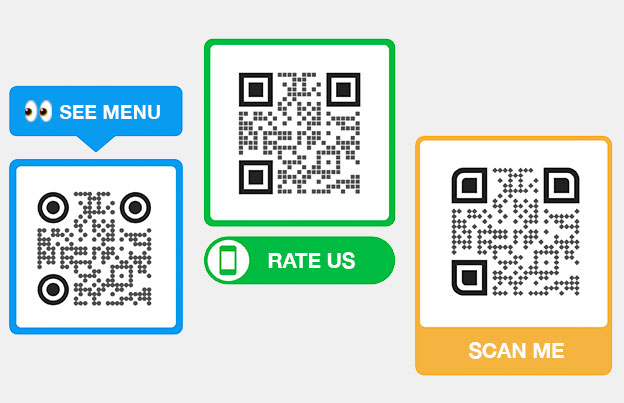
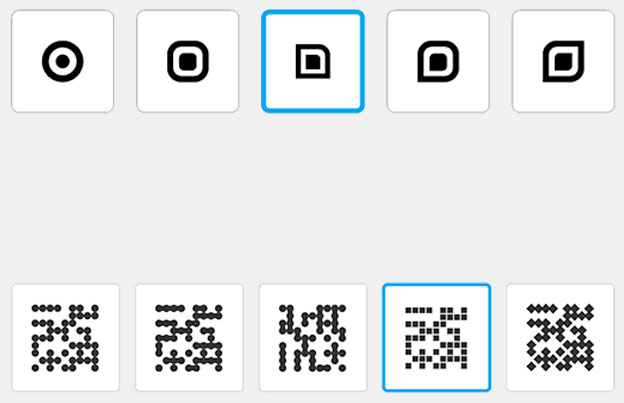
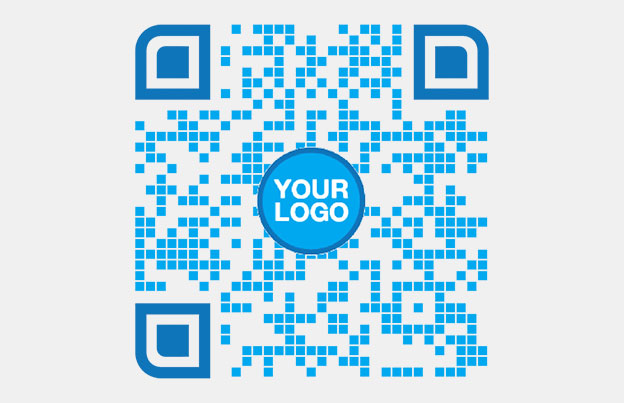
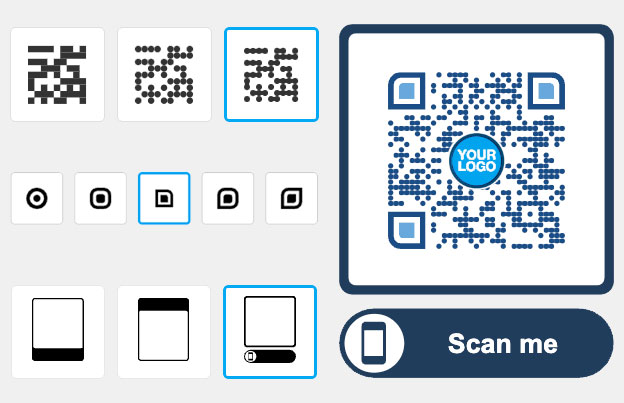
Uporabite platformo, kot je Pagelootova generator QR kod za izdelavo kod, ki odražajo vašo blagovno znamko. Dodajanje vašega logotipa, barv blagovne znamke in jasnega okvirja s pozivom k dejanju – na primer “Skenirajte, da si prislužite nagrado” – poveča prepoznavnost in stopnjo skeniranja.
QR kode z blagovno znamko niso le estetske. Stranke bodo verjetneje skenirale kodo, ki izgleda namerno in vredna zaupanja, kot pa navaden črno-bel kvadrat brez konteksta. Prilagoditev pomaga tudi razlikovati vašo kodo zvestobe od drugih QR kod, s katerimi se stranke srečujejo čez dan.
Ko ustvarite svoje kode, jih preizkusite na več napravah in v svetlobnih pogojih, kjer bodo dejansko prikazane – svetle izložbe trgovin, zatemnjene restavracijske mize in natisnjeni računi predstavljajo različne izzive pri skeniranju.
Postavite kode na prave stične točke
Kje postavite QR kode, določa, kdo jih vidi in kdaj. Visoko učinkovite lokacije za programe zvestobe vključujejo:
- Na blagajnah, kjer je namen nakupa najvišji
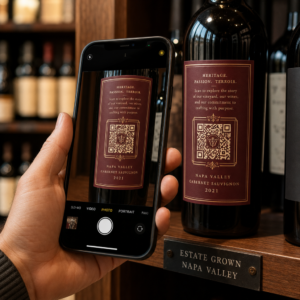
- Na embalaži izdelkov, za spodbujanje ponovne angažiranosti po nakupu
- Na računih in predračunih, kot nadaljevanje po transakciji
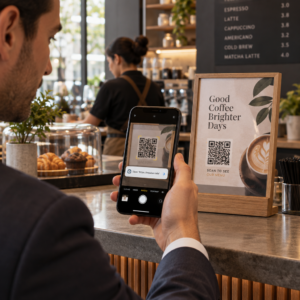
- Na namiznih stojalih, menijih ali notranjih oznakah za podjetja, ki temeljijo na lokaciji
- V nogah e-poštnih sporočil ali digitalnih komunikacijah, ki premoščajo spletno in nespletno angažiranost
Vsak kontekst postavitve predlaga nekoliko drugačno ponudbo nagrade. Koda na računu po nakupu lahko ponudi popust pri naslednjem obisku; koda na embalaži lahko povabi stranke, da se prvič pridružijo programu.
Povežite QR kode z vašim CRM in orodji za avtomatizacijo
Da bi personalizacija delovala v velikem obsegu, se morajo podatki o skeniranju QR kod povezati z vašimi zapisi o strankah. Ko je skeniranje povezano z znano stranko, lahko sprožite avtomatizirana nadaljevanja – e-poštno sporočilo z zahvalo, personalizirano naslednjo ponudbo ali opomnik, ko točke potečejo.
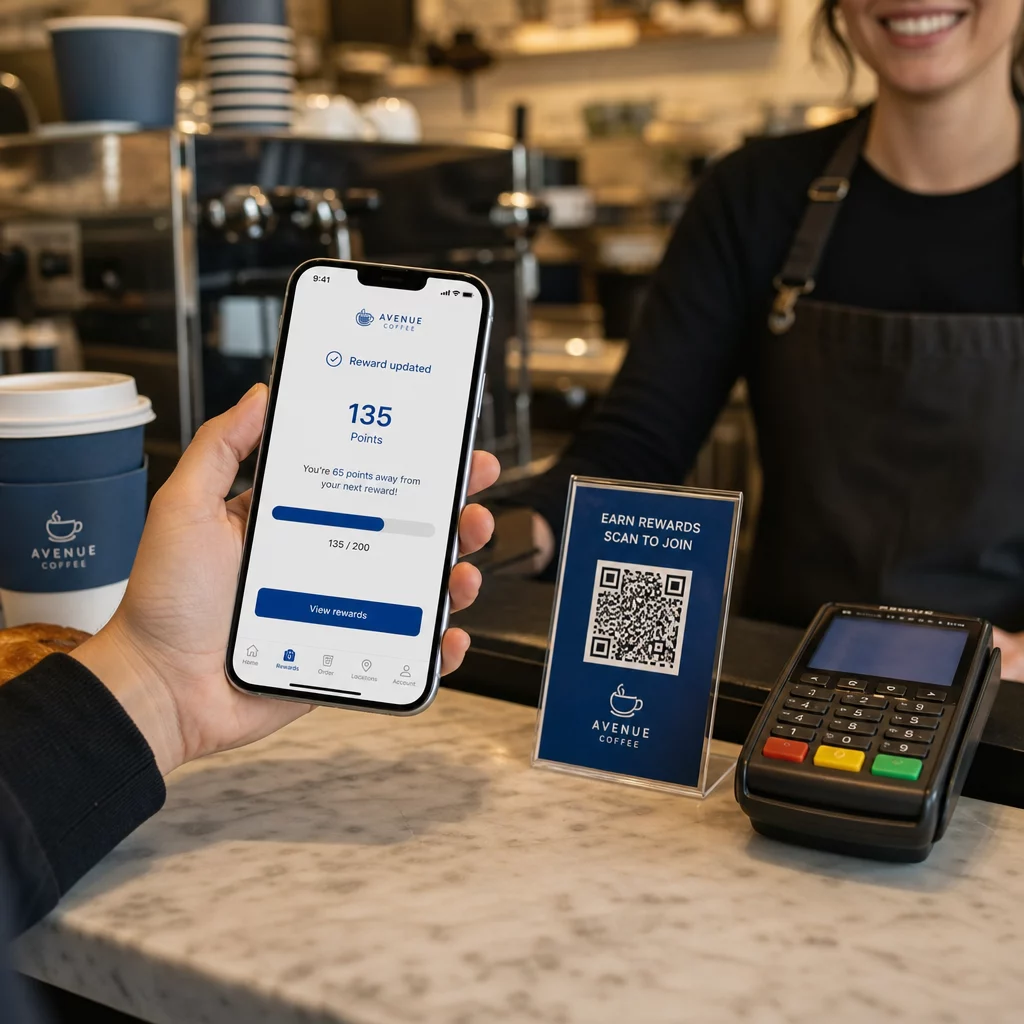
Takšna integracija spremeni pasivno zbiranje podatkov v aktivno upravljanje odnosov. Skeniranje v kavarni lahko sproži e-poštno sporočilo naslednji dan, ki ponuja popust na pecivo. Skeniranje na blagajni v trgovini lahko doda transakcijo k stanju točk stranke in pošlje obvestilo, ko dosežejo naslednjo nagradno stopnjo.
Nastavite pravila poteka za časovno omejene ponudbe
Dinamične QR kode podpirajo datume poteka in omejitve skeniranja, kar je uporabno za upravljanje promocijskih kampanj. Kodo lahko deaktivirate po določenem datumu, po določenem številu unovčitev ali po enkratni uporabi – s tem preprečite prekomerno unovčevanje in ohranjate ponudbe resnično omejene.
Kode za enkratno uporabo so še posebej učinkovite za nagrade visoke vrednosti. Vsaka stranka prejme edinstveno kodo, ki poteče takoj po skeniranju, kar odpravlja tveganje deljenja ali podvojene unovčitve.
Merjenje, ali vaš program deluje
Zagon programa zvestobe je začetek, ne konec. Nenehno merjenje vam pomaga ugotoviti, katere nagrade spodbujajo vedenja, ki so vam pomembna, in katere ne dosegajo pričakovanj.
Ključne metrike za spremljanje vključujejo:
- Stopnja unovčenja: odstotek izdanih nagrad, ki so dejansko uporabljene
- Pogostost skeniranja: kako pogosto stranke skozi čas uporabljajo vaše QR kode
- Pogostost nakupov: ali člani programa zvestobe kupujejo pogosteje kot nečlani
- Povprečna vrednost transakcije: ali člani porabijo več na obisk
- Stopnja zadržanja: ali se člani vračajo z višjo stopnjo kot osnovna
- Vrednost stranke v življenjski dobi: dolgoročni prispevek k prihodkom članov zvestobe v primerjavi z nečlani
Primerjajte te metrike med člani zvestobe in nečlani ter spremljajte spremembe skozi čas, ko prilagajate strukturo nagrad. Če nova ponudba povzroči skok stopnje unovčenja, je to znak za njeno razširitev. Če pogostost skeniranja pade po posodobitvi destinacije, raziščite, ali nova pristajalna stran deluje, kot je bilo predvideno.
Nadzorna plošča za analitiko Pageloot prikaže te podatke v obliki, zasnovani za stalno spremljanje kampanj – trende skeniranja, geografske podatke in razčlenitve naprav, vse na enem mestu.
QR kode proti tradicionalnim karticam zvestobe
Če vaše podjetje trenutno uporablja fizične kartice zvestobe, je vredno razumeti, kaj se spremeni, ko preidete na QR kode. Kratek odgovor: pridobite prilagodljivost, podatke in personalizacijo – hkrati pa odpravite težave z nošenjem kartice.
Za podrobno primerjavo glejte QR kode proti tradicionalnim karticam zvestobe. Ključna praktična razlika je v tem, da fizične kartice ne omogočajo sledenja in jih ni mogoče posodabljati, medtem ko vam dinamične QR kode zagotavljajo neprekinjeno povratno zanko med vedenjem strank in zasnovo programa.
Oblikovanje pristajalne strani za QR kodo
QR koda je le vstopna točka. Kar stranke vidijo po skeniranju, določa, ali se bodo angažirale ali opustile. Slabo zasnovana mobilna pristajalna stran lahko spodkoplje celo privlačno ponudbo nagrad.
Sledite najboljše prakse za pristajalne strani mobilnih QR kod da zagotovite, da se vaše ciljne strani hitro naložijo, se čisto prikažejo na telefonih in predstavljajo jasen, takojšen poziv k dejanju. Ključna načela vključujejo:
- Čas nalaganja pod tremi sekundami (večina uporabnikov opusti počasnejše strani)
- Veliki gumbi, ki jih je mogoče tapniti, z dovolj razmika za interakcijo na dotik
- Ena sama primarna akcija, vidna brez drsenja
- Jedrnato besedilo, ki navaja nagrado in kaj mora stranka storiti naslednje
- Konsistentnost blagovne znamke med zasnovo QR kode in pristajalno stranjo
Ker vam dinamične QR kode omogočajo posodabljanje destinacije kadar koli, lahko tudi A/B testirate različne različice pristajalnih strani, ne da bi izdali nove kode – usmerite polovico skeniranj na eno različico in polovico na drugo, da primerjate stopnje konverzije.
Statične proti dinamičnim QR kodam: Hitra primerjava
| FUNKCIJA | Statične QR kode | Dinamične kode QR |
|---|---|---|
| Možnost urejanja | Fiksno po ustvarjanju | Posodobljivo kadarkoli |
| Sledenje | Brez analitike | Analitika celotnega skeniranja |
| Personalizacija | Enaka izkušnja za vse | Prilagojeno po segmentu, lokaciji ali vedenju |
| Struktura URL-ja | Dolg, vdelan URL | Kratek preusmeritveni URL |
| Hitrost skeniranja | Počasnejše (gostejši vzorec) | Hitrejše |
| Prilagodljivost kampanje | Fiksno | Nastavljivo po urniku |
| Kontrole poteka veljavnosti | Brez | Datum, število skeniranj ali enkratna uporaba |
| Stroški | prost | Zahteva naročnino |
| Varnost | Destinacija je stalna | Preusmeritev je mogoče posodobiti ali onemogočiti |
Zlasti pri programih zvestobe sta stolpca za sledenje in možnost urejanja odločilna dejavnika. Program, ki se ne more prilagoditi vedenju strank ali meriti lastnih rezultatov, se bo sčasoma težko izboljšal.
Dinamične kode QR lahko prinašajo stroške naročnine, vendar odpravljajo stroške ponovnega tiskanja, omogočajo prilagoditve kampanj v realnem času in ustvarjajo podatke, ki jih potrebujete za utemeljitev in izboljšanje vaše naložbe.
Začnite graditi svoj program zvestobe Ustvarite personalizirane, sledljive kode nagrad brez ponovnega tiskanja. Preizkusite QR generator za dinamične QR kode brezplačno 14 dni – kreditna kartica ni potrebna.
Pogosta vprašanja
Da. Z dinamičnimi kodami QR lahko posodobite ciljni URL za prikaz različnih vsebin ob različnih časih ali uporabite logiko usmerjanja za usmerjanje strank na pristajalne strani, specifične za segment, na podlagi dejavnikov, kot so vrsta naprave, lokacija ali čas dneva. To omogoča, da ena sama natisnjena koda služi različnim občinstvom brez ponovnega tiskanja.
Dinamične kode QR podpirajo nadzor nad potekom veljavnosti, vključno z nastavitvami za enkratno uporabo, ki deaktivirajo kodo takoj po enem skeniranju. Nastavite lahko tudi omejitve skeniranja, ki onemogočijo kodo, ko je bila unovčena določeno število krat. Za nagrade visoke vrednosti ustvarjanje edinstvenih kod za vsako stranko zagotavlja najmočnejšo zaščito pred zlorabo. Izvedite več o nastavitvi datumov poteka veljavnosti za kode QR.
Vsako skeniranje lahko zajame skupno število skeniranj, časovni žig, geografsko lokacijo, vrsto naprave in operacijski sistem. Ti podatki so na voljo na nadzorni plošči za analitiko v realnem času in jih je mogoče povezati z Google Analytics 4 za poglobljeno analizo. Poglejte, kako slediti skeniranjem QR kod in analitiki za popolno razčlenitev razpoložljivih metrik.